
Best Crystal Glass Nail Files: A Buyer's Guide
Disclosure: We may earn a commission when you buy through links on this page, at no extra cost to you. As an Amazon Associate we earn from qualifying purchases. Learn more

If your nails end up rough, splitting, or peeling every time you reach for an emery board, the problem might not be your nails at all. It might be the file. Finding the best crystal glass nail files comes down to a handful of details that most shoppers never think to check, like grit, glass thickness, and whether the file is genuine etched glass or a look-alike made from plastic or coated glass. This guide walks through what actually matters so you can choose a file that shapes your nails gently instead of shredding them, and answers the questions people ask most before buying one.


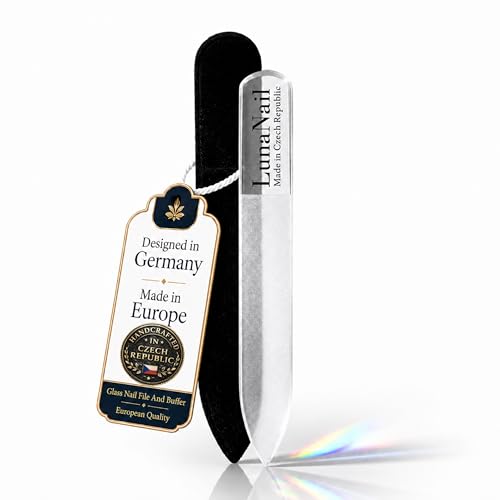
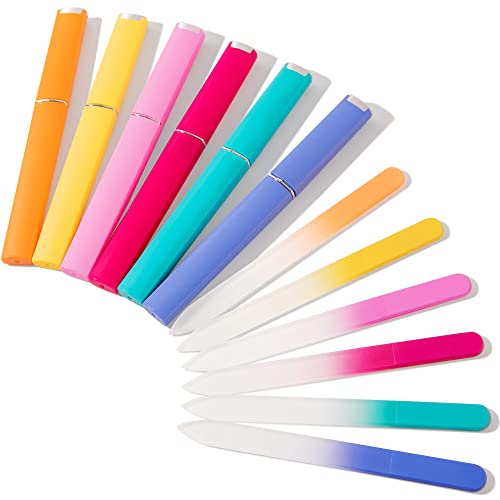


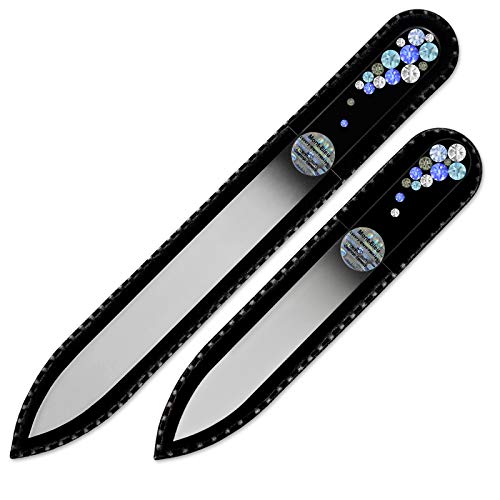
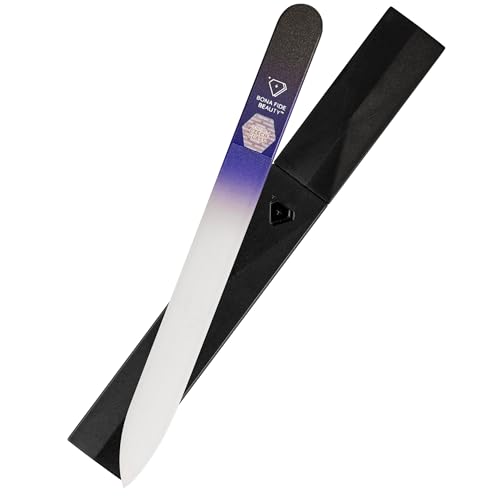
Grit and Glass Thickness: The Specs That Actually Matter
Every glass nail file has two specs worth checking before anything else: how fine the filing surface is, and how thick the glass itself is. Both affect how the file feels in use and how long it lasts.
Choosing Grit for Natural vs. Artificial Nails
Natural nails do best with a finer grit, usually somewhere in the 180 to 240 range. That fineness is what lets a glass file smooth the free edge without tearing at the layers underneath. If you wear gel or acrylic nails, you'll want a coarser file in the 100 to 180 range, since those surfaces are thicker and harder and need more aggressive shaping. A file that's too coarse for natural nails can undo the whole point of switching to glass in the first place.
Why Glass Thickness Affects Durability
Thin glass files look elegant, but they're also more likely to snap if you drop them or apply too much pressure while filing. Files made from glass around 5mm or thicker hold up much better to everyday handling. When you're comparing options, thickness is a reasonable stand-in for how long the file will survive outside a display case. Checking both grit and thickness first is the fastest way to narrow down the best crystal glass nail files for your nail type.
How to Tell a Genuine Etched Glass File From a Cheap Imitation
Not every product marketed as one of the best crystal glass nail files is actually made the way it claims to be. This is one of the most common mix-ups shoppers run into, and it's worth understanding before you spend money on one.
Etched vs. Printed Grit Surfaces
On a real crystal glass file, the grit pattern is chemically etched directly into the glass, so the abrasive surface is part of the file itself. On imitations, the grit is often printed or coated onto the surface as a separate layer. That coating wears smooth after repeated use, and once it does, the file stops working like a glass file at all.
Signs the "Glass" Is Really Plastic
A genuine file feels cool and has real weight to it, similar to any piece of glassware. A lightweight file that feels warm to the touch or flexes slightly under pressure is usually plastic or acrylic dressed up to look like glass. Checking product descriptions for terms like "Czech glass" or "tempered glass," rather than vague wording like "glass-like" or "crystal finish," is a fast way to filter out imitations before you buy.
Picking the Right Size and Shape for How You'll File
Size and shape don't get as much attention as grit when comparing the best crystal glass nail files, but they shape how comfortable the file is to actually use day to day.
Full-Size Files for Home Use
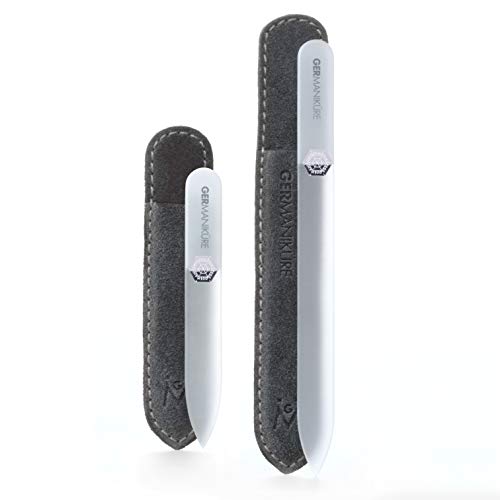
A full-length file, generally around 5 to 6 inches, gives you more surface area and a longer stroke, which makes filing faster and less repetitive. These are the better pick if the file is going to live in a bathroom drawer or vanity and get used regularly at home.
Compact and Travel-Friendly Options
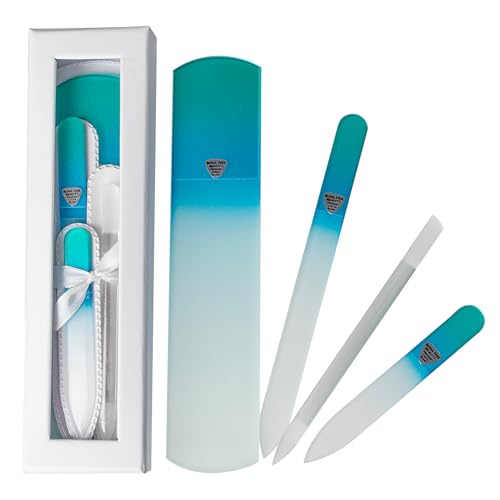
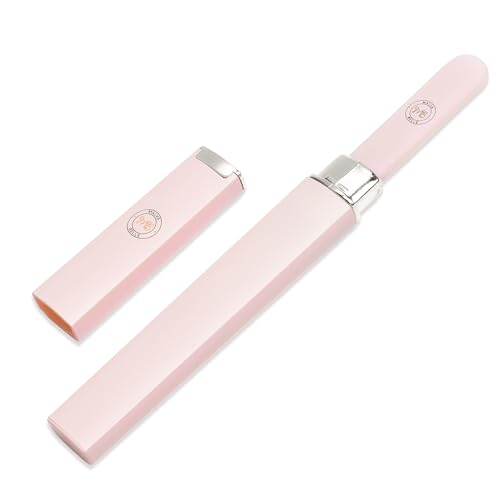
Shorter, purse-sized files trade some surface area for portability. They're a natural fit for a bag, glovebox, or desk drawer, and they still deliver the same gentle, etched-glass filing as their full-size counterparts. Some also come with a slim sleeve or cap built specifically for tossing them in a bag without worrying about the edges getting chipped.
Keeping a Glass File Sanitary and Undamaged
Part of what makes the best crystal glass nail files worth buying is that, unlike an emery board, they're not disposable. Taking care of one properly is what makes it last for years instead of months.
Cleaning Between Uses
Because the surface is non-porous, a glass file doesn't trap nail dust and oils the way a fabric-covered emery board does. Rinsing it under warm water and wiping it with a bit of mild soap after each use is usually enough. For a deeper clean, or to sanitize it between different people using it, soaking it briefly in isopropyl alcohol works well.
Storage That Prevents Chips and Cracks
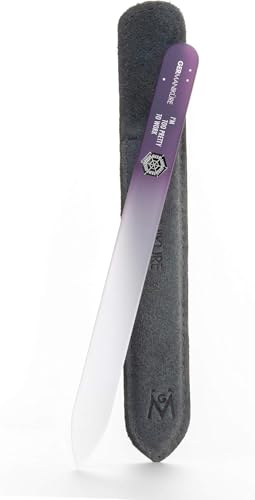
Most glass files ship with a protective sleeve or hard case, and it's worth using it every time rather than tossing the file loose into a drawer. Avoid exposing the glass to boiling water or extreme heat, which can weaken it over time, and always let it dry fully before putting it away so moisture doesn't sit against the case.
Frequently Asked Questions
Here's what shoppers ask most often before choosing among the best crystal glass nail files.
What is the best grit for a crystal glass nail file?
For natural nails, look for a grit in the 180 to 240 range. If you wear gel or acrylic nails, a coarser grit between 100 and 180 will shape them more efficiently.
Are glass nail files better than regular nail files?
For natural nails, most people find glass gentler than metal or emery, since the fine, etched surface seals the nail's edge instead of roughing it up. Emery boards can still make sense for quickly shaping thicker artificial nails.
How can you tell if a glass nail file is genuine?
Genuine files have a chemically etched grit pattern that's part of the glass itself, so it won't wear off or feel like a separate coating. They also tend to feel cooler, heavier, and more rigid than plastic imitations.
How long does a glass nail file last?
With proper care, a genuine crystal glass file can last for years, since the etched grit doesn't wear down the way emery paper does. The most common cause of failure isn't wear, it's dropping or chipping the glass.
Can you use a glass nail file on acrylic or gel nails?
Yes, as long as you choose a coarser grit designed for artificial nails. A fine grit meant for natural nails will take much longer to shape gel or acrylic and may feel like it's barely doing anything.
How do you clean a glass nail file?
Rinse it under warm water and wipe it down with mild soap after regular use. For a more thorough clean, soak it in isopropyl alcohol for a few minutes, then dry it completely before storing it.
Is it safe to file nails in both directions with a glass file?
Yes, this is actually one of the main advantages of glass over emery boards. The etched surface seals the nail's edge with each pass, so filing back and forth doesn't cause the fraying that one-directional filing can.
Making Your Decision
Choosing well among the best crystal glass nail files really comes down to matching grit to your nail type, confirming the glass is genuinely etched rather than coated, and picking a size that fits how and where you'll actually use it. Get those three details right, and a single well-made file can replace a drawer full of disposable emery boards for years to come.