Best Comforters for Allergies in 2026: Buying Guide
Disclosure: We may earn a commission when you buy through links on this page, at no extra cost to you. As an Amazon Associate I earn from qualifying purchases. Learn more

Comforters for allergies compared by fill, cover weave, washability, and temperature control for sensitive sleepers.
Waking up congested, sneezing, or with itchy eyes often traces back to what is living inside your bedding. A comforter can trap dust mites, pollen, and pet dander in its fill and cover, and every night you breathe close to that buildup for hours. Choosing the best comforter for allergies means picking materials and construction that resist allergen buildup and wash clean on a regular schedule. This guide compares comforter types on comfort and support, materials and certifications, and temperature regulation, and the comparison table below sums up the main options.
This article walks you through the types that suit sensitive sleepers, the features that reduce allergen exposure, and the care habits that keep a comforter working for you.


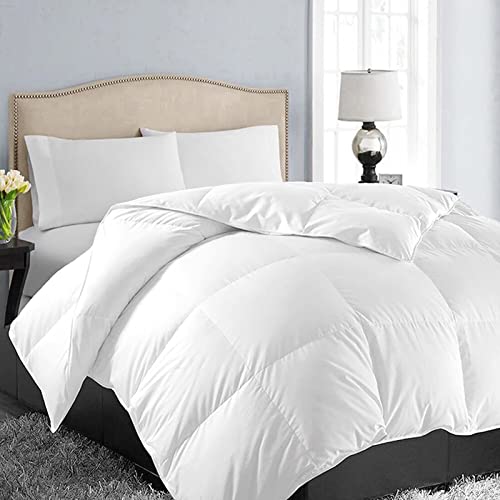
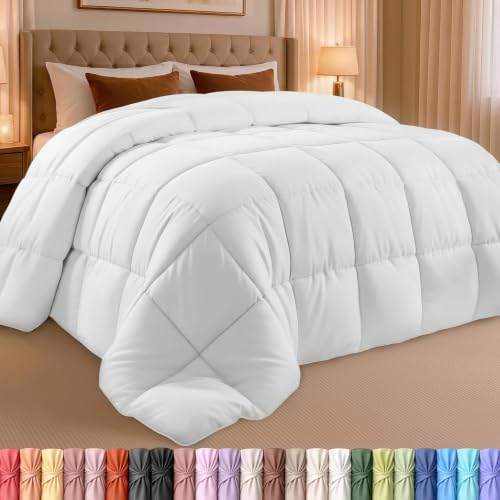


Comforter Types Compared for Allergy Sensitive Sleepers
Three broad types cover most needs, and each handles allergens differently. Your choice depends on your triggers and how warm you sleep.
Synthetic Fill Comforters for Easy Washing
Comforters filled with polyester or microfiber are often the most practical starting point for allergy sufferers. Most go straight into a home washing machine, which matters because hot water washing is your strongest tool against mites. They tend to cost less than natural fill options, so replacing one after a few years of heavy washing feels less painful. The trade off is breathability, since synthetic fill can hold warmth and moisture on humid nights.
Natural Fill Comforters With Tight Weave Covers
Wool and silk fills have natural resistance to dust mites and mold, and they manage moisture well, which keeps the sleeping surface less welcoming to allergens. Down can also work when it is thoroughly cleaned and enclosed in a tightly woven cover that blocks mites and their droppings from passing through. The catch is care. Many natural fill comforters need professional cleaning or gentle cycles only, and slow or incomplete drying can invite mildew, which is itself a common trigger.
Lightweight Cooling Comforters for Warm Sleepers
If you overheat, you may kick a heavy comforter off and on all night, and the extra movement stirs up particles settled in the bedding. A lighter build with a breathable cotton or lyocell cover lets heat and moisture escape, so you stay covered and settled. Cooling models suit summer use and warm bedrooms, though cold sleepers may need a heavier layer in winter.
What to Weigh First
Weigh buying factors by how directly they affect allergen exposure. Comfort and support come first, since a comforter you cannot sleep under helps no one. Materials and certifications come next, because fill and cover determine how much allergen collects and how easily it washes out. Temperature regulation, durability through repeated washing, and trial and warranty terms round out the list.
How to Choose the Right Comforter for Allergies
Size and Form Factor
Comforters come in twin, full, queen, king, California king, and oversized king sizes. Match the size to your mattress first, then consider going one size up if you share the bed or like deep drape over the sides, because a comforter that pulls and shifts exposes you to the sheet and mattress surface more often. Check the stated dimensions rather than the size label alone, since brands measure differently.
Type of Fill
Fill is the biggest decision in this category. Down alternative fills made from synthetic fibers are the default recommendation for most allergy sufferers, and our overview of the best down alternative comforter explains the main fiber options in depth. Wool suits people who want natural moisture control, silk suits warm sleepers who want a light layer, and true down suits readers whose allergy is to dust mites rather than to down itself, provided the cover weave is tight enough to act as a barrier. If feather or down allergy is confirmed by a doctor, skip down entirely regardless of cover quality. A fuller comparison of down vs down alternative can help you weigh warmth, weight, and care side by side.
Features Worth Paying For
Corner tabs or loops sound minor, but they anchor the comforter inside a duvet cover so it does not bunch into one corner. Bunching creates thick pockets that dry slowly after washing and thin spots that leave you cold. Box stitching or baffled construction keeps fill evenly spread for the same reason. A removable, washable duvet cover is arguably the most valuable feature of all, because you can wash the cover weekly in hot water while washing the comforter itself less often. If you are still deciding between formats, our explainer on comforter vs duvet lays out how the two setups differ in care and cost.
Sleep Position and Body Type
Side sleepers often prefer a medium weight comforter that drapes into the curve between shoulder and hip without pressing down. Back and stomach sleepers usually rest better under a lighter layer that does not push on the chest or trap heat around the face. Heavier sleepers and anyone who runs warm should lean lighter, since body heat builds fast under insulation. People with strong dust mite sensitivity may also fold the top edge down away from the face, or rely on the washed cover as the contact layer.
Materials and Certifications
Look for covers woven tightly enough to block dust mite particles, often described as allergen barrier fabric. Third party certifications add confidence that a product meets a stated standard. OEKO TEX certification screens textiles for harmful substances, and CertiPUR US applies to foam rather than comforter fill, so check which component a label actually covers. Treat the word hypoallergenic as marketing unless a certification or a specific barrier weave backs it up, because the term has no single legal definition in bedding.
Cooling and Breathability
Moisture is an allergen issue, not just a comfort issue. Dust mites thrive in warm, humid bedding, so a comforter that releases moisture instead of holding it makes your bed less hospitable to them. Cotton and lyocell covers breathe better than most microfiber covers, and wool fill moves moisture away from the body well for its weight. Warm sleepers should read our guide to the best comforter for hot sleepers alongside this one, since sleeping hot and sleeping with allergies often arrive together and the same breathability fixes help both.
Trial Period and Warranty
Allergy comfort is personal, and a comforter that looks right on paper may still leave you congested. A trial period of at least a few weeks lets you judge your actual morning symptoms, which is the only test that matters for this purchase. Read the return conditions before ordering, since some sellers require the comforter to be unused, which defeats the purpose of a trial. Warranties mainly cover stitching and fill defects, and washing against the care label can void coverage.
How Much Should You Spend?
Basic synthetic fill comforters often cost under $50 and can be a sensible choice if you expect to replace them every couple of years from heavy washing. The about $100 to $200 range usually buys better barrier covers, sturdier stitching, and fills that survive more wash cycles without clumping. Above about $200 you are mostly paying for natural fills like wool or silk and for certified organic covers. Spending more does not automatically mean fewer allergens, so put your budget toward washability and cover quality first.
What Matters Most in a Comforter for Allergies
Shopping for allergies changes how you should rank things. A standard comforter guide can focus on warmth and softness, but for allergies the order of priorities flips. Washability comes first, because allergen control depends on hot water washing that many delicate comforters cannot survive. The cover weave comes second, since it is your barrier while you sleep. Fill comes third, and warmth last, because a slightly cooler night beats a congested morning.
Know your trigger before you buy. Dust mite allergy is the most common bedding related trigger, and it responds well to barrier covers and hot washing. A confirmed down or feather allergy rules out one fill family completely. Mold sensitivity points you toward fills and covers that dry fully and quickly. If you do not know your trigger, an allergist can test for it.
Stop and see a doctor promptly if you have wheezing, shortness of breath, chest tightness, or swelling of the lips, tongue, or face, since these can signal a serious reaction rather than ordinary congestion. Talk with your clinician about your personal needs before relying on bedding changes alone, especially for asthma.
Common Mistakes to Avoid
- Buying a comforter that cannot go in a washing machine, which leaves you with no practical way to remove accumulated allergens.
- Trusting the word hypoallergenic on its own, without checking for a barrier weave or a named certification.
- Washing in cool water only, since dust mites survive low temperatures and keep triggering symptoms.
- Skipping the duvet cover, which removes the layer you could wash weekly with the least effort.
- Letting a washed comforter sit damp or storing it before it is fully dry, which encourages mildew growth.
- Assuming a higher price means better allergen control, when cover quality and washability matter more than fill prestige.
Care and Maintenance for Allergy Friendly Comforters
Wash the duvet cover weekly with your sheets in hot water, following the care label, and wash the comforter itself about once a month or as the label allows. Our step by step guide on how to clean a comforter covers machine sizes and drying methods in detail. Dry the comforter completely before putting it back on the bed, and give it a good shake when you change the sheets. Replace a comforter when the fill clumps into hard lumps that no longer spread out, because uneven fill also means uneven barrier coverage.
FAQ
What is the best comforter for allergies if I also have asthma?
Choose a machine washable synthetic fill comforter with a tight weave cover, and treat your asthma plan as the priority. Bedding changes can reduce one trigger source, but they do not replace prescribed inhalers or a clinician managed plan. Mention your bedding setup at your next appointment, and ask whether pillow and mattress encasements would help in your case, since those cover the surfaces closest to your face all night.
Can a comforter for allergies go in a standard home washing machine?
Most queen size synthetic fill comforters fit a large capacity home machine, but king and oversized models may need a commercial machine at a laundromat. Check the care label and your machine capacity before buying if home washing is your plan. A comforter that is too large for any machine you can access will not get washed often enough to control allergens.
Do allergen barrier duvet covers really make a difference?
Yes, when the fabric weave is tight enough to block mite particles and you wash the cover regularly. The cover works as a filter between you and the fill, and it is far easier to wash weekly than the comforter itself. Zip closures seal better than button closures.
How often should allergy sufferers replace a comforter?
Plan on about three to five years for a synthetic fill comforter washed monthly, and sooner if the fill clumps, the cover tears, or your morning symptoms return despite regular washing. Natural fills can last longer with gentler care. Keep a simple note of the purchase date on the care label in fabric pen, since most people overestimate how new their bedding is.
Is wool a good comforter fill for dust mite allergy?
Wool can be a good fit because it manages moisture well and creates a drier environment that mites dislike. It is heavier than synthetic fill of similar warmth, and many wool comforters allow only gentle washing or spot cleaning, so confirm the care method before buying. If frequent hot washing is central to your routine, a washable synthetic fill may serve you better despite the natural advantages of wool.
Final Thoughts
For most readers, the winning formula is simple: a washable synthetic or carefully chosen natural fill, a tight weave cover, and a wash routine you will actually keep. Match the weight to how warm you sleep, verify any certification claims, and use a trial period to judge your own mornings. When you are ready to compare options, look back at the product table above and start with the best comforter for allergies that fits your trigger, your machine, and your budget.