
Best Collector Train Sets: Budget, Midrange, and Premium Guidance for 2026
Disclosure: We may earn a commission when you buy through links on this page, at no extra cost to you. As an Amazon Associate I earn from qualifying purchases. Learn more

A buying guide to best collector train sets by budget, covering scale, materials, power systems, display value, care costs, and what each price tier delivers.
Collector train sets span a wide price range, from modest starter layouts to detailed display pieces that cost as much as furniture. Spending more can buy finer detail, smoother running, and stronger materials, but only if the extra money goes toward the parts you actually value. This guide to best collector train sets sorts the market by budget tier so you can see where spending pays off and where it does not.
Use the comparison table below to see how sets differ in scale, track, and included pieces at a glance. Then read on for the criteria that separate a set you display with pride from one that sits in a box.

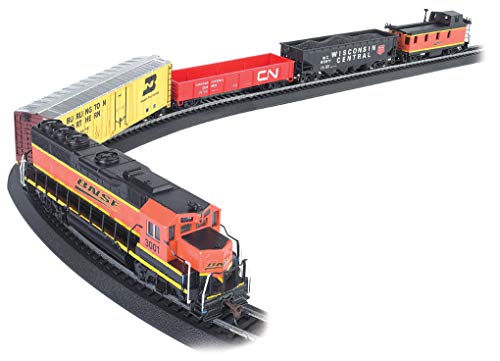


Choosing by Budget: What Each Tier Should Deliver
Budget Tier Checklist
A budget set, often around $100 to $250, should still give you a complete loop of track, a locomotive that runs smoothly at low speed, and cars that couple without constant fuss. Detail will be simpler, with printed markings instead of separate small parts. That trade is fine for a first display shelf or a seasonal layout.
Check that spare track and replacement couplers are easy to find for the scale you choose. A low price means little if one broken part ends the hobby. If you are still deciding whether collecting is for you, start with our broader guide to the best train sets to see how collector sets differ from general sets.
Midrange Tier Checklist
Midrange sets, often about $250 to $600, should add finer paint, separately applied details, and a power system that allows slow, steady running. Sound features and digital control often appear at this level, and they add real enjoyment when you run trains for guests. Cars should roll freely and track well through switches.
This tier suits collectors who know their favorite era or railroad and want a set that looks convincing on a shelf. Spend here when you plan to expand the layout later, because midrange track and control gear usually accept added pieces without a full restart.
Premium Tier Checklist
Premium sets, often about $600 to $1,500 or more, should deliver museum level detail, metal construction in key parts, and smooth, quiet drive systems. Limited production runs and accurate historical markings are common, and packaging often supports long term storage and resale. At this level, accuracy matters more than quantity.
Buy premium when the set will anchor a collection or mark a milestone. Insist on clear documentation of scale, era, and production details, and confirm that the maker supports the line with parts and service. A premium price without that support is a poor value at any budget.
What Your Money Gets You at Each Price Tier
Budget Tier: What to Expect
Expect plastic bodies, basic track, and a simple power pack. Graphics carry much of the detail, and small parts are molded in rather than added separately. Running quality is usually good on a clean, level loop, though slow speed control may be limited.
Budget sets work well for learning how track fits together and how couplers behave. They also let you test whether a given scale suits your space before you commit more money. Keep expectations on finish modest and focus on completeness and smooth running.
Midrange Tier: The Sweet Spot for Most Buyers
Most collectors get the best balance here. You gain better motors, finer wheels, and more accurate paint, plus control options that make running sessions more relaxed. Rolling stock often matches a real railroad and era, which makes the display feel intentional rather than random.
Midrange is also where accessory choice widens, from buildings to figures that match your scale. If you later move toward building a full layout, our guide to the best model train sets explains how collector sets and layout building sets overlap and where they differ.
Premium Tier: When Spending More Pays Off
Spending more pays off when it buys accuracy you can verify, materials that age well, and a drive system that runs quietly for years. Brass and die cast metal parts, fine lettering, and documented production runs all support long term value. So does a maker with a track record of honoring warranties.
It does not pay off when the price only buys a larger box or more cars of average quality. Compare detail photos closely, read the included documentation list, and ask whether replacement parts exist. Premium money should remove doubt, not add it.
Features Worth Paying For (and Ones to Skip)
Size, Weight, and Fit for Your Space
Scale decides everything else, so choose it before you shop. Smaller scales let you fit a full loop and scenery on a modest table, while larger scales show detail better on a shelf but need far more room. Measure your display area, then add space for track curves and safe handling.
Weight matters for handling and storage. Heavy metal locomotives feel substantial and track well, but they are harder to move and store safely. Light plastic sets store easily yet can look less convincing up close. Match the heft to how often you will move the set.
Safety and Certifications
Collector sets are display and hobby items, not toys for young children, and many contain small parts. Keep sets with tiny details away from toddlers, and supervise any child who handles them. If younger family members want their own railway, a separate age appropriate set is the safer path.
Use only the power supply supplied or specified for your set, and keep cords away from water and heat. Look for clear electrical safety markings on power packs. Unplug the layout before cleaning track or reaching across powered rails, and store transformers in a dry place.
Price vs Value
Value comes from how long a set stays satisfying, not from the lowest sticker. A budget set around $150 that runs well for years beats a discounted set with missing parts. A midrange set around $400 often gives the strongest mix of detail, running quality, and expansion options for most homes.
Premium value depends on accuracy and support. Before paying about $800 or more, confirm the production details, the warranty terms, and the availability of service. If a seller cannot answer those questions, the value case is weak no matter how attractive the photos look.
Intended Use and Who It Is For
Decide whether the set is mainly for display, for regular running, or for both. Display focused collectors can favor fine detail and accurate markings even if running features are simple. Runners should favor smooth drives, durable couplers, and track that stays aligned through repeated setup and teardown.
Gift buyers should think about the recipient shelf space and patience level. A complete, modest set that runs on day one delights more than an ambitious set that needs extra purchases. When in doubt, choose the tier that leaves budget for track cleaning supplies and storage.
Long Term Costs to Factor In
Ownership costs continue after the first purchase. Budget for extra track if you plan to grow the loop, replacement couplers, and a proper storage case that keeps dust and sunlight off the finish. Digital control upgrades, sound modules, and display shelving can each cost as much as a budget set over time.
Cleaning supplies are small but steady costs: track cleaning pads, soft brushes, and lint free cloths protect both looks and running quality. Warranty coverage varies widely, so factor in possible repair shipping for premium pieces. A realistic total cost view keeps the hobby fun instead of surprising.
Materials also shape long term care. If you enjoy the look of natural wood in other hobbies, our guide to the best wooden train sets shows a simpler, durable style that some families keep alongside a detailed collector display.
Frequently Asked Questions
How do I maintain a collector train set?
Maintain it with gentle, regular care rather than rare deep cleaning. Dust cars and locomotives with a soft brush, wipe track with a clean dry cloth, and keep the layout covered when not in use. Store pieces in their original inserts or padded cases, away from sunlight and damp, so paint and lettering stay crisp for years.
How much should I spend on a collector train set?
Spend according to how central the set will be in your collection. Around $100 to $250 suits a first set or a seasonal display, about $250 to $600 suits most committed collectors, and higher budgets make sense for a verified premium centerpiece. Leave room in the budget for storage and cleaning supplies.
How long does a collector train set last?
A well kept set can last for decades. Metal parts, careful handling, and dry storage protect the finish and the motor, while rough handling and damp rooms shorten life quickly. Pieces that are run gently and cleaned often usually outlast pieces that are displayed near heat or sunlight, which fade paint and warp plastic over time.
Are expensive collector train sets worth it?
They are worth it when the price buys verified accuracy, durable materials, and maker support. Fine lettering, metal construction, and documented production runs hold both visual and resale appeal. They are not worth it when the cost only adds more average cars. Ask for documentation and parts availability before you commit to any premium purchase.
What features matter most when buying collector train sets?
Scale fit for your space, smooth low speed running, and accurate finish matter most. After that, look at coupler quality, track completeness, and whether spare parts are available for your chosen scale. Sound and digital control are enjoyable extras, but they should come after the basics, because a beautiful set that runs poorly will spend its life in storage.
The Bottom Line
Choose your scale first, then let your budget tier set honest expectations for detail, materials, and running quality. The best collector train sets are the ones that fit your space, run smoothly, and come with parts and warranty support you can actually use. Compare the options in the product table above, and spend extra only where it buys accuracy or durability you will still appreciate years from now.


