
Best Collectable Watches 2026: A Collector Guide
Disclosure: We may earn a commission when you buy through links on this page, at no extra cost to you. As an Amazon Associate I earn from qualifying purchases. Learn more

What makes the best collectable watches worth owning: condition, provenance, rarity and service history, plus care tips for your collection.
Collecting watches rewards patience and study, so the best collectable watches are less about fashion and more about condition, history, and lasting appeal. A watch with honest wear, full papers, and a clear service record often interests collectors more than a polished piece with a murky past. The comparison table below can help you compare the traits collectors value before you buy.
This guide offers general information only and makes no promises about future value, since watch markets move and tastes change. Buy pieces you enjoy wearing and studying, and treat any purchase as a hobby expense rather than an investment. That mindset keeps collecting fun even when markets cool.


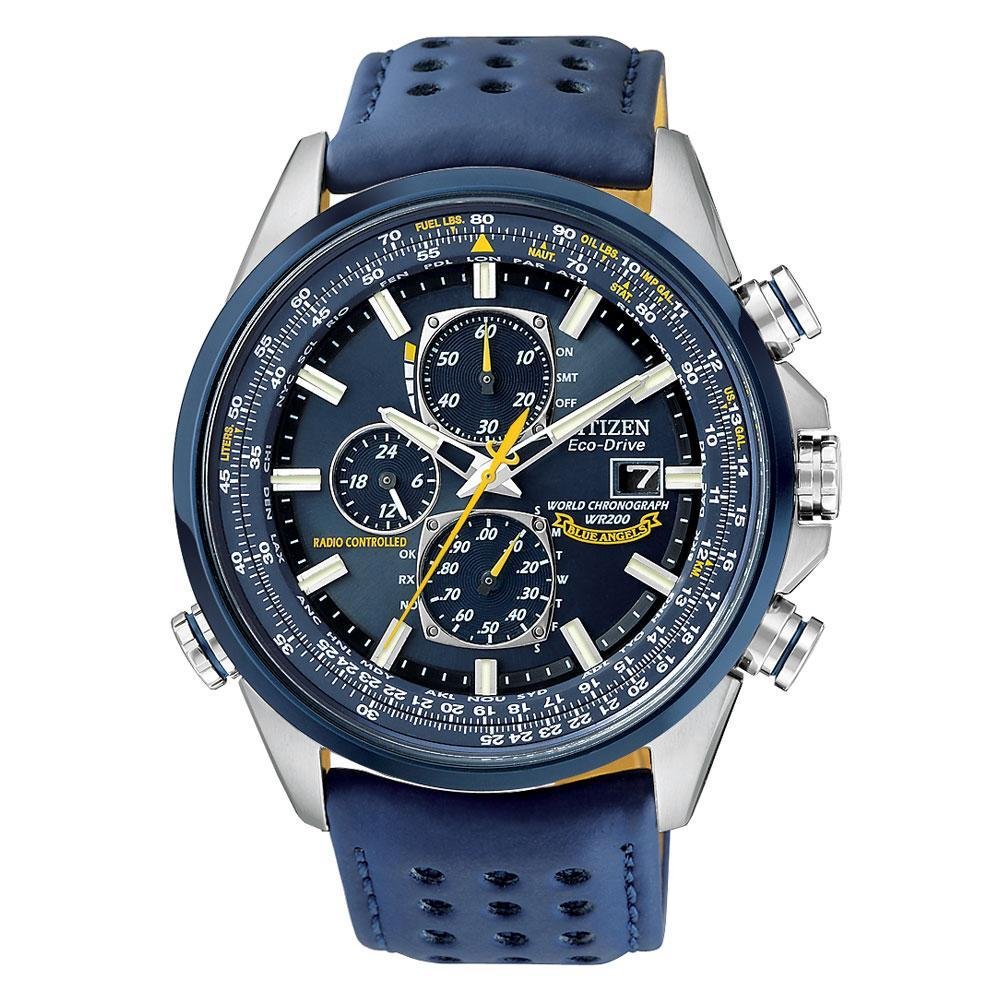


Who Should Collect Watches
Watch collecting suits people who enjoy mechanical craft, design history, and the slow hunt for a good example. It rewards research, since learning movements, makers, and eras turns shopping into a richer hobby. Collectors who enjoy wearing their pieces get more from the hobby than those who lock watches away unseen.
It is less ideal as a pure money plan, since values fall as well as rise and selling costs eat gains. New collectors should also beware fakes and over polished pieces, which trap the unwary. Start modestly, learn one area well, and buy from sellers who welcome questions and inspection.
Key Features Worth Comparing
Condition and Originality
Condition drives collector interest more than age alone, with honest, unpolished cases and original dials prized highly. Over polishing rounds edges and erases character, while replacement dials and hands lower appeal for serious collectors. Check for matching parts, correct crowns, and signs of moisture or poor repair. A watch with light honest wear often beats a shiny refinished piece.
Provenance and Papers
Boxes, papers, and service records raise confidence and often value, since they confirm origin and care. Provenance matters even more for rare pieces, where a documented history separates genuine examples from clever copies. Keep your own records from the day you buy, including seller details, photos, and service receipts. Good paperwork protects you if you later sell or insure the watch.
Rarity and Demand
Rarity alone does not guarantee interest, since an obscure watch nobody wants stays obscure. Lasting demand comes from design, maker reputation, and cultural presence, such as film or sporting links. Limited runs can help, but only when the underlying watch already appeals. Study past sales and collector forums before paying a premium for rarity claims.
Caring for a Collection
Store watches in a cool, dry place away from sunlight and strong magnets, and wind mechanical pieces regularly if you wear them in rotation. Service mechanical watches every few years with a trusted watchmaker, and keep service receipts with the watch. Insure valuable pieces and photograph each watch, since records help recovery after loss. Wear your watches too, since a collection enjoyed lasts longer than one hidden away.
Mistakes to Avoid
The most common mistake is buying on hype without checking condition, originality, or seller reputation. Another mistake is overpaying for a polished or repaired piece that collectors will discount later. Finally, do not treat collecting as a guaranteed investment, since markets shift and tastes change. Buy what you love, verify before you pay, and enjoy the hunt.
Related Buying Guides
Readers comparing options may also find our guide to best quality watches useful.
Living With a Growing Collection
Living with a growing collection means rotating watches so each piece gets wrist time and movement health, rather than letting some sit forgotten for years. A simple rotation schedule, even a weekly swap, keeps mechanical movements running and reminds you why each piece appealed. Keep a small log of wear, service dates, and any issues, since memory fades across many pieces. A collection worn in rotation feels alive rather than stored.
Collector friendships enrich the hobby, since clubs, forums, and fairs offer knowledge that books alone cannot give. Experienced collectors spot fakes, recommend watchmakers, and share market insight generously when approached respectfully. Attend a local meet or fair before buying expensive pieces, and listen more than you speak at first. Community knowledge protects beginners far better than solo internet research.
Insurance and records deserve steady attention as a collection grows, since values and pieces change over time. Photograph each watch, update valuations yearly, and store papers safely away from the watches themselves. Check your home policy coverage, since many policies limit single items or need a separate rider. Good records turn a stressful loss into a manageable claim.
A Final Check Before You Order
Before buying a collectable piece, verify seller reputation, ask for clear photos including movement and case markings, and request papers and service history. Compare the piece against reference guides for that model, checking dial, hands, and crown details closely. For valuable pieces, arrange an independent watchmaker inspection before payment, since inspection costs far less than a fake. Walk away from sellers who rush you or refuse inspection.
Set a budget that leaves room for servicing, since a vintage piece often needs work soon after purchase. Factor insurance and storage costs too, especially for valuable pieces that need a safe. Buy within your means and avoid borrowing for hobby pieces, since collecting should never strain finances. A disciplined budget keeps the hobby enjoyable rather than stressful.
Keep purchase records from day one, including seller details, price, photos, and any promises made. Store papers with the watch and copies elsewhere, so loss of one does not lose all. Note the condition honestly at purchase, so later wear or damage stays clear. Careful records protect value and make future selling or insurance far smoother.
Spotting Value Beyond the Price Tag
Value in collecting often hides in details that casual buyers overlook, such as original boxes with matching numbers, service papers from known watchmakers, and dials that have aged evenly without water damage. A watch with a complete story often holds interest longer than a similar watch without one, even when both look alike at first glance. Learn to read those details slowly, comparing examples side by side until the differences become obvious. Patience in study pays better than speed in buying.
Market cycles also reward collectors who buy during quiet periods rather than chasing hype peaks. When a model trends online, prices spike and fakes multiply, while quieter periods offer fairer prices and calmer sellers. Keep a watchlist of pieces you genuinely want, and buy when condition and price align rather than when excitement peaks. This disciplined timing protects both budget and enjoyment across years of collecting.
Frequently Asked Questions
What makes a watch collectable?
A watch becomes collectable through a mix of condition, originality, rarity, maker reputation, and lasting demand among collectors. Honest, unpolished examples with original dials and full papers attract more interest than refinished pieces. Design and cultural presence also matter, since watches linked to famous wearers or eras hold attention longer. No single trait guarantees collectability, so study examples and past sales before you buy.
Should I buy vintage or modern watches?
Vintage watches offer history and character but need careful checks for fakes, repairs, and worn movements. Modern watches offer warranty, reliable parts, and easier servicing, though they may lack the charm of older pieces. Many collectors mix both, starting with a modern piece to learn servicing and wearing habits. Choose based on your budget, patience for research, and tolerance for repair costs.
How do I avoid fake watches?
Buy from reputable dealers, auction houses, or sellers with strong references, and ask for papers, service history, and clear photos before paying. Learn the details of the models you collect, since fakes often fail on dial printing, case finishing, or movement details. For valuable pieces, pay for an independent inspection by a trusted watchmaker. If a deal looks too good to be true, walk away, since genuine bargains are rare.
Do watches increase in value?
Some watches rise in value, but many fall or stay flat, and selling costs, servicing, and insurance eat into any gain. Markets move with fashion, maker decisions, and wider economics, so past rises never guarantee future ones. Treat collecting as a hobby you enjoy, not as a financial plan, and buy pieces you would keep happily if values fell. Independent financial advice suits anyone considering watches as an investment.
How should I store collectable watches?
Store watches in a cool, dry place away from direct sunlight, strong magnets, and damp, using a watch box or roll for protection. Wind mechanical watches regularly if you rotate them, and service them every few years with a trusted watchmaker. Keep boxes, papers, and service receipts with each watch, and photograph the collection for insurance. Wearing watches in rotation also keeps movements healthy and the hobby enjoyable.
Final Thoughts
Collectable watches reward study, patience, and care more than speed or spending. Condition, originality, and provenance matter most, while rarity helps only when demand already exists. Use the product table above to compare the traits that collectors value across different kinds of pieces.
Buy what you love, verify before you pay, and keep good records. With that approach, the best collectable watches become a hobby that enriches your days whether values rise or fall.


