Best Coffee Maker for Office: Shared Space Guide 2026
Disclosure: We may earn a commission when you buy through links on this page, at no extra cost to you. As an Amazon Associate I earn from qualifying purchases. Learn more

Best coffee maker for office: capacity and cleaning habits that keep an office machine dependable.
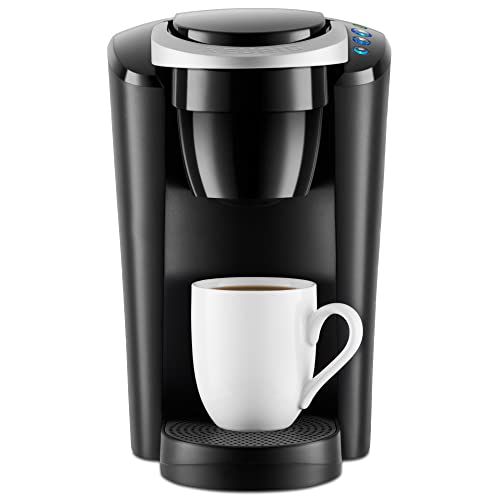
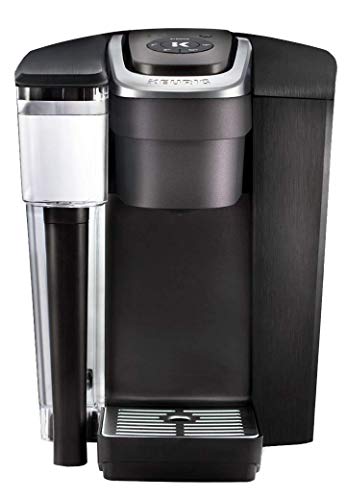
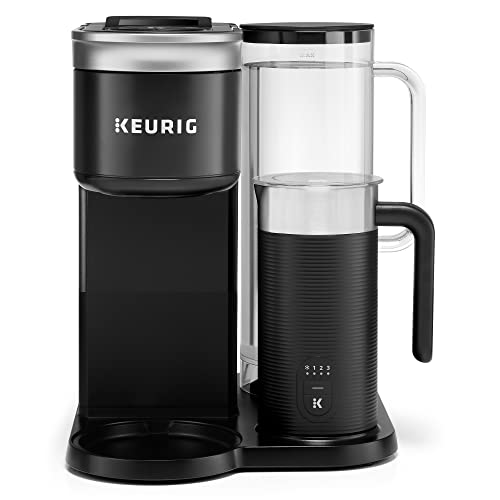
Office coffee has a way of exposing weak equipment fast. One person wants a full pot at eight in the morning, someone else wants a single cup at three, and nobody wants to be the one scrubbing a burnt carafe on a Friday. Choosing the best coffee maker for office use means thinking about shared habits, not just brew quality, and the comparison table below lays out the main types side by side so you can match a machine to your team.
This guide walks through the decisions that matter at work: how much coffee your team actually drinks, which carafe style survives shared use, how much cleaning people will realistically do, and what each budget level buys you.


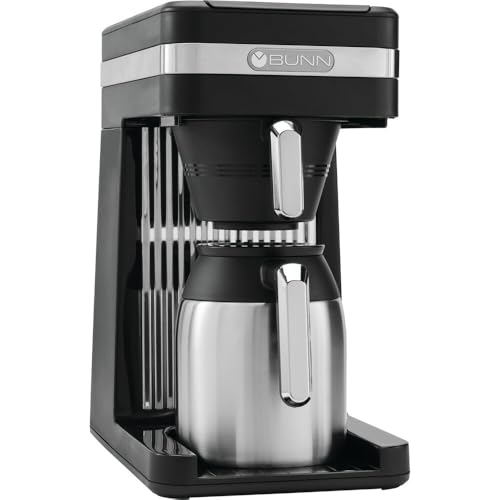

Quick Answer: What to Look For First
For most offices, a programmable drip machine with a 10 cup or 12 cup thermal carafe is the safest starting point. It brews a full batch before the first meeting, keeps coffee hot without a warming plate scorching it, and asks very little of the person who uses it. Small teams can do well with a compact 8 cup model, while busy break rooms serving twenty or more drinkers may need a 14 cup machine or a dual format brewer.
Whatever size you pick, three traits matter more in an office than at home: an auto shut off for safety, parts that rinse easily in a small sink, and controls simple enough that a new hire can brew a pot unaided.
Before You Buy: A Quick Checklist for Choosing an Office Coffee Maker
Size: Match It to Your Space and Your Team
Start with a head count of daily drinkers, not total staff. A team where six people each drink two cups needs roughly a 12 cup carafe once you allow for guests and mid morning top ups. Offices with only two or three drinkers are better served by a 5 cup or 8 cup machine, because coffee that sits for hours tastes stale no matter how good the brewer is. Single cup machines suit offices where everyone drinks at different times, though the cost per cup runs higher and the waste bin fills with pods.
Which Type Fits Your Routine
Standard drip machines are the workhorses of office coffee: cheap to run, easy to learn, and happy brewing for a crowd. Programmable models add a timer so the first pot is ready when the first person arrives, which quietly removes a daily friction point. Dual format brewers pair a full carafe side with a single cup side, a good answer when tastes split between pot drinkers and pod drinkers. If your team debates drip against espresso drinks, our comparison of coffee maker vs espresso machine explains the cost and effort gap before you commit the break room budget.
Features Worth Paying For, and Ones to Skip
A timer, an auto shut off, and a pause and pour feature that lets someone grab a cup mid brew are genuinely useful in shared spaces. A thermal carafe earns its price in offices where coffee sits between meetings. A built in grinder is worth considering only if someone will actually clean it; our guide to the best coffee maker with grinder explains the upkeep involved. You can usually skip milk frothers, hot water dispensers, and app controls in an office, since they add cost and cleaning while serving one person at a time. Quiet operation matters in small open plan offices, so look for insulated carafes and gentler pump designs if your desks sit near the kitchen.
Brew Temperature and SCA Certification
Good extraction happens when water reaches the grounds at about 195 to 205 degrees Fahrenheit. Cheaper machines often brew cooler, which leaves coffee tasting sour and thin even with fresh beans. The Specialty Coffee Association certifies brewers that hold the right temperature and saturate grounds evenly, a useful shortcut when you cannot judge a machine yourself. Stability also matters batch to batch: the third pot should taste like the first.
Water Reservoir, Filters, and Descaling
A removable reservoir is far easier to fill and rinse at a shallow office sink than a fixed one you fill with a jug. Check whether the machine uses paper filters, a reusable mesh filter, or charcoal water filters, and note how often each needs replacing, because those costs land on whoever manages supplies. Scale builds up faster in offices because the machine runs more cycles per week, so a descale alert saves arguments later. Hard water areas may need descaling every one to two months.
Counter Footprint
Break room counters compete with microwaves, kettles, lunch boxes, and the dish rack. A machine that is 14 inches deep can crowd out food prep space fast, so check the footprint with the lid open as well as closed, since top loading reservoirs need headroom at every refill. Compact models trade carafe size for a slimmer body, which suits a small office but not a busy shared kitchen. Confirm the cord reaches an outlet without crossing a walkway.
Realistic Budget Ranges
Basic drip machines under $50 cover small teams well and cost little to replace, though brew temperature and build quality vary. The about $50 to $100 range is where programmable timers, thermal carafes, and better temperature control become common, and it suits most offices. Spending about $100 to $200 buys stronger build quality, SCA certified brewing on some models, and dual format flexibility. Remember to budget for filters and descaler across the year, not just the machine itself.
Three Buying Profiles: Matching a Type to Your Office
Profile One: The Small Team That Brews Once or Twice a Day
If two to six people share your office and coffee happens at predictable times, prioritise a compact 8 cup or 10 cup programmable drip machine with a glass carafe and a warming plate that shuts off on its own. You do not need dual formats or a grinder. Spend the savings on decent beans and a spare carafe, because a cracked carafe is the most common reason small offices replace a machine early. This profile values a small footprint and the lowest possible cost per cup.
Profile Two: The Busy Shared Break Room
When fifteen or more people cycle through, capacity and durability come first. Look for a 12 cup or 14 cup brewer with a thermal carafe, a removable reservoir, and a brew strength control so both the early crowd and the afternoon crowd get coffee they like. A dual format model earns its place here if a vocal minority wants single cups. Sturdy controls with clear labels matter, because dozens of hands will use this machine weekly and nobody reads a manual in a break room.
Profile Three: The Long Term Investment for a Growing Office
If your team is growing and the machine will run three or more pots a day for years, prioritise temperature stability, SCA certification where available, and replaceable parts rather than a sealed design. A stainless steel body and a well made thermal carafe hold up to daily use and look professional when clients visit. The higher upfront cost spreads across thousands of pots, and consistent flavour keeps people from drifting to the coffee shop down the street.
How This Guide Weighs the Options
The recommendations above rest on five criteria: brew quality, temperature stability, ease of use for people with no training, cleaning and descaling effort, and build quality under heavy shared use. These draw on manufacturer specifications, brewing standards published by the Specialty Coffee Association, and patterns in verified buyer feedback about what breaks or frustrates people in workplaces.
Living With It: What Really Matters Day to Day
The best office machine is the one people treat well without being asked. That means a simple shared routine: rinse the carafe at the end of the day, empty the grounds basket, and leave the lid open so the reservoir can dry. Coffee quality at work depends as much on fresh beans and the right coffee to water ratio as on the machine, so keep a simple scoop measure by the brewer and store beans in a sealed container away from the microwave heat. If your office is comparing the wider category before narrowing down, the roundup of the best coffee maker options covers home and office picks together.
Taste disagreements are normal in shared spaces. A brew strength setting or a mid strength default bean keeps most people content, and a small notebook by the machine for supply requests prevents the classic problem of running out of filters on a Monday.
Common Buying Mistakes to Avoid
- Buying a huge 14 cup machine for a four person team, so coffee sits and stales while the carafe hogs the counter.
- Choosing a glass carafe with an always on warming plate for an office where pots sit for hours, which burns the coffee and wastes power.
- Ignoring who cleans the machine, so a grinder or frother model gets neglected and flavours turn stale within weeks.
- Forgetting supply costs, then discovering that pods or charcoal filters cost more per month than the machine did.
- Placing the brewer where the lid cannot open fully under cabinets, which makes every refill a spill risk.
Cost of Ownership and Care
Running costs stay modest for drip machines: paper filters cost a few cents each, descaler is inexpensive, and electricity for a few pots a day adds up to only a small monthly amount. Reusable mesh filters cut paper waste but need a rinse after every brew, which suits offices with a real sink. For step by step help, our walkthrough on how to clean a coffee maker covers daily rinses and deeper descale cycles. Wipe the exterior weekly, wash the carafe with warm soapy water, and replace charcoal water filters on schedule.
Your Questions, Answered
What makes a coffee maker brand reliable for office use?
Reliability in an office comes from simple mechanics, replaceable carafes, and widely available filters rather than from any single name. Brands earn their reputation when machines survive thousands of cycles and spare parts stay in stock for years. Look for a warranty of at least one year, clear descaling instructions, and a carafe you can order on its own. A model with fewer electronic extras also tends to fail less often under heavy shared use.
How do you clean a coffee maker in a shared office?
Assign the job on a rota so it actually happens: daily rinsing of the carafe and basket, a weekly wash with warm soapy water, and a descale cycle every one to two months depending on your water. Post a short note on the machine with the next descale date, because shared equipment fails when everyone assumes someone else handled it. Using filtered water slows scale and stretches the time between deep cleans.
Is a coffee maker worth it for a small office?
Yes, for most small offices a coffee maker pays for itself quickly. A team of five buying one coffee shop drink each per day spends more in a month than a decent machine, filters, and beans cost in a quarter. Beyond savings, having coffee on site saves the time lost on mid morning shop runs. The main exception is an office where only one person drinks coffee, where a single cup setup at that desk may make more sense.
How long does an office coffee maker last?
An office coffee maker typically lasts about three to five years, with heavier use pushing toward the shorter end. Machines that brew several pots daily wear pumps, seals, and heating elements faster than home machines that run once a day. Regular descaling is the single biggest factor in reaching the longer end of that range. When brew times stretch noticeably or temperatures drop, replacement is usually more sensible than repair for machines in this price class.
What should you look for in a coffee maker for office use?
Start with capacity matched to your daily drinkers, then check brew temperature, an auto shut off, and how easy the reservoir and carafe are to clean in your sink. A programmable timer and thermal carafe help most shared spaces. Also confirm the footprint fits your counter with the lid open. If your team mostly drinks drip coffee in batches, the guide to the best drip coffee maker types goes deeper on carafe and filter choices.
What is the best coffee maker for office teams overall?
For most teams it is a programmable 12 cup drip machine with a thermal carafe, because it balances capacity, flavour, safety, and almost no learning curve. Very small teams can step down to an 8 cup version and save counter space and money. Offices split between pot drinkers and single cup drinkers should look at dual format models instead. The right answer always follows your head count and cleaning routine more than any single feature list.
Final Thoughts
An office brewer succeeds when it fits the team size, the counter, and the cleaning habits of the people sharing it. Match capacity to real demand, insist on proper brew temperature and an auto shut off, and pick the carafe style your routine supports. Do that, and the best coffee maker for office life becomes the one nobody has to think about, because the product table above and the profiles in this guide point to a machine that simply works every morning. Prices and availability can change, so check the product page before ordering.