
Best Coast Rugs: A First Time Buyer's Guide for 2026
Disclosure: We may earn a commission when you buy through links on this page, at no extra cost to you. As an Amazon Associate I earn from qualifying purchases. Learn more

New to the best coast rugs? This first time buyer guide explains fibers, weave, size, backing, and care so you can choose a coastal rug with confidence.
A coastal style room should feel light, calm, and easy to live in, and the rug does most of that work. It sets the color palette, softens hard floors, and has to survive sand, sunlight, and damp air if your home sits anywhere near the water. If this is your first time shopping for the best coast rugs, the good news is that a few basics explain almost every price tag.
This guide walks from those basics through fibers, size, backing, and care, in plain language. Look at the comparison table below for shapes and price bands, then use the sections that follow to match a rug to your room, your floor, and your cleaning routine.

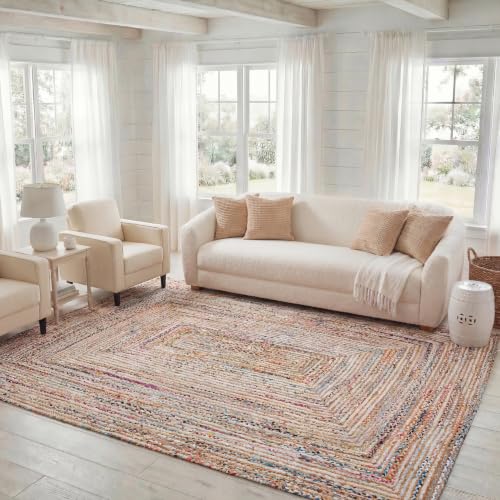
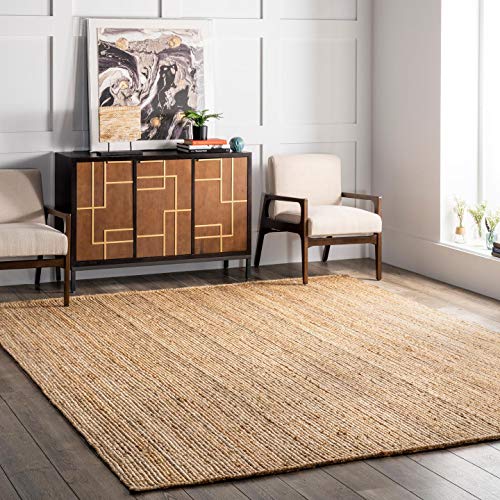


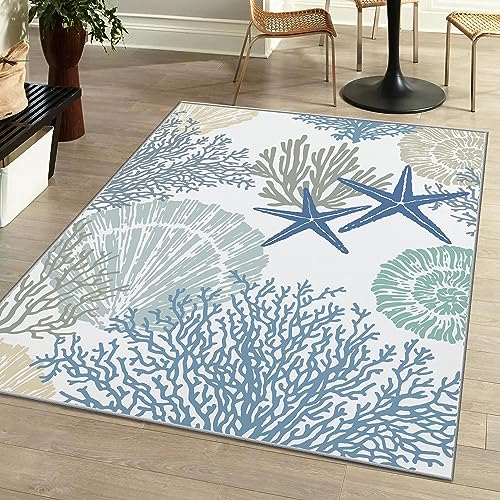
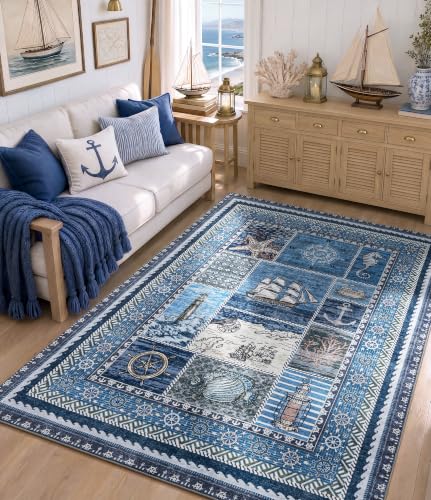

Coast Rugs 101: The Basics
A coast rug, more often called a coastal rug, is a rug designed around seaside colors and textures: soft whites, sand tones, weathered blues, and natural fibers that echo beach grass and driftwood. Patterns lean toward stripes, subtle waves, faded medallions, and simple solids with visible weave texture. The style is relaxed, but the construction still matters as much as in any rug. A coastal rug for a beach rental that hosts sandy feet every weekend needs a very different build from one in a quiet coastal themed bedroom inland.
Three terms unlock most listings. Pile is the surface fiber you walk on, and pile height shapes both comfort and cleaning. Flat weave rugs have almost no pile and clean easily. Low pile rugs balance softness with easy vacuuming. Backing is the underside layer that holds the weave together. A rug pad is a separate layer you place underneath for grip, cushion, and floor protection, and you should budget for one with almost every rug in this style.
Key Specs Explained in Plain English
Material and Fiber
Fiber decides how the best coast rugs feel, fade, and clean. Jute and sisal give the classic natural, textured look and handle dry grit well, but they dislike standing water and can stain in ways that are hard to reverse. Wool is soft, naturally resilient, and good at hiding soil, at a higher price. Synthetic fibers such as polypropylene are the practical champions near the coast: they resist moisture, clean with mild soap, shrug off sunlight, and suit indoor outdoor use. Cotton flat weaves are light and often washable in small sizes, but they wrinkle and wear faster in busy halls.
Color, Pattern, and Light
Coastal palettes hide some soils and show others. Pale sand and white tones hide beach sand beautifully but reveal muddy paw prints and drink spills. Mid tone blues and soft grays hide everyday dust better and still feel airy. Sunlight is the other force to plan for: strong sun through south facing glass can fade natural fibers unevenly, so a fade resistant synthetic or a rotation plan matters in bright rooms. Pattern scale should match room scale, with broad stripes and large motifs in open living rooms and finer patterns in small entries and baths.
Size and Pile Height
Measure before you fall in love with a color. In a living room, the front legs of sofas and chairs should sit on the rug, which usually means about 8 by 10 feet or larger. Dining rugs should extend at least 24 inches beyond the table on every side so chairs stay on the rug when pulled out. For pile, choose flat weave or low pile, roughly under half an inch, anywhere doors swing, chairs roll, or sand collects. Plush pile feels lovely in bedrooms but traps grit and holds moisture longer in humid homes.
Backing and Rug Pads
Backing and pads are unglamorous and essential. A quality pad stops sliding on wood and tile, adds cushion, and prevents the rough backing from scratching your floor finish. Felt and rubber pads grip best on hard floors, while thin rubber pads suit rugs under doors. Some coastal rugs come with a built in nonslip backing, which can be enough for small sizes in low traffic spots. For stairs and halls, grip is a safety issue, not a comfort extra, and our guide to the best rugs for stairs covers tread sizing and secure fitting in detail.
Certifications and Indoor Air
Labels can help you avoid harsh chemical finishes. OEKO TEX Standard 100 on a rug or its fibers means the item was tested for a set of harmful substances, which is a reasonable screen for homes with kids and pets on the floor. Low VOC claims matter most in small, closed rooms. Be skeptical of vague green language with no named standard behind it. Whatever you choose, air a new rug in a ventilated space for a day if it arrives with a strong packing smell, and vacuum it well before first use.
Durability and Care
Durability follows fiber and construction more than price. Tightly woven synthetics and wool handle traffic lanes, chair legs, and weekly vacuuming for years. Loose jute weaves can sprout broken fibers if a vacuum beater bar chews at them, so use suction only cleaning on natural flat weaves. Check the return window and any trial period before you buy, since color on a screen can shift a lot in real light. Washable rugs earn their keep in kitchens, entries, and rental homes, even if they feel a little thinner underfoot.
Cleaning gear matters too. Our guide to the best vacuums for rugs explains adjustable suction and brush settings that clean sand and pet hair without damaging natural weaves.
Rookie Mistakes to Avoid
- Buying too small: a small rug floating in the middle of a room makes furniture look stranded, so size up when you are between sizes.
- Putting jute in a damp spot: natural plant fibers and standing moisture are a poor match, so keep jute away from bath exits and leaky sliders.
- Skipping the pad: sliding rugs wrinkle, wear faster, and can cause falls, especially on polished wood and tile.
- Judging color on a phone screen: coastal blues and whites shift a lot under warm home lighting, so order a swatch or confirm free returns.
- Ignoring door clearance: a thick rug and pad under a swinging door will drag or block it, so measure the gap before you order plush pile.
Getting Started: Setup and First Use
When your rug arrives, unroll it in the room where it will live and let it relax for a day. Reverse rolling it for a few hours, or placing heavy books on stubborn corners, helps edges lie flat. Vacuum both sides once to remove loose fibers, which is normal shedding for many new rugs, especially wool and jute. Place the pad first, trim it about an inch smaller than the rug on every side, then center the rug and arrange furniture legs.
Know how for sandy homes: put a washable runner between the door and your main rug, and shake it outside often. That one habit keeps most grit out of the larger rug. For damp or below grade rooms, moisture changes the fiber advice, and our guide to the best rugs for basement spaces explains which materials tolerate humidity best. At entries, a tougher dedicated rug takes the first hit of sand and rain, as covered in our guide to the best entry rugs, which protects the softer rug inside.
FAQs
How often should I replace my coast rug?
Replace a coast rug when the pile stays flat, the backing cracks, or stains and fading survive a deep clean. In busy living rooms that is often about 5 to 8 years for synthetic and wool rugs, and sooner for light cotton weaves in heavy traffic. A rug in a guest room can last far longer. Rotating the rug twice a year evens out sun and traffic wear and can add years of good looks.
How do I wash coast rugs safely?
Start with the care label, since fibers differ sharply. Most synthetic coastal rugs clean well with cold water and a small amount of mild detergent, followed by thorough rinsing and flat drying. Small cotton rugs may fit in a washing machine on a gentle cycle. Keep jute and sisal away from soaking; blot spills fast, use minimal water, and dry quickly with airflow. Never fold a damp rug away, because trapped moisture invites mildew in coastal climates.
Are natural fiber coast rugs a good choice for a beach house?
They are a good choice for dry, covered areas of a beach house. Jute and sisal bring the exact texture the style is known for and they handle dry sand well with regular shaking and suction only vacuuming. Keep them out of bathrooms, kitchens, and spots below dripping swimsuits. If your household tracks in water daily, a synthetic rug woven to look like jute gives you the same mood with far easier care.
What size coast rug works best in an open living room?
Choose the largest size your furniture plan allows, commonly about 9 by 12 feet in open plans. At minimum, every front furniture leg should rest on the rug, with about 8 to 18 inches of bare floor between the rug edge and the walls. Tape the outline on the floor before ordering and live with it for a day. That simple step prevents the most common and most expensive sizing regret.
How can I stop a coast rug from sliding on wood floors?
Use a felt and rubber rug pad cut slightly smaller than the rug. The rubber side grips the floor and the felt side grips the rug, adding cushion at the same time. Clean dust from the floor before laying the pad, since grit reduces grip and can scratch finishes. Avoid cheap thin pads that bunch up, and skip adhesive tapes on fine wood, because some tapes leave residue that is harder to fix than the sliding was.
The Bottom Line
Match fiber to moisture, size to furniture, and pile to traffic, and a first coastal rug purchase becomes straightforward. Compare shapes and materials in the product table above, order with a pad in the same cart, and check the return terms before you commit. The best coast rugs for your home are the ones that keep that calm seaside feel while standing up to your sand, sun, and daily life, and shoppers who want to compare construction quality across styles can start with our guide to the best quality rugs for weave and backing benchmarks.


