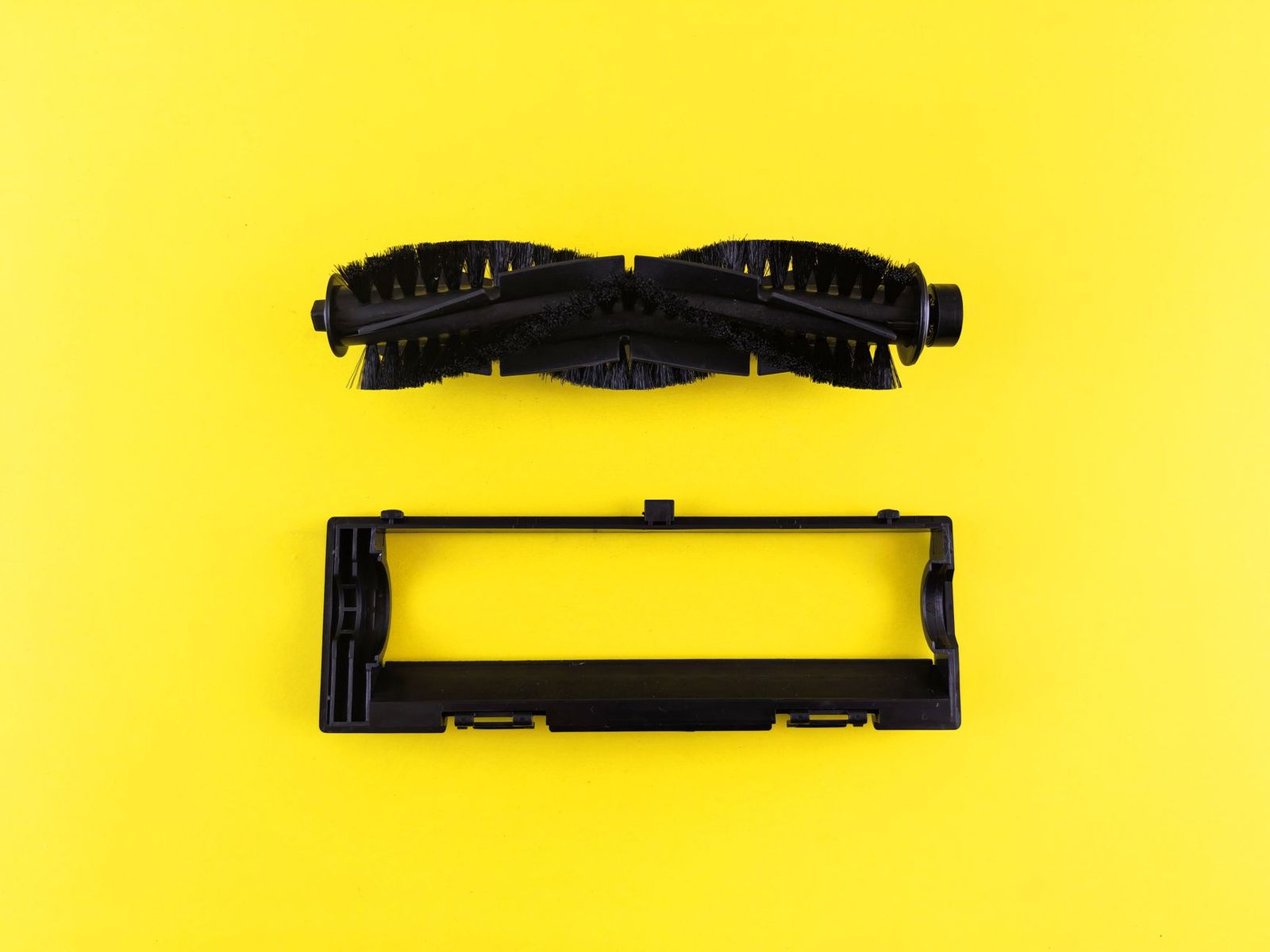
Best Closing Wheels for Planters 2026: Setup Guide
Disclosure: We may earn a commission when you buy through links on this page, at no extra cost to you. As an Amazon Associate I earn from qualifying purchases. Learn more

Choose closing wheels for planters with the right pressure, angle, and tread to close the seed furrow well in varied soil conditions across changing soils.
Good best closing wheels for planters decide whether seed ends up covered evenly or left exposed to dry air and birds. The closing system presses soil back over the furrow after the seed drops, and small differences in pressure, angle, and tread change emergence across a field. The comparison table below can help you compare wheel types before you change a setup that already works.
Soil condition drives the choice more than any catalog claim. Wet clay needs a wheel that crumbles and firms without smearing, while dry sandy soil needs gentle pressure that holds moisture without packing too hard. Check your current emergence first, because poor stands often come from depth or downforce problems rather than the closing wheels alone.
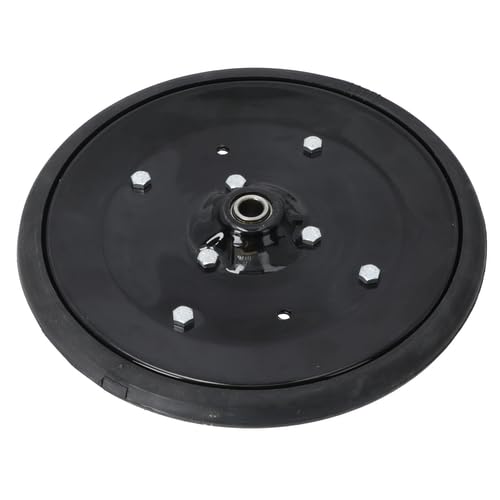
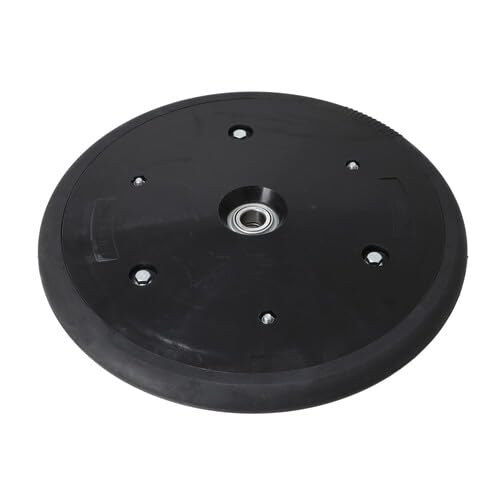
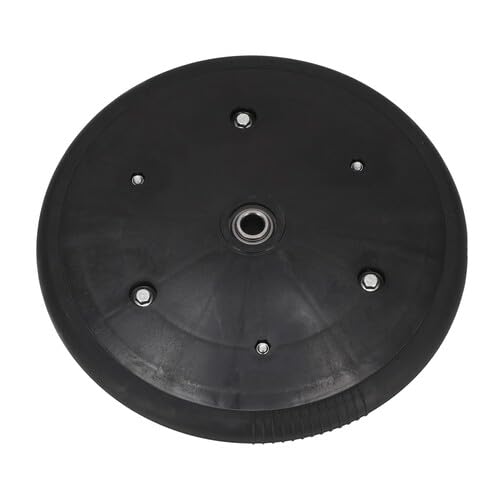

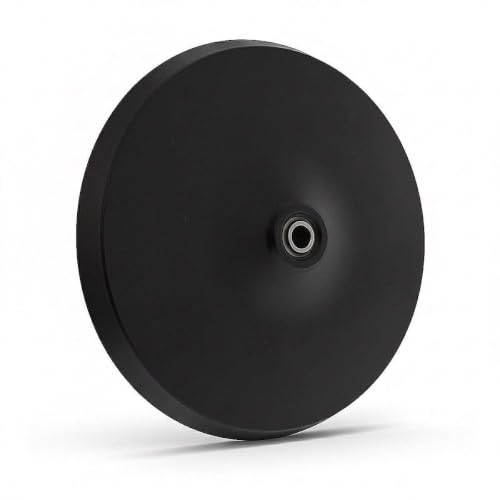

Who Should Buy New Closing Wheels
New closing wheels suit growers whose stands are patchy even when seed depth and spacing look right. If you see open furrows after planting, seeds sitting on the surface, or crusting that blocks emergence, the closing system is a likely suspect. High speed planting also stresses closing wheels, since less time and more soil throw make even coverage harder to achieve.
They are less useful if your main problem is depth control, worn openers, or poor downforce, since closing wheels cannot fix a furrow that was never cut well. Fix opener wear and row unit leveling first, then judge the closing system on its own. Small farms planting a few acres may also find that careful adjustment of the stock wheels beats buying new ones.
Key Features Worth Comparing
Wheel Type and Tread
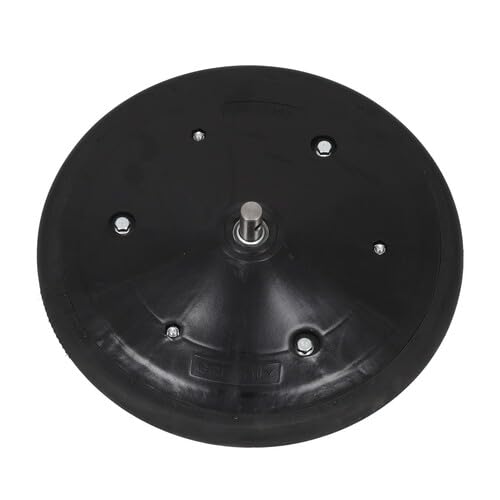
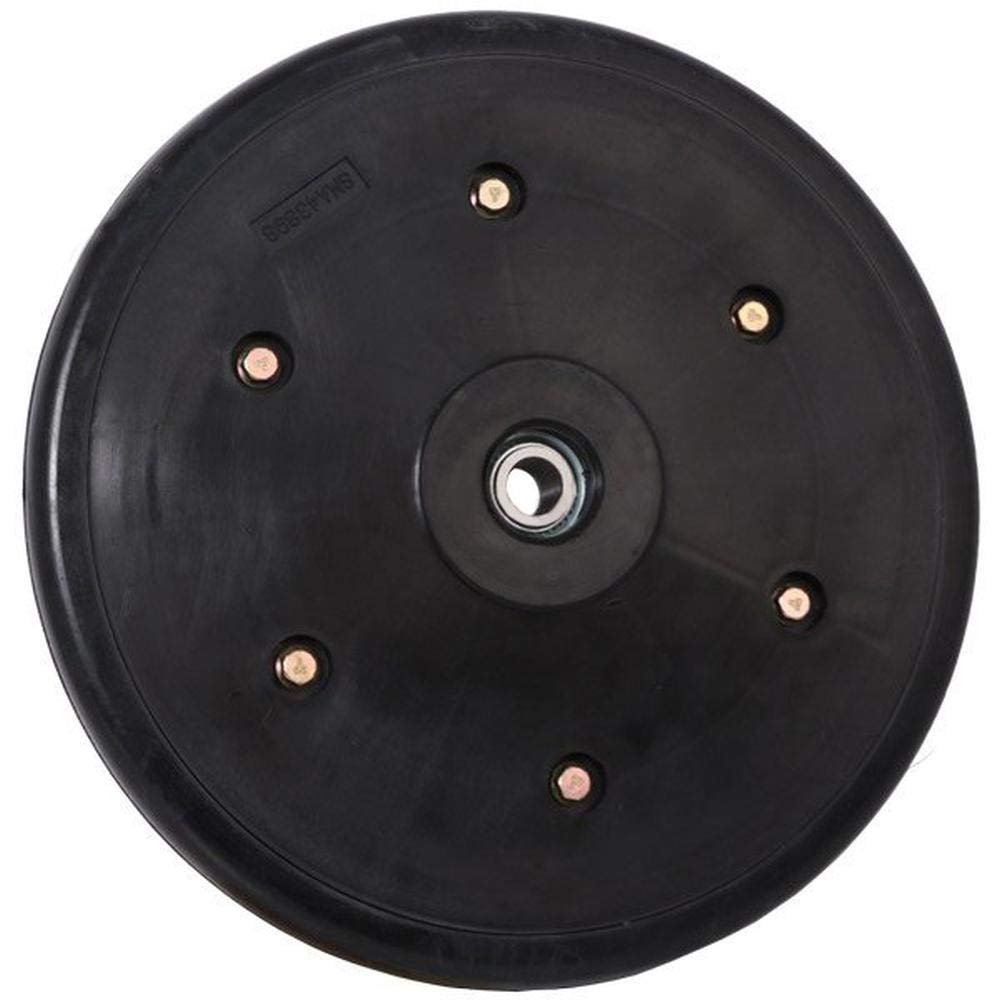
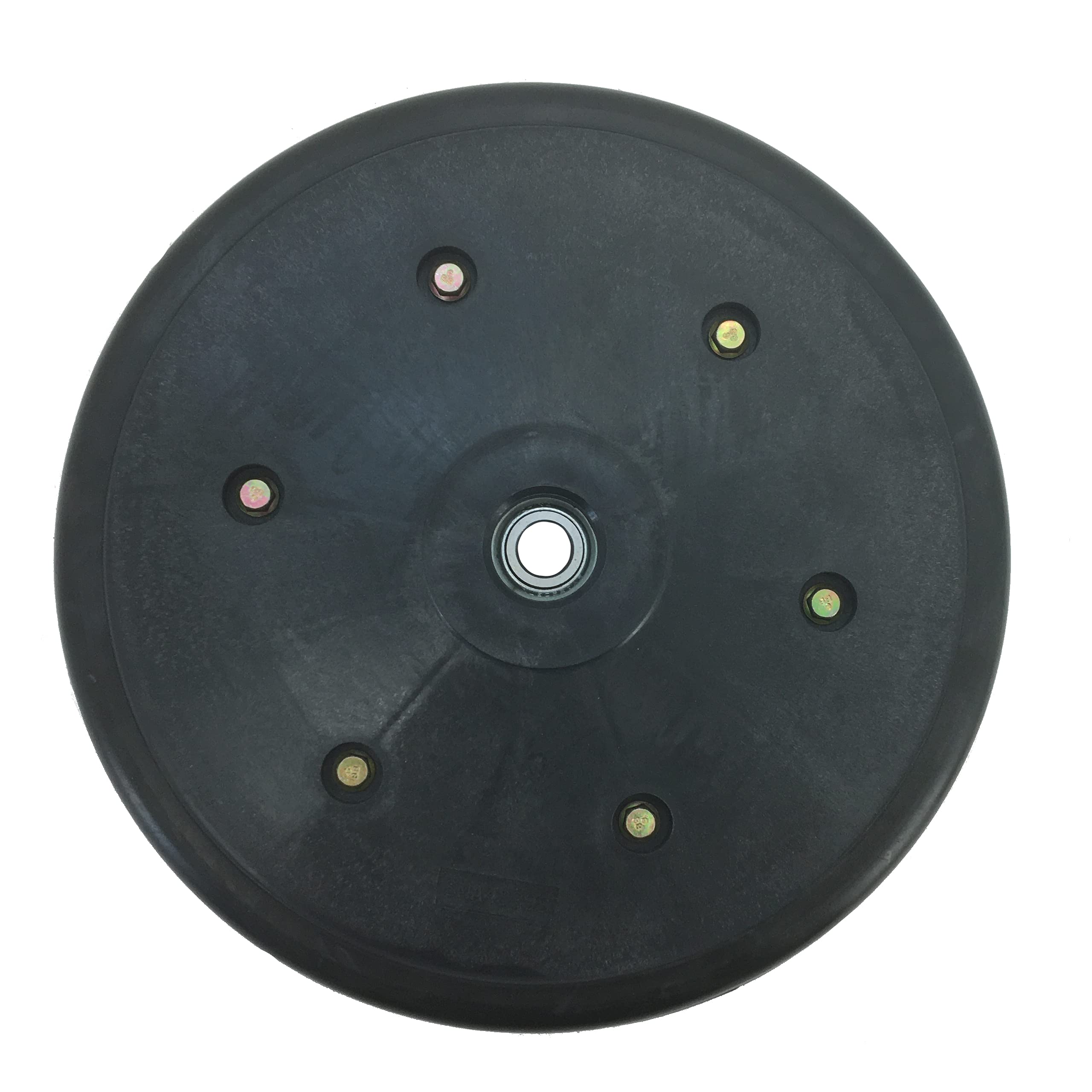
Smooth rubber wheels firm soil evenly and suit moist, well prepared seedbeds where crumbling is easy. Spiked or toothed wheels break up sidewall compaction and crumble clods, which helps in heavy or crust prone soils. Cast iron wheels add weight and firming force but can smear wet clay and increase wear on bearings. Some growers run one smooth and one spiked wheel, pairing firming with crumbling on the same row.
Pressure and Angle
Closing pressure must be firm enough to remove air pockets without packing soil so hard that seedlings struggle to emerge. Most systems let you adjust spring tension or air pressure, and small changes make a visible difference in the furrow. Wheel angle matters too, since angled wheels pinch soil toward the furrow center while straight wheels press straight down. Start with the maker setting for your soil, then change one variable at a time and check results.
Durability and Maintenance
Bearings fail first on most closing wheels, especially in dusty or wet conditions, so sealed bearings and greaseable hubs save time. Check wheel wobble and tread wear before each season, since a wobbling wheel leaves an uneven furrow. Rubber wheels crack with age and sunlight, so store the planter out of direct sun when possible. Keep spare bearings and bolts on hand during planting, because a failed wheel in season costs more in lost days than in parts.
Getting the Most From Your Setup
Try your closing setup in a short trial strip before planting the whole field, and dig behind the planter to check seed coverage. Look for seed covered by about the same depth of loose soil across the row, with no air pockets beside the seed. Adjust pressure in small steps and recheck after rain or a soil change, since morning damp soil behaves differently from dry afternoon soil. Record settings that work for each field, because memory fades by next season and good notes save trial time.
Mistakes to Avoid
The most common mistake is adding pressure until the furrow looks neat, which can seal the surface into a crust that seedlings cannot break. Another mistake is changing wheels, pressure, and angle all at once, so you never learn which change helped. Finally, do not judge emergence on one field alone, since soil, moisture, and residue vary widely. Compare strips side by side in the same field for a fair comparison of any new wheel.
Related Buying Guides
Readers comparing options may also find our guide to best closing wheels for high speed planters useful.
Living With a New Closing Setup
A new closing setup needs a season of observation before you judge it fairly, since soil and moisture vary too much for one field to tell the story. Keep a notebook of settings, soil types, and emergence results for each field, and compare strips side by side where possible. Patterns emerge over time, such as spiked wheels shining in heavy ground while smooth wheels suit kind seedbeds. Notes from this season save hours of trial next season and help you advise operators who plant after you.
Operators matter as much as wheels, since correct downforce, speed, and depth make closing work possible. Train everyone who plants to check furrows behind the planter and report open or crusted rows promptly. A quick stop to dig and look costs minutes but can save acres of poor emergence. Encourage operators to note field changes during the day, since morning damp soil and dry afternoon soil need different closing pressure.
End of season care protects your investment, since bearings, rubber, and springs suffer from dust, moisture, and sun. Grease bearings before storage, check rubber for cracks, and store the planter under cover where possible. Replace worn parts in winter when dealers have stock and time, rather than during the planting rush. A closing system maintained through winter starts spring ready and reliable.
A Final Check Before You Order
Before ordering new wheels, confirm your row unit model and axle size, since closing wheels vary by planter brand and year. Check bearing type and whether spares are easy to obtain locally during planting season. Compare wheel weight as well, since heavy wheels add firming force but also wear bearings faster. Ask dealers about trial options or neighbor experience in similar soils, since local knowledge beats catalog claims.
Match wheel type to your dominant soil rather than to a single difficult field, since most acres decide the value of the purchase. If your soils vary widely, a mixed setup with one spiked and one smooth wheel may suit you better than a single type. Consider pressure adjustment range too, since a system that adjusts easily gets adjusted often, while a fiddly system stays at one setting all season. Flexibility in the field matters more than a perfect catalog spec.
Budget for bearings, bolts, and fitting time alongside the wheels themselves, since these small costs surprise buyers who price wheels alone. Check whether fitting needs special tools or dealer help, and schedule fitting before planting rather than during it. Keep old wheels as spares if they still function, since a spare set in season can rescue a planting day. A complete budget and fitting plan turns a parts purchase into a reliable upgrade.
Frequently Asked Questions
What do closing wheels do on a planter?
Closing wheels press soil back over the seed furrow after the seed drops, removing air pockets and giving the seed steady contact with moist soil. Without good closure, seed can dry out, sit exposed, or emerge unevenly across the field. Different wheel types firm, crumble, or pinch soil in different ways, so the right wheel depends on your soil and moisture. Check behind the planter by digging gently, since the surface can look closed while air pockets remain beside the seed.
Should I use spiked or smooth closing wheels?
Smooth wheels suit moist, well prepared seedbeds where soil crumbles easily and firming is the main need. Spiked or toothed wheels suit heavy, cloddy, or crust prone soils, since they break sidewall compaction and crumble lumps. Some growers run one of each, combining firming on one side with crumbling on the other. Try both in a trial strip in your own soil, because soil type and moisture change the result more than any general rule.
How much closing pressure should I use?
Use enough pressure to remove air pockets and give firm seed to soil contact, but not so much that the surface seals into a hard crust. Start with the maker setting for your soil type, then adjust in small steps and dig behind the planter to check coverage. Wet clay needs less pressure than it first appears, while dry sandy soil may need a little more to hold moisture. Recheck after rain or a soil change, since the same setting behaves differently across a day.
Can closing wheels fix poor emergence alone?
Closing wheels help only when the furrow itself is cut well, so they cannot fix worn openers, wrong depth, or poor downforce. Check seed depth and spacing first, and make sure row units run level before blaming the closing system. If depth and spacing look right but furrows stay open or crust over, closing wheels are a likely fix. Judge any change with side by side strips in the same field for a fair comparison.
How often should closing wheels be replaced?
Closing wheels last many seasons when bearings stay tight and tread stays even, though rubber ages and cracks with sun and time. Check for wobble, flat spots, and cracked rubber before each season, and replace bearings at the first sign of roughness. A wobbling or worn wheel leaves uneven furrows that cost emergence across every acre it plants. Keep spares during planting season, since a failed wheel costs far more in lost planting days than in parts.
Final Thoughts
The right closing wheel is the one that leaves seed covered evenly in your soil, without crusting or air pockets. Smooth wheels suit kind seedbeds, spiked wheels suit heavy soils, and careful pressure adjustment matters more than wheel price. Use the product table above to compare wheel type, pressure adjustment, and bearing design.
Try changes in trial strips, dig behind the planter, and keep notes on what works field by field. With a sound setup, best closing wheels for planters quietly turn good seed placement into even, vigorous stands.