Best Chukka Boots for Winter of 2026: Complete Buying Guide
Disclosure: We may earn a commission when you buy through links on this page, at no extra cost to you. As an Amazon Associate I earn from qualifying purchases. Learn more

Learn how to choose the best chukka boots for winter, from waterproof leather and insulation to lug traction, roomy fit, and care that handles salt and slush.
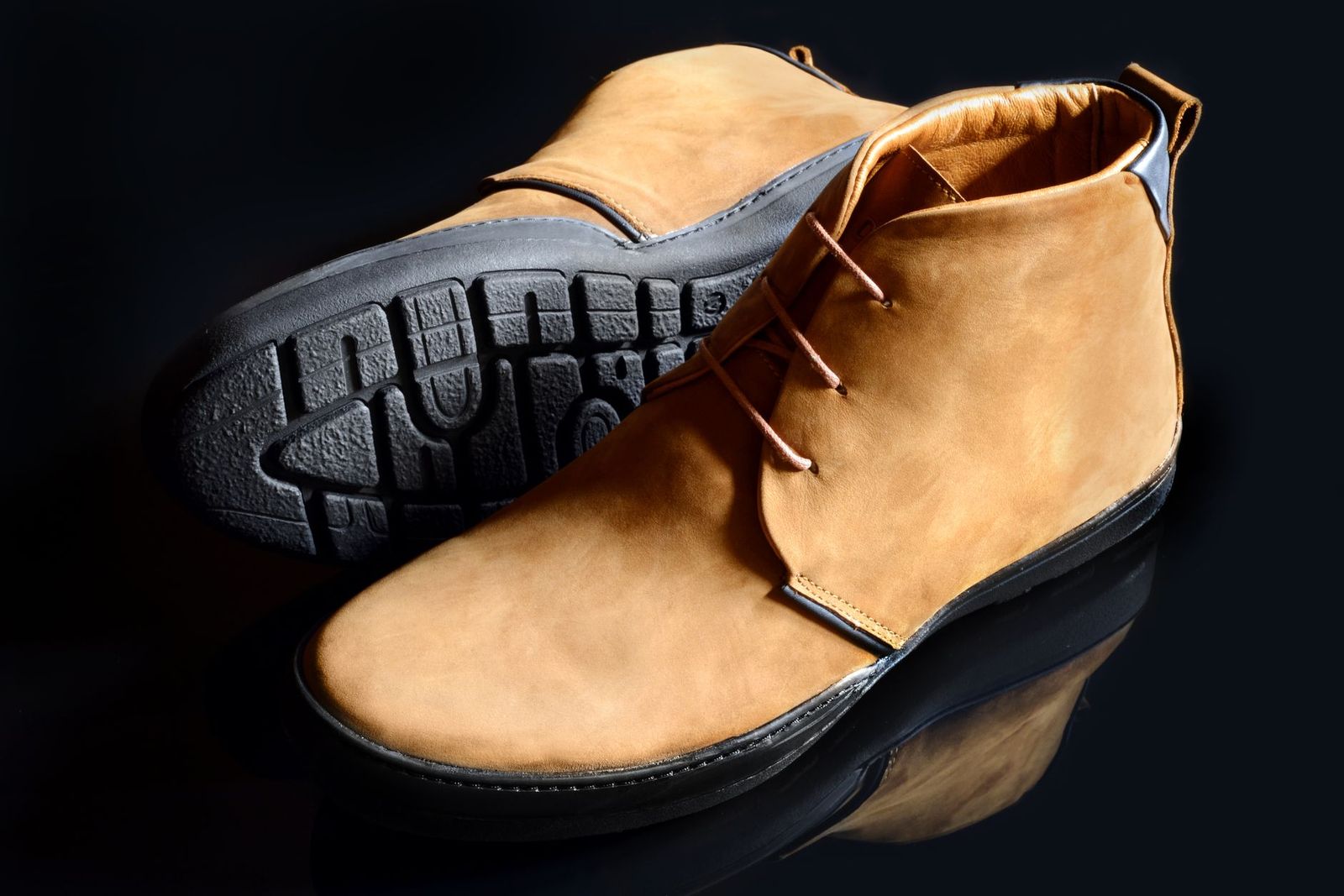
A classic chukka looks simple, but winter changes the job completely. The suede desert style can soak through in slush, and a smooth crepe sole can skate on an icy sidewalk. Choosing the best chukka boots for winter means keeping the clean ankle height shape while upgrading the leather, lining, and outsole for cold streets.
This guide walks through fit, waterproofing, insulation, and traction in plain terms, so you can match a pair to your climate and commute. Use the comparison table below to line up the features that matter most.




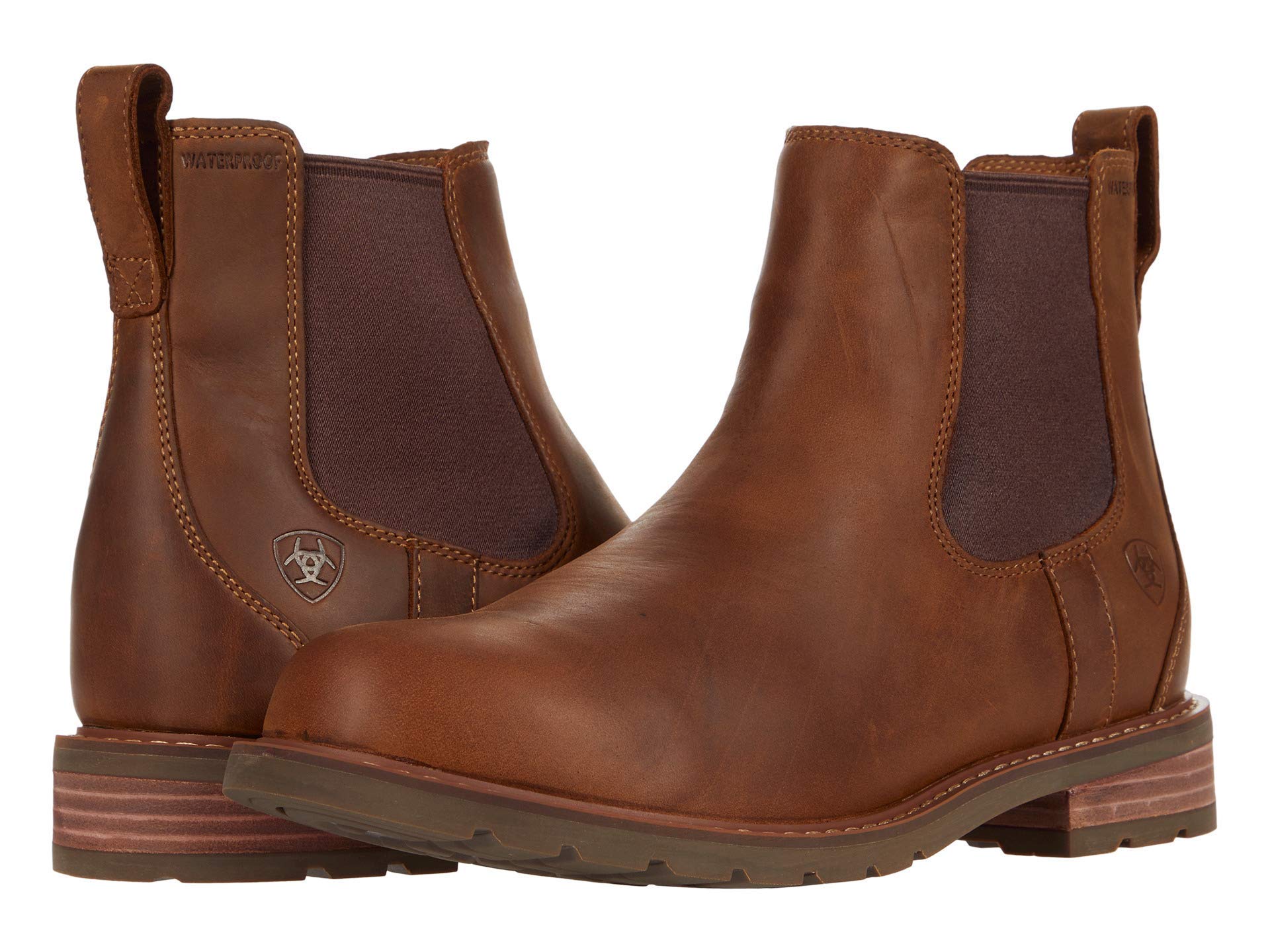
Who Should Buy Chukka Boots for Winter Wear
Winter chukkas suit people who want more warmth and grip than a shoe offers, without the bulk of a tall snow boot. Your daily distance, the snow you walk through, and how formal your clothes need to look will decide whether this style is enough.
Daily Commuters Who Dress Up a Little
You walk from a train platform or parking lot to an office, and you need boots that look right with chinos or wool trousers. A waterproof leather chukka in dark brown or black bridges casual and polished better than a chunky snow boot. If you shop specifically in mens sizes and styles, see our guide to the best men's winter chukka boots for fit and finish choices.
Travelers Who Pack One Pair of Boots
One pair has to handle airport lines, cobblestone streets, light snow, and dinner out. A lined leather chukka packs flatter than a tall boot and weighs far less in a suitcase. Choose a lug sole version with a cushioned insole, because tired feet feel every cobblestone. This group also benefits from a versatile, casual look, similar to the styles covered in our guide to the best winter boots for guys.
Drivers and Town Walkers in Light to Moderate Snow
If your snow gets cleared quickly and you mostly walk plowed sidewalks and wet parking lots, a winter chukka gives you enough grip and coverage. For uncleared driveways or snow above the ankle on a regular basis, step up to a taller boot from our guide to the best winter boots instead, because a chukka shaft ends too low for deep drifts.
How to Choose Chukka Boots for Winter: A Buying Guide
The product table above lists lining, leather, and sole details side by side, and those three areas decide most of your comfort. That balance is what separates the best chukka boots for winter from a fair weather desert boot. Work through the six factors below before you worry about color.
Waterproofing and Insulation That Suit Real Winter
Look for full grain leather with sealed seams or a waterproof membrane such as Gore Tex inside the boot. A membrane blocks slush while letting some moisture vapor escape, so the boot stays breathable enough for indoor wear. Insulation should match your climate, since a thin fleece lining suits a mild winter, while a thicker wool blend lining earns its place where temperatures sit below freezing for weeks.
Fit, Sizing, and Toe Box Room for Thick Socks
Measure and try boots late in the day, when your feet are at their largest, and wear the socks you plan to use all winter. The toe box needs enough width and height for a thick wool sock without pressing on your toes, because squeezed toes feel cold faster. If you are between sizes, choose the larger one and adjust with an insole rather than cramping the forefoot.
Outsole Traction and Terrain
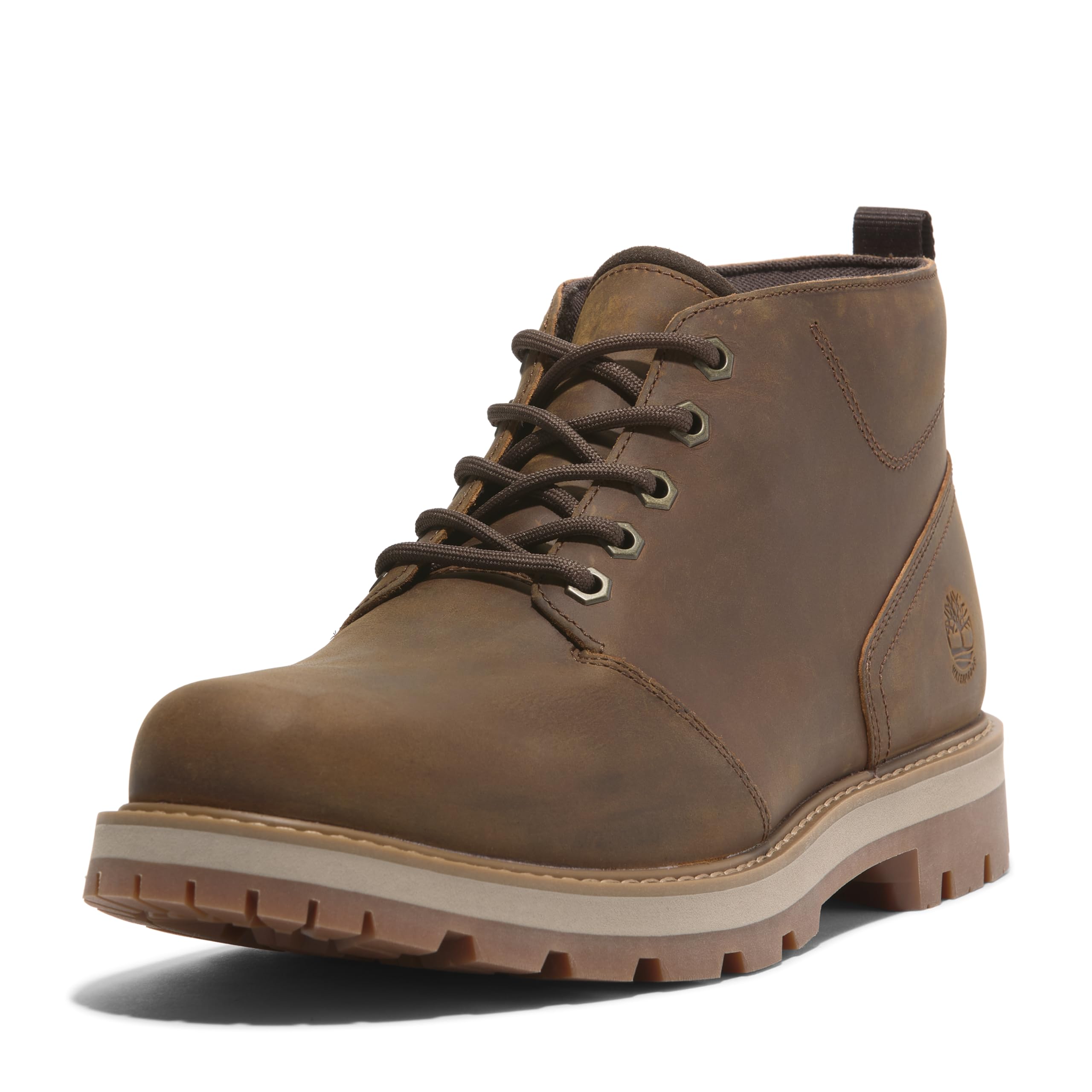
The outsole is where winter chukkas differ most from the classic style. Traditional crepe rubber feels soft and quiet, but it can turn slick on ice and packed snow once it gets cold. A lugged rubber outsole grips plowed sidewalks, wet leaves, and light snow far better. Check that the heel base is broad too, because a narrow dress heel gives you less stability on a frozen curb.
Durability and Expected Lifespan
Stitching quality and sole construction decide how many winters a pair lasts. A welted or strongly cemented sole, dense leather, and metal eyelets all point to a boot built for daily use. With normal town wear and basic care, a well made leather chukka often serves for several winters, and a resole can extend that life further. Thin fashion suede and glued thin soles signal a much shorter run.
Arch Support and Foot Type
Most chukkas are neutral shoes at heart, with a flat, simple insole and no built in motion control. That neutral platform works well for average arches, and it leaves room to swap in your own supportive insole if you have flat feet or high arches. Heel to toe drop is modest, thanks to a low stacked heel, so your stance feels close to a regular shoe. If you stand on concrete all day, prioritize a cushioned, removable insole.
Break In Period and Comfort Out of the Box
Stiff full grain leather usually needs a gradual break in, so wear new boots around the house and on short errands before a long commute. The leather softens across the toes and around the ankle within the first week or two of regular use. Padding at the ankle collar reduces the sore spots that show up while the upper is still firm.
Types of Winter Chukka Boots
Winter chukkas fall into a few clear families, and naming them helps you filter the product table above quickly. Think about your coldest typical day, not your single worst storm.
Waterproof Leather Boots With a Membrane
This is the most versatile winter option, pairing smooth leather that sheds snow with an inner membrane that stops soak through at the seams. It handles slush and rain while looking tidy at work. The trade off is warmth, since most membrane styles carry only light lining, so very cold regions may still call for an insulated pair.
Insulated Chukka Boots for Colder Climates
Insulated versions add a warm lining through the shaft and underfoot, which keeps feet comfortable during longer waits outside. They feel bulkier than unlined pairs and can run hot indoors. If your winter means short drives between warm buildings, a lightly lined boot from our guide to the best boots men winter styles may suit you better.
Lightweight Chukka Boots for Mild Winter Days
Lightweight designs borrow the easy feel of lightweight shoes, using thinner leather, flexible soles, and minimal lining to keep each boot close to a sturdy shoe in weight. They shine for travel, driving, and cities where winter means cold rain more than snow. You give up deep cold protection, so treat them as a mild climate choice.
Suede Chukka Boots and Their Limits in Snow
Suede looks soft and casual, and a treated suede upper can shrug off light moisture for a short walk. Repeated slush, road salt, and soaking rain stain and stiffen suede faster than smooth leather. Many suede chukkas also keep the smooth crepe sole of the desert original, which limits grip. Choose suede for dry cold days, and keep a smooth leather pair for messy weeks.
Tips to Get the Most From Your Chukka Boots
- Pair boots with wool or wool blend socks, since wool keeps insulating when damp, unlike cotton, which feels clammy in cold weather.
- Rotate two pairs if you wear chukkas daily, giving each pair a full day to dry between wears.
- Lace firmly through every eyelet on longer walks, which keeps your heel seated and cuts rubbing at the ankle.
- Apply a waterproof treatment before the first wet week of the season, not after the leather has soaked through once.
- Keep a spare pair of shoes at work if your commute crosses deep slush, so your boots can dry slowly.
Common Mistakes to Avoid
- Buying your summer shoe size without trying thick socks, which leaves toes cramped and cold on the first long walk.
- Choosing a smooth crepe sole for icy sidewalks, which turns a short crossing into a genuine slip risk.
- Wearing untreated suede through slush and road salt, which leaves permanent stains and stiff, rough patches.
- Expecting an ankle height shaft to handle deep snow, which lets snow spill over the top and soak your socks.
- Drying wet boots on a radiator or vent, which cracks leather and weakens the glue that holds the sole.
- Judging warmth by lining thickness alone, which ignores fit, sock choice, and time spent standing still outside.
How to Make Your Chukka Boots Last Longer
Salt is the main enemy of winter leather. Brush off dry salt and dirt after a wet day, then wipe the uppers with a slightly damp cloth to lift the white residue before it dries into the grain. Let boots air dry at room temperature with cedar trees inside to draw out moisture, away from direct heat.
Condition smooth leather once it looks dry or dull, so the hide stays supple through freeze and thaw cycles. For suede pairs, use a suede brush and a protector spray at the start of the season. Check soles each autumn for worn lugs at the heel, since a resole costs far less than a new boot. Store boots upright with trees inside during the off season so the shaft keeps its shape.
Frequently Asked Questions About Winter Chukka Boots
What features matter most in chukka boots for winter?
Waterproof leather or a membrane, a lugged rubber outsole, and enough lining for your climate matter most in winter chukka boots. Those three decide whether your feet stay dry, planted, and warm on a normal commute. After them, check the gusseted tongue, since a tongue joined to the upper keeps slush and grit from slipping in beside the laces.
How long does the break in period for winter chukka boots last?
The break in period for winter chukka boots usually lasts about one to two weeks of regular short wear. Stiff leather softens fastest across the toe crease and around the ankle, so start with errands before a full day of walking. If a spot still rubs after two weeks, the issue is more likely fit than stiffness, and a thicker sock will not fix a boot that is simply too narrow.
Do winter chukka boots need to be waterproof?
Yes, winter chukka boots should be waterproof if you walk through slush, melting snow, or cold rain with any regularity. Dry cold regions with mostly clear sidewalks are the main exception, where a water resistant treatment may be enough. Waterproofing also protects the leather itself, because repeated soaking and drying makes unprotected uppers crack well before the sole wears out.
Are expensive winter chukka boots worth the extra cost?
Expensive winter chukka boots can be worth it when the extra cost buys thicker leather, a resole ready construction, and a genuine membrane rather than a sprayed coating. Many well built options for daily town wear cost around $180, while higher prices often pay for finish and brand.
How often should winter chukka boots be replaced?
Winter chukka boots should be replaced when the outsole lugs wear smooth at the heel or ball, the lining tears, or the upper cracks despite regular conditioning. A useful early warning sign is new heel slip that lacing cannot fix, which often means the heel counter has softened and no longer holds your foot securely.
How should winter chukka boots fit with thick socks?
Winter chukka boots should fit with a thumbs width of space ahead of your longest toe and no pinching across the forefoot in thick socks. Your heel should stay seated as you walk, with only slight movement on the first wears. Try boots on carpet and walk down stairs if you can, because toes that tap the front on a descent will ache on hilly streets.
Final Thoughts
Start with the sole and the leather, then check lining against your real temperatures, and only then choose a color. A lugged outsole, waterproof upper, and a toe box with sock room cover the needs of most commuters and travelers, and the product table above makes those details easy to compare. When those basics line up, the best chukka boots for winter feel like the pair you reach for every cold morning.