Best Chronometer Watches 2026: A Practical Buying Guide
Disclosure: We may earn a commission when you buy through links on this page, at no extra cost to you. As an Amazon Associate I earn from qualifying purchases. Learn more

The best chronometer watches combine certified accuracy with a style and size you enjoy. Compare movement types and service needs.
Choosing the best chronometer watches starts with understanding certification, because the term refers to certified accuracy rather than a style. A chronometer movement has passed strict timing trials in several positions and temperatures. That certification gives buyers a useful signal of precision, though it does not guarantee that every daily wear experience will feel identical.
The comparison table below gives a quick side by side view of the main movement types and price ranges to compare. Use it with the guidance in this article to match a watch to daily wear, dress use, or collecting. Think about service costs too, since mechanical watches need periodic maintenance to stay accurate.

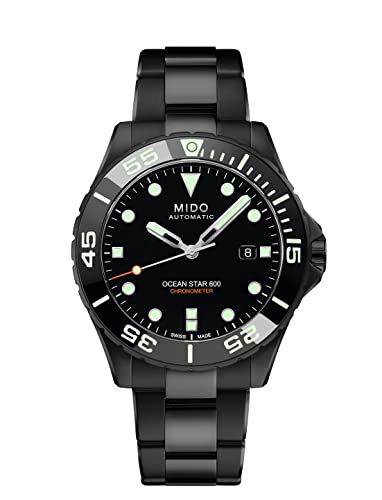

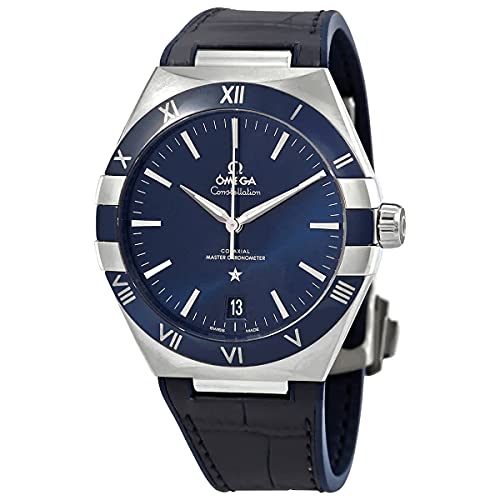


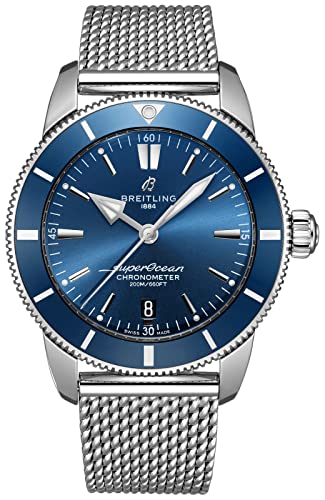

What Chronometer Certification Means
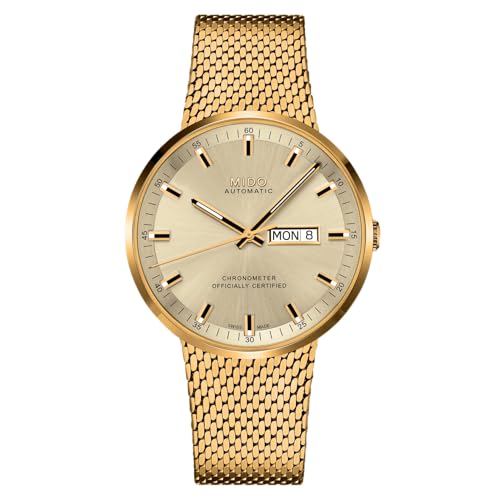
Chronometer certification usually comes from an independent certification body that checks a movement over many days in different positions and temperatures. The movement must stay within a narrow daily rate range to pass. Certification applies to the movement, not to the finished watch case alone, so check paperwork carefully.
Daily accuracy in real life can differ from certification results, since wrist movement, temperature, and resting position all affect rate. A certified watch that runs a few seconds fast or slow per day is still performing well for a mechanical timepiece. Quartz chronometers offer even tighter accuracy, but with a different feel and service pattern.
Certification documents and serial numbers help verify authenticity, especially for pre owned watches. Keep papers and service records together, since they support value and future servicing. If papers are missing, a reputable dealer inspection can still confirm movement type and condition.
Mechanical Versus Quartz Chronometers
Mechanical chronometers appeal to collectors and enthusiasts who enjoy traditional movements and sweeping seconds hands. They need winding or wrist movement to run, and they benefit from regular service every few years. Mechanical watches also gain character over time as cases and straps show wear.
Quartz chronometers offer very high accuracy with low maintenance and a lower service cost. They suit daily wear, travel, and users who want precise time without winding routines. Battery changes are simple, though water resistance should be checked after any case opening.
Hybrid and solar quartz options combine accuracy with long battery life and less frequent service. Choose by how you value tradition, accuracy, and maintenance, rather than by certification alone. A watch you enjoy wearing daily is better than a certified piece that stays in a box.
Choosing by Style, Size, and Wear
Case size should suit your wrist and sleeve, with most adults comfortable at about 38 to 42 mm for daily wear. Larger cases suit sporty styles, while smaller cases suit dress watches and smaller wrists. Try watches on when possible, and check lug to lug length as well as case diameter.
Dial readability matters for daily use, so look for clear hands, good contrast, and a date window that does not crowd the dial. Luminescent markers help in low light, though brightness varies by model. A sapphire crystal resists scratches better than mineral glass and suits daily wear.
Strap and bracelet choice affects comfort and style, with metal bracelets offering durability and leather straps offering a classic dress look. Rubber straps suit sport and water use, while fabric straps offer light weight and easy cleaning. Make sure the strap or bracelet can be adjusted or replaced by a watchmaker if needed.
Budget, Service, and Buying Tips
Certified chronometer watches from established makers usually start at around $1,500 and rise steeply from there, with a few inexpensive quartz watches carrying the chronometer name at a much lower price. Compare movement, case material, crystal, and water resistance rather than certification alone. A well made non certified watch can also keep good time, so certification is one factor among many.
Service costs for mechanical watches include cleaning, lubrication, and regulation, and should be budgeted every few years. Quartz service is simpler, but water resistance checks still matter after battery changes. Ask about service intervals and local watchmaker availability before buying a mechanical model.
Buy from authorized dealers or reputable pre owned sellers with return policies and authenticity checks. Inspect the watch for case wear, strap condition, and movement function on arrival. Keep papers, boxes, and receipts together, since they support warranty claims and future resale value.
Related Choices Worth Comparing
General quality comparisons can help you judge cases, crystals, and movements, and our guide to best quality watches covers those basics for many price ranges.
Budget focused buyers can explore certified options within a firm ceiling in our guide to best chronometer watches under 1000.
Living With a Mechanical Watch
Wear a mechanical watch regularly if you want it to stay wound, or use a watch winder for models you rotate often. Daily wear keeps lubricants distributed and helps you notice rate changes early. If a watch sits unused for months, wind it gently and check accuracy over a few days before relying on it.
Set the time and date carefully, avoiding date changes during the maker recommended hours when the mechanism is engaged. For most watches, that window falls late at night, though exact hours vary by movement. A gentle habit protects the date mechanism and reduces service needs over time.
Store watches in a dry case away from magnets, strong shocks, and direct sunlight when not in use. Keep straps clean and dry, especially leather straps that can stiffen with moisture. A simple storage routine protects both the movement and the appearance of a watch you plan to keep for years.
Understanding Watch Accuracy in Daily Life
Mechanical watches gain or lose a few seconds per day depending on position, temperature, and activity level. Resting a watch face up, face down, or on its side overnight can change its rate slightly, which is normal for mechanical movements. Tracking rate over a week gives a better picture than checking a single day.
Temperature also affects lubricants and balance springs, so a watch may run slightly differently in summer heat and winter cold. Avoid leaving a mechanical watch in a hot car or near a radiator, since extreme heat can affect accuracy and strap condition. Normal daily temperature changes cause only small variations.
For travel across time zones, a watch with a quick set hour hand makes adjustment easy without stopping the movement. Learn your model adjustment method before a trip, so you can change zones confidently at an airport. A well understood watch becomes a reliable travel companion rather than a source of confusion.
A Final Note on Everyday Accuracy
Check your watch against a reliable time source once a week, noting whether it gains or loses time over several days. A consistent pattern helps a watchmaker regulate the movement more accurately than a single day reading. Regular checks turn accuracy from a mystery into a simple habit that keeps your timepiece performing well.
Frequently Asked Questions
What does chronometer mean on a watch?
Chronometer means the movement passed independent timing trials in several positions and temperatures over many days. The trials check daily rate accuracy within a narrow range. Certification applies to the movement, not just the case or dial design. It signals careful regulation and certification, though real world accuracy still varies with wear and temperature.
Are chronometer watches more accurate than regular watches?
Certified chronometers are held to tighter standards than many regular movements, so they often keep better time. Quartz chronometers are more accurate still, with very small daily errors. Mechanical chronometers may still run a few seconds fast or slow per day, which is normal. Regular service helps a mechanical watch stay close to its certified performance.
Do chronometer watches need special service?
Mechanical chronometers need periodic service for cleaning, lubrication, and regulation, usually every few years. Quartz models need battery changes and water resistance checks after case openings. Keep service records, since they support accuracy and value. A local watchmaker can often service common movements, while rare movements may need a specialist.
Is a chronometer watch worth the extra cost?
Certification adds certification cost, so certified watches often cost more than similar non certified models. The value depends on how much you prize certified accuracy and traditional craftsmanship. For daily wear, a well made watch without certification can also perform well. Choose certification when precision, papers, and collecting value matter to you.
How do I verify a chronometer watch is genuine?
Check certification papers, serial numbers, and movement markings against maker records when possible. Buy from authorized dealers or reputable pre owned sellers with return policies. Inspect case, dial, and movement for consistent finishing and correct logos. A dealer inspection can confirm authenticity when papers are missing or incomplete.
Final Thoughts
Choose a chronometer by movement type, case size, and service needs, not by the label alone. The product table above can help you compare mechanical and quartz options side by side. A watch that fits your wrist, reads clearly, and suits your maintenance habits will serve you best.
With careful buying and regular service, a certified timepiece can offer reliable daily accuracy and lasting enjoyment, making it a strong match for the best chronometer watches. Keep papers and service records together, and enjoy a watch that combines certified precision with personal style.