Best Chronograph Watches under 5000 in 2026: Which Type Is Right for You?
Disclosure: We may earn a commission when you buy through links on this page, at no extra cost to you. As an Amazon Associate I earn from qualifying purchases. Learn more

Compare the best chronograph watches under 5000 by type, with the strengths, ideal users and price range of each.
Spending up to $5000 on a chronograph puts respected automatic movements, fine case finishing, and long ownership within reach, which makes the choice harder, not easier. Dive style pieces, classic automatics, and premium smartwatches all compete here with very different strengths. This guide to the best chronograph watches under 5000 compares the types plainly, so you can commit to a direction before you fall for a dial.
Start with the comparison table below for a sense of the range, then use the sections that follow to compare each type against your wrist, your water exposure, and your tolerance for upkeep. The right type makes every later detail easier to judge.




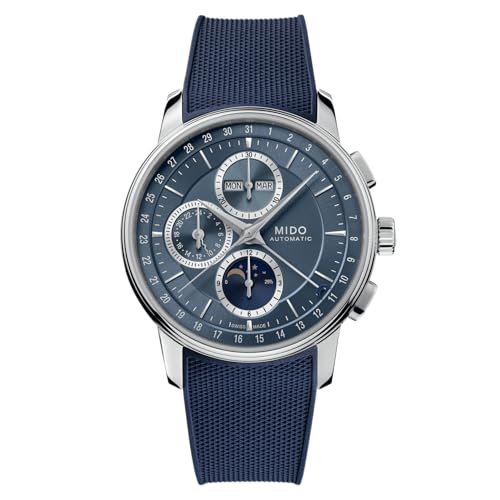
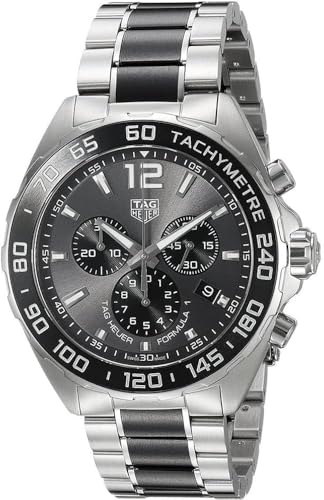

Types of Chronograph Watches Compared
At this level, price alone tells you little. Around $2,000 to $3500 buys strong automatic chronographs from mid tier makers, while around $3500 to $5000 adds in house movements, better bracelets, and longer warranties. The three families below cover nearly every serious option, and each one trades something the others keep.
Dive and Field Watches
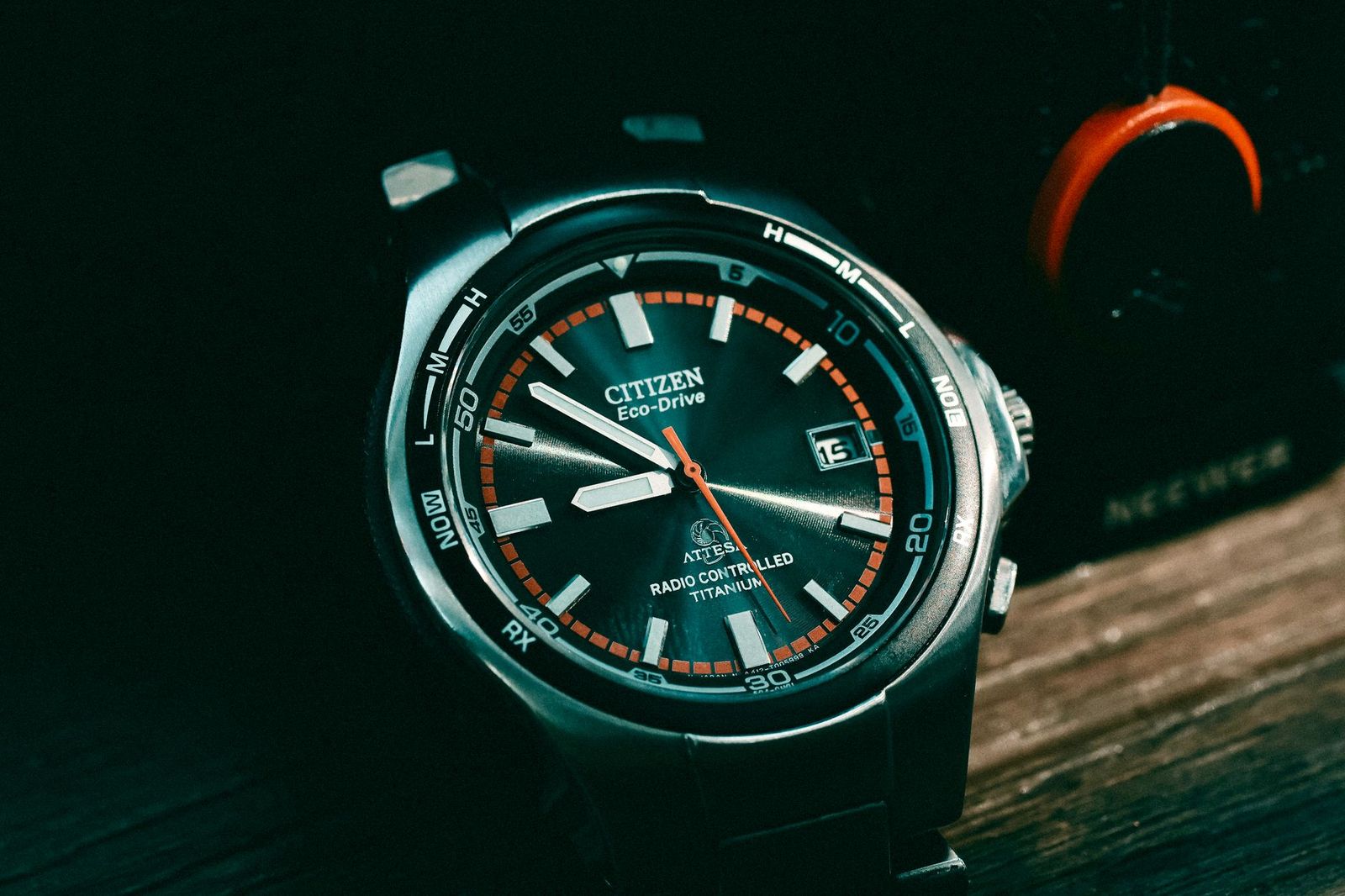
Dive and field chronographs put toughness first, with 200 meter water resistance, rotating bezels on many dive models, thick lume, and cases built to take impacts without complaint. Straps favor rubber, fabric, or steel bracelets that tolerate salt and sweat. These watches suit swimmers, boaters, hikers, and owners who want one watch for travel and rough weekends. The compromises are thickness, weight, and a sporty look that can fight with a suit. If water use drives your choice, our guide to the best dive watches under 5000 explains bezel action, seal care, and depth ratings in full.
Automatic Watches
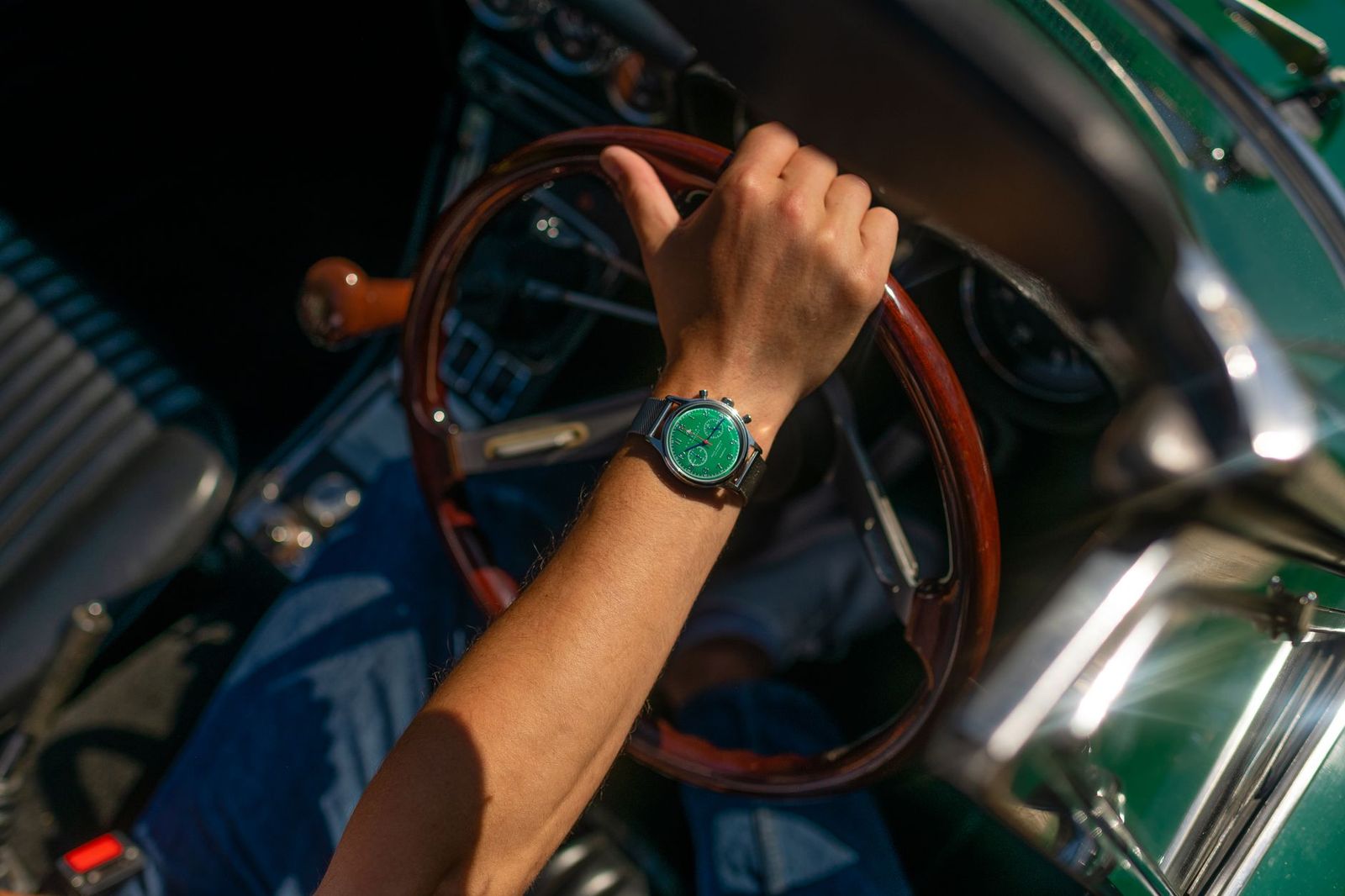
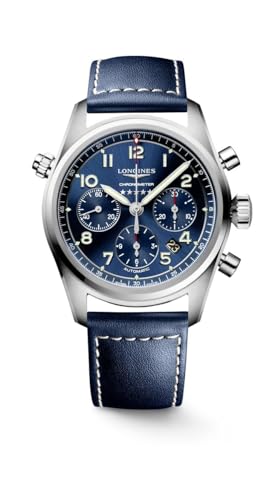
Automatic chronographs are the heart of this budget. The movement runs on wrist motion, the chronograph seconds hand sweeps smoothly, and better examples add a column wheel or vertical clutch for crisp pusher feel and no hand stutter. Cases gain careful brushing and polishing, sapphire crystals front and often back, and bracelets with milled clasps. They suit owners who value craft and plan to keep the watch for decades. The costs are service every five to seven years and accuracy measured in seconds per day rather than per month.
Smartwatches
Premium smartwatches under $5000 sit at the top of the wearable market, with titanium or ceramic cases, bright displays, GPS, heart rate and sleep data, and full phone integration. As chronographs they offer flawless timing, lap memory, and split times no mechanical watch can match. They suit athletes and connected professionals. The hard limits are battery life of one to seven days, software support that ends years before a mechanical movement wears out, and weak resale value. Treat health data as general guidance rather than medical measurement.
Dive and Field Watches vs Automatic Watches: Which Should You Choose?
These two families overlap, since many dive chronographs are automatic, so compare them by design intent. On water safety, dive and field pieces win with higher ratings, screw down crowns, and often screw down pushers. On elegance, classic automatics win with slimmer cases, cleaner dials, and proportions that fit under a cuff. On dial clarity, dive styles use bigger markers and stronger lume, while classic pieces favor applied indexes and finer textures.
On daily comfort, classic automatics usually wear lighter and lower on the wrist. On resale and service, both hold up similarly when bought from makers with United States service networks. Choose the dive or field route if your watch will swim, sail, or take knocks most weeks. Choose the classic automatic route if your days are office, travel, and events, and water means rain and hand washing. Travelers who also track a second time zone may enjoy our guide to the best gmt watches under 5000 for a related complication.
How to Choose the Right Chronograph Watch
With the type settled, judge individual models on the four factors below. They separate the best chronograph watches under 5000 contenders from pieces that merely look expensive in photos. Bring measurements and honest habits to this stage, because at this price a poor fit is an expensive mistake.
Movement Type (Quartz, Automatic, Solar, Smart)
Automatic movements dominate here and reward owners who wear the watch often, since regular wear keeps it wound and running. Expect accuracy within a few seconds per day on good examples, plus service costs of several hundred dollars every five to seven years. Quartz still makes sense for a grab and go second watch, and solar suits owners who store watches in light. Smart movements add data but age fastest. Choose the movement whose upkeep rhythm matches your life, not the one with the loudest prestige.
Water Resistance Rating
Match the rating to real exposure. A 30 meter rating means splash protection only, 100 meters covers swimming and snorkeling, and 200 meters is the standard for recreational diving. Ratings assume new seals and still water, so a five year old watch should pass a pressure check before you trust it in the sea. Also check pusher design, since standard pushers must stay unpressed while wet, while screw down pushers protect the case if you swim often.
What You Can Realistically Get Under $5000
Under $5000 you can expect an in house or top grade supplied automatic chronograph movement on many models, sapphire crystal, excellent case finishing, and a bracelet or strap of genuine quality. Around $2,000 to $3000, expect proven supplied movements and simpler finishing that still wears beautifully. You will not get precious metal cases, hand made movements, or investment returns. Put money toward movement grade, bracelet quality, and warranty length, and for formal alternatives see our guide to the best dress watches under 5000 before you decide.
Crystal and Case Materials
Sapphire crystal should be non negotiable at this price, since it resists scratches from doors, desks, and daily life far better than mineral glass. For cases, 316L steel remains the balanced choice for weight, polish, and corrosion resistance. Titanium cuts weight sharply and suits large cases or sensitive wrists, though it shows scuffs more readily and feels less dense. Ceramic bezels resist fading and scratches. Check lug width too, because standard sizes make strap changes cheap and easy for years.
How to Make Your Chronograph Watch Last Longer
A watch at this level can serve for decades, and simple habits decide whether it does.
- Service automatic watches every 5 to 7 years. Fresh oil, new seals, and regulation keep accuracy stable and prevent worn parts from damaging the movement.
- Rinse after saltwater exposure. A gentle fresh water rinse and a soft cloth protect seals, bracelets, and spring bars from salt corrosion.
- Store away from magnets. Keep the watch away from speakers, magnetic clasps, and laptop lids, since magnetism is a common cause of sudden fast timekeeping.
- Wind and wear it in rotation. If you own several watches, a watch winder or a weekly wear keeps lubricants moving and the calendar correct.
- Rest leather straps. Rotate straps in summer, keep leather away from water, and let each strap dry fully between wears to slow cracking.
For a wider look at this budget across styles, our guide to the best watches under 5000 is a useful cross check before you buy.
Chronograph Watches: Your Questions Answered
Can you get a good chronograph watch under $5000?
Yes, this budget buys excellent chronographs with decades of service life. Expect automatic movements with smooth pusher action, sapphire crystals, 100 to 200 meters of water resistance, and bracelets with milled clasps. Around $2,000 to $3000 you get proven supplied movements, while nearer $5000 you gain in house movements and finer finishing. What stays out of reach is precious metal and hand built haute pieces, neither of which improves daily timekeeping.
Quartz or automatic: which is better?
At this price, automatic is the natural default for a main watch because the craft, sweep, and longevity justify the budget. Quartz remains better on pure accuracy and effort, and a fine quartz piece makes a smart second watch for travel or sport. Judge by ownership style: if you will wear and enjoy a mechanical movement daily, buy automatic. If the watch will sit unworn for weeks, quartz or solar will greet you ready and correct.
How water resistant should a watch be?
For office and travel wear, 100 meters gives comfortable margin for rain, pools, and snorkeling. For regular sea swimming or recreational diving, choose 200 meters and keep seals checked every two to three years. Avoid trusting a 30 or 50 meter watch in the water even when new, because ratings reflect rated pressure, not waves and motion. Whatever the rating, leave standard chronograph pushers unpressed while the watch is wet.
How long does a watch battery last?
Most automatics at this level have no battery at all, running on wrist motion with a power reserve of about 40 to 80 hours. If you choose a quartz or smart model instead, expect two to three years per battery on quartz and daily to weekly charging on smartwatches. Solar cells, where offered, can run for a decade or more. Ask about power reserve when you shop automatic models, since a longer reserve forgives a weekend off the wrist.
Is a smartwatch worth it over a classic watch?
A premium smartwatch earns its price if training data, navigation, and phone features shape your routine every day. A classic chronograph earns its price over decades, holding its function and style while several generations of software come and go. At $5000, think of the smartwatch as electronics with a short life and the classic piece as a long term object. Buy the one whose lifespan matches how long you plan to keep it.
What case size fits my wrist?
Most wrists suit 40 to 42 mm, and this budget offers more choice at the smaller end than it once did. Measure your wrist: under 6.5 inches points to 38 to 41 mm cases with a lug to lug span under 49 mm, while larger wrists can carry 43 to 44 mm. Check thickness as well, since automatic chronographs often stand 14 to 16 mm tall. If you shop for men with smaller wrists, our guide to the best men's watches under 5000 covers fit across styles.
Our Verdict
Decide the type first, then let movement grade, fit, and water resistance rank your finalists. Those choices will matter every day you wear the watch, long after dial color debates fade. Compare your short list in the product table above, and you will choose the best chronograph watches under 5000 option that fits your life and lasts for decades.