Best Chronograph Watches under 3000 in 2026: Which Type Is Right for You?
Disclosure: We may earn a commission when you buy through links on this page, at no extra cost to you. As an Amazon Associate I earn from qualifying purchases. Learn more

Compare the best chronograph watches under 3000 by type, with the strengths, ideal users and price range of each.
With a budget up to $3000, the chronograph market opens up fast, and that freedom creates confusion. You can buy a refined automatic, a tough dive style piece, a solar model, or a high end smartwatch, and each path rewards a different kind of owner. This guide to the best chronograph watches under 3000 compares types first, so you choose a direction before you compare dials.
Use the comparison table below to see the range, then read how each type behaves in daily wear. By the end you will know which movement, case, and feature set deserve your money.

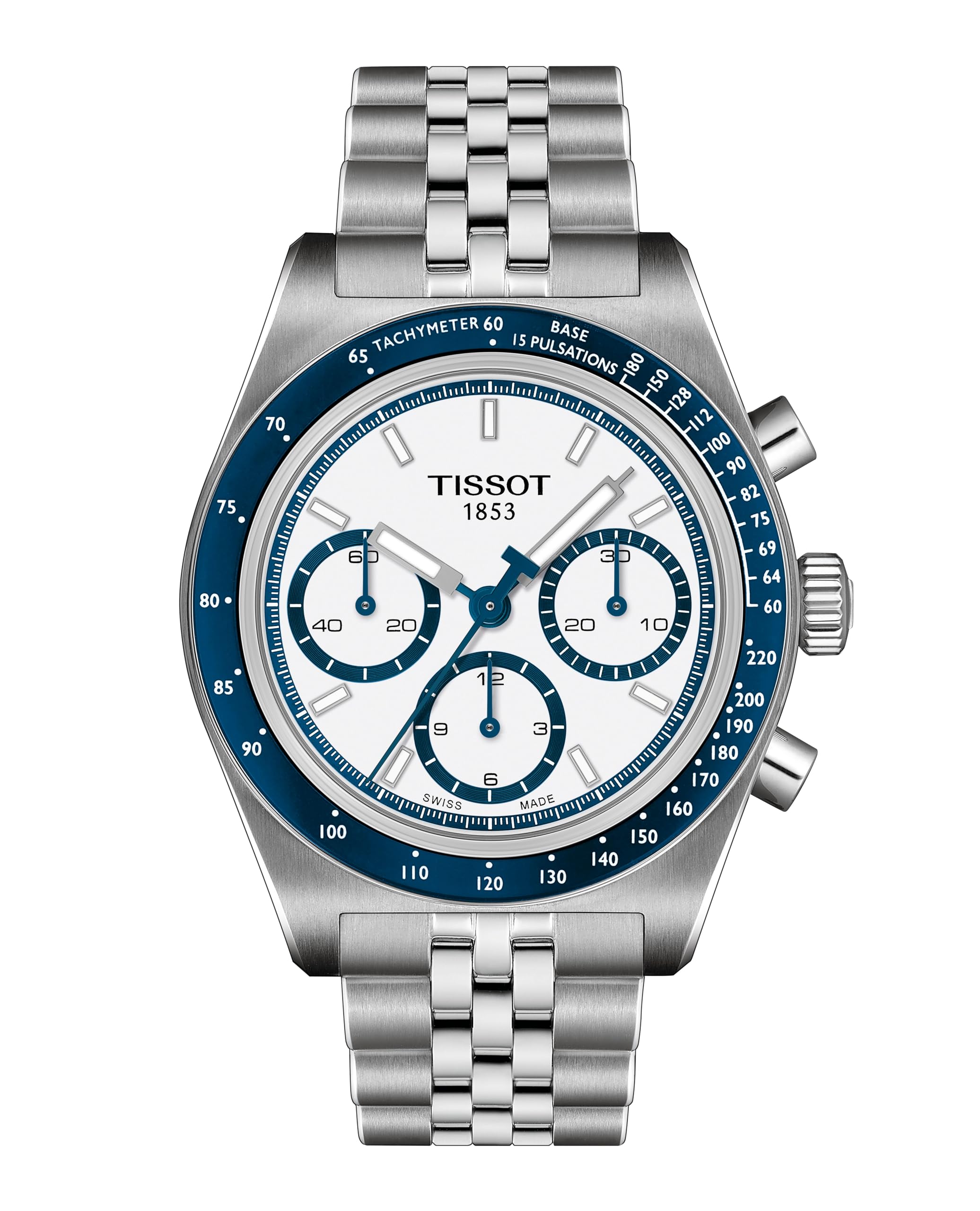


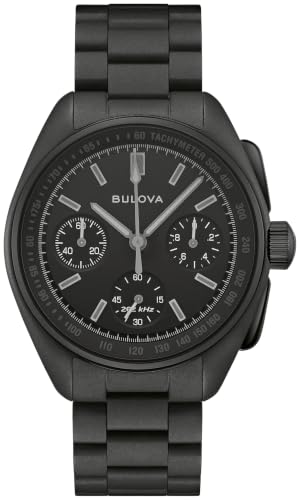
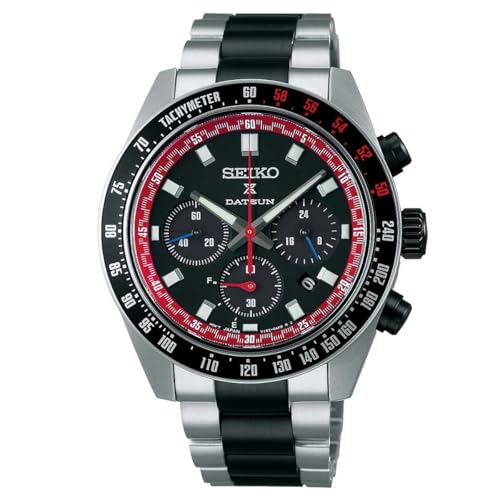
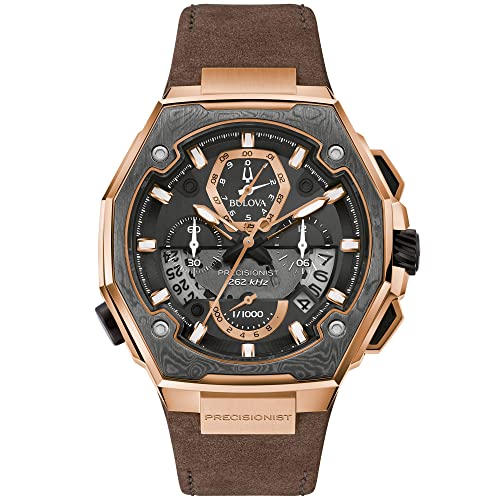
Types of Chronograph Watches Compared
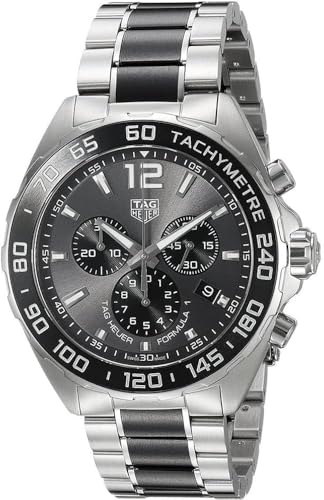
Think of the four types below as four ownership styles. Quartz favors accuracy and low effort, solar favors freedom from battery changes, smartwatches favor data, and dive and field styles favor toughness. Price spreads widely inside each type, from around $800 for capable quartz pieces to around $3000 for automatic models with in house movements, sapphire crystals, and long warranties.
Quartz Watches
Quartz chronographs use a battery powered movement regulated by a quartz crystal, so they keep time within seconds per month. Better quartz pieces in this range add sapphire crystal, solid steel cases, and smooth pusher action that feels close to mechanical watches. They suit owners who rotate watches, want grab and go accuracy, or dislike service costs. The trade is emotional as much as practical: there is no sweeping hand or visible craft, and resale value stays modest even on well made examples.
Solar Watches
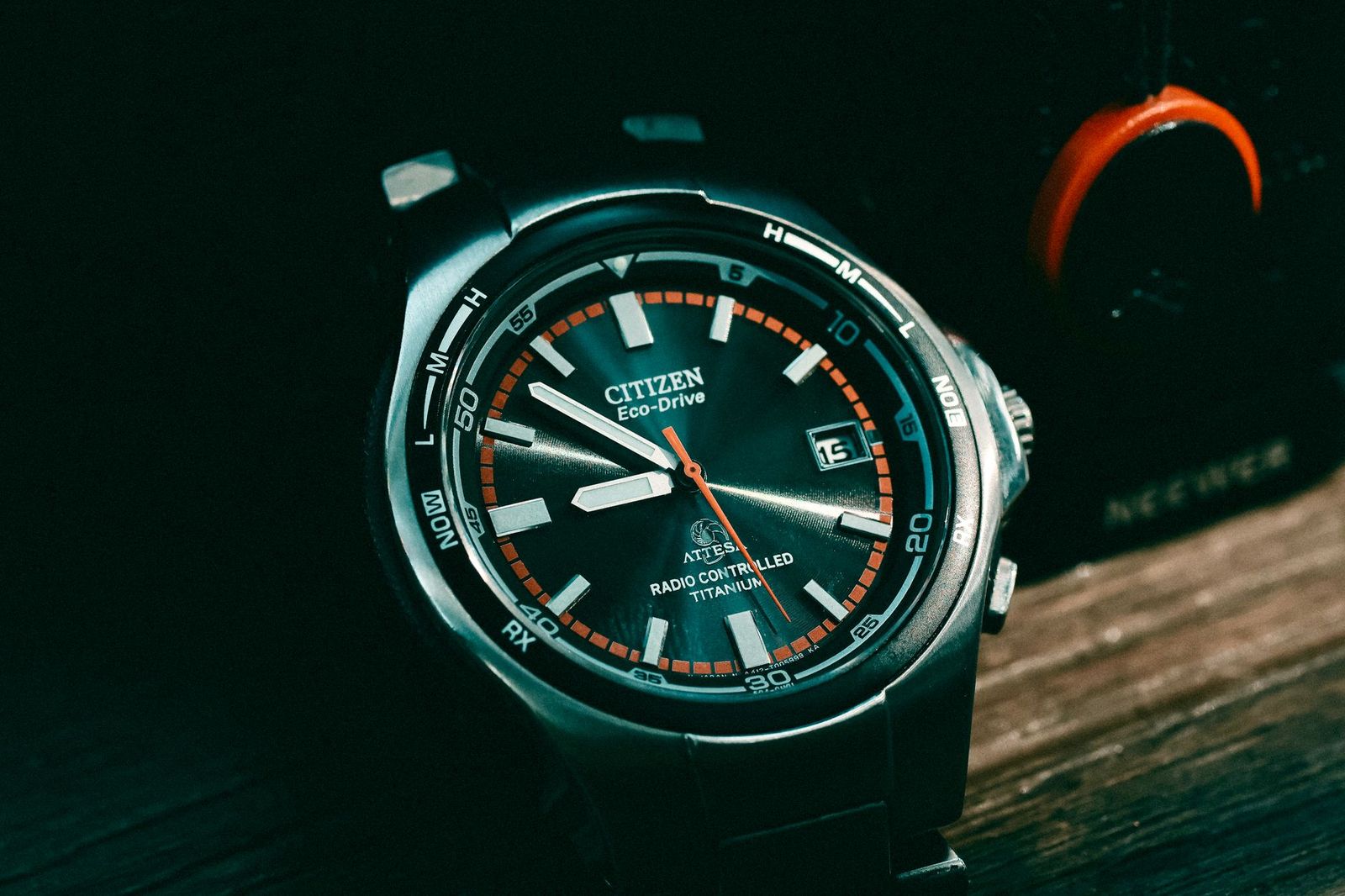
Solar chronographs charge a cell through the dial, using daylight or indoor light, and many run for six months or more in darkness after a full charge. At this budget they often pair with radio time signals or GPS sync, so the watch corrects itself without your input. They suit travelers and owners who hate battery changes. Watch out for dial design limits, since light must reach the cell, and remember that the cell itself will need replacement after many years of service.
Smartwatches
Smartwatches present chronograph functions on a screen and add GPS routes, heart rate data, phone alerts, music, and payments. Premium models under $3000 use titanium or ceramic cases and bright displays that read well outdoors. They suit runners, cyclists, and busy professionals who live by notifications. The costs are charging every one to seven days, software that ages, and a product life far shorter than a classic watch. Treat health readings as general guidance, not medical measurement, and discuss concerns with your clinician.
Dive and Field Watches
Dive and field chronographs are built around toughness: 100 to 200 meters of water resistance, strong lume, protected crowns, and cases that shrug off knocks. Automatic movements are common at this level, with hand finishing and bracelets a clear step above budget pieces. They suit swimmers, outdoor workers, and travelers who want one watch for everything. If that direction appeals, our guide to the best dive watches under 3000 covers bezels, seals, and depth ratings in depth.
Quartz Watches vs Solar Watches: Which Should You Choose?
Quartz and solar look similar on the wrist, so compare them on ownership details. On accuracy, both are excellent, and solar models with signal sync are effectively perfect for daily use. On upkeep, quartz needs a cheap battery every two to three years, while solar asks only for regular light exposure. On dial choice, quartz allows any dial material or color, while solar dials must pass light. On cost, comparable solar pieces often run slightly higher.
Choose quartz if you store your watch in a dark drawer, love a specific opaque dial, or want the lowest running cost. Choose solar if the watch will see daylight most days and you want to forget about batteries for a decade. Either way, check that the chronograph measures the intervals you need, since some stop at 60 minutes while others track 12 hours. For a broader view of this budget, see our guide to the best watches under 3000 across all styles.
How to Choose the Right Chronograph Watch
Once you pick a type, narrow the field with the four checks below. They apply whether you lean toward a sleek quartz piece for the office or one of the best chronograph watches under 3000 automatic models built for the water. Write your answers down before you shop, because listings are designed to pull you toward looks over fit.
What You Can Realistically Get Under $3000
Under $3000 you can realistically expect an automatic chronograph movement on many models, sapphire crystal, a well finished steel or titanium case, and a bracelet with solid links and a milled clasp. Around $1000 to $2,000, expect strong quartz or entry automatic movements with simpler finishing. Do not expect precious metals, hand built movements, or strong resale value. Spend first on fit, movement quality, and warranty support, since those decide satisfaction long after the new watch shine fades.
Case Size and Wrist Fit
Chronographs run large because the movement needs room, so fit checks matter. Most wrists suit a case diameter of 40 to 42 mm, with thickness around 13 to 15 mm and a lug to lug span under 50 mm. Slim wrists should hunt for 38 to 40 mm cases, which do exist at this level. Try the watch with a shirt cuff if you dress formally, and for slimmer formal options see our guide to the best dress watches under 3000 for proportions that slide under a cuff.
Movement Type (Quartz, Automatic, Solar, Smart)
Movement choice sets your running costs and daily habits. Automatic movements need wear or winding and a service every five to seven years, costing a few hundred dollars. Quartz needs only battery changes and keeps the best raw accuracy. Solar needs light, and smart movements need charging and a phone. Match the movement to your patience, not to prestige rankings. A watch you enjoy wearing daily beats a movement you admire but leave in a drawer.
Water Resistance Rating
Read ratings by activity, not by the number alone. A 30 meter rating handles splashes only, 100 meters covers swimming and snorkeling, and 200 meters suits recreational diving with proper seals. Chronograph pushers are the weak point, so never press them under water unless the maker states the pushers are safe to use wet. Screw down pushers add security for swimmers. Have seals checked every two to three years if the watch swims often.
Care and Maintenance Tips
Good care protects a four figure purchase, and most of it is simple habit rather than cost.
- Service automatic watches every 5 to 7 years. A full service cleans old oil, replaces worn seals, and keeps accuracy stable, which protects the movement you paid for.
- Rinse after saltwater exposure. Fresh water rinsing and a soft dry cloth stop salt from attacking seals, bracelets, and spring bars after beach or boat days.
- Store away from magnets. Phone speakers, laptop lids, and magnetic clasps can disturb a mechanical movement, so use a watch box away from electronics.
- Keep solar dials in light. A windowsill rest once a month keeps the charge topped up and the cell healthy.
- Rotate straps and bracelets. Resting leather between wears prevents cracking and odor, and a fabric strap gives the bracelet a break in summer heat.
If you buy for daily wear across settings, our guide to the best men's watches under 3000 shows how chronographs compare with simpler styles for office and travel use. And if your budget later shrinks for a second watch, the best chronograph watches under 500 guide covers the value end of the same category.
Frequently Asked Questions
Can you get a good chronograph watch under $3000?
Yes, and this budget buys genuinely high quality. Around $1500 to $3000 you can find automatic chronograph movements, sapphire crystals, 100 meter water resistance, and bracelets with solid links and precise clasps. Around $800 to $1500, top tier quartz and solar models offer better accuracy with lower upkeep. The main limits at this level are brand prestige and precious metals, not function, durability, or finishing quality.
What case size fits my wrist?
Most wrists wear a 40 to 42 mm chronograph well. If your wrist measures under 6.5 inches around, look at 38 to 40 mm cases with a lug to lug span under 48 mm, and avoid thickness over 14 mm. Larger wrists can carry 43 to 44 mm, but check that the lugs do not overhang. Thickness matters for comfort too, since a tall case catches on cuffs and door frames.
Is a smartwatch worth it over a classic watch?
A premium smartwatch is worth it if GPS training data, alerts, and payments shape your day. A classic chronograph is worth it if you want a decade or more of service, no charging routine, and a look that stays current as software changes. Many owners end up with both, training with the smartwatch and wearing the classic piece for work and events. Decide which role this purchase must fill before you compare screens against sapphire.
How long does a watch battery last?
A quartz chronograph battery typically lasts two to three years, less if you run the stopwatch and alarms often. Solar cells last far longer, often a decade or more, because light keeps them charged and shallow discharge extends cell life. When a quartz watch starts losing time or the seconds hand jumps in steps, plan a battery change soon, and ask the shop to check the seals and confirm water resistance afterward.
Quartz or automatic: which is better?
Better depends on what you value. Quartz wins on accuracy, price, and effort, and it is ready after weeks unworn. Automatic wins on craft, smoothness of the sweeping hand, and the pleasure of a mechanical movement, at the cost of service every five to seven years and looser daily accuracy. At this budget both are legitimate, so choose by ownership style. Owners who rotate many watches often prefer quartz or solar for pure convenience.
How water resistant should a watch be?
For daily wear with rain and hand washing, 50 meters is a sensible floor. For swimming, choose 100 meters with a screw down crown, and for recreational diving choose 200 meters with seals in good order. Remember that ratings assume still water and new seals, so an older watch should be checked before you trust the number. Keep pushers unpressed while wet unless the maker clearly allows wet use.
Wrapping Up
Pick the type first, then judge fit, movement, and water resistance against your real week. That order prevents the common mistake of buying a beautiful watch that fights your routine. Look back at the product table above, compare your finalists side by side, and you will land on the best chronograph watches under 3000 choice for your wrist with confidence.