Best Christmas Slippers: Buying Guide for 2026
Disclosure: We may earn a commission when you buy through links on this page, at no extra cost to you. As an Amazon Associate I earn from qualifying purchases. Learn more

Choose the best christmas slippers by fit, cushioning, lining, sole grip and sizing for warm, steady holiday mornings.
A good pair of holiday slippers does more than match a festive print. It keeps your feet warm on cold kitchen tile, cushions long mornings of cooking and wrapping, and grips well enough that a trip to the porch for a parcel feels steady. The best christmas slippers for you depend on your floors, your foot shape, and how warm your home runs.
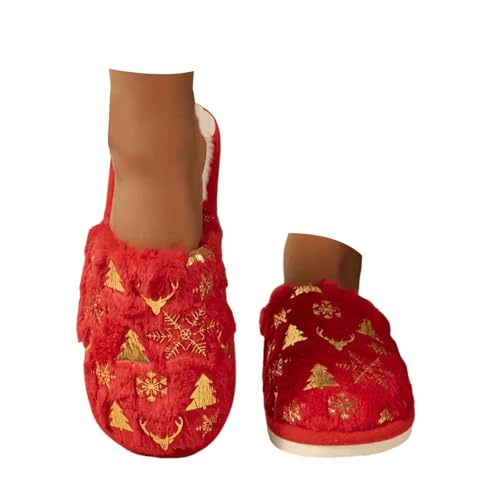
This guide walks through fit, materials, soles, and support so you can shop with confidence. Use the comparison table below to scan the key specs side by side, then read on for the details that photos never show.

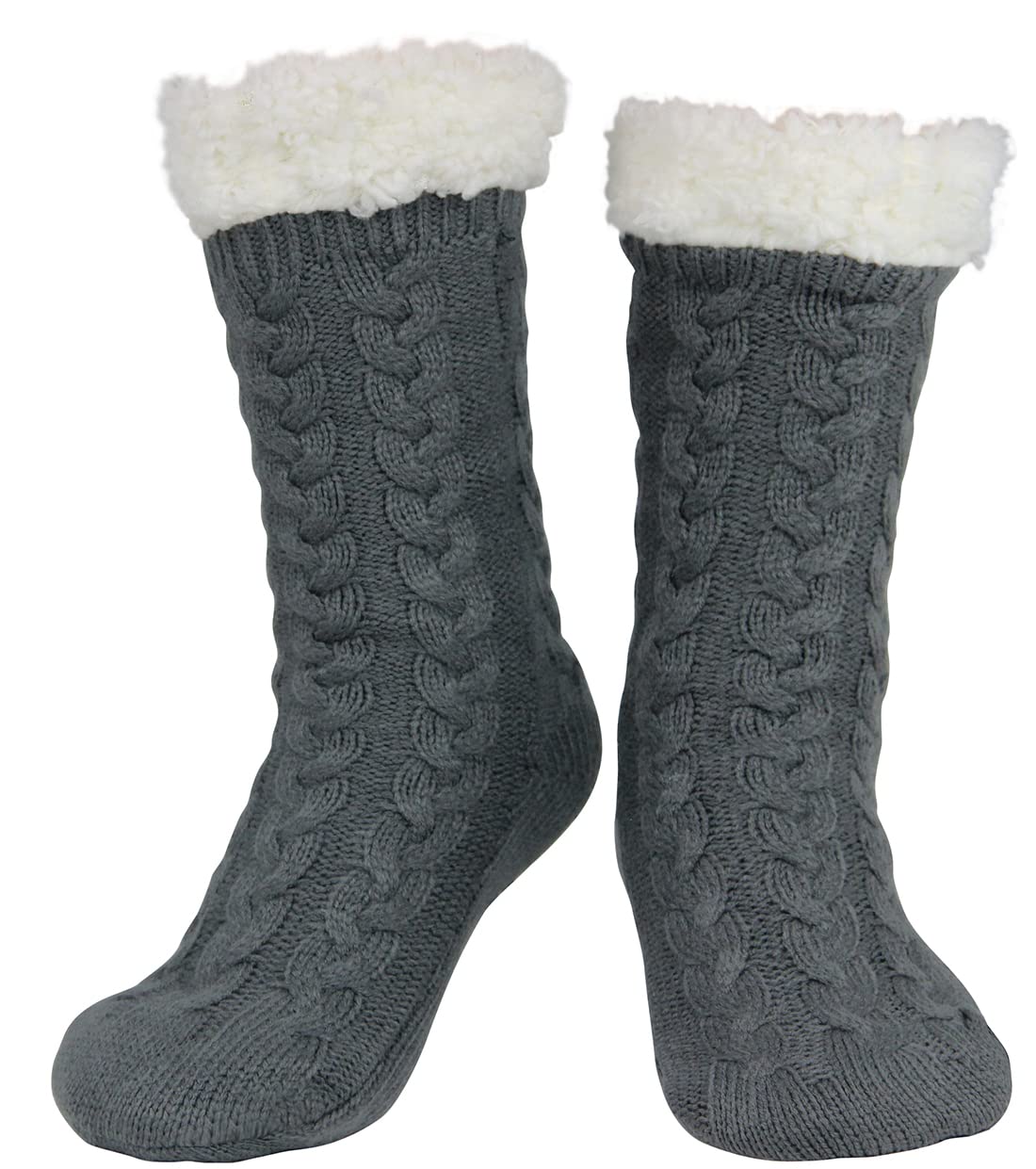
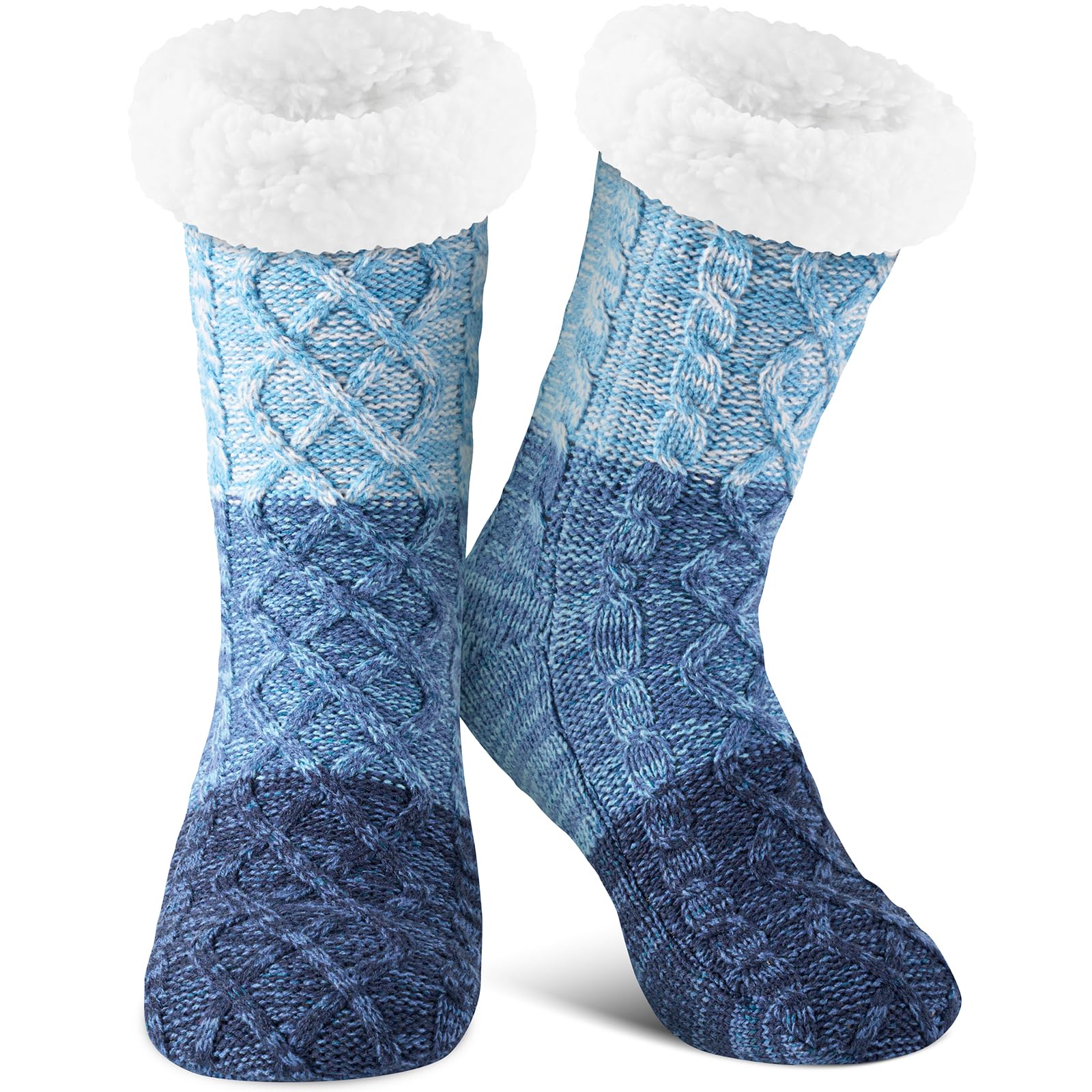

Three Shopping Paths at a Glance
Most shoppers fall into one of three groups. Matching your group first saves you from paying for warmth you do not need or settling for thin soles you will feel by New Year.
The All Round Profile
Look for a closed toe slipper with a medium weight fleece or wool blend lining, a cushioned foam footbed, and a rubber outsole with visible tread. This profile suits mixed floors, from hardwood to tile, and handles quick steps outside to the mailbox. Expect to pay around $35 to $60 for solid stitching and a sole that is glued and stitched. The main trade off is warmth, since a pair built for all day wear can feel hot in a well heated home.
The Value Profile
Value pairs, usually around $20 to $35, focus on a soft synthetic lining, a simple foam footbed, and a molded sole. They work well as guest slippers, stocking gifts, and seasonal pairs you wear for a few weeks each year. Check that the sole has real tread rather than a smooth fabric bottom, because grip is where cheap pairs cut corners first. Padding will compress faster than in pricier pairs, so treat these as one or two season slippers rather than long term footwear.
The First Time Buyer Profile
If you have never bought holiday slippers, start with a mule or slip on style in your usual shoe size, with a lining you can wash. Open backs are easy to step into during busy mornings, and they forgive small sizing errors better than closed heel styles. Shoppers comparing gifts for men often start with our guide to the best male slippers, since sizing runs and width options differ from womens ranges. Choose a neutral festive color so the pair still feels right in January.
How to Choose the Best Christmas Slippers: Buying Guide
Fit, Sizing, and Toe Box
Measure your feet in the afternoon, when they are at their largest, and compare the length in inches or centimeters with the brand size chart rather than guessing. Your toes should rest flat without pressing the front seam, and the toe box should let them spread a little as you walk. Thick linings take up room, so if you fall between sizes or plan to wear thick socks, choose the larger size. A heel that lifts slightly in a mule is normal, but your foot should never slide forward.
Upper Materials and Breathability
Uppers come in knit fabric, faux suede, real suede, fleece, and wool blends. Knit and fleece feel soft right away and breathe better, which helps if your feet run warm. Suede looks smarter for guests and resists scuffs, but it marks with water and needs a brush to stay tidy. Wool blends regulate temperature well, staying warm without the clammy feel some synthetic linings cause. If your home is warm, pick a thinner lining and a breathable upper over the thickest holiday boot style.
Durability and Expected Lifespan
A seasonal pair worn daily through winter should hold its shape for at least two or three seasons. Look for stitching around the sole, a footbed that springs back when you press it, and lining that is attached rather than loose. For a deeper look at construction details that last, see our guide to the best quality slippers. Thin fabric soles wear smooth quickly on rough floors, so homes with stone or textured tile should favor rubber outsoles from the start.
Water Resistance and Indoor Use
Most holiday slippers are indoor footwear, and full waterproof membranes are rare in this category. What matters more is a sole that keeps bathroom splashes and porch damp from soaking through, plus an upper that dries overnight. If you often step outside in wet weather, choose a rubber outsole with sealed edges and a suede or treated upper. Keep delicate fleece pairs for dry indoor wear, and never leave wet slippers on a hot radiator, since heat cracks soles and shrinks linings.
Weight and Flexibility
Lightweight slippers feel effortless during long days at home, and they pack easily for holiday travel. The sole should bend at the ball of the foot, not fold in the middle, which is a sign of weak support. Very stiff soles protect against cold floors and small objects, but they can feel clunky on stairs. A good middle ground is a flexible forefoot with a firmer heel cup. Try walking a few steps and turning, since a pair that twists too easily may let your foot roll.
Outsole Traction and Floors
Traction depends on tread pattern and sole material. Rubber with small lugs or wavy grooves grips hardwood, laminate, and tile far better than smooth foam or fabric bottoms. Consider your riskiest surface, usually a wet bathroom floor or polished stairs, and buy for that surface rather than for carpet. Wipe soles clean every week or so, because dust and pet hair pack into tread and quietly reduce grip. If a grandparent will wear the pair, treat strong traction as a safety feature, not a bonus.
Cushioning and Support
Cushioning comes from foam footbeds, memory foam layers, and molded insoles. Memory foam feels plush at first touch but can flatten under the heel within a season, so denser foam often serves daily wearers better. Modest arch support helps if you stand in the kitchen for hours, and a slight heel cup keeps the foot centered. Shoppers who want a softer, gift ready fit for her often compare notes with our guide to the best slippers for women. Anyone with ongoing foot pain should ask a podiatrist which level of support suits their feet.
Types of Christmas Slippers
Lightweight Slip On Styles
Mules and scuffs are the easiest styles to step into, and they suit warm homes and quick tasks. Their open heels breathe well, but they offer the least security on stairs. Choose them for healthy feet and mostly carpeted or dry floors.
Warm Boot Style Slippers
Boot styles wrap the ankle in fleece or faux fur and keep heat in during cold snaps. They are the warmest option for drafty houses and early mornings. The downside is heat buildup indoors, and bulky cuffs can rub under narrow pant legs.
Supportive Slippers with Arch Support
Supportive pairs use firmer footbeds, shaped arches, and closed heels to hold the foot steady. They suit people who stand a lot or whose feet tire quickly on hard floors. Expect a slightly heavier feel and a price around $50 to $80. Casual gift shoppers sometimes cross check shapes with our guide to the best guy slippers before choosing a size.
Open Toe and Recovery Style Slippers
Open toe slides and cushioned recovery styles keep feet cool and give toes total freedom. They work after long days on your feet and in warm climates where closed slippers feel like too much. They provide the least warmth and toe protection, so keep them away from busy kitchens and dropped ornaments.
Setup and Care Tips
- Air new slippers for a day before first wear so packing odors fade and linings fluff up.
- Rotate two pairs on heavy weeks, giving foam a full day to recover between wears.
- Wash washable pairs on a gentle cold cycle, then air dry away from direct heat to protect soles.
- Brush suede uppers with a soft brush and store pairs stuffed with tissue to hold their shape.
- Check tread monthly, and retire pairs whose soles have worn smooth on hard floors.
- Keep a spare pair by the door for guests so outdoor shoes stay off holiday rugs.
FAQs
Are expensive Christmas slippers worth it?
They can be, if the extra money buys stitched rubber soles, denser foam, and natural linings that last several seasons. Above around $80, gains shrink for purely seasonal wear, and you mostly pay for looks and brand. For a gift worn daily all winter, the mid range around $40 to $60 usually gives the best balance of comfort and lifespan.
Can I wear Christmas slippers all day?
Yes, provided the pair has real cushioning, a closed or stable heel, and a sole that supports standing. Thin fashion pairs are fine for evenings but may leave arches tired after hours in the kitchen. Alternate with supportive shoes if your feet ache, and see a doctor if pain keeps returning, since ongoing pain can signal a problem slippers cannot fix.
How often should I replace my Christmas slippers?
Replace them when the footbed stays flat after a day of rest, the lining mats down, or the tread wears smooth. Daily wearers often need a new pair every one to two years, while seasonal wearers may get three or more years. A worn smooth sole is a fall risk on tile, so let grip, not looks, make the final call.
Do I need waterproof Christmas slippers?
Most people do not, because holiday slippers live indoors. A rubber outsole and a water resistant upper handle splashes and damp porches well enough. Full waterproofing matters only if you regularly walk dogs or fetch firewood in them, and in that case a proper outdoor boot is safer and warmer than any slipper.
How should Christmas slippers fit?
They should feel snug at the heel and midfoot with clear space in front of your longest toe. New fleece linings compress within a week, so a pair that feels slightly firm at first often settles well. If your toes press the front seam on day one, exchange the size, because linings thin out but uppers rarely stretch enough to fix a short fit.
How long is the break in period for Christmas slippers?
Most soft pairs need no break in at all and feel right within a day. Firmer supportive footbeds may take three to five days of short wears before the foam shapes to your foot. Start with an hour or two at home, keep the receipt until the fit settles, and swap sizes early rather than hoping a pinching pair will stretch.
Wrapping Up
Start with fit and grip, then choose warmth for your home, and let looks come last. A cushioned footbed, a rubber outsole with real tread, and a lining that suits your floors will carry you through the season in comfort. Compare the product table above, check the size chart twice, and the best christmas slippers for your household will be an easy decision.