Best Chore Boots: Types Compared and How to Choose for 2026
Disclosure: We may earn a commission when you buy through links on this page, at no extra cost to you. As an Amazon Associate I earn from qualifying purchases. Learn more
Compare the best chore boots by type, from tall rubber to insulated leather, with sizing, waterproofing, and tread guidance for daily farm work.
Walk into any farm store and you will face a wall of boots that all promise to keep your feet dry, from tall rubber styles to insulated neoprene and leather. The right choice depends on the work you do, how deep the mud and water get, and how long you stay on your feet. This guide compares the main types of best chore boots side by side so you can match a style to your barn, your land, and your seasons.
Below, you will find what each type does well, where each one falls short, and the fit and tread details that matter more than brand names. Use the comparison table below to narrow your shortlist before you order.

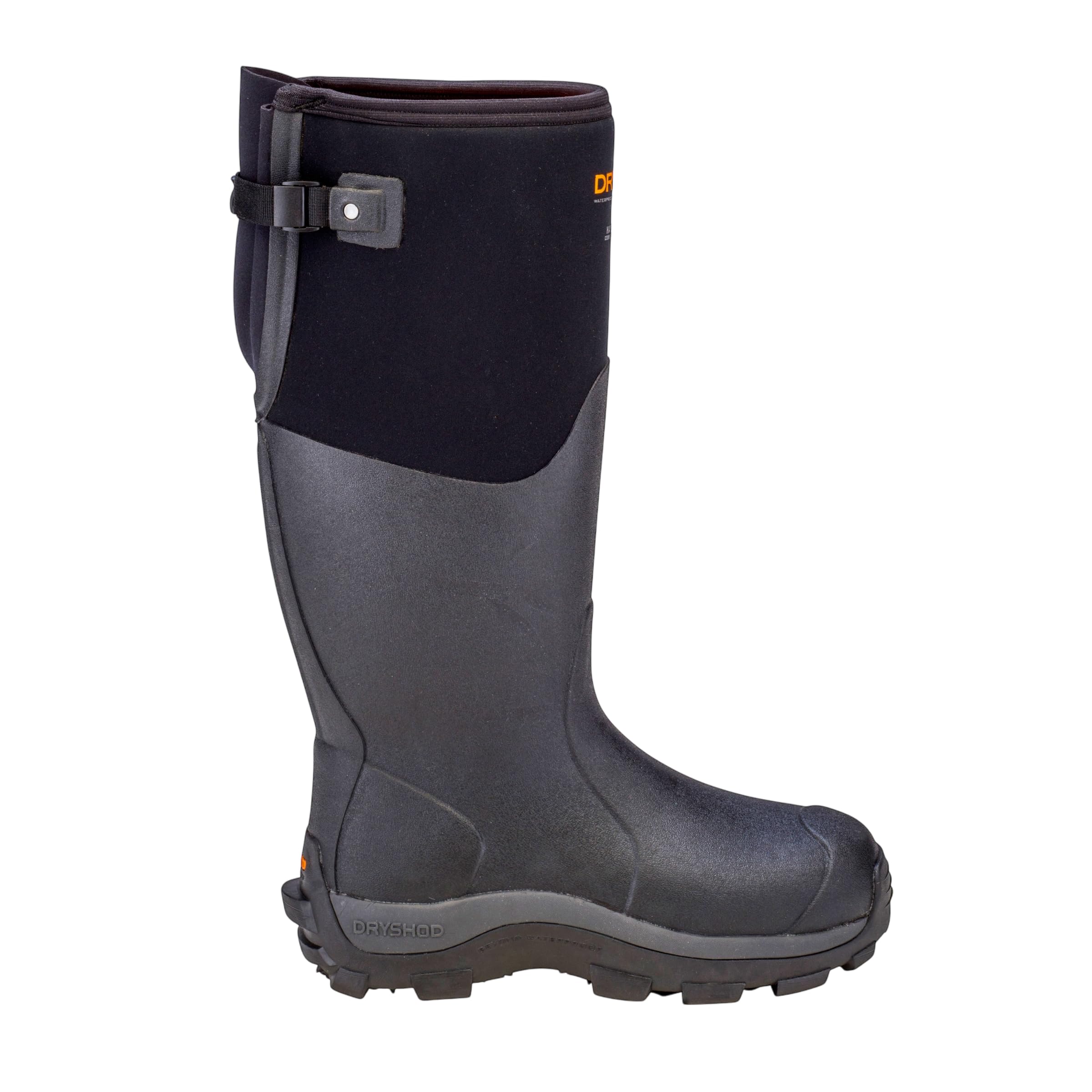
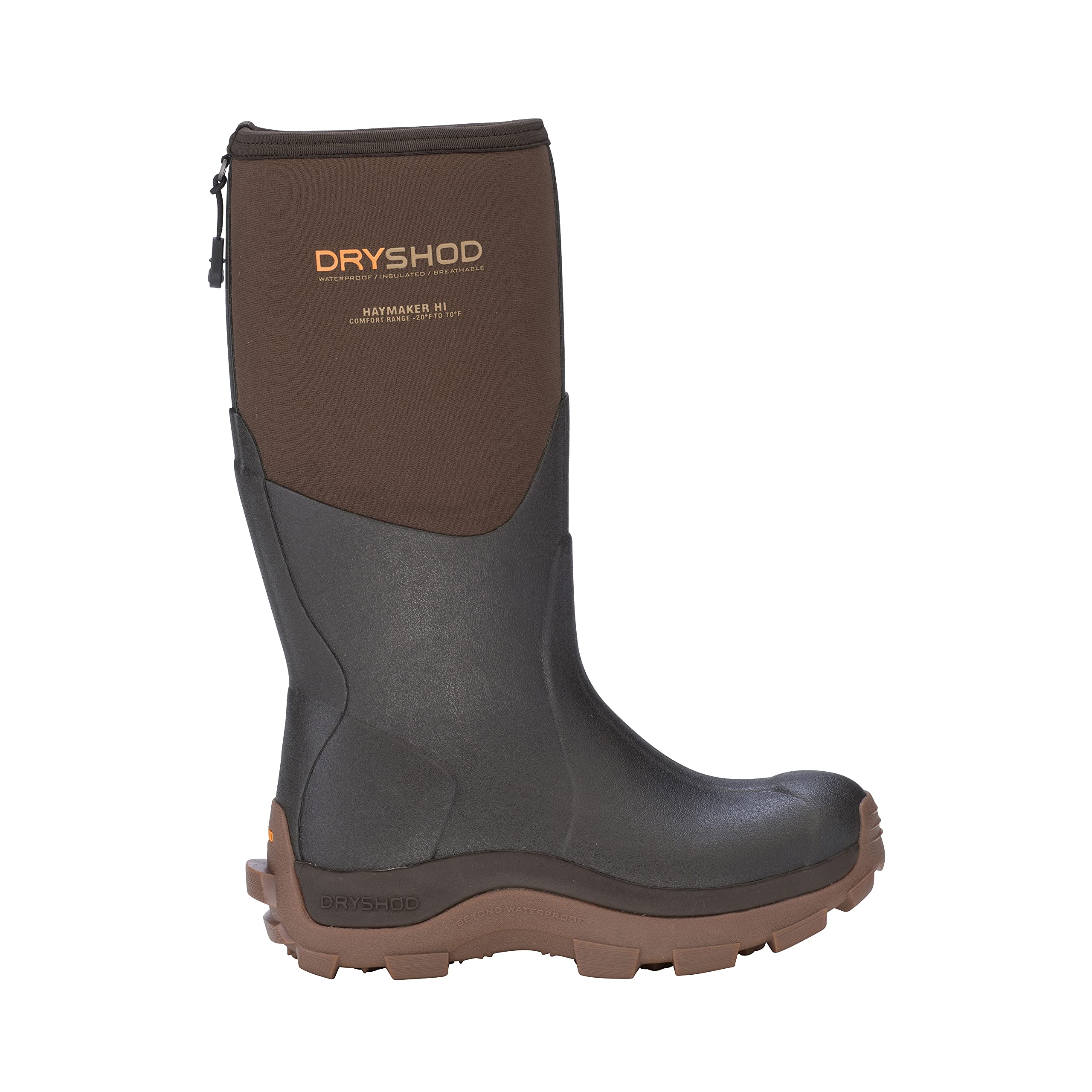
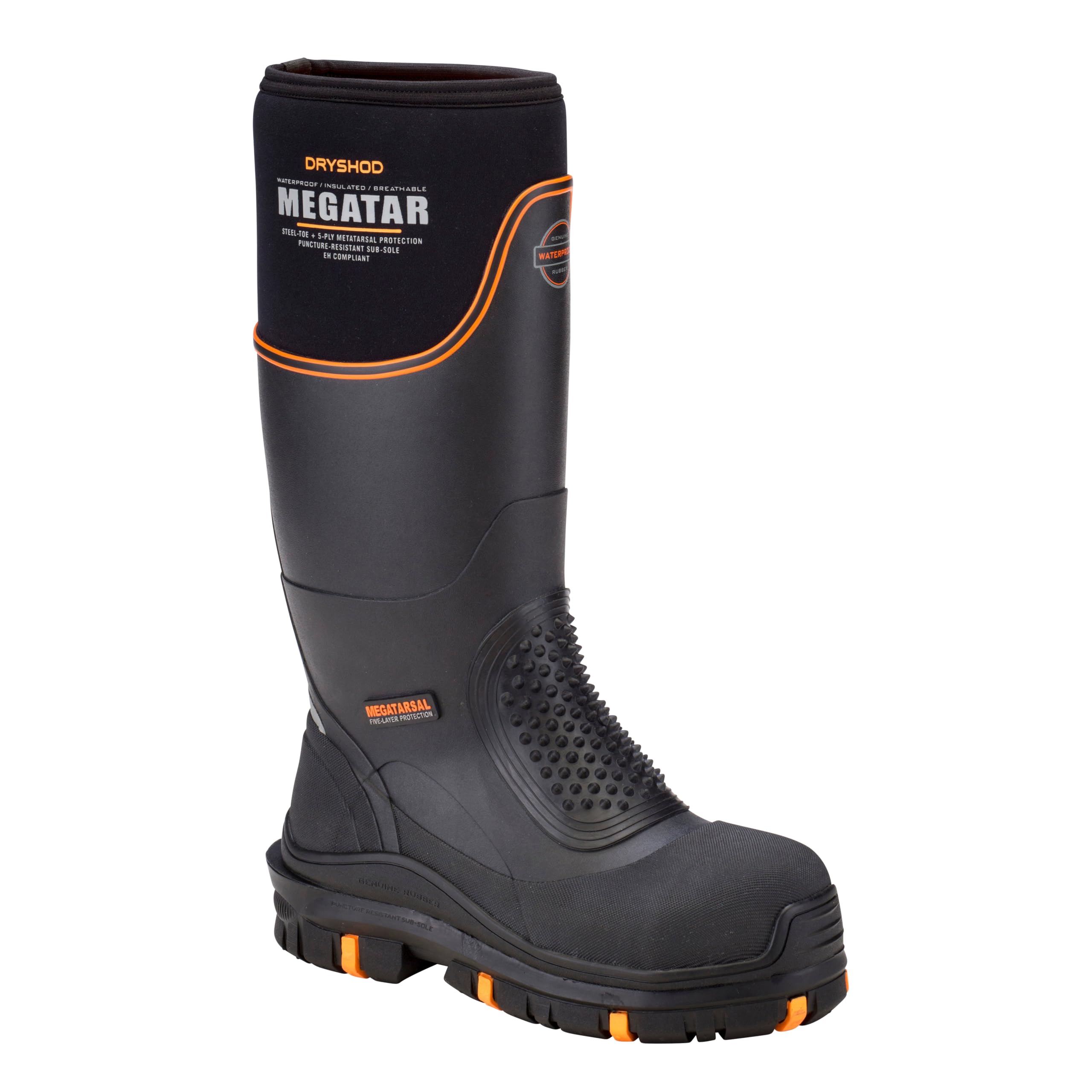


Types of Chore Boots Compared
Chore boots fall into four broad types, and the differences between them are bigger than most buyers expect. Shaft height, material, and closure style decide how deep you can wade, how much support you get, and how fast you can pull a pair on at dawn.
Tall Rubber Boots
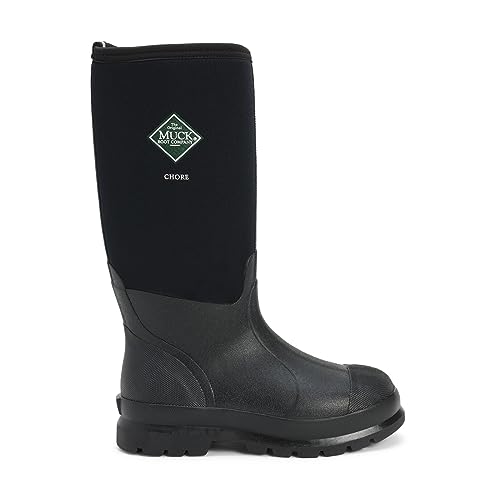
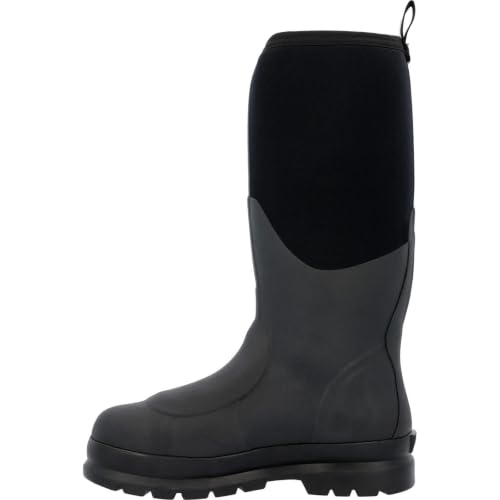
Tall rubber boots are the classic barn choice for a reason. A one piece rubber shaft that reaches toward the knee keeps out mud, manure, and wash water, and nothing else cleans up as fast. You can hose them off at the door and step into them in seconds thanks to the wide opening and pull loops.
The tradeoffs show up away from the wettest work. Rubber gives your ankle little structure, so footing on slopes and ladders feels less secure than in a lace up boot, and it traps heat during summer chores. If wet work is your main concern, see our guide to the best rubber chore boots for a closer look at shaft heights and tread patterns.
Insulated Neoprene Boots
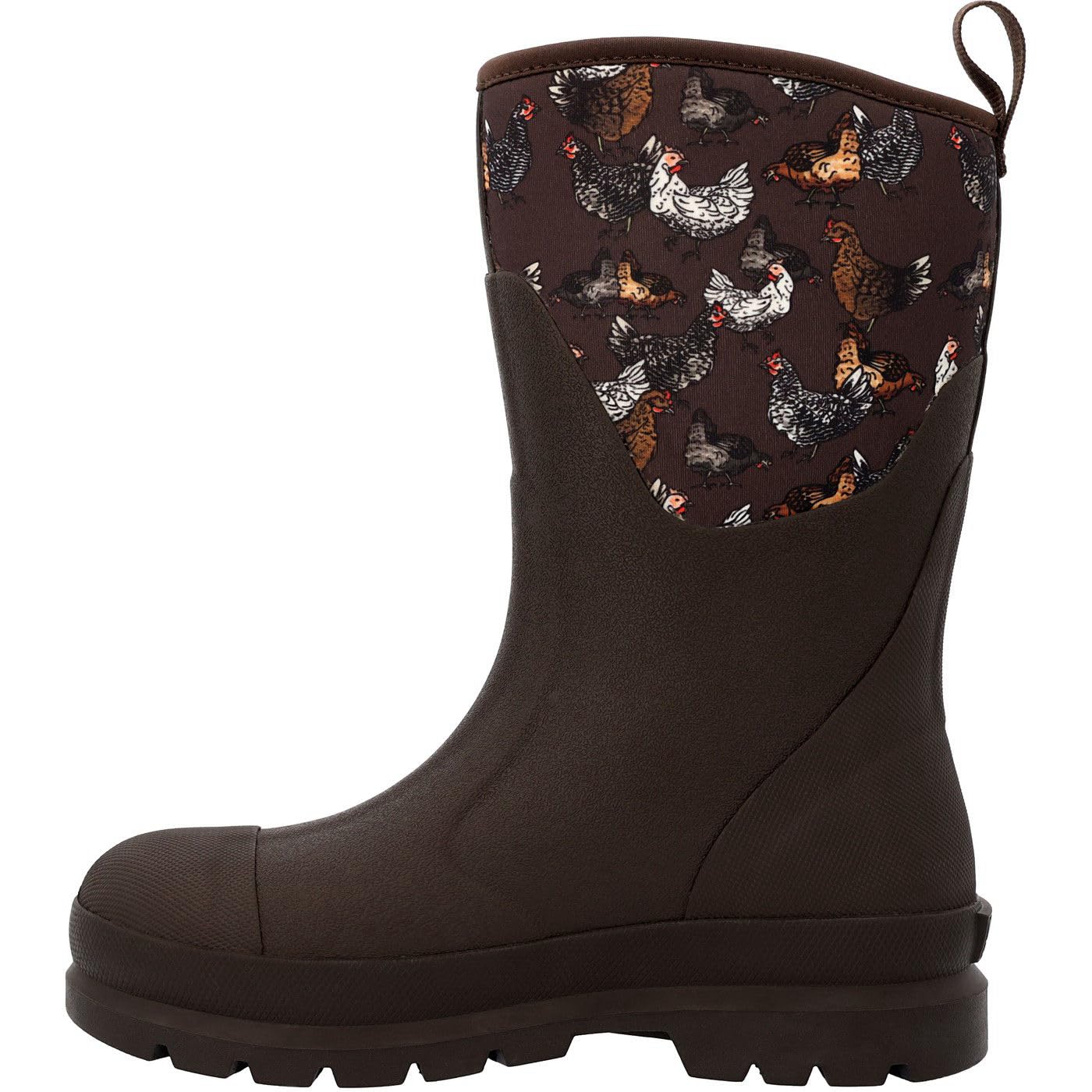
Neoprene boots pair a waterproof rubber foot with a flexible neoprene shaft, and many add insulation rated for cold weather. The shaft hugs your calf more closely than plain rubber, which keeps warmth in and stops the sloppy heel movement that makes tall rubber boots tiring on long walks. They suit winter feeding, cold rain, and work in unheated barns.
Warmth is also their limit. A boot built for freezing weather will leave your feet hot and damp in July, and neoprene can tear on sharp fencing or tools. Shoppers whose hardest season is winter should see our guide to the best winter chore boots, which covers insulation levels and cold weather fit in more depth.
Waterproof Leather Work Boots
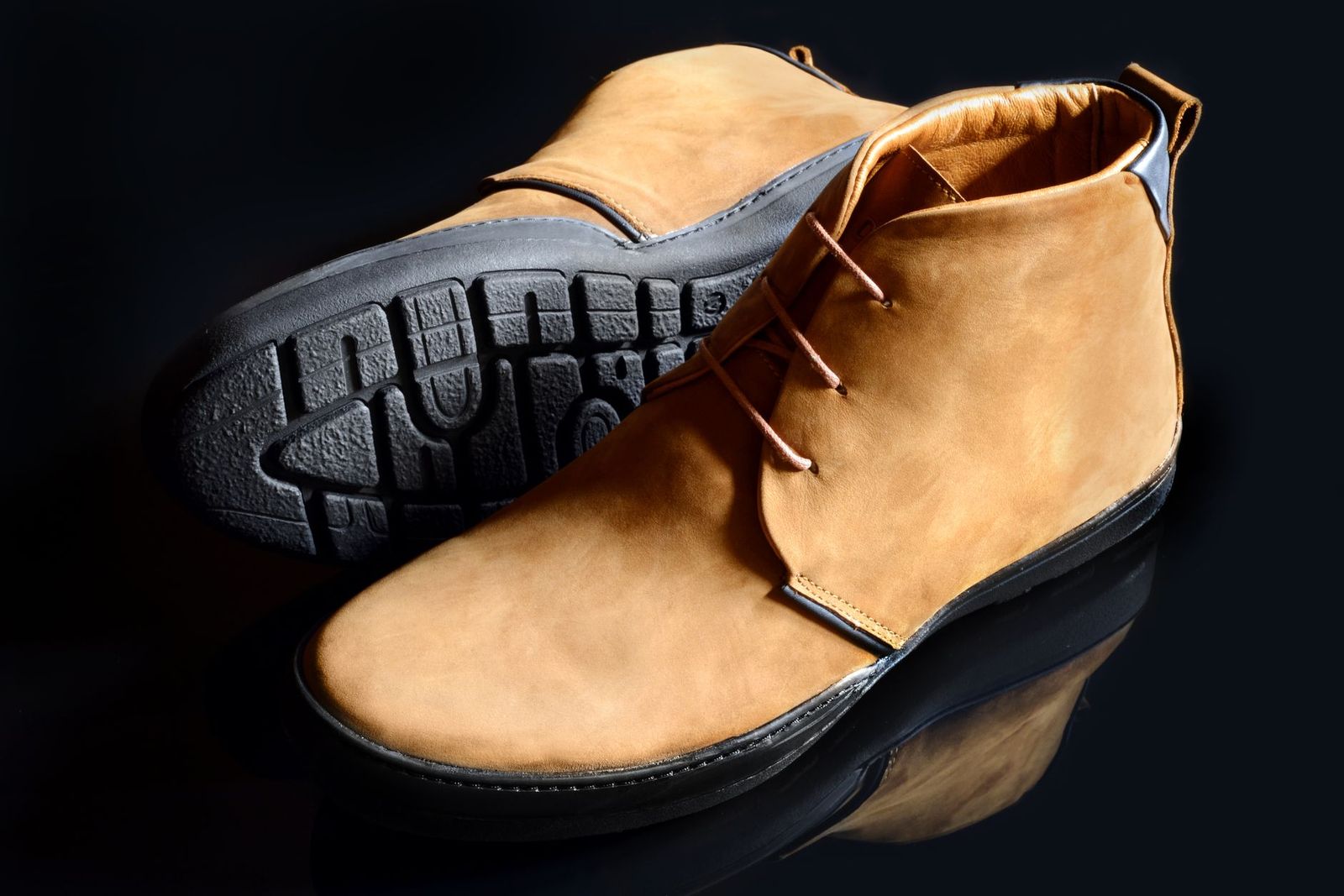
Leather chore boots look like regular work boots, with laces, a shaped ankle, and a waterproof membrane inside the upper. That construction gives you the best support of any type here, plus a closer fit for driving, climbing, and work on uneven ground. They are the natural pick when your day mixes barn chores with fencing and equipment repair.
Leather asks more from you in return. It costs more, usually about $120 to $250 for a solid pair, and it needs cleaning and conditioning to stay supple. The membrane keeps rain and shallow puddles out, but standing in deep water will eventually push moisture through seams and the tongue area, so leather is not a wading boot.
Short Ankle and Chelsea Style Boots
Short chore boots end just above the ankle and slip on and off through elastic side panels or a wide pull on opening. They shine for quick trips: collecting eggs, checking a garden, feeding pets, or walking a dry yard. With less material, they feel lighter than tall boots and stay cooler in warm weather.
The short shaft sets a hard limit. Mud, bedding, and water that would glance off a tall boot pour straight over the top of a short one, and loose hay and grit work into the opening as you walk. Treat this type as a fair weather, light duty option, not as your only pair if your land stays wet for months.
Tall Rubber Boots vs Waterproof Leather Boots: Which Should You Choose?
These two types compete for the same buyers most often, so it helps to compare them directly. For pure waterproofing, rubber wins, because a molded rubber boot has no seams above the foot and can stand in water for hours. Leather with a membrane handles rain and splashes well but has stitched seams that limit how deep you can go.
For support on hard or uneven ground, leather wins clearly, since laces lock your heel down and the ankle structure steadies each step. For cleanup, rubber wins again, because manure and mud rinse off in seconds while leather needs brushing and conditioning. On price, basic rubber pairs often start around $50, while good leather pairs cost about twice that. Choose rubber for wet, messy, daily barn work, and leather when support matters more than standing water.
How to Choose the Right Chore Boot
There is no single best chore boots style for every farm, homestead, or stable, because the right answer follows your water depth, your ground, and your climate. Work through the four factors below in order and the type choice usually makes itself.
Waterproofing and Membrane Choices
Start with the deepest water you truly face. Rubber and neoprene boots are waterproof by material, so their protection extends as high as the shaft reaches. Leather boots rely on an inner membrane, often a Gore Tex style lining or a similar house brand layer, sealed at the seams. Membranes let some sweat vapor escape, which is why leather feels more breathable, while rubber and neoprene hold moisture in and depend on your socks to manage it.
Cushioning, Arch Support, and Stability
Hours on concrete barn floors punish your feet in a way that soft pasture does not. Look for a cushioned insole with real arch support if you stand at a wash rack or work on pavement, and consider removable insoles so you can swap in a pair shaped for your arches. Stability comes from a firm heel counter, a shaft or ankle that limits side to side roll, and a modest heel to toe drop that keeps your stance planted.
Fit, Sizing, and Toe Box
Try chore boots on in the afternoon, when your feet are at their largest, and wear the sock you will actually work in. Your toes need room to spread and to clear the front when you kneel or step downhill, so favor a toe box that feels wide rather than tapered. A small amount of heel lift is normal in tall pull on boots, but your heel should not bang around. If you land between sizes, go up and adjust with sock thickness or an insole.
Tread, Durability, and Toe Protection
Deep, widely spaced lugs grip mud and shed it as you walk, which is what you want for fields and pens. On concrete and gravel, a shallower tread wears more slowly and tracks less muck into the house, so match lug depth to your main surface. A steel or composite safety toe earns its weight around livestock, pallets, and equipment, while a plain toe is lighter for garden work. Durable pairs use thick rubber or full grain leather with soles that resist splitting at the flex point.
Tips to Get the Most From Your Chore Boots
A few habits make any type work better. Match your socks to the boot and season, with wool blends for cold weather and lighter cushioned socks for summer, because the right sock does half the comfort work. Use a boot jack when you take tall boots off instead of prying at the heel with your other foot, which slowly tears heel counters and pull loops.
Common Mistakes to Avoid
- Buying a shaft that is too short for your mud, so water and slurry pour over the top on the first deep day.
- Choosing a smooth fashion sole for slick barn floors, so every wet concrete aisle becomes a fall risk.
- Trying boots on with thin dress socks and then wearing thick winter socks, so your toes end up pinched and cold.
- Picking a heavily insulated pair as your only boots, so your feet overheat through spring and summer chores.
- Expecting leather waterproof boots to wade like rubber, so seams and the tongue leak during long work in standing water.
- Judging fit only while standing still, so you miss heel slip and toe crowding that show up once you start walking and kneeling.
How to Make Your Chore Boots Last Longer
Rinse mud and manure off your boots after messy work and wash them now and then with mild soap and water, because dried manure and fertilizer residue slowly break down both rubber and leather. Let wet boots air dry at room temperature away from direct heat such as a wood stove or radiator, since strong heat cracks rubber and stiffens leather. A boot dryer on a low heat cycle is a gentler option for pairs that get wet daily.
Store boots upright so the shafts keep their shape, using boot trees, rolled towels, or simple shaft shapers in tall pairs. Condition leather uppers once they look dry and pale, but skip oils and conditioners on rubber and neoprene, which need only cleaning. Inspect the flex points across the toes and around the ankle monthly, and rotate two pairs if you work in wet conditions daily, since a full day of drying between wears slows material breakdown. When tread wears smooth or cracks leak, replacement becomes a safety issue.
Frequently Asked Questions
Can you wear chore boots all day?
Yes, you can wear chore boots all day when the fit and support match your feet. Choose a style with enough cushioning and arch support for your main surface, and wear socks that manage sweat. One extra habit helps on long days: change into dry socks at midday. Fresh socks restore cushioning, cut friction, and make an afternoon in the same boots feel far easier.
How often should you replace chore boots?
You should replace chore boots when the tread, waterproofing, or support gives out rather than on a fixed schedule. Check the lining inside the heel as well, since a worn lining causes blisters long before the outside looks rough. Boots worn daily in wet barns may reach that point in a year or two, while a fair weather pair used weekly can last much longer.
Do chore boots need to be waterproof?
Chore boots need to be waterproof whenever your work involves standing water, washdowns, or mud deeper than your sole. Think of hose work and pressure washing as standing water too, since spray drives moisture into seams and openings. If your chores stay on dry ground and damp grass, a water resistant leather boot may be enough, and it will breathe better on warm days.
How should chore boots fit?
Chore boots should fit snugly at the heel, with room for your toes to move and about a thumb width of space in front of your longest toe. Test the fit on a slope or by stepping down off a curb, because toes that jam forward on a decline will ache on hilly ground. Your foot should feel held, not squeezed.
How long is the break in period for chore boots?
The break in period for chore boots is short for rubber and neoprene pairs, which feel much the same from the first wear, and longer for leather pairs. Expect leather to need about one to two weeks of short wears before the ankle and foot bed shape to you. Start with an hour or two around the yard rather than your longest workday, and add time as stiff spots soften.
Final Thoughts
Choosing well comes down to three things: the deepest water and mud you face, the surface under your feet, and the season that works your boots hardest. Match the type to those answers, confirm the fit with your real work socks, and check tread and toe protection against your riskiest tasks. The product table above can then confirm prices within the type you picked. Chosen that way, the best chore boots become the pair you reach for without thinking, season after season.