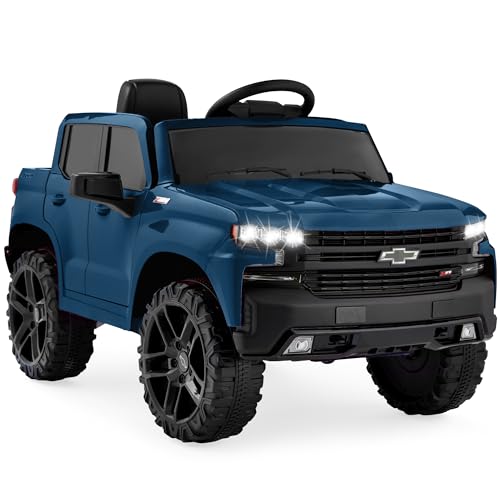
Best Choice Products Jeep Wrangler for 2026
Disclosure: We may earn a commission when you buy through links on this page, at no extra cost to you. As an Amazon Associate I earn from qualifying purchases. Learn more

Compare best choice products jeep wrangler ride on options by seat size, battery, speed settings, and safety features, plus what each price level offers.
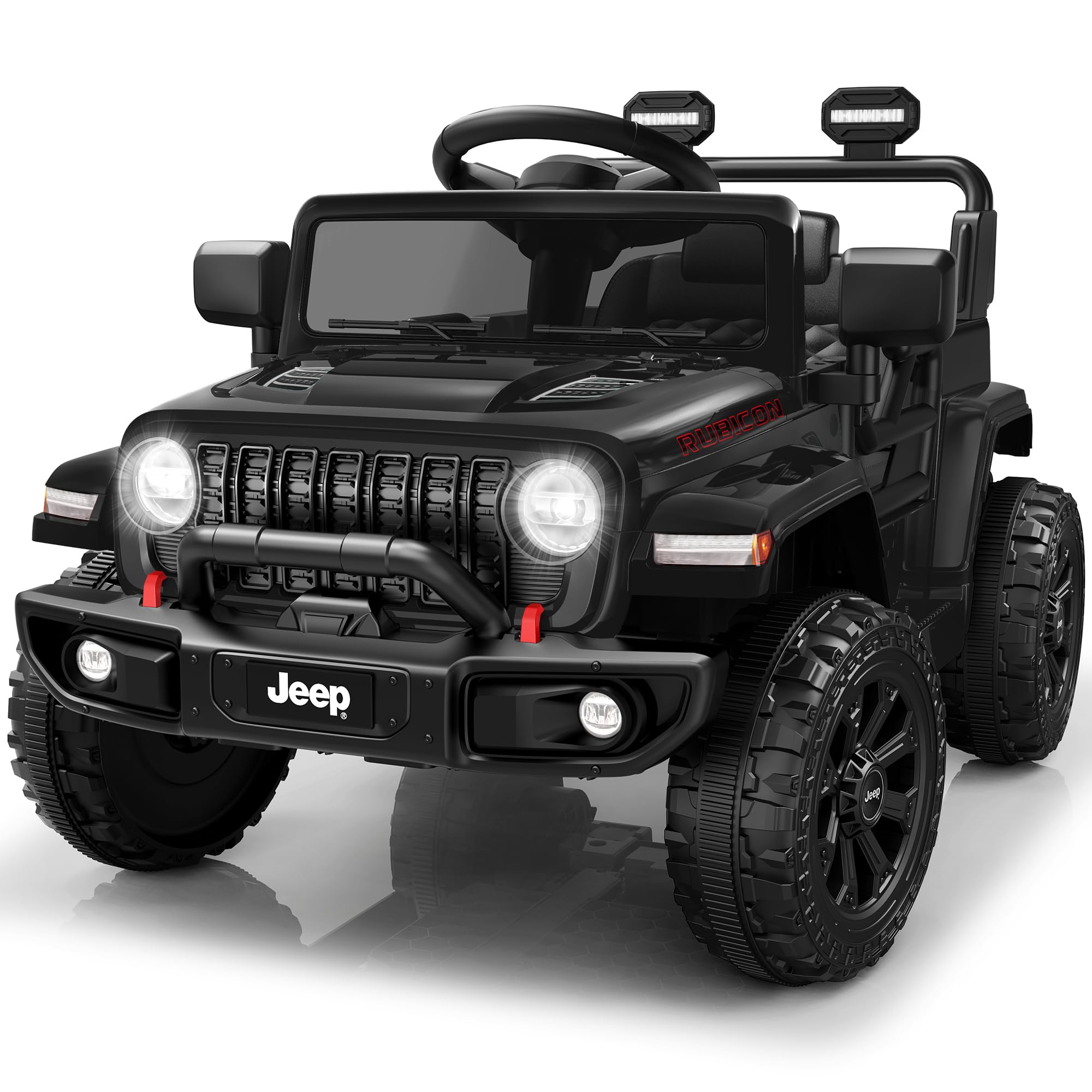
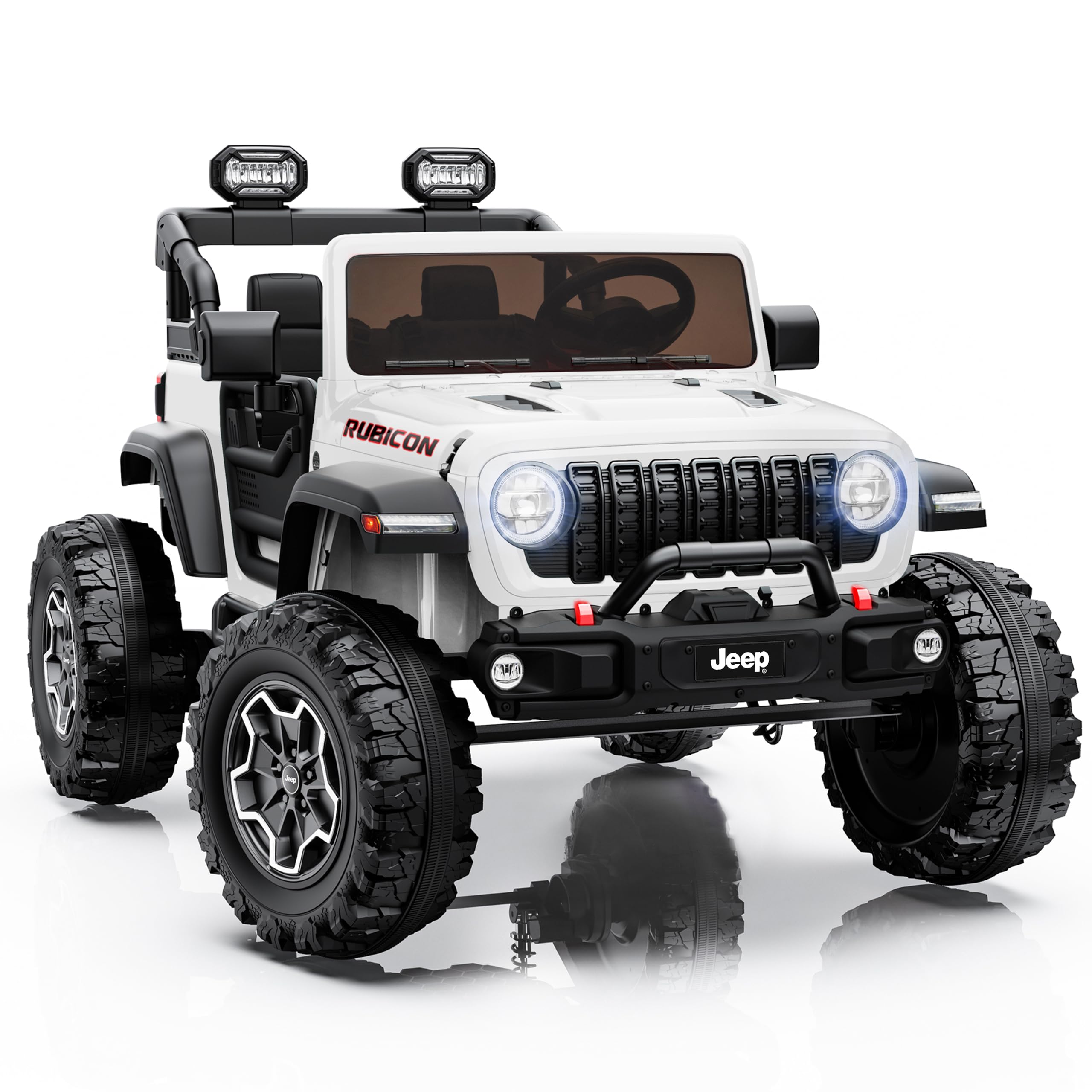
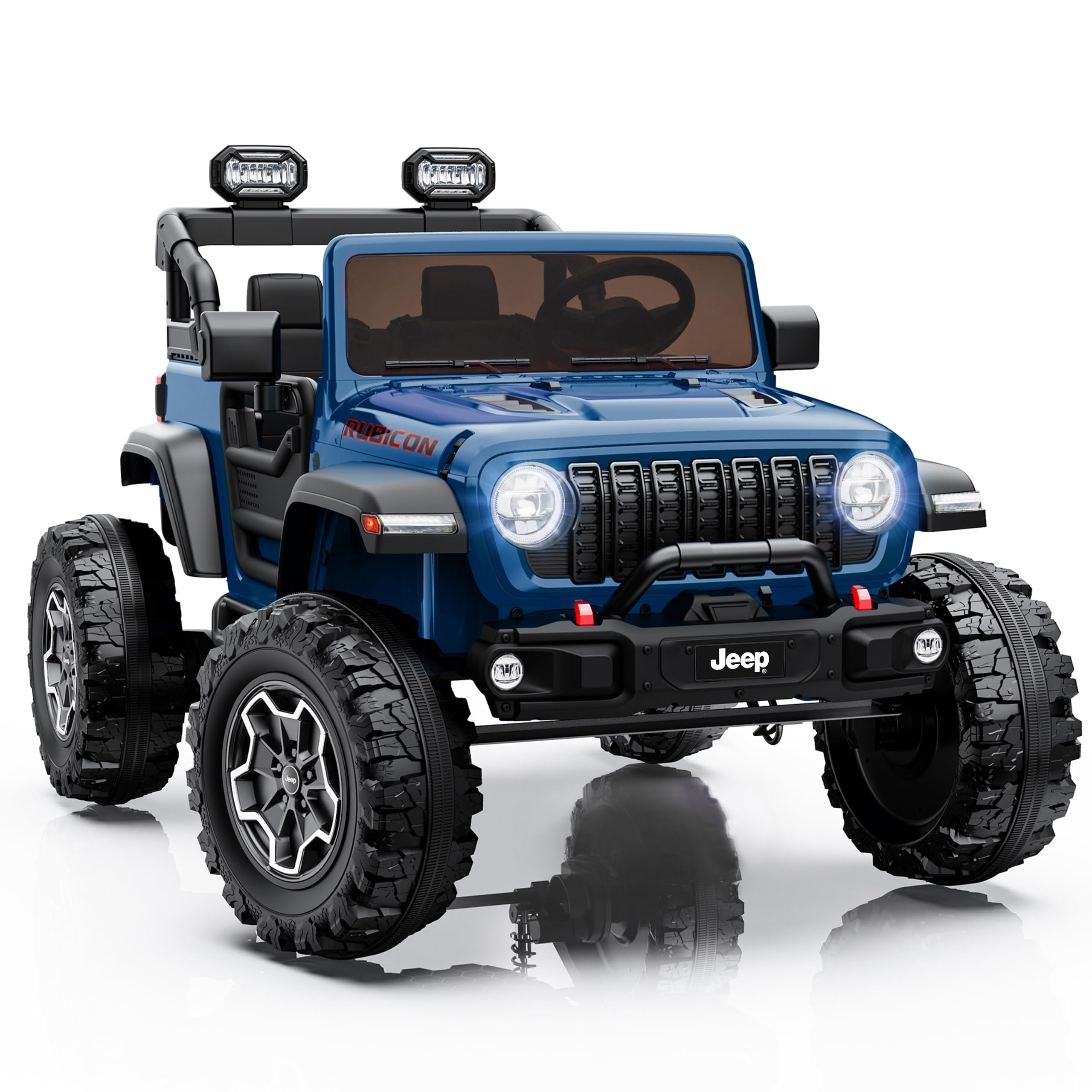
A ride on toy styled after a Jeep Wrangler can give a child a fun way to play outdoors, but the right one depends on the child size, the play area, and how much supervision the ride needs. Best choice products jeep wrangler options vary in seat room, battery power, speed settings, and safety features, so it helps to compare those points before you choose. The comparison table below can help you sort the main types by use.
These ride on toys are battery powered vehicles that a child drives with a steering wheel and pedals, often with a parent remote control for younger drivers. They are meant for driveways, yards, and other flat, open areas, not for roads or steep ground. The sections below focus on fit, power, safety, and running costs.
Who Should Buy a Best Choice Products Jeep Wrangler Ride On?
Younger Children With Close Supervision
For younger children, a smaller ride on with a low top speed and a parent remote control is the safest starting point. The remote lets an adult steer or stop the vehicle while the child learns the controls. A single wide seat with a seat belt, simple pedals, and easy to reach controls also helps a young driver feel steady.
Older Children Ready for More Independence
Older children often enjoy a larger ride on with more legroom and a higher speed setting. Look for a sturdy frame, clear steering, and brakes that respond quickly when the pedal is released. Even with more independence, an adult should still watch the ride and set clear limits on where the vehicle may go.
Families With Room to Roam
If you have a large yard or a safe paved area, a roomier ride on with longer battery life makes more sense. It can cover more ground without frequent charging, and wider tires can handle grass better than small hard wheels. Measure gates and storage space first, since larger ride on toys need more room to turn and to store.
Choosing by Child Size and Play Area
Small Yards and Driveways
A compact ride on suits a small yard or driveway. It turns in less space, is easier to carry or store, and is less likely to bump into garden beds or parked cars. Keep the play area clear of toys, hoses, and other trip hazards, and set a clear boundary for where the child may drive.
Open Yards and Parks
An open yard allows a larger ride on with more power and longer running time. Wider tires and stronger motors handle grass better, but speed still needs limits. Agree on a route before the ride starts, and keep the vehicle away from roads, water, slopes, and other hazards.
Shared Play With a Sibling or Friend
Some ride on toys offer two seats, which can suit families with two young children close in age. Check the total weight limit and the seat width, since two children need room to sit safely with belts fastened. A two seat model is heavier and needs more turning space, so it suits larger play areas best.
What Your Money Gets You at Each Price Level
Lower Priced Ride Ons: What to Expect
Lower priced ride ons, at about $100 to $200, are usually smaller, with a single seat, a smaller battery, and a lower top speed. They suit younger children and short play sessions in a small area. Materials may be lighter, so check the frame and wheels for sturdiness before the first ride.
Middle Priced Ride Ons: A Strong Balance
Middle priced ride ons, at about $200 to $350, often add a larger battery, a parent remote control, working lights, and sounds. They suit families who want longer play sessions and a bit more room for a growing child. Build quality also tends to improve, with sturdier wheels and a more solid seat.
Higher Priced Ride Ons: When Extra Spending Makes Sense
Higher priced ride ons, at about $350 to $500 or more, often offer two seats, stronger motors, and better suspension for grass and uneven ground. The extra cost is easiest to justify for older children, larger yards, or shared use by two children. Check the weight limit and battery life carefully, since these models are heavier and need more charging time.
Features Worth Paying For (and Ones to Skip)
Safety and Certifications
Safety features matter more than extra sounds or lights. Look for a seat belt, a stable wheelbase, a parent remote control for younger drivers, and clear maker guidance on age and weight limits. Follow that guidance closely, and check that the toy meets the safety standards stated by the maker. A ride on that fits the child well is safer than a larger one the child cannot control.
Price Versus Value
Value is the balance of fit, battery life, safety features, and durability for your child and play area. A low priced ride on that a child outgrows in a few months can cost more in the long run than a slightly larger model used for years. A costly ride on with features a young child cannot use yet is also poor value, so match the price level to the child age and the space you have.
Intended Use and Who It Is For
Think about who will drive the ride on most often and where it will be used. A child who rides daily needs a sturdier build and a longer battery life than a child who rides only on weekends. If the vehicle will be used on grass, wider tires and stronger power matter more than top speed. If it will be used mainly on a driveway, a compact model may be enough.
Build Quality and Materials
Look at the frame, wheels, seat, and steering for sturdiness. Plastic bodies are common and easy to clean, but the frame and axles should feel solid. Check that doors, if fitted, open and close securely, and that small parts are firmly attached. A well built ride on should not flex or rattle badly when a child climbs in and out.
Long Term Costs to Factor In
Beyond the purchase price, budget for charging electricity, a replacement battery after extended use, and occasional parts such as tires or a remote control. Store the ride on in a dry place and charge the battery as the maker directs, since poor charging habits can shorten battery life. Regular checks of tires, belts, steering, and brakes help catch wear early and keep the vehicle safe to use.
Accessories can add to the fun and the cost. A spare battery and the charger approved by the maker let a child ride longer between charges, while a helmet and knee pads add protection on every ride. Check that any extra part is made for your exact model before you buy it, and never use a charger that the maker has not approved.
Frequently Asked Questions
How long does a choice products jeep wrangler last?
A choice products jeep wrangler can last for several years of regular play when it is stored dry and checked often. Its lifespan depends on build quality, how often it is used, and how well the battery is charged. Follow the maker guidance on charging and weight limits, and replace worn tires or belts promptly. A ride on that is left outdoors in rain or used beyond its weight limit will wear out faster.
How much should I spend on a choice products jeep wrangler?
Most families do well at about $100 to $350, depending on the child age, seat needs, and play area. Younger children in small yards suit the lower end of that range, while older children or two seat use justify the higher end. Spending more makes sense when you need longer battery life, stronger motors, or a larger seat. Spending less makes sense when the ride on will see only light, occasional use.
What features matter most when buying choice products jeep wranglers?
Fit, safety features, battery life, and build quality matter most. Fit means the child can reach the pedals and steering while seated with the belt fastened. Safety features include a parent remote control, a stable base, and clear age and weight guidance. Battery life should cover a normal play session without frequent stops, and sturdy wheels with a solid frame matter more than extra lights or sounds.
Are expensive choice products jeep wranglers worth it?
Expensive choice products jeep wranglers are worth it mainly for older children, larger yards, or two children sharing one vehicle. They tend to offer stronger motors, longer battery life, and sturdier construction. For a young child in a small yard, a lower priced ride on often does the job. Decide based on the child size and how often the vehicle will be used, not on extra features alone.
How do I maintain a choice products jeep wrangler?
Maintain a choice products jeep wrangler by cleaning it after muddy play, checking tires, belts, steering, and brakes, and charging the battery as the maker directs. Store it in a dry place, away from direct rain, and keep small parts firmly attached. Check the seat belt and remote control before each ride. Regular checks help you spot wear early and keep the vehicle safe for the next play session.
Final Thoughts
Start with the child size and age guidance, then match seat room, battery life, and safety features to your play area. A compact ride on suits younger children and small yards, while a larger model suits older children and open ground. Follow the maker safety guidance, supervise every ride, and keep small parts away from children who might handle them unsafely. When you weigh those points against the product table above, best choice products jeep wrangler becomes a practical choice rather than a guess.