
Best Chef Shoes for Sore Feet: A First Time Buyer's Guide for 2026
Disclosure: We may earn a commission when you buy through links on this page, at no extra cost to you. As an Amazon Associate I earn from qualifying purchases. Learn more
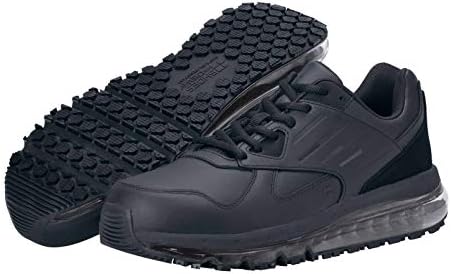
Shopping for the best chef shoes for sore feet for the first time? Learn key terms, compare cushioning options, and avoid mistakes with this guide.
If your feet throb before service even ends, you are not alone, and the right work shoe can change how the last hours of a shift feel. This beginner friendly guide explains best chef shoes for sore feet in plain language, covering cushioning, fit, traction, and the small details new buyers miss. You will finish knowing what to try first and what to skip.
Begin with the comparison table below to compare support styles, weights, and price ranges at a glance. Then read on for the reasoning behind each feature, so your choice fits your feet rather than a generic promise of comfort.

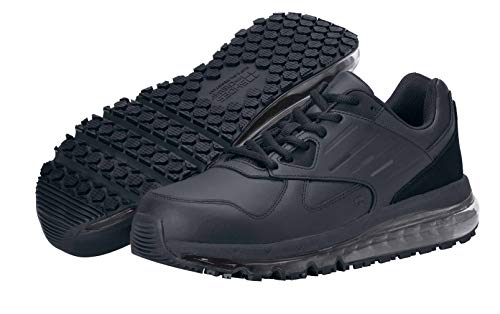
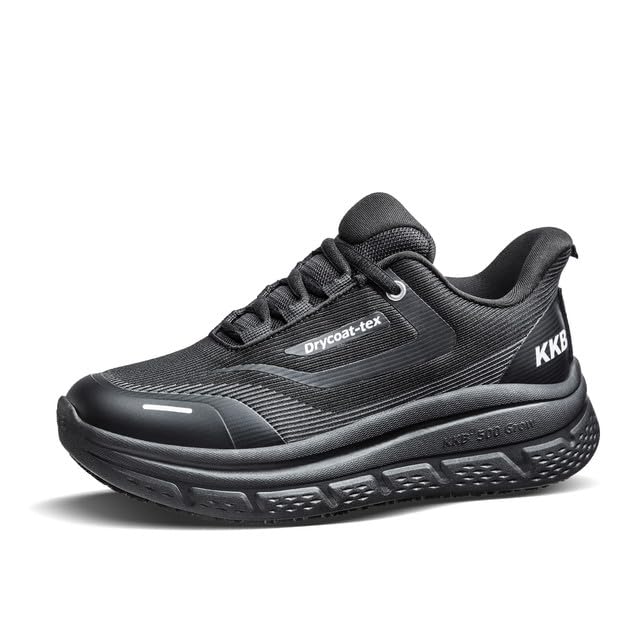


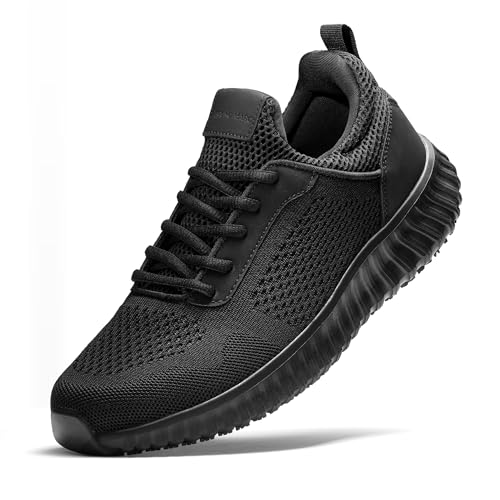
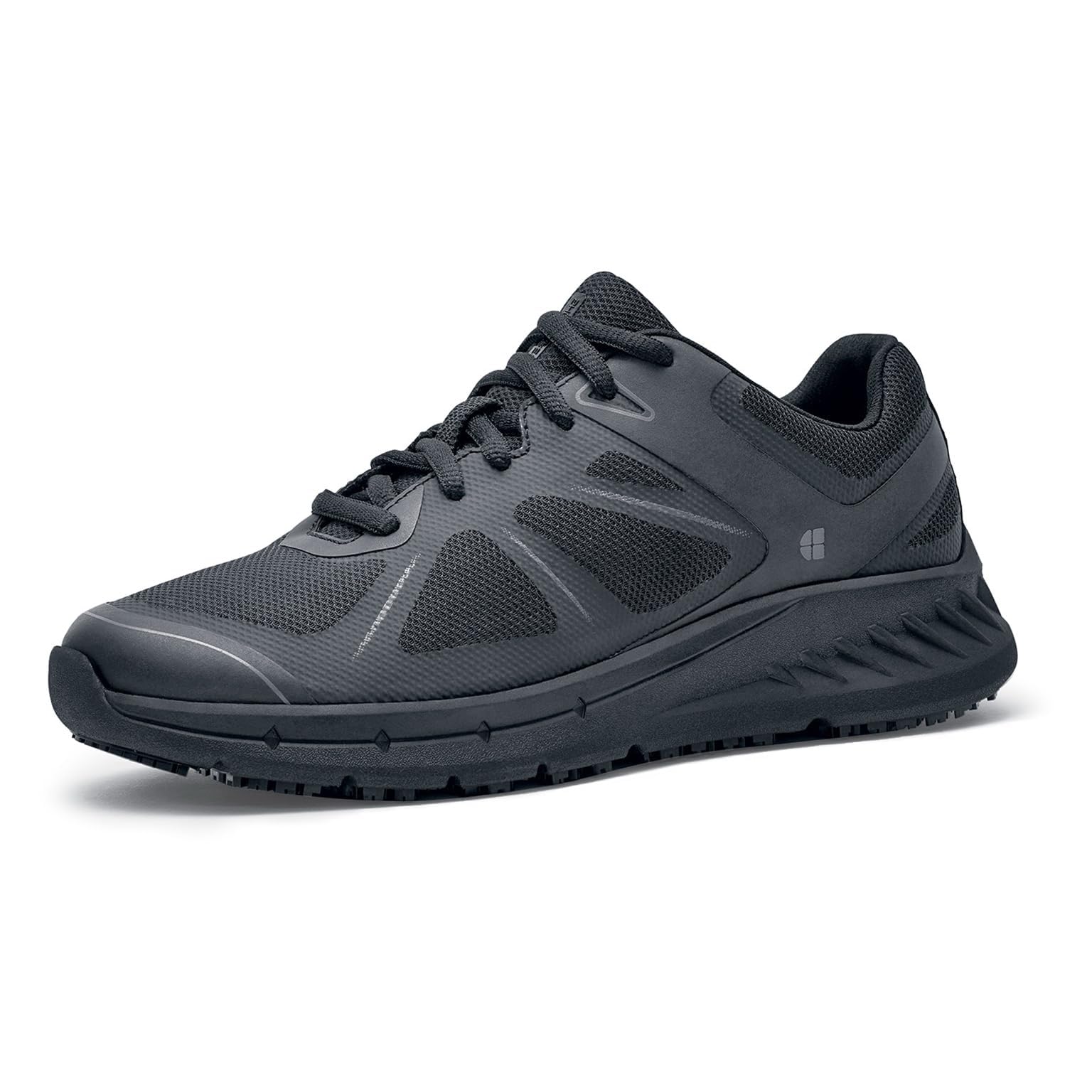

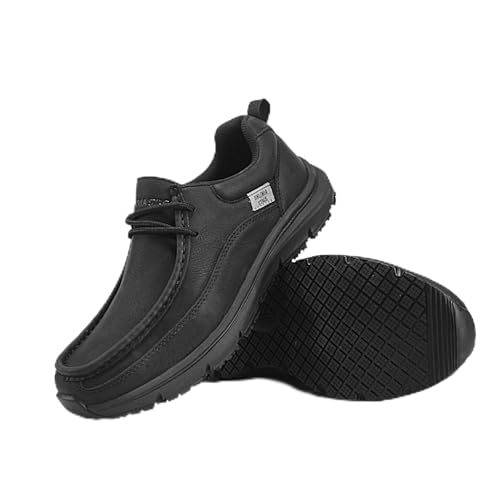
Chef Shoes 101: The Basics
A chef shoe protects you in three ways at once. The closed upper sheds hot spills and keeps toes safe, the outsole grips wet and greasy tile, and the inside cushioning and support absorb the impact of standing and walking on unforgiving floors. A normal sneaker may handle one of those jobs, but kitchen work demands all three together.
Sore feet in the kitchen usually come from pressure and fatigue building hour after hour. Hard floors return force to your heels and forefeet, tired arches flatten under load, and heat swells feet inside shoes that fit fine at the start of the day. Good chef shoes slow that buildup with foam that absorbs shock, support that shares the load, and room for swelling.
Know the key terms before you shop. The midsole is the cushioning layer, the insole is the removable footbed on top of it, the outsole is the gripping rubber below, and the toe box is the space around your toes. With those four words clear, every product description becomes easier to judge.
Key Specs Explained in Plain English
Features That Matter for Sore Feet
In the best chef shoes for sore feet, the winning mix is responsive cushioning under the heel and forefoot, gentle arch support, and a sole that stays stable when you pivot. Look for a midsole that compresses under your thumb and springs back, not foam that stays dented. A heel to toe drop around 8 to 12 mm suits most cooks, keeping pressure balanced rather than dumping it all onto the forefoot.
A removable insole lets you adjust the feel or add an orthotic later if a clinician recommends one. Seek medical advice promptly for warning signs such as sharp heel pain first thing in the morning that does not ease, numbness, swelling that lasts for days, or sores that heal slowly. Shoes help fatigue, but those symptoms need professional care.
Fit, Sizing, and Toe Box
Fit your shoes late in the day or after a shift, when sore feet are swollen and honest about the room they need. Aim for about a thumb width in front of your longest toe, a heel that does not lift as you walk, and no pinching across the widest part of your foot. Wear your thickest work socks during the fitting.
A wide toe box is one of the kindest features for sore feet, since toes that can spread share pressure and balance better. If one foot is larger, fit that foot first. Many first time buyers discover they need a wide size, not a longer size, a change that relieves forefoot ache without making the heel sloppy. For general background, our guide to the best shoes for sore feet covers fit checks you can reuse here.
Break In Period and Comfort Out of the Box
Some chef shoes feel comfortable immediately, with soft uppers and flexible soles that need almost no adaptation. Others, especially firmer support and leather styles, need about one to two weeks of shorter wears before they match your feet. Neither path is automatically better, but your schedule matters. If you face a run of long shifts, choose a pair that feels good on day one.
During break in, mild stiffness is normal, while blisters, hot spots, and new sharp pain are not. Wear new shoes for prep or a half shift first, and keep your old pair nearby as a backup. A shoe that still hurts after a fair trial is the wrong shoe, however good its reputation.
Cushioning and Support
Cushioning and support solve different problems. Cushioning softens impact, which helps sore heels and forefeet on concrete, while support holds your arch and heel steady, which helps tired arches and ankles. Stability shoes add firmer material to guide inward roll, while neutral shoes offer even cushioning without that guidance and suit feet that do not roll much.
Midsole thickness helps up to a point. Very thick and soft stacks can feel unstable on wet tile when you carry a heavy tray, so test balance as well as softness. Press, twist, and stand in a shoe before you buy. It should bend at the toes, resist twisting in the middle, and feel planted when you shift your weight side to side. Walkers face similar choices, as our guide to the best walking shoes for sore feet explains for long days on pavement.
Outsole Traction and Terrain
Kitchen terrain means wet tile, greasy patches near fryers, and smooth concrete in storage areas, all in one shift. A proper chef shoe outsole uses soft rubber and a fine tread pattern with many small gripping edges to channel liquid away. Deep lugs like hiking soles are not the goal here, since broad contact and siping grip slick indoor floors better.
Check that the sole is described as slip resistant for oily and wet surfaces, and inspect the tread in person if you can. Vibram and similar branded rubbers appear on some work shoes and can grip well, but the pattern and rubber softness matter more than the brand name. Worn smooth tread is a safety failure, so treat tread checks as part of care, not vanity.
Women comparing fits across categories can also read our guide to the best women's shoes for sore feet for width and sizing notes that apply in the kitchen too.
Rookie Mistakes to Avoid
- Buying for the first step only. Store softness fades fast, so judge support and fit after standing and walking for several minutes.
- Wearing running shoes to work. Mesh uppers soak up spills, soles are not rated for grease, and a fall risks far more than sore feet.
- Sizing for morning feet. Shoes bought small feel punishing by hour six, so always fit when feet are warm and swollen.
- Chasing maximum cushioning. The thickest foam can feel wobbly on wet floors, so balance softness with a stable base and real grip.
- Waiting for visible damage to replace shoes. Foam dies quietly, and returning soreness is your signal even when the upper still looks fine.
Getting Started: Setup and First Use
Start new shoes on a shorter shift and lace them firmly so your foot stays back in the heel and toes keep their space. Pair them with cushioned work socks, since thin socks waste good midsole design. Note how your feet feel at the start, middle, and end of the first three shifts, because patterns in that simple log tell you more than memory alone.
Air dry wet shoes away from direct heat and remove the insoles so the inside dries fully and odors stay down. Rotate two pairs if your budget allows, giving foam a day to recover between wears. Plan to replace work shoes after about 6 to 12 months of full time wear, sooner if soreness returns.
At home, rest helps recovery too. Supportive house footwear is a separate purchase, and our guide to the best slippers for sore feet covers gentle options for evenings off your feet. If soreness keeps building despite good shoes, rest, and sensible hours, talk with your clinician about your personal needs.
FAQs
What features matter most in chef shoes for sore feet?
Responsive cushioning, steady arch support, a roomy toe box, and a certified slip resistant outsole matter most for sore feet at work. Together they reduce impact, share pressure, and keep you safe on wet tile. A removable insole adds future flexibility for orthotics. If you must rank them, start with fit, then grip for safety, then cushioning and support as a matched pair rather than rivals.
Can I wear them all day?
Yes, chef shoes are built for full shifts, and a well fitted pair should feel supportive from clock in to clean up. Build wear time over the first week if the support feels new to your feet. Short walks and weight shifts during quiet moments help circulation more than standing frozen in one spot. If all day wear causes numbness or sharp pain, stop and reassess the fit or seek professional advice.
Are expensive chef shoes worth it?
Higher prices can buy foams that stay responsive for more months, better grip compounds, and uppers that survive daily wiping and spills. A solid mid range pair around $80 to $150 meets the needs of most first time buyers. Paying more for fashion or for waterproof membranes you do not need adds little for sore feet. Judge cost per month of comfortable shifts, and premium pairs often look fairer on that measure.
How often should I replace my chef shoes?
Plan on replacement every 6 to 12 months with full time kitchen use, guided by feel rather than appearance alone. When heel cushioning feels flat, tread looks smooth in the main grip zones, or end of shift soreness returns in shoes that once helped, the pair is done. Part time cooks may stretch that timeline, while dish and fryer roles with heat and grease exposure shorten it.
Do I need waterproof shoes?
Most cooks need water resistance, not full waterproofing. A closed leather or coated upper sheds spills and splashes while staying more breathable than a sealed membrane. Gore Tex style membranes suit dish pits and constant wet work but can feel hot on the line, and heat swells sore feet further. Choose full waterproofing only when standing water is part of your normal shift, not an occasional spill.
How long is the break in period?
Soft, flexible chef shoes may need only a few shifts, while firm support and leather styles often need one to two weeks of gradual wear. Increase wear time a little each day and watch for hot spots that predict blisters. Break in should trend more comfortable, never less. Pain that grows, numb toes, or new heel pain means the size or support type is wrong for your feet.
Final Thoughts
Put fit first, grip second, and balanced cushioning with support third, and most first time buyers land on a shoe that truly helps. Recheck your shortlist in the product table above and the comparison table above for toe box width, drop, and tread before you order. With those choices made well, best chef shoes for sore feet can turn the end of a shift from a limp into a walk. Talk with your clinician about personal needs if pain persists.


