Best Charcuterie Gift Sets: Every Type Explained Side by Side for 2026
Disclosure: We may earn a commission when you buy through links on this page, at no extra cost to you. As an Amazon Associate I earn from qualifying purchases. Learn more

Compare the best charcuterie gift sets by type, pros and cons, ideal users and price range to choose the right style.
Charcuterie gift sets look similar in photos, yet they can be very different gifts. Some are beautiful boards with tools and no food at all, while others arrive as complete spreads with cured meats, cheeses, and crackers ready to serve. This guide to the best charcuterie gift sets compares each type clearly so you can match the gift to the person.
You will see how compact, mid range, budget, and premium sets differ in size, materials, and perishability. Start with the comparison table below, then read the type breakdown before you order, especially if the gift must travel by mail.

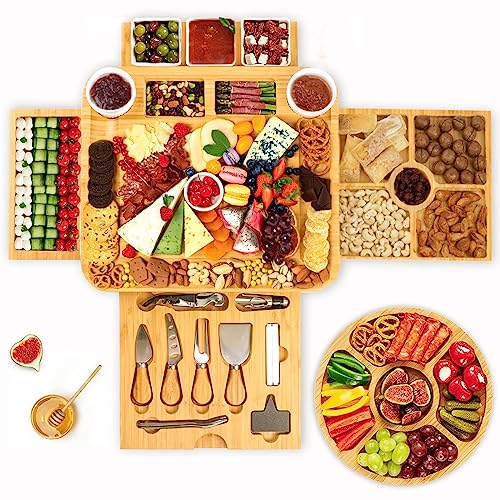

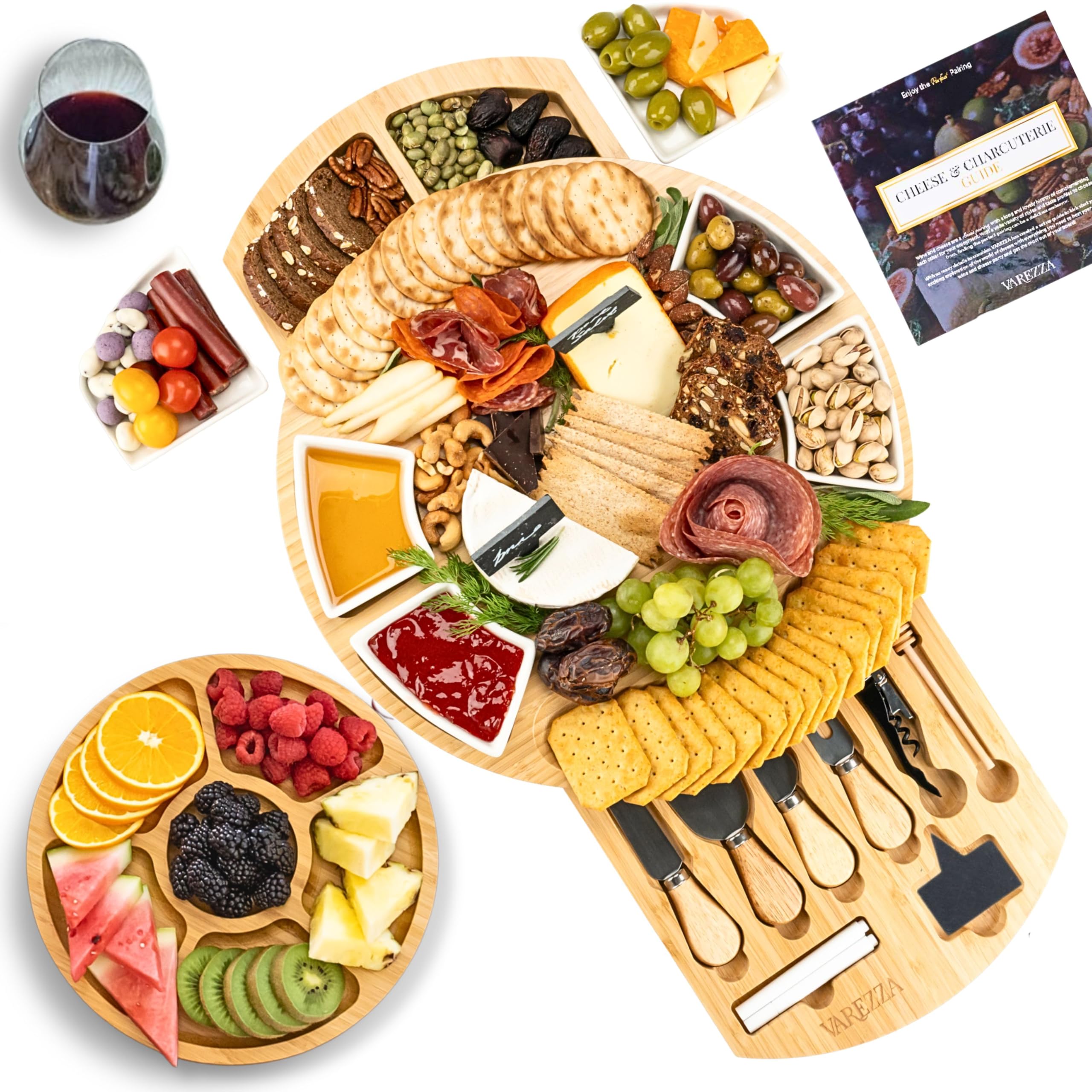
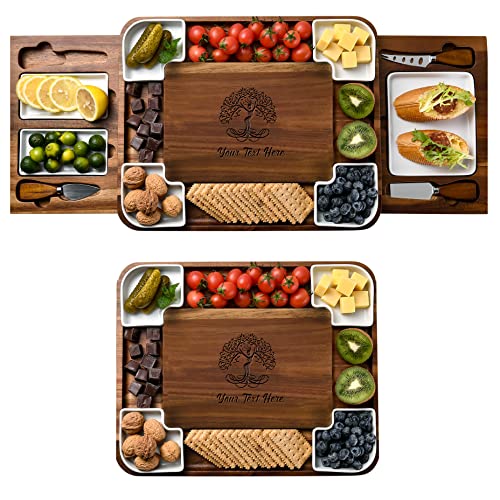


Types of Charcuterie Gift Sets Compared
The four types below cover nearly everything sold under this label. As a quick frame: compact sets typically cost around $30 to $60 and suit two to four people, mid range sets run around $60 to $120 with fuller tools and food, budget sets sit under $40 with simpler contents, and premium sets reach around $120 to $250 with large boards and generous spreads. The details matter more than the label, so read each type against your recipient.
Compact Options
Compact sets center on a small board, often round or rectangular, paired with two to four cheese knives and sometimes small bowls. Some include a few shelf stable items, while many are board and tools only. Their strength is versatility: the board works for weeknight snacks long after the first serving, and the small size stores easily in an apartment kitchen. The limit is serving capacity. A compact board crowds quickly with more than three or four items, so it suits couples and small households rather than party hosts.
Mid Range Options
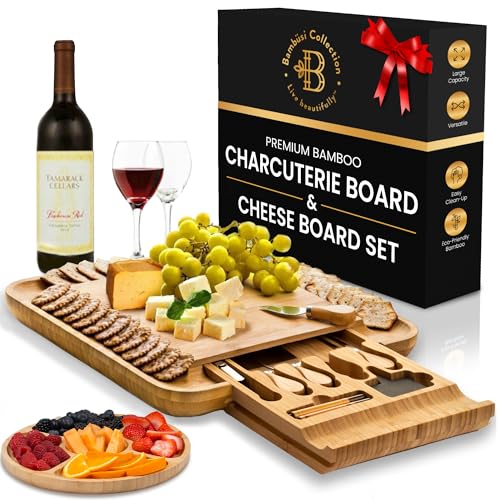
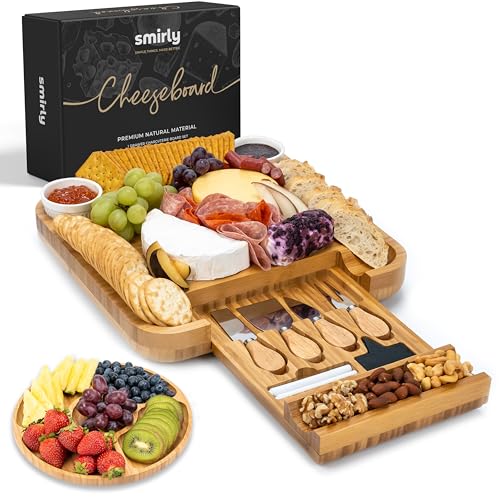
Mid range sets are the balanced choice for most gift giving. The board is larger, the tool set usually adds forks, spreaders, and sometimes markers for labeling cheeses, and many sets include accompaniments such as nuts, dried fruit, mustard, or jam. Some add drawers built into the board that store the knives, which keeps everything together. These sets present beautifully and serve four to six people comfortably. Their weakness is weight: a full wood board with drawers can be heavy to ship and to carry to gatherings.
Budget Options
Budget sets keep costs down in one of two ways: a simple bamboo board with a basic knife set, or a food focused box with cured meats and cheeses but no lasting board. Both can be good gifts when chosen honestly. A simple board set gives a lasting item with modest flair, while a food box gives immediate enjoyment and nothing to store. Watch for very thin boards that warp and for food boxes with small portions dressed up in large packaging. Cost per ounce of food tells the truth quickly.
Premium Options
Premium sets go large and generous: big acacia, olive wood, slate, or marble boards, complete tool collections, and full spreads with several meats, cheeses, crackers, and sweets. Presentation is part of the value, with gift boxes, ribbons, and personal notes included. These sets suit milestone occasions, corporate thanks, and hosts who entertain often. The trade offs are price, perishability, and storage. A large board needs a home, and a full food spread needs fridge space and a plan to serve it within days of arrival.
Compact Options vs Mid Range Options: Which Should You Choose?
Choose compact if your recipient cooks for two, lives in a small space, or would value a quality everyday board over a party piece. Compact sets also travel well as hand carried gifts and cost less to ship. Choose mid range if the gift marks a bigger occasion, the recipient hosts small gatherings, or you want tools and accompaniments included so the set feels complete on opening. On materials the two types overlap, so the real differences are serving size, included tools, and whether food comes in the box. When in doubt, mid range is the safer celebration gift, while compact is the smarter personal one.
How to Choose the Right Charcuterie Gift Set
Type sets the direction, but four practical checks decide whether a specific set will delight or disappoint. Run through them before you pay, and most surprises disappear.
Maintenance and Long Term Costs
Wood boards need hand washing, prompt drying, and a coat of food safe mineral oil every month or two of regular use to prevent cracking. That upkeep is simple but real, so consider whether your recipient will enjoy it. Food inclusive sets shift the cost picture: the board lasts, but the food is a one time pleasure, and replacement spreads cost extra. Marble and slate need less oiling but can chip at the edges. Match upkeep to the person, not to the photo.
Build Quality and Materials
Bamboo is light, affordable, and gentle on knives, though it can split if soaked. Acacia and olive wood are denser and show rich grain, at a higher price and weight. Slate gives a striking dark surface and can be written on with chalk, but it is brittle if dropped. Marble stays cool, which cheeses like, yet it is heavy and can stain. Check board thickness, smooth sanding, and knife handles that feel solid. Thin, rough, or wobbly parts signal a set built for photos rather than years of use.
Ease of Use and Setup
A good set should go from box to table in minutes. Knives stored in a drawer or a fitted case beat loose tools in a big box. Boards with a juice groove or raised edge keep olives and grapes from escaping. For food sets, clear labels and a serving suggestion card help the recipient arrange the spread with confidence. If the recipient is new to charcuterie, that small guidance turns a box of items into an experience they can repeat later on their own board.
Intended Use and Who It Is For
Name the main user before you buy. A food loving couple may treasure a complete spread, while a home cook may prefer a fine board they will use weekly. Check dietary needs early: many sets include pork based cured meats, nuts, dairy, and wheat crackers, and not every brand offers swaps. For office gifts, shelf stable contents and a neutral presentation are safer. If your recipient would rather receive a different category entirely, our broader guide to the best gift sets can point you in a better direction.
Care and Maintenance Tips
Read any care card before first use, because wood, slate, and marble each have their own limits. Wash boards by hand with mild soap, dry them right away, and store them in a dry place standing upright when possible. Inspect knives and board edges regularly, and oil wood at the first sign of a dry, pale surface. For food items, refrigerate perishable cheeses and opened meats promptly, respect use by dates, and plan the serving within a few days of a food set arriving for the freshest taste.
FAQs
What features matter most when buying charcuterie gift sets?
Board material and size matter most for lasting sets, while food quality and portion size matter most for complete spreads. Check whether food is included at all, because many handsome sets are board and tools only. One feature buyers skip is the knife mix: a fork tipped knife, a spreader, and a hard cheese knife cover most foods, while extra specialty knives add cost without adding much use for a casual host.
How much should I spend on a charcuterie gift set?
Most buyers land between around $40 and $120. Under $40 buys a simple board set or a modest food box, which suits casual thanks and small occasions. The $60 to $120 band buys better wood, fuller tools, and generous food. Spend above that only when the occasion is major or the recipient entertains often. Shipping for heavy or refrigerated sets can add around $10 to $25, so include delivery in your real budget from the start.
Are expensive charcuterie gift sets worth it?
They are worth it when the premium buys things your recipient will keep or truly savor: dense hardwood, well made tools, and quality meats and cheeses in honest portions. They are not worth it when the price mostly buys oversized packaging and filler items such as excess straw and tiny jars. A useful test is to imagine the set without its box. If the board and food still look generous on a plain table, the value is real.
How long does a charcuterie gift set last?
The board and tools in a good set can last for many years with hand washing and regular oiling. The food portion follows its own clock: unopened shelf stable meats keep for weeks or months per their labels, while soft cheeses should be eaten within days of arrival. Ask the seller about ice packs and delivery timing in hot weather. A set shipped on a Thursday that sits in a warm depot all weekend arrives diminished, however fine its contents were.
How do I maintain a charcuterie gift set?
Keep wood boards clean, dry, and oiled, and store knives in their drawer or case so edges stay true. Use a separate small board for raw items and wash everything promptly after serving, since cured meat fats can turn in warm rooms. Rotate any spare accompaniments such as nuts and dried fruit into everyday snacks before they stale. If you also want a board for everyday entertaining, our guide to the best charcuterie board sets covers boards sold with tools.
The Bottom Line
Decide first whether your gift is a lasting board, an immediate feast, or both, then let material quality and honest portions guide the price. The product table above makes the types easy to compare. Choose the best charcuterie gift sets option that fits your recipient and the occasion.