Best Charcuterie Board Wood in 2026: What Actually Matters Before You Buy
Disclosure: We may earn a commission when you buy through links on this page, at no extra cost to you. As an Amazon Associate I earn from qualifying purchases. Learn more
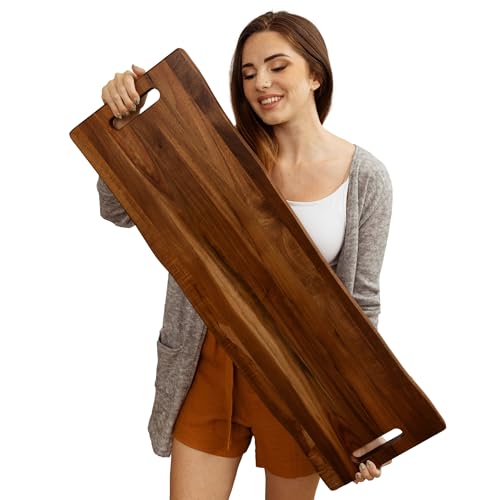
Learn how to choose the best charcuterie board wood, from food safe hardwoods and grain to size, care, and value, with a simple checklist before you buy.
Choosing best charcuterie board wood starts with the wood itself, not the shape of the board or the extras in the box. A good board wood stays smooth under a knife, resists deep cuts and stains, and holds up to repeated washing and oiling. The comparison table below can help you narrow the options, but the wood species and the way the board is built matter more than any single feature claim.
This guide compares common board woods by hardness, grain, care needs, and price, so you can match a board to how you actually serve food. If you host large gatherings, size and weight matter as much as looks. If you want a board for everyday snacks, easy care and a forgiving surface matter more. Read the checklist near the end before you decide, and keep the care tips in mind so the board you buy stays in good shape.

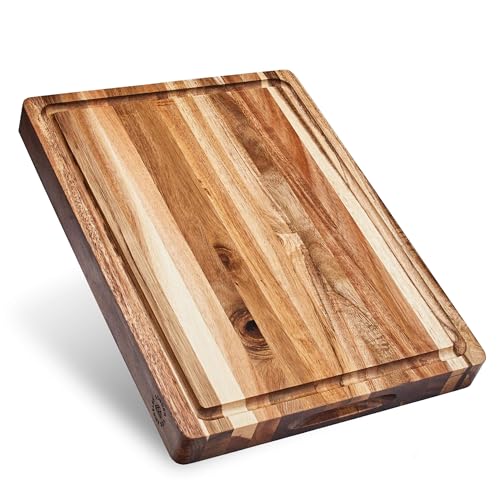
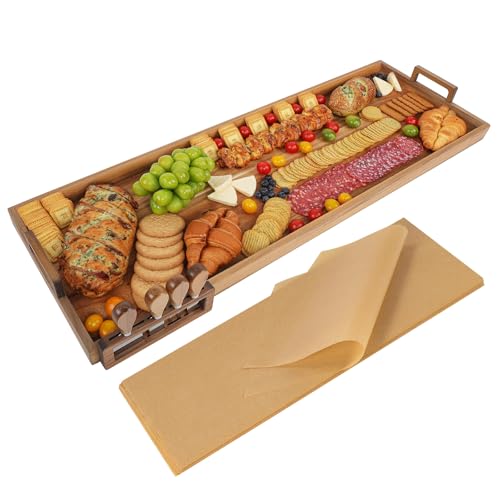


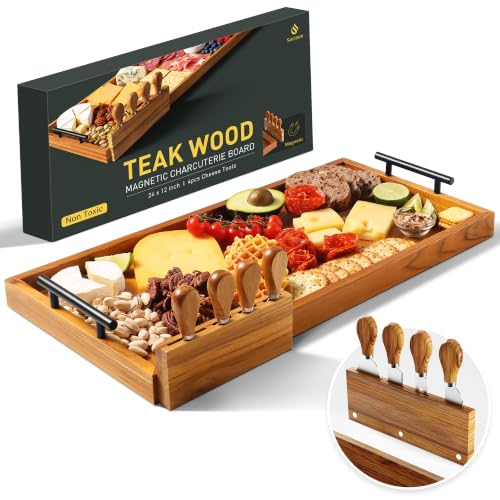
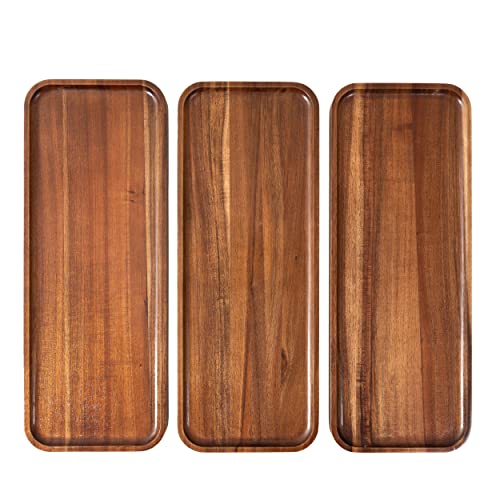
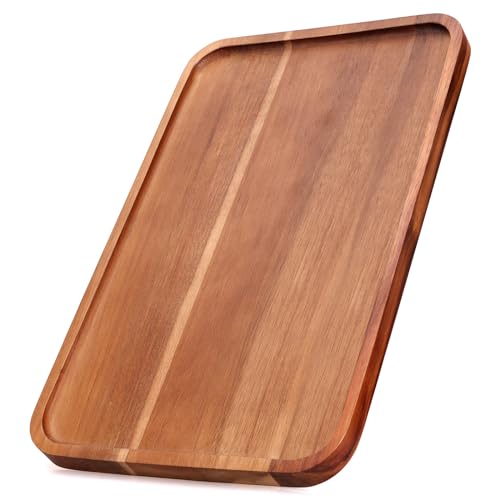
What to Compare in Charcuterie Board Wood
Think of a board wood as a working surface first and a serving piece second. The best choice balances knife friendliness, moisture resistance, and upkeep. A very hard wood may look striking, but it can dull knives faster and show cut marks sooner. A softer wood may be kinder to blades, yet it can dent and absorb moisture if it is not sealed and cared for properly.
Intended Use and Who It Is For
Start by picturing your usual spread. A host who serves cheese, cured meats, fruit, and crackers for a crowd needs a larger board with room to separate wet and dry foods. A couple who enjoys a small evening snack can choose a compact board that is easy to lift, wash, and store.
If you plan to cut directly on the board, choose a wood and finish that tolerates knife work. If you plan to arrange food only, and cut elsewhere, you can put more weight on appearance and edge detail.
Food Safety and Finish
Look for a board made from a food safe hardwood with a finish meant for food contact surfaces. Mineral oil and board conditioner are common choices, and the maker should state clearly whether the finish is food safe. Avoid boards with a heavy varnish on the cutting surface, since a cracked coating can trap moisture and food residue. Check the maker guidance before first use, inspect the board for cracks before each use, and keep the board away from children when knives are in use.
Build Quality and Materials
Construction matters as much as species. A board glued from several strips can resist warping better than a single wide slab, because the grain direction is balanced across the board. Check that joints feel flush, edges are sanded smooth, and any handle or groove is shaped cleanly without splinters.
End grain boards often show a distinctive pattern and can be kinder to knives, while edge grain boards tend to cost less and weigh less. Either style can serve well if the glue, finish, and thickness are sound.
Price and Value
Board wood prices vary by species, size, thickness, and construction. Small everyday boards often cost about $25 to $60, mid size boards for gatherings often cost about $60 to $140, and large or thick end grain boards often cost about $140 to $300. A higher price does not always mean a better board for your table. Compare thickness, finish, and care needs at the same size before you pay more for a rare species or a decorative edge.
Care and Long Term Costs
Wood boards need regular care, and that care is part of the true cost. Plan to oil the board when the surface looks dry, and to recondition it after heavy use or washing. A board that dries out can crack, while a board left wet can warp or develop an odor.
Budget for food safe oil and conditioner, and for a soft cloth and a gentle cleaner. With steady care, a well made hardwood board can last for many years of regular serving.
Ease of Use and Setup
A board should be easy to carry, set down, and clean. Handles, a juice groove, and a flat base all help, but they also add weight and change how the board fits in storage. Measure your counter and your cabinet before you buy, and check the board weight if you plan to carry a loaded board to another room.
Common Board Woods Compared
Most boards on the market come from a handful of woods, and each behaves a little differently under a knife and in the sink.
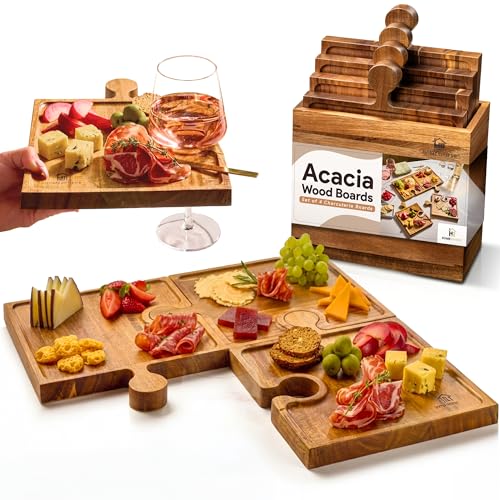
- Acacia: a dense hardwood with varied, attractive grain that suits large serving boards. It resists scratches well but needs regular oiling to stay smooth.
- Bamboo: technically a grass, light and affordable, and often pressed from strips. It can dull knives a little faster than hardwoods and is a good value pick for everyday boards.
- Teak: a naturally oily hardwood that sheds water well and wears gracefully, which suits boards that are washed often.
- Olive wood: prized for swirling, one of a kind grain. Pieces are usually smaller and cost more, so it suits gifts and small spreads.
- Walnut: a darker hardwood that is kind to knife edges and shows off pale cheeses, though it is usually pricier than acacia.
Whichever you choose, check that the maker names the species, because a vague hardwood label gives you nothing to compare.
How Much to Spend: A Level by Level Guide
Instead of naming individual products, use spending levels to frame your choice. At the budget level, look for a solid hardwood board in a practical size with a food safe finish and smooth edges. You may give up a thick end grain build or a rare species, but you can still get a board that serves well and lasts with regular oiling. Check the thickness and the joint quality closely at this level, since thin boards are more likely to warp.
At the mid range level, you can expect better construction, a thicker board, and more size choices. This level suits hosts who serve often and want a board that handles both cutting and serving. At the premium level, you pay for thicker end grain construction, larger sizes, and carefully selected wood. That extra cost makes sense only if you use the board often, care for it well, and value the look and feel of a heavier, long lasting piece.
Quick Buyer Checklist
Run through these questions before you order, and skip any board that fails more than one of them.
- Is the wood a food safe hardwood with a finish meant for food contact?
- Does the size fit your table, your sink, and your storage space?
- Is the board thick enough to resist warping with regular use?
- Are the joints flush and the edges smooth, with no splinters?
- Will you cut on this board, or arrange food only?
- Are you willing to oil and recondition the board on a regular schedule?
- Does the price make sense for how often you will use the board?
Red Flags to Watch For
Be cautious when a listing gives vague wood details, such as naming only a color or a generic hardwood without a species. A missing finish description is another warning sign, since you need to know whether the surface is food safe. Very thin boards, rough edges, and visible gaps at the joints all point to rushed construction.
Also watch for claims that a wood board needs no care at all, because every wood board benefits from oiling and proper drying. If the maker guidance is missing or unclear, choose a board with clearer care instructions.
Setup and Care Tips
Read the maker manual before first use, and wash the board gently before you serve food on it. Clean the board soon after serving, dry it fully, and store it in a dry place standing upright so air can reach both faces.
Oil the surface when it looks pale or dry, and sand out light knife marks only if the maker guidance allows it. Inspect the board for cracks before each use, and retire a board with deep cracks that cannot be cleaned well. If you want a complete set with knives and serving tools, see our guide to the best charcuterie board sets and compare the board size and wood in that set with the single board you are considering.
Frequently Asked Questions
Are expensive charcuterie board woods worth it?
Expensive board woods are worth it only when the extra cost buys construction you will actually use. A thicker board, a stable glue up, and a well applied food safe finish can make a real difference for frequent hosts. A rare species alone does not guarantee better performance, so compare thickness and care needs at the same size. If you serve only a few times a year, a well made mid range board often gives you the same practical result for less money.
How much should I spend on a charcuterie board wood?
Most buyers do well in the mid range, where boards often cost about $60 to $140 for a useful gathering size. Smaller everyday boards often cost about $25 to $60, while large or thick end grain boards often cost about $140 to $300. Start with the size you need, then choose the best construction you can afford at that size. Remember to budget a small amount for food safe oil and conditioner, since regular care protects any board you buy.
How do I maintain a charcuterie board wood?
Clean the board soon after use with warm water and a gentle soap, then dry it fully before storage. Stand the board upright in a dry place so both faces can dry evenly, and avoid soaking it or putting it in a dishwasher unless the maker clearly allows it. Oil the surface when it looks dry, using a food safe oil and following the maker instructions for drying time. Light marks can often be eased with fine sanding and reoiling, but deep cracks should end the board's food use.
How long does a charcuterie board wood last?
A well made hardwood board can last for many years when it is cleaned promptly, dried fully, and oiled on a regular schedule. Heavy cutting, long soaking, and long damp storage shorten that life and raise the risk of warping and cracking. Thickness also matters, since a thicker board resists warping better than a thin one. If the surface becomes deeply grooved or cracked in a way that cannot be cleaned, replace the board rather than continuing to serve food on it.
What features matter most when buying charcuterie board woods?
Wood species, construction, thickness, finish, and size matter most, in that order for most buyers. Species affects hardness and knife friendliness, while construction affects warping and long term stability. A food safe finish protects the surface and makes cleaning easier, and the right size keeps serving comfortable and storage simple. Handles and grooves are useful extras, but they should never outweigh a sound build, a safe finish, and a size that fits your table and sink.
Our Verdict
Choose a food safe hardwood board with sound construction, a thickness that resists warping, and a size that fits your table, sink, and storage. Balance knife friendliness with care needs, and pick a spending level that matches how often you host. When you weigh those points together, best charcuterie board wood becomes a practical choice rather than a guess, and the product table above can help you compare the final options side by side.