
Best Chairs Leather Recliner: Buying Guide to Leather Types and Mechanisms for 2026
Disclosure: We may earn a commission when you buy through links on this page, at no extra cost to you. As an Amazon Associate I earn from qualifying purchases. Learn more
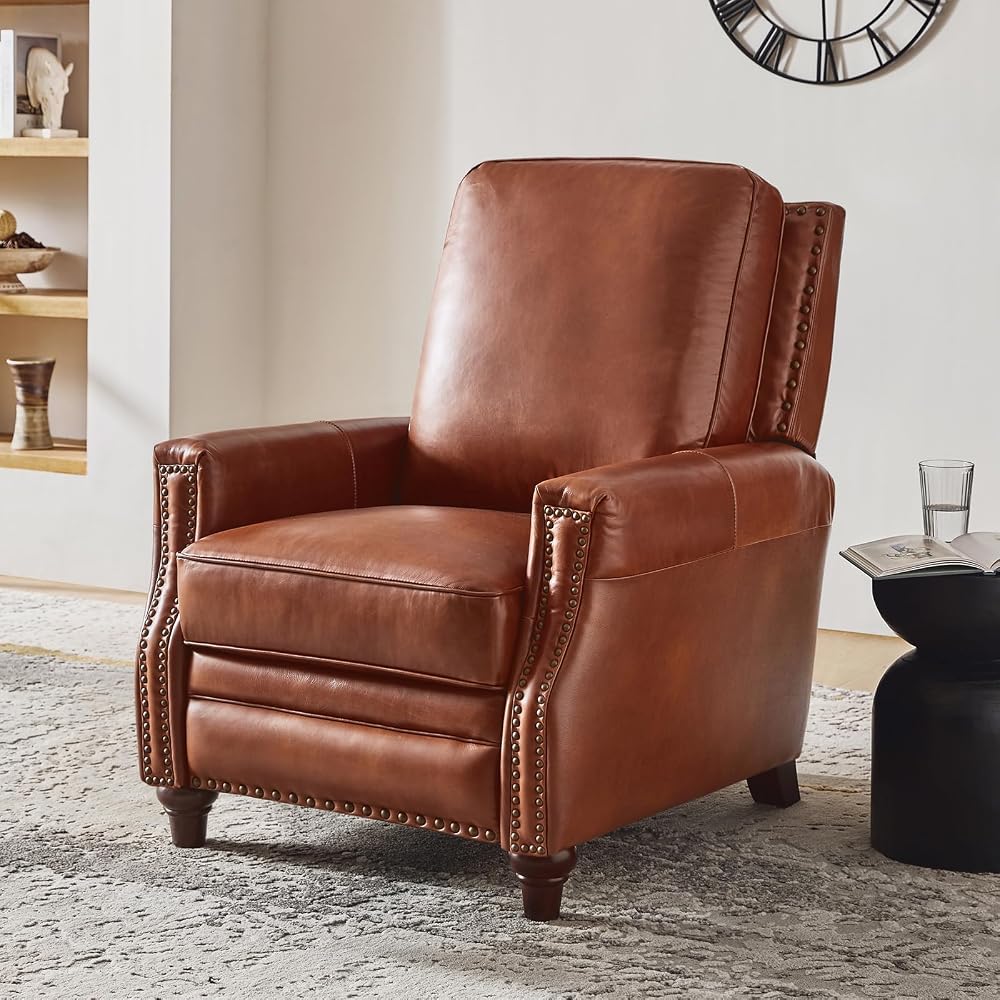
Leather types, recline mechanisms, sizing, and care tips to help you choose the best chairs leather recliner for your home.
A leather recliner has two jobs: it has to look right in a living room, and it has to stay comfortable through years of evenings, naps, and movie nights. Choosing the best chairs leather recliner for your home comes down to the type of leather, the recline mechanism, and how well the chair fits your body and your space.
The product table lists current leather and faux leather recliners to compare. The guide below explains what separates one from another, from the covering and the frame to the care a leather chair needs.





Real Leather, Bonded Leather, and Faux Leather
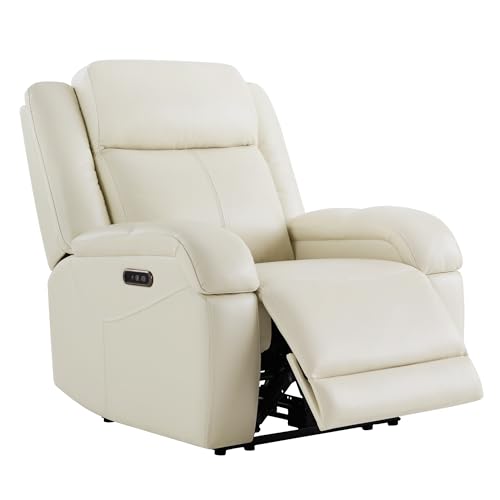
The word "leather" on a listing can mean very different things, so read the wording closely. Genuine leather comes from animal hide and is usually described as top grain, full grain, or simply genuine leather. Top grain and full grain keep more of the natural surface, feel durable, and develop character with age. Plain genuine leather is a lower grade that still feels like leather but can wear faster.
Bonded leather is made from scraps pressed onto a backing, and faux leather (often called PU leather or leatherette) is a coated fabric. Both wipe clean easily and usually cost less, but the surface layer can peel or crack after years of use, especially in sun or dry rooms. Many recliners combine real leather on the seating surfaces with matching vinyl on the sides and back, so check the description for exactly where the leather is used.
Which Covering Suits Your Home
Real leather suits adults who want a chair to last a decade and are happy to condition it once or twice a year. Faux leather suits homes with young children or pets, where spills and scratches are routine and a replacement in a few years is an acceptable trade for a lower price. Any leather surface feels cool at first touch in winter, and it can feel sticky in a warm room, so think about the climate where the chair will live.
Manual, Power, and Wall Hugger Recliners
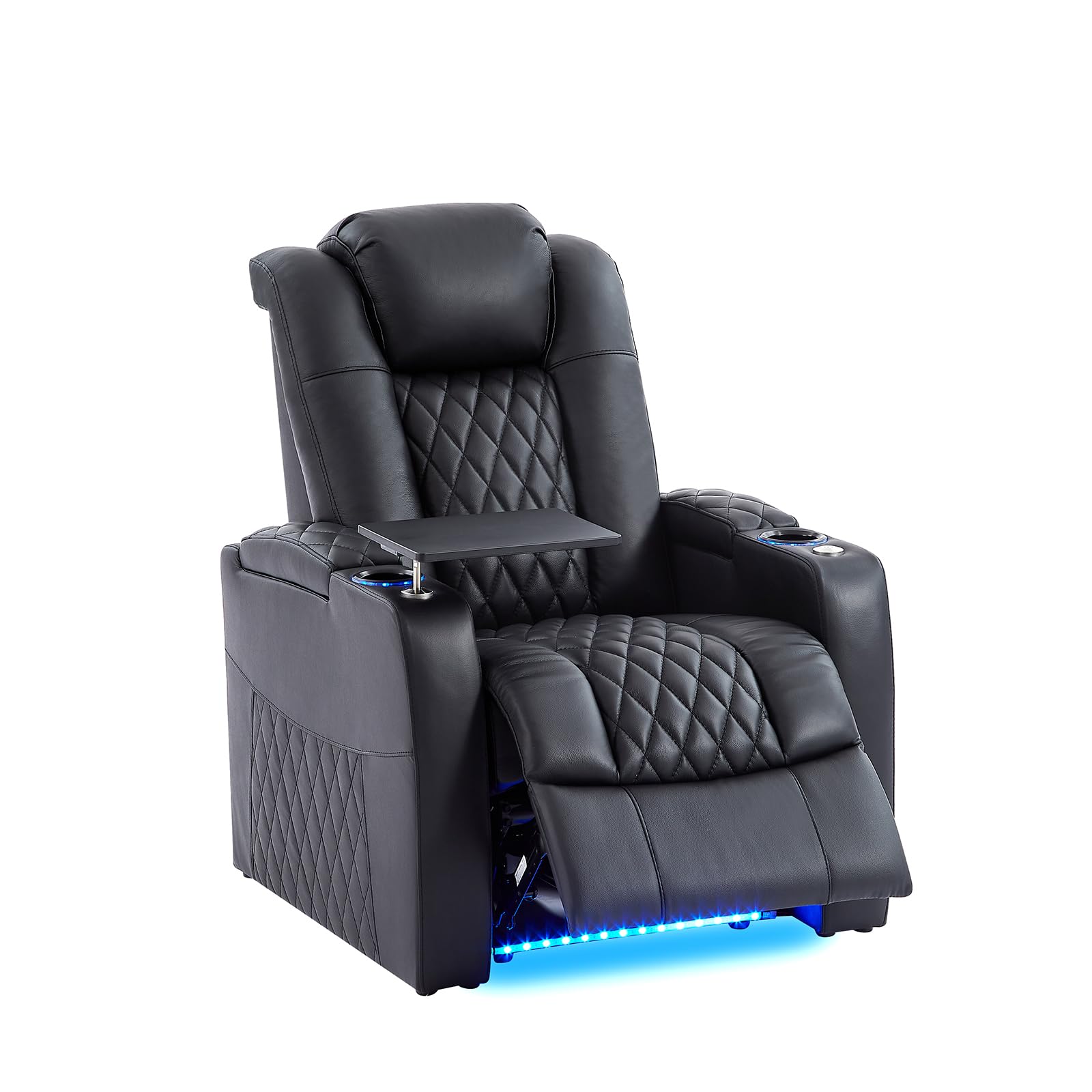
A manual recliner uses a lever or a push back motion, has fewer parts, and keeps working during a power outage. A power recliner moves with a button, lets you stop at almost any angle, and often adds a powered headrest or lumbar adjustment. It also needs an outlet within cord reach and has a motor that may eventually need service.
A wall hugger design slides the seat forward as the back reclines, so the chair needs only a few inches of space behind it. A standard recliner needs much more clearance, so measure the spot with the chair fully reclined, not just upright. Rocker, swivel, and lay flat versions add more motion, and each adds clearance needs of its own.
How to Pick the Best Chairs Leather Recliner for Your Room
Frame and Mechanism
The frame carries every recline cycle, so look for hardwood or reinforced plywood paired with a steel mechanism, and be careful with frames built mostly from thin particleboard. Listings that name the frame material and the mechanism warranty separately are easier to trust than those that only say durable. Operate the recline gently, and stop if you hear grinding or sticking, which points to weak hardware.
Cushions and Support
High density foam keeps its shape longer than very soft foam, which feels plush at first and flattens within a season. Leather also stretches slightly with use, so a seat that feels firm on day one will usually settle. The back should meet your lower back, the headrest should support your neck at your usual recline angle, and the footrest should carry your lower legs without leaving your heels hanging.
Size and Room Fit
Measure the seat width between the arms, the seat depth, and the full footprint when reclined. Taller people should look for a deeper seat and a longer footrest, while shorter people often prefer a shallower seat that lets their feet reach the floor when the chair is upright. Check doorways and hallway turns as well, since a boxed leather recliner is heavy and bulky.
Warranty and Returns
Read the warranty in parts, because frame, mechanism, upholstery, and electrical parts often carry different terms. A longer frame term is a good sign, and so is a clear return window, because recliner comfort is hard to judge from photos. Keep the packaging until you have used the chair for a few full evenings and confirmed that everything works.
Caring for a Leather Recliner
- Dust the surface with a soft dry cloth, and wipe spills quickly with a slightly damp cloth.
- Use only a cleaner or conditioner the maker approves, and test it on a hidden spot first.
- Keep the chair away from radiators, vents, and long direct sunlight, which dry leather and fade color.
- Condition real leather once or twice a year, and give faux leather gentle cleaning only.
- Tighten accessible bolts every few months, and keep cords, blankets, and pet paws out of the mechanism.
Mistakes to Avoid With a Leather Recliner
- Assuming leather means genuine leather without reading which grade or which parts are covered.
- Measuring only the upright chair, then finding it hits the wall when reclined.
- Choosing a power model without checking where the nearest outlet is.
- Ignoring seat depth and weight capacity, which decide whether the chair fits you for years.
- Skipping the return terms on a heavy item that is expensive to ship back.
Frequently Asked Questions
Is an expensive leather recliner worth it?
It is worth it when the price buys real leather on the surfaces you touch, a stronger frame, and a mechanism warranty that matches how often you will use the chair. For occasional guest use, a simpler faux leather model usually covers the need. Dividing the price by the years you expect to keep the chair is a fair way to compare.
How long should a good leather recliner last?
A well built recliner used daily should serve about eight to twelve years, with the mechanism and the seat cushion usually aging before the frame. Real leather can outlast faux leather, which tends to show peeling or cracking first. Regular cleaning, a sensible weight load, and keeping the chair out of direct sun all add years.
What features matter most for long hours in a leather recliner?
Lumbar contact, a headrest at the right height, and a footrest that supports your legs matter most for long sits. A power model that stops at any angle helps you find a position that relaxes your back. Stand up and move now and then, since no recliner replaces movement.
How do I choose the right size leather recliner?
Match seat height to your lower leg so your feet rest flat when upright, match seat width to your hips with a little room to spare, and match the reclined footprint to your wall space. Measure the delivery path too, because a chair that fits the room but not the hallway has to go back.
Final Thoughts
Decide on the covering first, then the mechanism, then the fit. Read what the listing really says about the leather, measure the reclined footprint, and confirm the warranty and the return window before you order. Use the product table to compare current options, and the best chairs leather recliner for you will be the one that fits your room and your body and still feels good years from now.


