
Best Chairs for Parkinson's in 2026: Budget, Midrange, and Premium Guide
Disclosure: We may earn a commission when you buy through links on this page, at no extra cost to you. As an Amazon Associate I earn from qualifying purchases. Learn more

Compare chairs for Parkinson's by budget, with clear guidance on lift help, seat height, firm support, simple controls and stable arms for standing.
Standing from a low, soft chair can take several attempts when stiffness and tremor slow the first push. The best chairs for parkinson's make that move steady, with a firm seat at the right height, arms you can push against, and lift help if you need it. Prices run from about $200 to well past $1,500, and the comparison table below shows the main types.
This guide spends your money in the right order. It explains who needs powered lift, what each tier adds, and which features keep transfers steadier, plus long term costs and care.
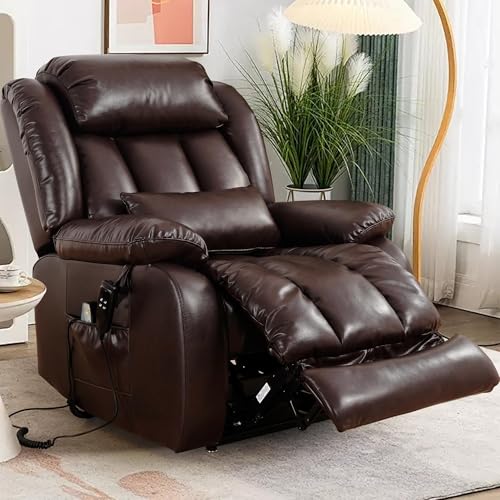

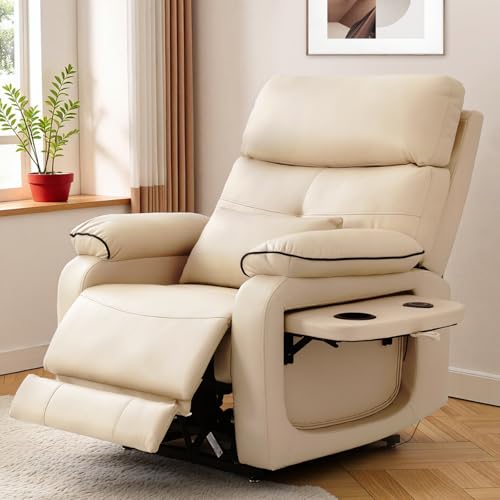

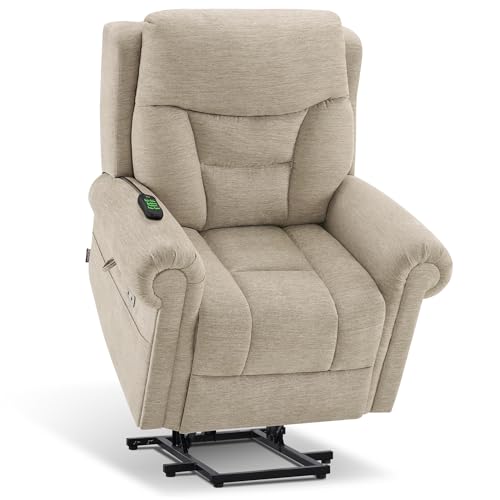

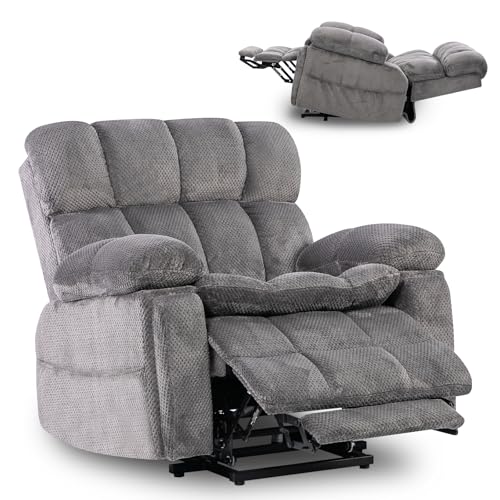


Who Should Buy a Chair for Parkinson's at Home?
Choose by the transfer you find hardest. If standing is the struggle, lift and seat height matter most. If long sitting is the struggle, cushion firmness matters most.
People Who Need Several Attempts to Stand
Stiffness can make the first push the hardest move of the day, and a soft seat steals the force your legs create. Choose a firm seat that keeps hips level with or above knees, with solid arms to press down on. A powered lift chair belongs on your list if a high seat still leaves you rocking for momentum.
People Who Sit for Long Parts of the Day at Home
If you read, watch television and rest in one chair for hours, pressure points grow into real discomfort by evening. Choose a cushion that supports you without letting you sink, plus leg support for rest periods. You may never need lift power, so spend on cushion quality and fit first.
People Who Transfer With Caregiver Help
When a family member or aide helps you stand, the chair should do the heavy work instead of pulling on your arms. A lift chair raises and tilts you toward standing, so your helper mainly steadies and guides. Leave clear floor space on the side where help stands.
Price Tiers Judged by Transfer Help
Price tiers here buy movement first and comfort extras second. Judge each tier by its transfer help.
Budget Chairs: Firm Support Without Powered Lift
Budget choices, about $200 to $450, are plain chairs with a high, firm seat and strong arms, without a motor. You get a simple frame, basic fabric and a fixed back angle. This tier suits you if you can stand from a raised seat with arm support alone.
Midrange Chairs: Powered Lift for Daily Transfers
Midrange lift chairs, about $450 to $900, add a motor that raises the chair and tilts it forward to guide you up. On most models the back and leg rest move together, driven by one motor. Foam tends to be denser, and many models include battery backup for outages.
Premium Chairs: Separate Leg and Back Control
Premium lift chairs, about $900 to $1,800, usually run two motors, so the leg rest and back adjust on their own. That freedom lets you sit upright with raised legs, a position one motor chairs cannot hold. You also find more sizes and higher weight ratings. Pay this much only if you rest in the chair for long stretches.
Key Features to Compare
Compare these factors in order, because the first three decide transfer safety.
Seat Height, Depth and a Firm Cushion
Seat height decides how hard your legs must work, and support and lift chairs often place the seat about 19 to 22 inches from the floor. Your feet should rest flat, and seat depth should let your back touch the backrest without pressure behind your knees. Choose high density foam that feels firm at first sit, since soft foam compresses and lowers you over time. Shaped lumbar support limits lower back rounding.
Arms, Stability and Weight Capacity
You push on the arms at every transfer, so arms must feel like part of the frame. Look for full length arms with firm padding and no wobble under a hard press. Check the weight capacity early, since common ratings run about 250 to 375 pounds and yours must cover your weight plus pushing force. A wide, flat base beats a swivel base or loose casters, because movement during a rise can break your balance.
Lift Power, Motors and Controls You Can Work by Feel
A single motor lifts and reclines the chair in one linked motion, while dual motor designs move the back and legs apart. For daily standing help, smooth, slow lift motion matters more than recline angle. Choose a hand control with large buttons you can tell apart by touch, since tremor makes crowded buttons frustrating. Battery backup returns the lift to a safe position during a power outage.
Tell your doctor promptly about fainting, new dizziness when you stand, a fall, or skin that breaks down where the seat presses. Talk with your clinician about the seat height and lift setup that suit your personal needs.
Upholstery That Wipes Clean After Spills
Tremor turns drinks and soup into regular spills, so treat upholstery as a practical choice. Smooth faux leather wipes clean with a damp cloth and does not hold liquid. Woven fabric feels cooler and grips clothing better, which can help you stay in place, but it needs faster cleanup. Removable washable covers add work yet save the cushion under them.
Recline and Leg Support for Rest Periods
A leg rest that raises your feet to seat level eases pressure during rest. Measure the wall space behind the chair, since many recliners need about 12 to 18 inches of clearance to open fully, while some designs open with far less room. An ergonomic back that supports upright meals and a rested recline reduces seat changes.
Chairs Matched to Daily Living Needs
Best Chairs for Parkinson's Patients
Plan around the hours when movement feels slowest, often early morning or late evening. Choose seat height and lift help that work at your hardest hour, not your best hour. Keep the remote on your stronger hand side, beside a clear path.
Best Lift Chairs for Parkinson's Patients
The best lift chairs for parkinson's patients earn their price through control, not extras. Look for a lift that moves slowly, stops at any point and holds position without drifting. Place the chair close to an outlet so the cord never crosses your walking path.
Ownership Costs Beyond the Purchase Price
The purchase price is only part of what a powered chair costs. Delivery with room placement can add a fee, and a spare hand control often costs about $40 to $90. Budget for backup batteries and later service visits too.
Read the warranty by part, not by the headline number. Frame coverage often runs longer than coverage for the motor, hand control and fabric. Ask what a repair visit costs locally before you buy, since one visit can erase your savings.
Common Mistakes to Avoid
Each of these errors makes transfers harder or less safe.
- Buying a deep, soft lounge chair makes each rise a climb out of a hole.
- Skipping the weight capacity check leaves arms and lift parts working past their limit.
- Choosing tiny remote buttons turns every position change into a struggle with tremor.
- Placing the chair far from an outlet leaves a cord across your walking path.
- Testing a chair only at midday misses how much harder standing feels at your stiffest hour.
Care and Maintenance for a Support or Lift Chair
Wipe smooth upholstery each week with a damp cloth, and vacuum fabric seams where crumbs collect. Clean spills at once, since liquid left in foam leads to lasting odors. Keep the hand control cord clear of the lift frame, because a pinched cord can stop the chair from responding.
Monthly, run the lift through its full range and listen for grinding. Tighten visible arm bolts if the maker allows it, and replace backup batteries as the maker directs. Stop using the lift and call a service professional if the chair jerks or stops partway.
FAQ
What features matter most in a chair for Parkinson's transfers?
For transfers, seat height, firm arms and smooth lift motion matter most in a chair for Parkinson's care at home. Count daily stands, because a chair used ten times a day needs stronger arms than one used twice. Keep a small table within reach on your stronger side, so you never twist holding a drink.
How high should a chair seat be for standing with Parkinson's?
A chair seat for standing with Parkinson's should let your feet rest flat while your hips sit level with or above your knees. Measure your lower leg in the shoes you wear at home, from floor to the crease behind your knee. Test any seat in those shoes, since bare feet change the height your legs expect.
Is an expensive lift chair worth it for Parkinson's at home?
An expensive lift chair is worth it for Parkinson's at home only when its added control solves a daily problem you actually have. Separate leg and back motors help if you rest with raised legs for hours each day. Ask about the return window before you pay, since a home trial reveals more than showroom minutes.
How do I choose the right chair size for a person with Parkinson's?
Choose chair size for a person with Parkinson's by seated fit first, then by the doorway the chair must pass through. The seated person needs a small gap behind the knees and room to shift without sliding. Measure the narrowest doorway on the delivery path, because a chair that cannot enter solves nothing.
The Bottom Line
Start with the transfer, then spend on comfort. A firm seat at the right height, arms that never wobble and a smooth lift make every transfer steadier. Use the product table above to compare seat height, weight capacity and lift type by tier.
When you judge best chairs for parkinson's by those points, the right tier is usually clear. Buy the simplest chair that makes standing steady, and save premium spending for control you will truly use.


