
The Best Chairs for Napping: Buying Guide and Top Picks for 2026
Disclosure: We may earn a commission when you buy through links on this page, at no extra cost to you. As an Amazon Associate I earn from qualifying purchases. Learn more

How far a chair reclines and how well it holds that angle decide the best chairs for napping at home, at a desk or outdoors.
A short nap in the wrong chair leaves your neck stiff and your back sore. The best chairs for napping solve that problem by supporting your head, back, and legs at an angle that lets your whole body let go. This guide explains the recline angles, cushioning, sizes, and materials that matter most, so you can match a chair to your room, your body, and the way you rest during the day.
You will also learn how office, lounge, and outdoor models differ, and which buying mistakes waste money. Use the comparison table below to scan the main options side by side, then read the sections that fit your space and budget.
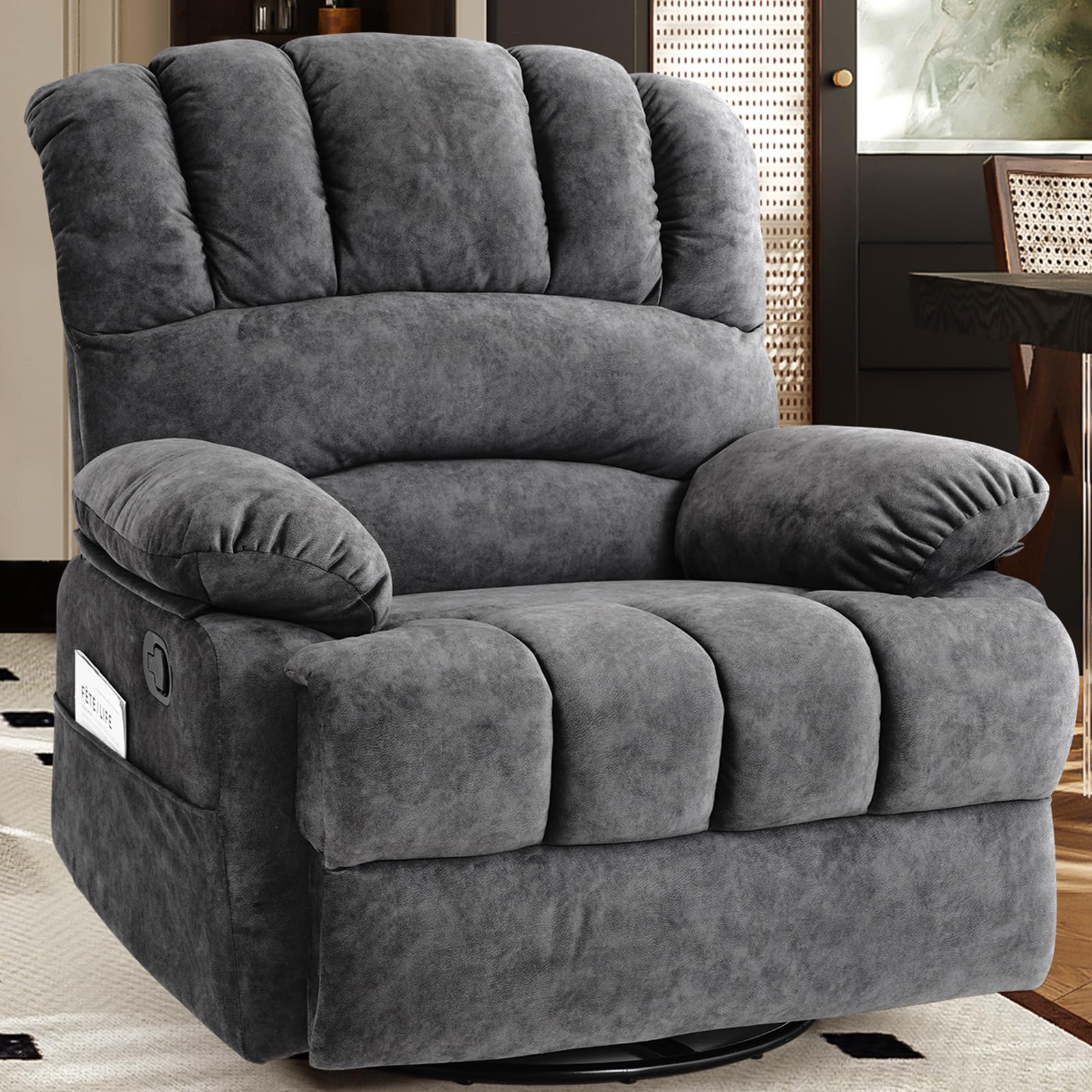


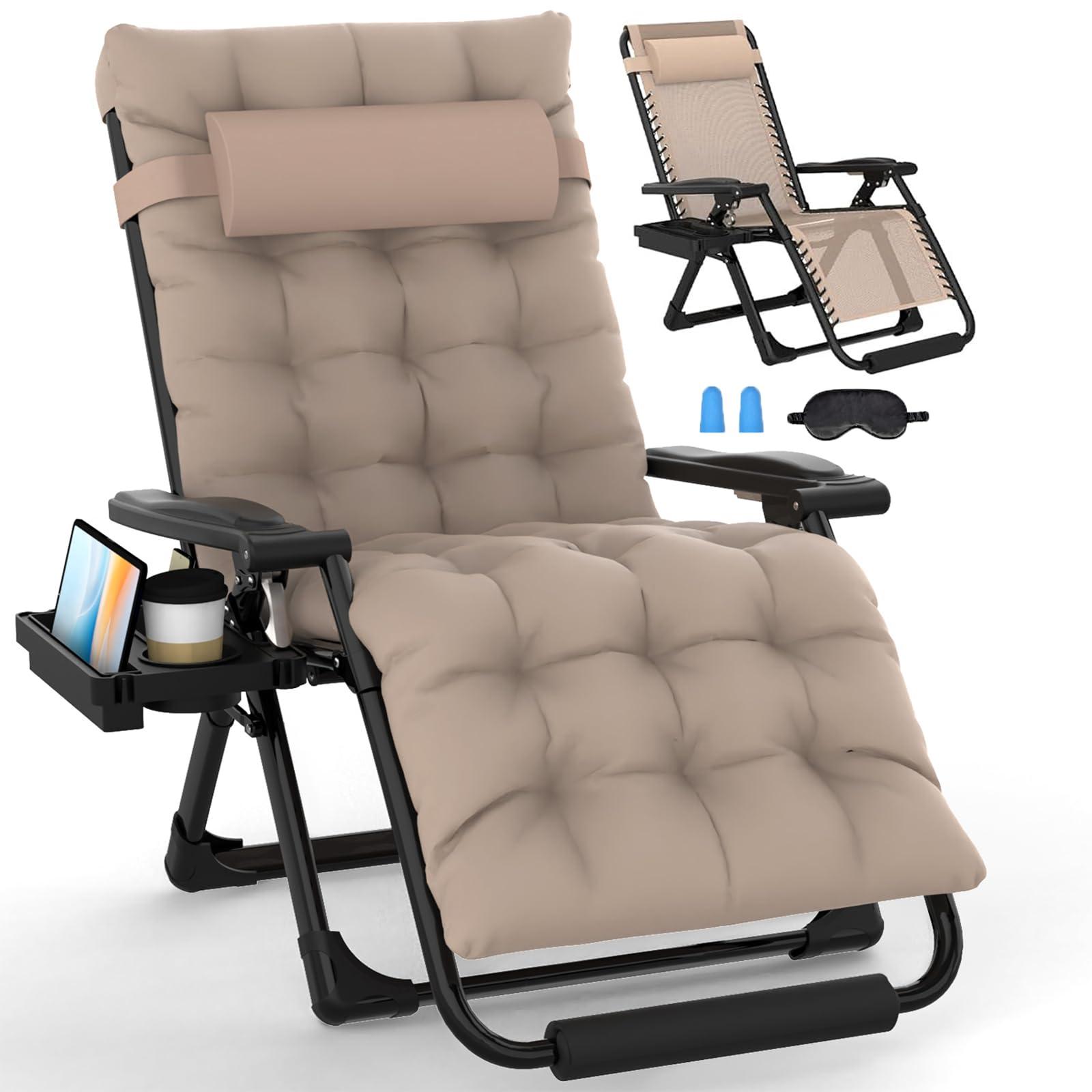

Who Should Buy a Chair Made for Napping?
A napping chair serves people who rest in short stretches during the day rather than sleeping in a chair all night. Your job, your room, and your daily habits shape which design fits you best.
Office Workers Who Rest Between Tasks
You work at a desk, take a short rest at lunch, and then return to your screen. Look for an office style chair that reclines smoothly, holds its angle with a tilt lock, and supports your lower back. If your nap chair must also handle full workdays, see our guide to the best office task chairs for desk focused models.
Home Readers and TV Watchers Who Doze Off Easily
You read, stream shows, and drift off mid chapter or mid episode, so comfort over one or two hours matters more than desk posture. A lounge chair or recliner with a tall back, a padded headrest, and room for your legs suits you well. For a media room setup, see our guide to the best video game chairs, since many of those designs recline far back and add a retractable leg rest.
People in Small Apartments Who Need One Chair to Do More
You have one corner for reading, working, and resting, so every inch of floor space counts. A compact recliner or a slim lounge chair gives you a real nap spot without blocking walkways. Measure the fully reclined length before you order, because a chair that fits upright can stretch far into the room once the back drops.
How to Choose a Chair for Napping: A Buying Guide
Work through the factors below in order, since they decide whether the best chairs for napping feel restful on day one and still feel restful a year later. Note your room measurements and body size as you go, and the product table above will be much easier to use.
Features That Matter Most for Napping
Recline range comes first, because a shallow lean suits reading while a deeper angle of about 110 to 140 degrees lets your weight spread out for sleep. A tilt lock that holds several positions matters too, since a chair that drifts upright will wake you. Leg support completes the setup, through a built in leg rest or a matching ottoman. If built in massage functions appeal to you more, see our guide to the best massage massage chairs to compare that different category.
Ergonomics and Adjustability
Good ergonomic design keeps your spine in a neutral curve, with lumbar support that meets the small of your back instead of pushing at your waist. Adjustable armrests that move up and down and side to side keep your shoulders relaxed rather than hunched. Seat depth matters too, since a seat that is too deep pulls you into a slouch. If you often wake with numbness, sharp neck pain, or breathing trouble during naps, talk with your clinician about your personal needs.
Comfort and Cushioning
Cushioning decides how a chair feels after twenty minutes, not just in the first minute. High density foam holds its shape and supports your hips evenly, while very soft foam can bottom out and leave you resting on the frame. A medium firm seat with a slightly softer back cushion works for most people, and a mesh back stays cooler than a sealed surface.
Build Quality and Frame
A strong frame of solid wood, plywood, or steel keeps the recline motion smooth and free of wobble. Check the recline mechanism too, since a sturdy metal linkage usually outlasts thin parts that bend under daily use. On office style models, look at the base and the gas lift rating as well. For a broader look at construction standards, see our guide to the best quality chairs before you narrow your list.
Size, Dimensions, and Weight Capacity
Start with the room, measuring the floor area plus the clear space behind the chair for a full recline. Then match the chair to your body, since taller users need a higher back and a longer leg rest. Check the stated weight capacity and leave a comfortable margin above your own weight, because a chair used near its limit wears faster. Finally, measure your doorway.
Materials and Upholstery
Mesh keeps air moving and suits warm rooms, though it offers less padding for bony shoulders. Woven fabric feels soft and grippy, but it can hold spills and pet hair. Leather and faux leather wipe clean in seconds and look formal, yet they can feel warm in summer and cold in winter. Powder coated metal suits modern rooms and covered patios.
Warranty and Return Policy
Read the warranty in parts, because the frame, the recline mechanism, and the upholstery often carry different coverage periods. A long frame warranty means little if the moving parts you use daily are covered only briefly. Return terms matter just as much, so check who pays return shipping for bulky furniture. Keep the box until the trial period ends, since returns without the original packing can cost more.
Types of Chairs That Work for Napping
Most napping chairs fall into a few broad families, each trading size, adjustability, and price in a different way. Start with the family that fits your room, then compare models within it.
Premium and Executive Models
Premium and executive models use thicker cushions, wider seats, and finishes such as real leather over sturdy frames, and prices often reach about $900. They suit a home office or a quiet study where the chair doubles as a statement piece and a daily rest spot. If a formal office look matters most, see our guide to the best officer chairs for styles built for executive desks.
Ergonomic Models
Ergonomic models focus on adjustment, with movable lumbar support, adjustable armrests, and a recline you can fine tune to your body. They fit desk workers who split the day between upright tasks and short rests in the same seat, and many use a mesh back that keeps you cool. You give up the plush feeling of a lounge recliner, but you gain a chair that supports two activities well.
Compact and Space Saving Models
Compact models include wall hugger recliners that slide forward as they open, so they need only a few inches of clearance behind them. Slim lounge chairs also fit tight corners, dorm rooms, and nursery corners for tired parents. These chairs usually have shorter leg rests and narrower seats, so taller users should check dimensions with care.
Budget Models
Many budget models cost under $300. They keep the recline simple and skip extras such as powered motion and movable armrests, which suits a spare room, a first apartment, or an occasional nap spot. Focus your money on a sound frame and decent foam rather than decorative stitching. A plain chair that fits your body will always beat a fancy chair that does not.
Choosing a Chair for Your Space and Routine
Where the chair will live changes what you should buy as much as the chair itself. A living room recliner can be wide and plush, while a chair beside a desk needs a smaller footprint and a back that returns upright in seconds. Think about how often you nap, and whether you need an outlet nearby for a powered model.
Best Outdoor Chairs for Napping
The best outdoor chairs for napping need weather resistant fabric that dries quickly after rain and a frame that resists rust on a patio or deck. A reclining camp lounger lets you stretch out under shade, and a folding frame stores in a shed when the season ends. Stability matters more outside, since soft ground can make a narrow base tip, so choose a wider stance on a level spot.
Common Mistakes to Avoid
Most regrets with a napping chair come from a handful of avoidable errors. Check each one against the chair you are about to buy.
- Choosing a chair by its upright look alone, so the reclined shape that you actually nap in never gets checked.
- Ignoring wall clearance, so the back hits the wall and the chair can never reach a full recline.
- Picking a seat that is too deep for your legs, so you slouch forward and wake with an aching lower back.
- Overlooking the stated weight capacity, so the frame and mechanism wear out long before they should.
- Choosing upholstery that traps heat, so summer naps leave you restless instead of rested.
- Forgetting the doorway and stairs, so the chair cannot reach the room where you planned to use it.
Care and Maintenance for Your Napping Chair
A napping chair asks for little care, but a few steady habits protect the recline motion and the cushions.
- Tighten the bolts under the seat and base every few months, since daily reclining slowly works fasteners loose.
- Vacuum fabric and mesh weekly with a soft brush tool, and wipe leather with a damp cloth so oils do not build up.
- Keep leather and faux leather out of direct sunlight, because steady sun dries the surface and fades the color.
- Clear blankets and cords from under the leg rest before closing it, so the mechanism never bends against a trapped object.
- Work the recline handle or lever gently and fully, rather than forcing it partway, so the linkage stays aligned.
- Blot spills right away instead of scrubbing, since rubbing pushes liquid deeper into foam and fabric.
Chairs for Napping: Your Questions Answered
What features matter most in a chair for napping?
Recline range, leg support, and head support matter most in a chair for napping. Together they let your full body relax instead of resting on one pressure point. One extra check helps during a trial: stay at your nap angle for ten minutes. If your head tips forward or your heels hang past the leg rest, that model will not suit long rests.
Can a chair for napping also work well for long hours of sitting?
Yes, a chair for napping can work for long hours of sitting if it returns to a supportive upright position. Ergonomic models handle this double duty best, since their lumbar support and armrests adjust for desk work. Even so, stand up and walk briefly about once an hour. Changing position does more for your comfort than any single seat setting can.
How long should a chair for napping last with regular use?
A well built chair for napping should last about five to ten years with regular use. The frame usually outlasts the foam and the recline mechanism, which take the daily strain. Watch for warning signs such as a grinding sound in the linkage, a seat that leans to one side, or foam that stays dented after you stand.
How do I choose the right size chair for napping for my body?
Choose the size of a chair for napping by matching the seat and back to your own measurements. Sit against the backrest and check that the seat edge stops a couple of inches behind your knees. One extra step helps: measure from the floor to the back of your knee while seated, then compare that number with the leg rest length. That check prevents dangling feet.
Is an expensive chair for napping worth the extra cost?
An expensive chair for napping is worth the extra cost when you nap daily and need stronger parts and denser foam. Paying more usually buys a sturdier recline mechanism, better upholstery, and longer warranty coverage on the frame. Judge value by cost per year: a chair at about $600 that lasts eight years costs less per year than a chair at about $200 replaced every two years.
The Bottom Line
Start with recline range and leg support, then check cushion firmness, frame strength, and fit for your body and room. Match the family of chair to your space, whether that is an office corner, a living room, or a shaded patio.
When you are ready, use the comparison table above to line up your finalists and pick the best chairs for napping for the way you rest. A chair that fits your body, your room, and your routine will earn its place every single day.


