Best Chair Mat for 2026: A Guide to Size and Surface
Disclosure: We may earn a commission when you buy through links on this page, at no extra cost to you. As an Amazon Associate I earn from qualifying purchases. Learn more

Size, thickness, grip and caster roll explained to help you choose the best chair mat for your floor and desk.
A chair that rolls smoothly on Monday and sticks by Friday usually has a floor problem, not a chair problem. The best chair mat protects the floor, lets casters roll freely and stays flat under daily use. This guide compares mat types, thickness, shapes and grip so you can match the mat to your floor, and the comparison table below sums up the main types at a glance.
Start with the floor under the desk. Hard floors need a smooth mat that will not slide, while carpet needs a mat with grip that holds its place and lets casters roll over pile. Measure the desk area and the full rolling range, since a mat that is too small forces the chair off its edge many times a day. Keep those numbers beside you while you shop.
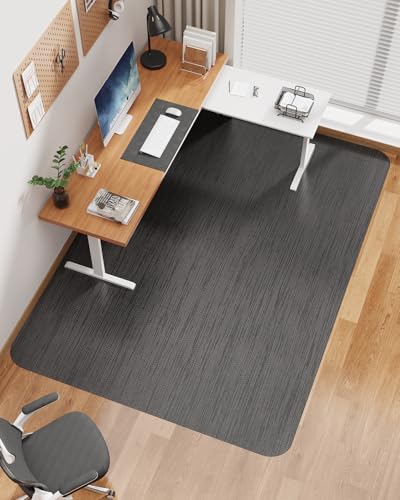


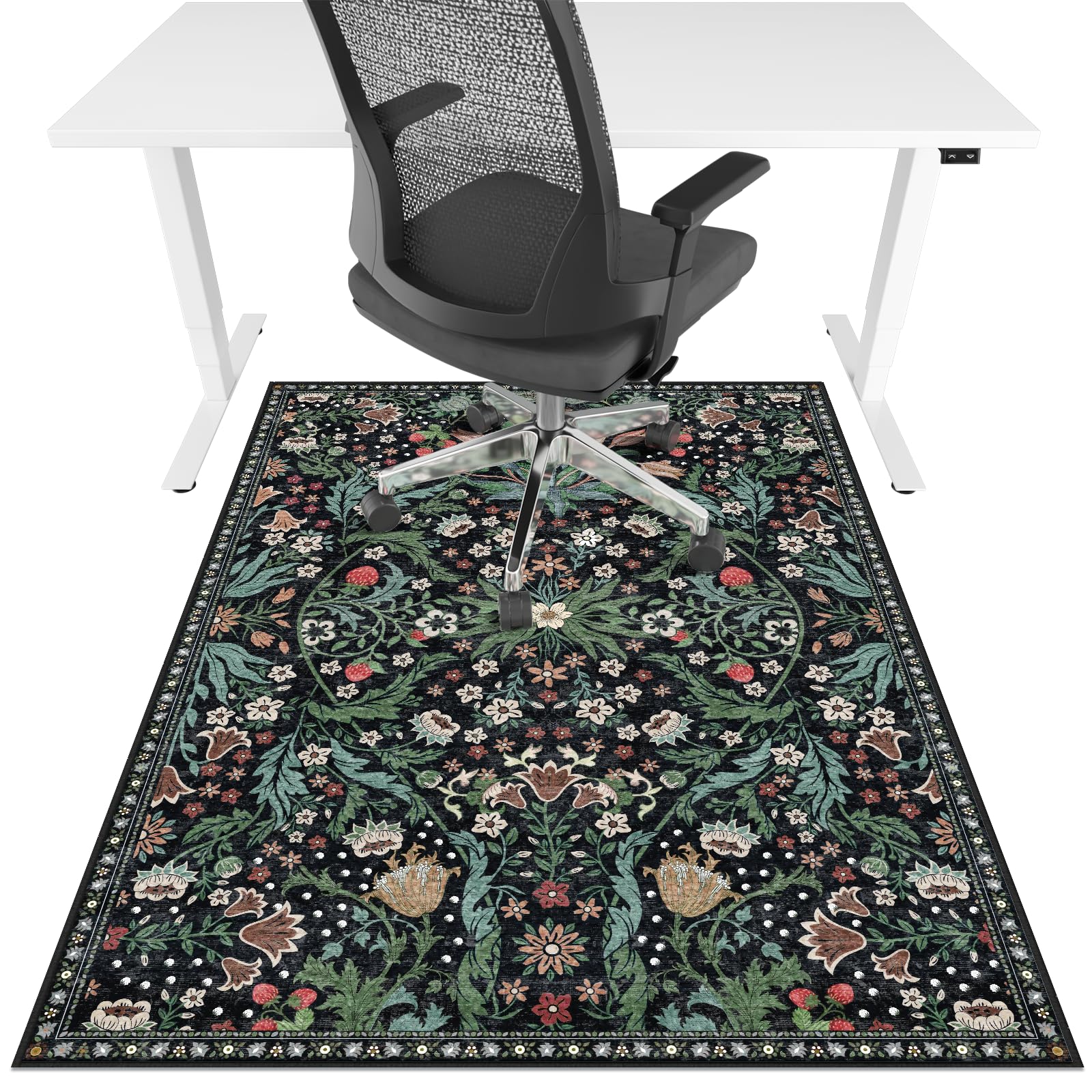

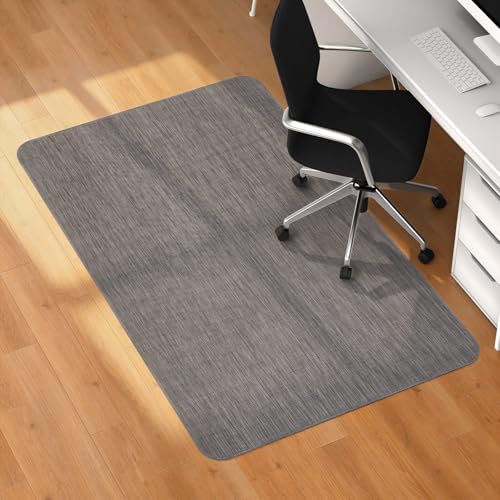


Who Should Buy Which Chair Mat?
Home Office Users on Hard Floors
On wood, laminate or tile, a mat stops caster marks, scratches and worn patches in the rolling zone. A smooth, medium thickness mat rolls easily and stays put with a light grip backing. Choose a size that covers the full chair movement, not just the space directly under the desk.
Workers on Carpet
Carpeted rooms need a thicker mat with studs or grip on the underside so the mat does not bunch under the chair. The mat should be firm enough that casters roll rather than sink into pile. Low pile carpet suits a thinner mat, while deep pile needs a thicker, firmer surface to roll well.
Large Desk and Multi Monitor Users
A wide desk, a corner setup or a chair that slides side to side needs a larger mat than a standard rectangle. Rectangular mats with a lip under the desk, or extra wide mats, keep the chair on a smooth surface through the whole working range. Measure the widest rolling distance before choosing a shape.
Types of Chair Mats Compared
The table below compares the main mat types by use, strengths, limits and typical price, so you can narrow the choice before looking at thickness and shape details.
| Type | Best For | Pros | Cons | Typical Price |
|---|---|---|---|---|
| Thin PVC mat | Hard floors | Low cost, light, easy to move | Can curl at edges | around $25 to $45 |
| Thick polycarbonate mat | Carpet and daily use | Firm roll, durable, stays flat | Heavier, higher price | around $50 to $90 |
| Tempered glass mat | Premium hard floor setups | Very smooth roll, easy to clean | Heavy, needs care in handling | around $100 to $200 |
| Studded carpet mat | Carpeted rooms | Grip holds mat in place | Not suited to hard floors | around $30 to $60 |
Thin PVC Mats
Thin PVC mats are light, low cost and easy to cut or move, which suits a first home office or a rented room. They roll well on hard floors but may curl at the edges over time, especially in warm rooms or under heavy chairs. Choose a thicker PVC mat if the chair is used all day, since very thin mats dent faster.
Thick Polycarbonate Mats
Thick polycarbonate mats give a firm, smooth rolling surface that holds up under daily use and heavier chairs. They resist dents and stay flat better than thin mats, which helps casters roll without catching an edge. The trade off is weight and price, but for a full time desk the smoother roll is often worth it.
Tempered Glass Mats
Tempered glass mats offer the smoothest roll and a clean look that suits a premium desk setup. They wipe clean easily and do not dent under casters. Glass is heavy and needs careful handling during setup, and it suits hard floors better than carpet, where a firm base matters more.
Studded Carpet Mats
Studded carpet mats have small grips on the underside that bite into carpet pile and stop the mat sliding as the chair moves. They suit low to medium pile carpet, where a smooth mat would bunch and ride up. Check the stud length against your carpet depth, since short studs grip poorly on deep pile.
Thick Polycarbonate Mats vs Thin PVC Mats: Which Should You Choose?
Compare the two by roll, durability, weight, price and floor type. Thick polycarbonate rolls more smoothly, resists dents and stays flat, while thin PVC costs less, weighs less and suits light, occasional use. On carpet, the firmer mat wins clearly, since thin mats flex into pile and slow the chair.
On hard floors with light use, a thin mat can be enough, but a full time desk user will feel the firmer roll every day. Choose thick polycarbonate for daily work and thin PVC for a spare desk or a tight budget.
How to Choose the Right Chair Mat
Size and Shape
Measure the desk width, the chair rolling range and the space under the desk where a lip would sit. A mat should extend beyond the chair movement in every direction, so casters never roll off an edge mid task. Rectangular mats suit straight desks, while mats with a lip suit desks where the chair tucks under the work surface.
Floor Type and Grip
Hard floors need a mat with a light grip backing that stops sliding without leaving marks. Carpet needs studs or a textured underside that holds the mat in place. See our guide to best mats for office chairs for a closer look at how grip differs by floor type, and check the mat for a day before discarding the packaging if the maker allows returns.
Thickness and Caster Roll
Thickness affects how easily casters roll and how well the mat resists dents. Thin mats roll well on hard floors but dent under heavy chairs, while thick mats stay firm on carpet and under daily use. Check caster size too, since small hard casters dent thin mats faster than larger soft casters.
Edge, Lip and Finish
Beveled edges stop the chair catching as it rolls on and off the mat, and a lip extends protection under the desk. A clear mat shows the floor beneath, while a frosted or tinted finish hides scuffs better. Check that edges lie flat on arrival, since a curled edge becomes a trip point and a caster trap.
Warranty and Return Policy
A mat warranty usually covers cracking, curling and stud failure, but not normal wear or caster dents from an unsuitable thickness. Read the maker terms for floor type limits, since some mats are rated for hard floors only. A clear return policy matters here, because size and roll feel are hard to judge from a photo alone.
Best Chair Mats for Specific Needs
Computer Desk Setups
A computer desk mat needs a smooth roll for long sessions, a size that covers keyboard and mouse movement, and an edge that will not catch when the chair slides back. A firm polycarbonate or glass mat suits a full time computer desk, while a thin PVC mat suits a laptop desk used a few hours a day. See our guide to best floor mats for office chairs when comparing shapes for a computer desk setup, and keep cable runs clear of the rolling zone.
Tips to Get the Most From Your Chair Mat
Place the mat on a clean, dry floor so grit does not scratch the surface beneath it. Let a new mat lie flat for a day before heavy use, since rolled mats need time to relax. Wipe the top with a damp cloth and mild cleaner, and follow the maker care guidance for stubborn marks. Check edges and studs every few months, and replace a mat that curls, cracks or no longer rolls smoothly.
Pay attention to the chair casters as well, since worn or gritty casters can mark even a good mat surface over time. Clean casters now and then, and replace a damaged caster rather than letting it drag across the mat. If the mat starts to slide on a hard floor, check whether dust has built up under it, since a quick clean often restores grip. A mat that stays clean, flat and free of grit will protect the floor far longer than one that is ignored.
When moving house or rearranging a room, roll the mat loosely rather than folding it sharply, since a sharp fold can leave a crease that lifts under casters. Store a spare mat flat or loosely rolled in a dry place, away from heat sources that could warp plastic. These small habits cost little time and keep the rolling surface smooth for years of daily use.
Frequently Asked Questions
How do I choose the right size chair mat?
Measure the desk width and the full distance the chair rolls side to side and back to front. Choose a mat that extends beyond that range in every direction, so casters stay on the mat during normal work. A mat with a lip under the desk adds protection where the chair tucks in, and an extra wide mat suits corner desks or multi monitor setups.
What features matter most for long hours?
For long hours, smooth caster roll and a mat that stays flat matter most. A firm, thick mat reduces the effort needed to move the chair, which eases leg fatigue over a full workday. Beveled edges also help, since they let the chair roll on and off the mat without a bump that interrupts focus.
How long should a good chair mat last?
A well made mat used daily often lasts two to five years, depending on thickness, chair weight and floor type. Thick polycarbonate and glass mats last longer than thin PVC, which dents and curls sooner under heavy use. Keeping the floor clean, avoiding sharp caster edges and following maker care guidance all extend mat life.
Is an expensive chair mat worth it?
A higher price is worth it for a full time desk, a heavy chair or a carpeted room, where a firm mat changes daily comfort. Thicker material, better edges and a longer warranty show up over years of use rather than on the first day. For a spare desk or light use, a lower priced mat gives the same floor protection for far less money.
Can I use a hard floor mat on carpet?
A smooth hard floor mat usually slides and bunches on carpet, because it lacks the grip needed to hold its place. Carpet mats use studs or texture to anchor into pile, which keeps the rolling surface stable. Buy a mat rated for your floor type, and check carpet depth against the maker guidance before ordering.
Wrapping Up
Floor type, size and thickness decide whether a mat helps or hinders daily work, while shape and finish decide how well it fits the room. Measure the rolling range, match grip to the floor, and choose a firm mat for daily use. The best chair mat is the one that stays flat, rolls smoothly and protects the floor, and the product table above is a good place to compare the types side by side before you choose.