
Best Celestial Watches for 2026: Every Type Explained Side by Side
Disclosure: We may earn a commission when you buy through links on this page, at no extra cost to you. As an Amazon Associate I earn from qualifying purchases. Learn more

Moon phase and star dial watches compared: how quartz, smart and field styles differ in upkeep, accuracy and price, so you can choose the right celestial watches.
Moon phase windows, star filled dials, and rotating sky charts give celestial watches their magic, but the styles hide very different movements and upkeep needs. Shoppers often fall for a dial photo and only later learn what owning that type involves. The best celestial watches match the sky display you love with a movement and case that fit your routine.
This guide compares each type side by side, with honest strengths, limits, and typical prices. Use the comparison table below to check specs while you decide which type deserves your wrist.

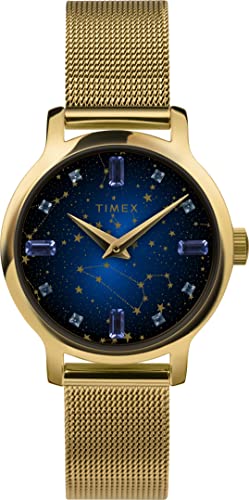
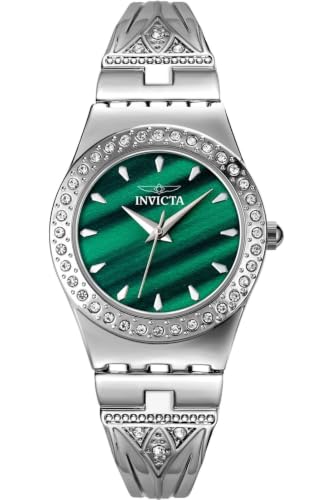


Types of Celestial Watches Compared
Celestial designs appear on almost every watch platform, from simple quartz models that show the moon with a printed disc to smart models that render the sky in software. Typical prices run from about $100 for fashion quartz pieces to several thousand for mechanical moon phase models with fine finishing. The three types below cover nearly everything you will meet while shopping.
Quartz Watches
Quartz celestial watches use a battery powered movement to turn a moon phase disc beneath a cutout in the dial. They keep excellent time, stay slim, and cost the least, which makes them the easiest entry into the style. Setting the moon phase usually involves advancing the disc by crown until it matches a lunar calendar, a five minute task every few months. Their limit is craft: the disc moves in steps, and collectors may miss the smooth mechanical feel. Choose quartz if you want the look, low upkeep, and a price that allows daily worry free wear.
Smartwatches
Smartwatches create celestial displays in software, so a single device can show moon phases, star maps, sunrise times, and planet positions that update from your location. That flexibility is unmatched, and astronomy apps add data no traditional dial can hold. The costs are charging every day or two, screens that glow rather than reflect light, and support that ends as software ages. The display also changes character: information feels digital, not heirloom. Choose a smart model if live sky data matters more to you than lasting mechanical charm.
Dive and Field Watches
Dive and field watches rarely carry true moon phase complications, but celestial styling appears through star textured dials, deep blue finishes, and strong lume shaped like constellations. In return you gain high water resistance, tough cases, and readability in darkness that suits camping and night sky trips. Typical prices sit between the quartz fashion tier and fine mechanical pieces. Their limit is authenticity of function, since the sky theme is decorative rather than a working calendar. Choose this type when durability and night legibility outrank a true lunar display.
Quartz Watches vs Smartwatches: Which Should You Choose?
Compare these two on accuracy, upkeep, display quality, and lifespan. Quartz wins on lifespan and simplicity, because a battery change every few years keeps it running for decades, and its moon phase stays set with minor corrections. Smart models win on data, because they track the moon, sun, and planets for your exact location without manual setting. On looks, quartz offers real depth in a physical dial, while smart screens offer endless faces that never feel quite solid. On cost over ten years, quartz usually wins, since one smart device rarely lasts that long. Pick quartz for a lasting object and a smart model for a living sky instrument.
Shoppers comparing general build standards can read our guide to the best quality watches for finishing benchmarks. If training features pull you toward a smart model, our guide to the best workout watches explains GPS and battery trade offs. Style focused readers may also enjoy the best watches for guys guide for dial and strap pairing ideas.
How to Choose the Right Celestial Watch
Crystal and Case Materials
A sapphire crystal protects a detailed celestial dial from scratches that would permanently cloud the artwork, so it is worth prioritizing on any piece you plan to keep. Mineral glass costs less and suits fashion models worn occasionally. Stainless steel cases in the common 316L grade resist corrosion well, while titanium cuts weight for larger dials. Check that printed stars or applied markers sit under a flat crystal if glare bothers you, because domed crystals bend light beautifully but can distort fine dial detail at angles.
Water Resistance Rating
Celestial watches often lean dressy, and many carry only a 30 m rating, which means splashes and rain are fine but showers and swimming are not. If your sky watching happens at lakes, beaches, or festivals, choose 100 m so a wet evening never ends the watch. A 200 m rating belongs to dive styled models with screw down crowns. Remember that moon phase pushers and extra crown positions can add leak paths, so have seals tested every couple of years on any watch you expose to water.
Smart and Fitness Features
On smart celestial models, GPS enables location based sky maps and accurate sunrise and moonrise times, which is the real reason to accept daily charging. Heart rate and sleep tracking can round out a night routine, but treat those readings as general guidance rather than medical information, and speak with your clinician about health questions. Battery life falls fast with the screen always on, so test that setting early. Traditional movements skip all of this, which many buyers count as peace rather than loss.
Brand Reputation, Warranty, and Value
A moon phase is a complication, so brand support matters more here than on a simple three hand watch. Look for a warranty of at least two years and a service network you can actually reach in the United States. Established makers keep discs, hands, and gaskets available longer, which protects a watch bought for its dial. Value also includes setting support: brands that publish clear moon phase instructions save you real frustration twice a year.
Movement Type
Quartz movements offer accuracy within seconds per month and minimal service beyond battery changes. Automatic movements power the moon phase from your wrist motion and can run for generations with servicing every five to seven years, though they drift by seconds per day. Solar movements charge from light through the dial, a neat match for a sky themed watch, but dial designs must pass light. Smart movements trade longevity for data. Match the movement to your patience for setting and upkeep.
How to Make Your Celestial Watch Last Longer
- Service automatic watches every five to seven years. Moon phase wheels and gears need fresh oils to advance the disc without strain.
- Rinse after saltwater exposure. Salt creeps into crowns and pushers, and a gentle fresh water rinse protects seals and finishing.
- Store away from magnets. Phone cases and speaker magnets can disturb a mechanical movement and throw off both time and calendar displays.
- Keep quartz models in light rotation. Wearing a watch regularly reminds you to correct the moon phase before it drifts far from the real sky.
- Use a soft pouch for travel. Painted and textured dials deserve protection from keys and chargers in a crowded bag.
Celestial Watches: Your Questions Answered
Is a smartwatch worth it over a classic watch?
A smartwatch is worth it if you use its live sky data, alerts, and tracking often enough to accept charging as a habit. A classic watch wins when you want an object that keeps working for decades with minimal attention. Think about replacement cycles honestly, because several smart devices over twenty years cost more than one good traditional piece with servicing.
Quartz or automatic: which is better?
Quartz is better for accuracy, slim cases, and low cost, while automatic is better for craft, smooth motion, and heirloom potential. For a moon phase specifically, automatic discs often advance gradually, which many owners find more pleasing. Quartz discs step forward in jumps but stay correct longer between settings. Your budget and your feelings about maintenance decide this one.
How long does a watch battery last?
A quartz watch battery usually lasts two to five years, and moon phase models sit in the same range because the disc adds little load. Solar models avoid swaps for many years, since light keeps the cell topped up. A slowing or jumping seconds hand often signals a low battery on common movements. Replace a dead battery quickly, because old cells can leak and harm the movement.
How water resistant should a watch be?
For a dress leaning celestial watch worn indoors, 30 m handles rain and hand washing if you stay careful. Choose 100 m if the watch will join you outdoors in all weather or near water on trips. Operate crowns and pushers only when dry, because pressing a moon phase corrector underwater invites moisture inside even on highly rated models.
What case size fits my wrist?
Most wrists suit celestial dials from 38 to 42 mm, because busy dials read larger than plain ones of the same size. Check lug to lug length against your wrist width so the case sits flat and the dial faces up. A thinner case helps detailed dials feel elegant rather than bulky. When torn between sizes, the smaller one usually flatters a decorated dial.
The Bottom Line
Decide first whether your sky display should be a physical disc, a living software map, or simple durable styling, because that choice sets the movement, price, and upkeep. Then confirm crystal, water resistance, and warranty in the product table above before you commit. Judged that way, the best celestial watches give you the night sky in a form you will still enjoy wearing years from now.


