
Best Casual Snow Boots 2026: Types Compared and How to Choose
Disclosure: We may earn a commission when you buy through links on this page, at no extra cost to you. As an Amazon Associate I earn from qualifying purchases. Learn more

Compare the main types of casual snow boots by warmth, grip, shaft height, and price, and learn how to choose a pair for town wear and winter commutes.
Snow boots come in more styles than most shoppers expect, and the differences matter once the first slushy week arrives. Some pairs are built like small tanks for deep snow, while others are light, neat boots made for sidewalks and the trip from the train to the office. This guide compares the main types of best casual snow boots side by side so you can see what each style does well and where it gives something up.
The comparison table below gives the quick picture, and the sections after it cover fitting points and care. Casual is the key word here: these are boots for everyday winter life, not for mountaineering.
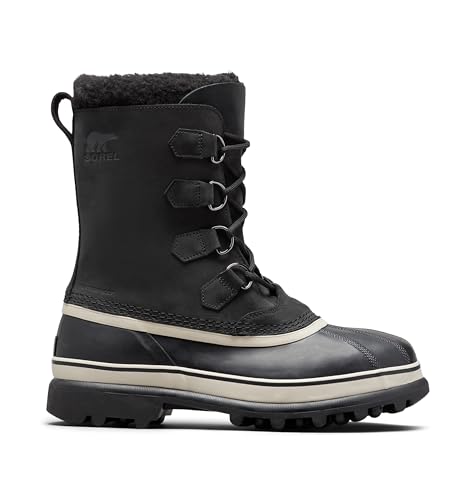


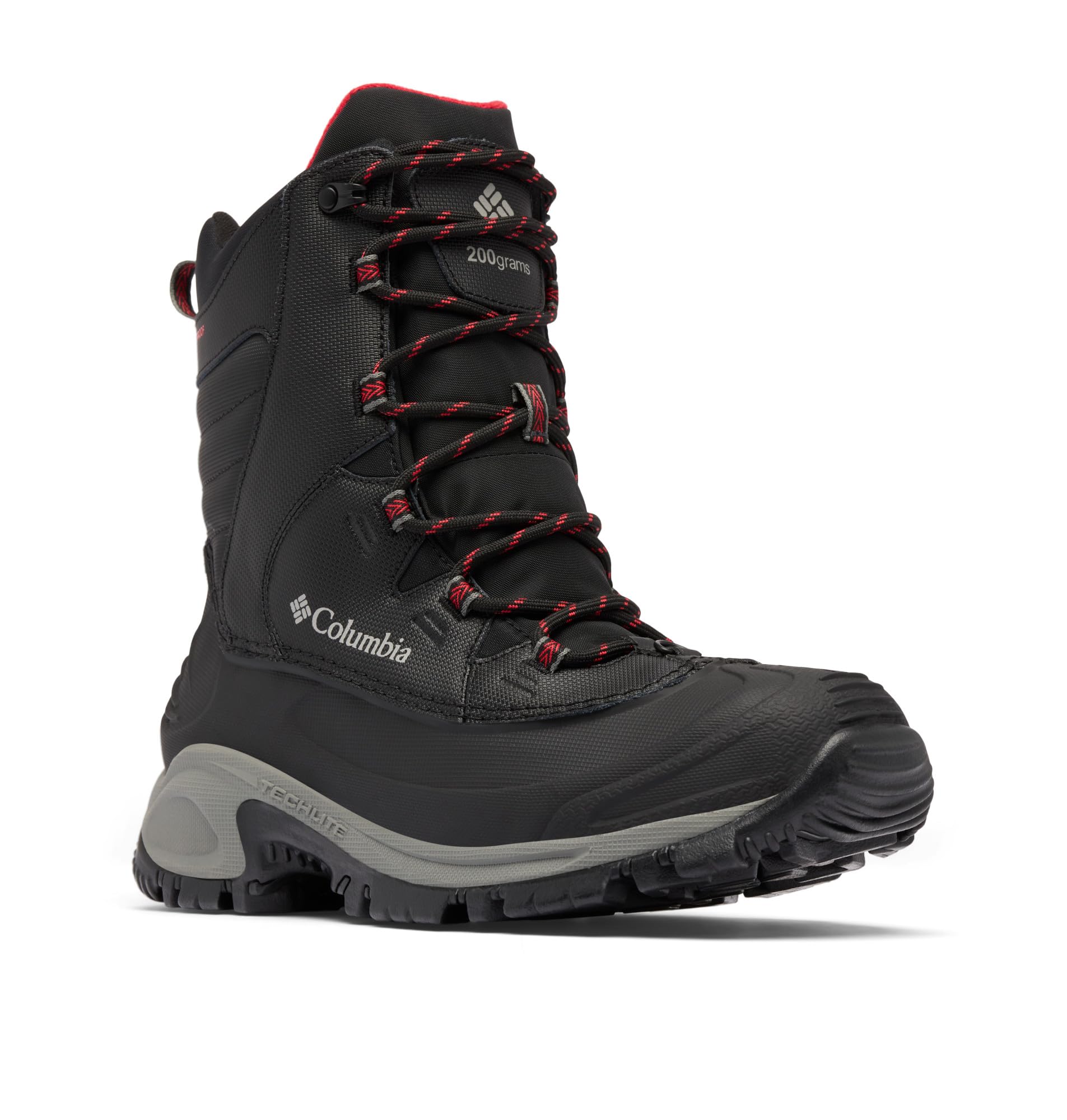
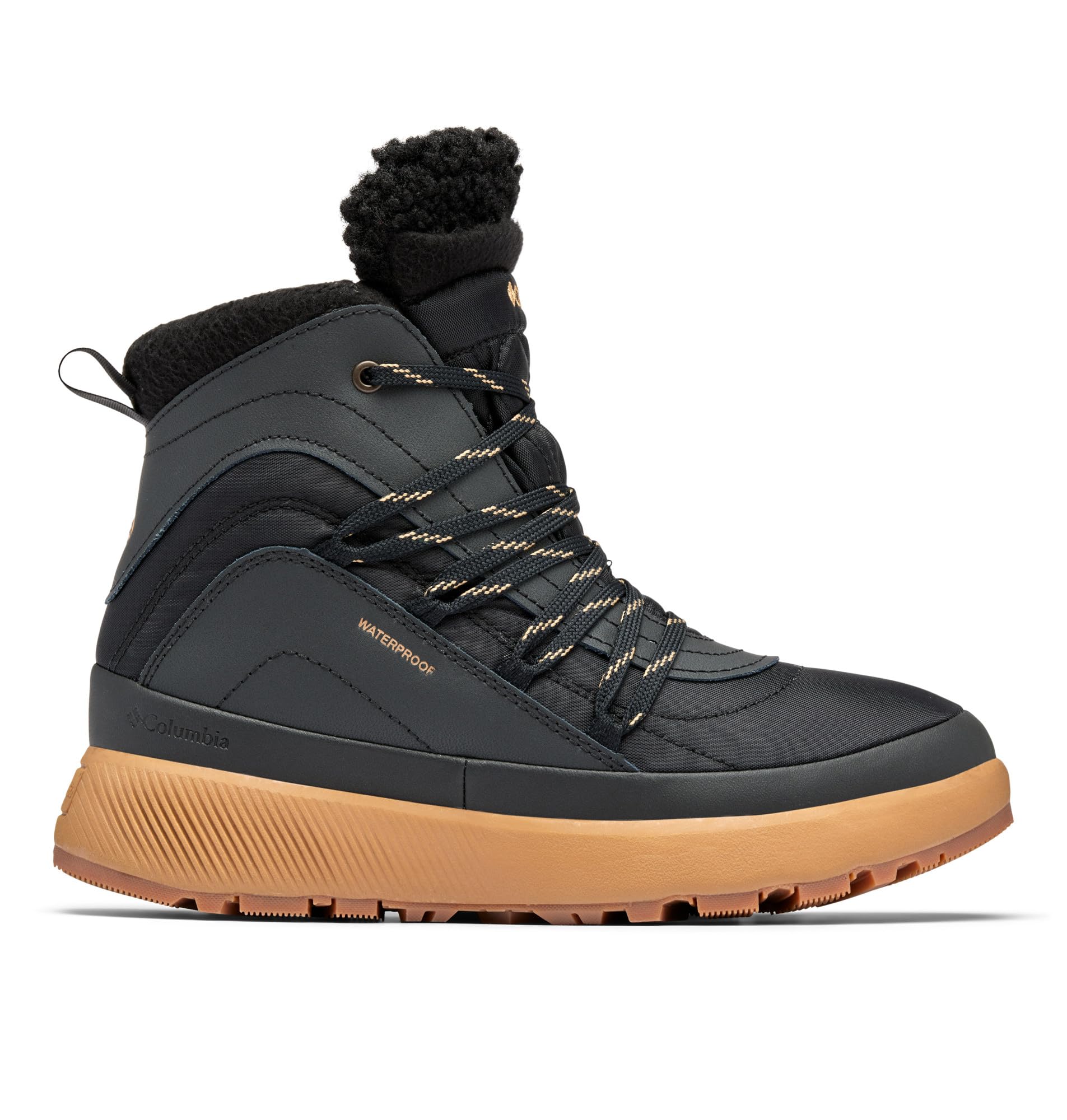
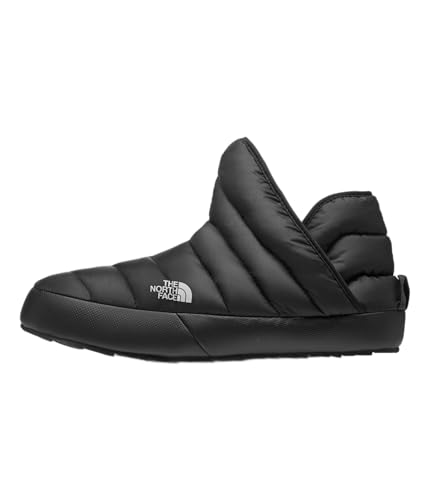


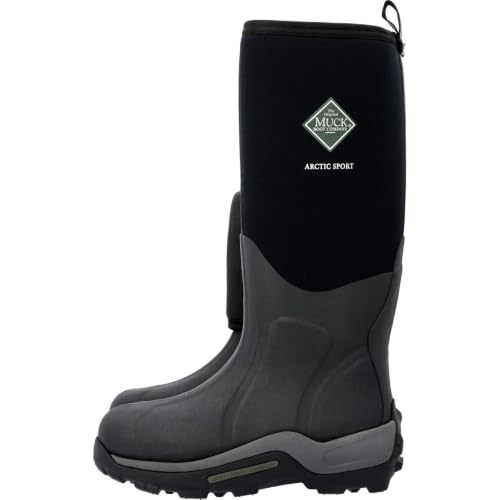
Types of Casual Snow Boots Compared
One warning before the types: read every temperature rating as a maker claim, not as a promise. Maker temperature ratings are not standardized, so one brand's rating may assume thick socks and constant walking while another assumes much less. Use the rating to sort boots into rough warmth classes, then judge the insulation and your own winters. And respect cold itself: if toes go numb and stay numb outdoors, get inside and warm up, because frostbite is a real risk in severe cold no matter what a label says.
| Type | Best For | Pros | Cons | Typical Price |
|---|---|---|---|---|
| Insulated waterproof boots | Deep snow, long outdoor time | Warmest class, full protection | Heavier, too warm indoors | about $90 to $180 |
| Slip on snow boots | Short trips, quick errands | Fast on and off, tidy look | Less support, lower shaft | about $60 to $120 |
| Lace up snow boots | Uneven ground, longer walks | Adjustable fit, secure heel | Slower to put on | about $70 to $150 |
| Lightweight snow boots | Mild winters, commuting | Easy all day wear | Less insulation, shallower grip | about $50 to $110 |
Insulated Waterproof Boots
This is the warmest and most protective type, with a sealed waterproof build and thick insulation. It suits shoppers who clear driveways, walk dogs in real snow, or stand at bus stops in bitter weather. The trade off is bulk: these boots feel heavy on stairs and can overheat your feet indoors.
Slip On Snow Boots
Slip on styles trade a little support for a lot of convenience. With no laces to tie, they are the pair you grab for the trash run, a quick store trip, or the school run in light snow. Most have a lower shaft, so deep drifts can spill in over the top.
Fit matters more here than in any other type, because nothing adjusts: try them with your winter socks. A heel that lifts with every step will rub by the end of the day.
Lace Up Snow Boots
Lace up boots give the most adjustable fit, which helps on uneven, icy ground where a secure heel keeps you steady. They suit longer walks and anyone whose feet fall between sizes in slip on styles. The downsides are small: laces take longer with gloves on, and wet laces can freeze stiff overnight in a cold entry. Many shoppers looking at best snow boots for mixed town and trail use land in this type, since it balances fit, support, and price.
Lightweight Snow Boots
Lightweight boots feel closest to everyday shoes, with flexible soles and modest insulation. They suit mild winter towns, plowed sidewalks, and commuters who spend most of the day indoors. What you give up is margin: thin insulation cools fast when you stand still, and shallow tread struggles on packed ice.
Insulated Waterproof Boots vs Slip On Boots: Which Should You Choose?
These two types answer different days. For warmth, the insulated waterproof boot wins clearly, since its sealed build and thick lining hold heat through long exposure. For speed and ease, the slip on wins, because you are out the door in seconds.
Grip is closer than expected, since both use similar outsoles, but the taller insulated boot keeps slush out far better. Decide by your routine: long, cold, and snowy points to insulated, while short trips point to slip on.
How to Choose the Right Casual Snow Boot
Start with the casual use class, because that is what the word casual really decides. Town and commute wear asks for grip on plowed pavement, warmth for a platform wait, and a look that works with ordinary clothes. It does not ask for the stiff build of a mountain boot. Shoppers comparing best men's casual snow boots will see the same split: neat, lighter styles for town, and burlier insulated styles for yards.
Upper Materials and Breathability
Uppers are usually leather, synthetic fabric, or a mix, often paired with a waterproof membrane. Leather looks smart and lasts for years, but it weighs more and needs drying time after a soaking. Synthetic uppers dry faster and keep the boot light, which commuters prefer.
Breathability is a quiet factor: a fully sealed boot keeps slush out but can leave socks damp from sweat. If your feet run warm, a mid height style often feels better.
Shaft Height and Slush Coverage
Shaft height is the slush decision, plain and simple. Coverage ends exactly where the boot ends, so a low boot that is perfect on plowed sidewalks will scoop snow at an unplowed crossing. Mid height shafts, roughly to the ankle bone or just above, handle most town slush. Taller shafts earn their keep where drifts and unshoveled paths are part of your week.
Weight and Flexibility
Every extra ounce shows up by the end of a walking day. Heavy insulated boots protect better but tire your legs on long walks, while flexible light boots feel easy and wear out their welcome in deep cold. A useful test is the staircase: if a boot feels clumsy going down steps in the store, it will feel worse on an icy platform. Most casual buyers land in the middle.
Arch Support and Foot Comfort
Winter boots often ship with flat, basic insoles, so the support you feel on day one may be all you get. If your feet like a firmer arch, check whether the insole removes easily so you can swap in one you already trust. Room in the toe box matters too, since cramped toes get cold faster.
Readers browsing best ladies snow boots will notice the same pattern: comfortable pairs give toes space and keep the heel seated. Any ongoing foot pain is a question for a clinician, not for a boot.
Fit, Sizing, and Toe Box
Try snow boots late in the day, when your feet are at their largest, and wear the thick socks you actually plan to use. You want a thumb's width of space in front of your longest toe, a heel that stays put, and no pinch across the top of the foot. Sizes drift between brands, so treat the chart as a starting point and your own walk test as the verdict.
Shopping only for your own routine? Our guide to best snow boots for me narrows the same questions to personal fit. Men comparing sizes across brands may also find our guide to best snow boots for man useful, since wider fits are common in that range.
Care Tips for Snow Boots
Brush off salt and grit after snowy walks, because road salt dries out leather and stains fabric uppers. Let wet boots air dry at room temperature away from radiators and direct heat, which can crack leather and warp soles. Stuffing them loosely with newspaper speeds drying. Rotating two pairs lets each dry fully between wears and stretches the life of both.
FAQ: Questions Answered
Can I wear casual snow boots all day?
Yes, the lighter and mid weight types are made for all day casual wear, and many people commute in them all season. The very warm insulated types can feel hot indoors, so office workers sometimes keep shoes at their desk. If your feet ache after a full day, check the insole first, since a better insole is a cheaper fix than new boots.
How should casual snow boots fit?
They should feel snug at the heel and midfoot with clear space in front of your toes. Thick winter socks take up room, so a fit that feels perfect with thin socks will likely feel tight in January. Walk and turn to test the fit, because a heel that slips will blister on a real commute. Between sizes, the larger size with a thicker sock is usually warmer.
Do casual snow boots need to be waterproof?
For most town use, yes, at least water resistant with sealed seams, because slush is mostly water and it finds every opening. A boot can be warm and still miserable if melted snow soaks through by the second block. Fully waterproof builds matter most where puddles and slushy crossings are daily events. In a dry, cold climate where streets are cleared fast, a water resistant upper may be enough.
How long is the break in period for casual snow boots?
Most casual snow boots feel right within a few short wears, often about three to five outings. Stiff insulated and leather styles can take closer to two weeks before the ankle area softens. Wear new boots on short trips first rather than debuting them on the longest walk of the season. Hot spots on a short walk are a warning to adjust socks or size now.
Are expensive casual snow boots worth it?
They can be, because higher prices usually buy better insulation, sturdier outsoles, and leather that survives more seasons. The difference shows most in grip compounds that stay flexible in deep cold and in linings that stay warm after years of use. For one mild season, a budget pair is sensible. For daily commuting through several winters, the pricier pairs in the product table above tend to cost less per season than replacing cheap boots yearly.
How often should I replace casual snow boots?
Replace them when the tread is worn smooth, the insulation feels packed down and cold, or the upper leaks despite reproofing. For a daily wearer that is often after about three to five winters, while occasional users may get longer. A quick test is grip on a wet floor: if the boots slide on a damp surface they once gripped, the outsole is done.
Final Thoughts
Choose by your real winter: how cold it gets, how deep the slush sits on your route, and how long you stand outside. Match the type first, then the shaft height, then the fit with winter socks on. Run the best casual snow boots you are considering against those three checks in the product table above, and you will end up with a pair that suits your season.


