
Best Casio Watches for Swimming Made Simple: A Clear Buying Guide for 2026
Disclosure: We may earn a commission when you buy through links on this page, at no extra cost to you. As an Amazon Associate I earn from qualifying purchases. Learn more

Learn how to choose the best casio watches for swimming with plain guidance on water ratings, straps, movements and fit for first time buyers.
Buying your first swim watch is simpler than the spec sheets make it look. You need honest water protection, a strap that belongs in the pool and controls you can use with wet hands. This guide starts with the basics, explains each key spec in plain English and ends with the mistakes to avoid.
If you are new to the best casio watches for swimming, do not start with price or looks. Start with how and where you swim, since laps in a pool, open water swims and beach days ask different things of a watch. The comparison table below will make more sense once you know your minimum water rating.
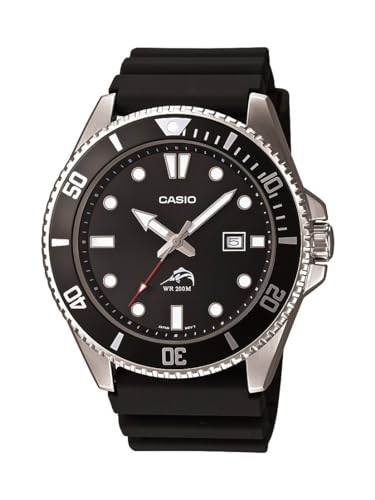


Casio Watches 101: The Basics
A Casio swim watch is a water resistant watch built to keep time and often track laps, timers or intervals while you swim. Quartz models use a battery, solar models charge from light and smart models add sensors and phone links. All three can swim well if the water rating and seals are right.
A few terms unlock every listing. Water resistance in meters describes lab tested protection, not a swimming depth you should aim for. Lume is the glow material on hands and markers that helps in dim pool halls. A resin case and strap are plastic based parts that handle chlorine and salt well and cost little to replace.
For safety, always supervise children in the water regardless of any watch or timer, and never let a watch replace attention to pool rules and your own limits. If you feel dizzy, short of breath or unwell while swimming, leave the water and seek help promptly.
Key Specs Explained in Plain English
Each spec below connects directly to swimming. Read them in order and you will know your minimum rating, your best strap and the movement that fits your routine. If you want a brand wide starting point after this guide, see our overview of the best of casio watches.
Features That Matter for Swimming
Swimming demands clear readouts and simple controls more than extra modes. A large dial or display, strong contrast and a stopwatch or lap timer cover most pool needs. Buttons should press cleanly without feeling loose, and the watch should sit snug so it does not rotate on your wrist during turns.
Look for 100 meters of water resistance as your practical floor, with 200 meters preferred for frequent training. A practical tip is to test button feel and strap fit dry before your first swim, since adjusting a strap with wet hands in the pool area is awkward and rushed.
Movement Type (Quartz, Automatic, Solar, Smart)
Quartz is the most common and affordable choice for swim watches, with good accuracy and a battery that lasts about two to three years. Solar quartz is excellent for swimmers who train outdoors, because daylight at the pool keeps the watch charged and removes battery planning.
Smart movements add lap tracking, GPS on some models and phone summaries, but they need charging and app upkeep. Automatic mechanical movements are a poor fit for swimming value, since they cost more and need more care. For most first time buyers, quartz or solar quartz gives the best balance.
Strap and Bracelet Options
Resin and silicone straps are the right choice for swimming. They ignore chlorine and salt, dry fast and stay secure when wet. A quick release strap system makes swaps and deep cleaning easy, which helps when you swim several times a week and want to rinse the strap fully.
Avoid leather entirely in the pool, since it absorbs water and degrades. Metal bracelets can swim if the rating allows, but they feel heavier and can pinch during strokes. Fabric straps dry slowly and can chafe. Keep one dedicated resin strap for the water and your watch will stay comfortable longer.
Water Resistance Rating
Ratings confuse first time buyers, so use this plain rule. A 30 meter watch handles splashes only and should not swim. A 50 meter watch may handle brief shallow dips for some makers, but it leaves little margin. A 100 meter watch is the safe choice for regular swimming, and 200 meters is best for heavy training.
Ratings assume the crown is closed and the seals are healthy. Hot showers, sauna heat and aged gaskets reduce protection, so keep a swim watch out of high heat and have seals checked if you train year round. That caution protects the watch far more than any single spec.
Brand Reputation, Warranty, and Value
Casio offers strong value for swimmers because replacement straps, clear manuals and service routes are easy to find in the United States. Check that your chosen watch carries a stated warranty and that water related terms are written plainly. Vague water claims with no meter rating should end your interest.
Good value also means low running cost. A resin strap quartz watch around $20 to $100 can serve a new swimmer for years. Pay more only for a higher rating, solar power or tracking you will truly use. Compare entries in the product table above on those points first.
Rookie Mistakes to Avoid
New buyers tend to repeat the same few errors. Avoiding them will save money and protect your watch from early water damage.
- Swimming with a 30 meter watch because the number sounds deep enough for a pool.
- Pressing buttons underwater without checking whether the manual allows it.
- Choosing leather or fabric straps for pool use and then blaming the watch for discomfort.
- Wearing the watch in hot showers or saunas and weakening the seals over time.
- Buying smart tracking you never open, instead of paying for a better water rating.
One more mistake is sizing by looks alone. A swim watch worn too loose will shift and bang against lane ropes and pool walls. Snug and flat beats large and loose in the water every time. Swimmers who want broader non Casio context can read our guide to the best watches for swimming.
Getting Started: Setup and First Use
Before your first swim, set the time and date, confirm the crown is fully closed and fit the strap so the watch sits snug without cutting circulation. Test the stopwatch or timer on dry land so you know which button starts and stops it. Bring a small towel to dry the watch after your session.
After swimming, rinse the watch with fresh water, especially after saltwater or heavy chlorine exposure, then dry it with a soft cloth. Store solar models where they see light. If you ever see fog under the crystal, stop swimming with the watch and seek service promptly, because fog signals that water has entered.
Frequently Asked Questions
What features matter most in casio watches for swimming?
Water resistance of 100 meters or more matters most, followed by a resin strap and a clear dial or display. A stopwatch or lap timer helps if you train by intervals. Everything else is secondary for a first swim watch. Buy protection and fit first, then add tracking only when your training routine proves you need it week after week.
How water resistant should a watch be?
Choose 100 meters as your minimum for regular swimming and 200 meters for frequent or open water training. A 30 meter rating is splash protection only, no matter how deep the number sounds. Also remember that heat and old seals lower real protection. If your watch is several years old and unserviced, be conservative even if the rating looks strong.
How long does a watch battery last?
A quartz swim watch battery typically lasts about two to three years, though heavy light or alarm use can shorten that span. Solar models avoid routine changes by charging from light during normal wear. Have battery work done by a service point that can check and renew the water seals at the same time, otherwise a fresh battery can leave you with weaker water protection.
Quartz or automatic: which is better?
Quartz is better for swimming because it is accurate, affordable and easy to seal well. Automatic movements cost more, drift more and need service about every 5 to 7 years, with no benefit in the pool. Casio swim lines are built around quartz, solar and smart movements for good reason. Save automatic watches for dry land collecting if that style appeals to you.
What case size fits my wrist?
Pick a size that sits flat and snug without overhang. Smaller wrists often suit cases near 38 mm to 42 mm, while larger wrists can carry bigger sport cases with ease. Lug to lug length matters as much as diameter. In the water, a slightly smaller and flatter watch usually feels better than a large one, because it catches less drag and fewer knocks. Tracking focused swimmers can also compare our guide to the best smart watches for swimming.
Is a smartwatch worth it over a classic watch?
A smart swim watch is worth it if you will review lap, pace or route data after sessions and adjust training from it. GPS models can map open water swims, which some swimmers value highly. If you only need time and a timer, a classic quartz Casio costs less and runs far longer between charges. Be honest about your data habits before you pay for sensors. Brand comparisons for GPS training are covered in our guide to the best garmin watches for swimming.
The Bottom Line
For a first swim watch, insist on 100 meters or more, a resin strap and a fit that stays snug in the water. Quartz keeps cost low, solar keeps upkeep lower and smart models earn their price only when you use the data. Check the product table above for current options that meet that floor, and choose the best casio watches for swimming by protection first and extras second. If you prefer a screen first Casio for timers and laps, our guide to the best casio digital watches is a useful next read.


