
Best Cashmere Slippers: Buying Guide for 2026
Disclosure: We may earn a commission when you buy through links on this page, at no extra cost to you. As an Amazon Associate I earn from qualifying purchases. Learn more
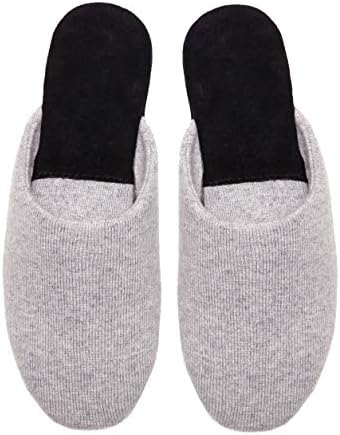
Use this guide to choose the best cashmere slippers by fit, cushioning, sole type, and care needs, so you get lasting warmth without overspending daily.
Cashmere slippers promise soft warmth that ordinary fleece or cotton cannot match, but prices vary widely and not every pair uses cashmere in the same way. Some pairs use a full cashmere upper, while others blend cashmere with wool or synthetic fibers and put the softest layer only where your foot rests.
This guide explains how to judge the best cashmere slippers by blend, fit, sole, and care, so you pay for real comfort rather than a label. Check the comparison table below for styles and size ranges as you narrow your choice.
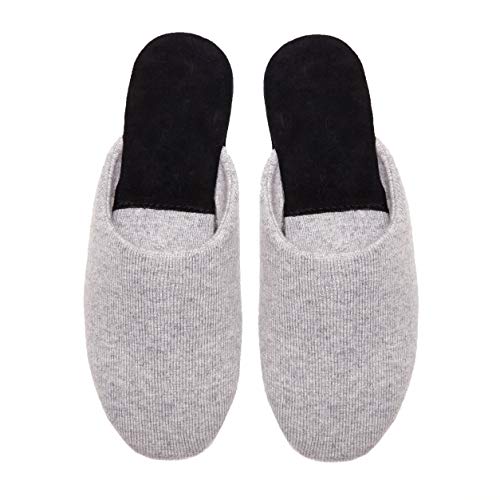
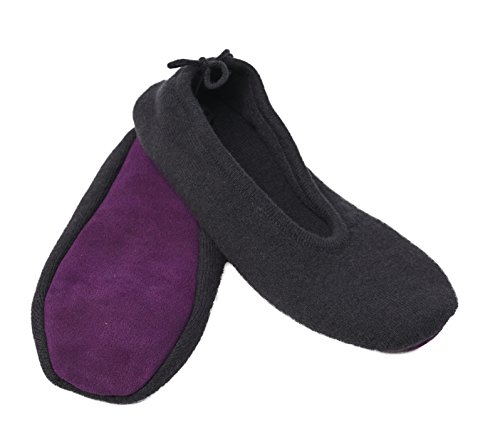
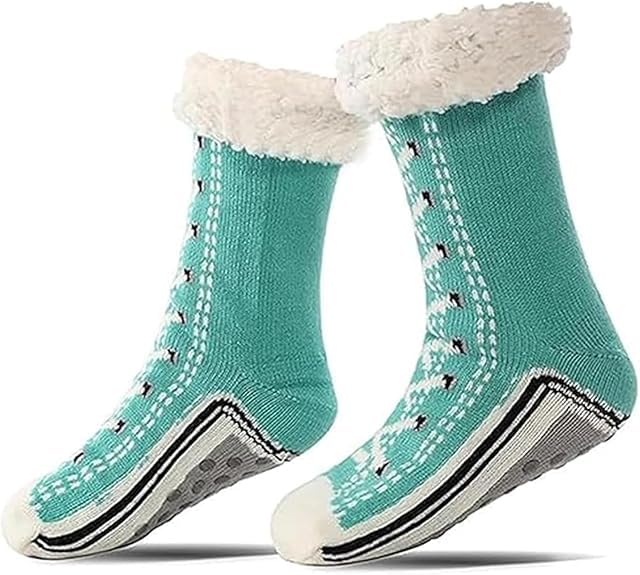

Three Price Tiers at a Glance
Think in tiers rather than chasing a single model. Each tier below describes what your money usually buys, who it suits, and where the limits appear after months of daily wear at home. Use the tiers to set a budget before you look at colors or trim.
Balanced Tier: High Cashmere Content
The overall tier balances a high cashmere content upper with a cushioned footbed and a sole that can handle quick trips to the door or bin. Expect neat stitching, a shaped heel cup, and sizing that runs true for most feet. Prices here often sit around $90 to $200, reflecting fiber cost and build quality.
The limit is care. Cashmere needs gentle handling, so even a well made pair will suffer if you wear it for wet chores or leave it by a hot radiator. Treat this tier as indoor footwear first.
Value Tier: Blends
The value tier usually blends cashmere with wool or other fibers to keep the soft feel while lowering cost, often around $50 to $100. You still gain warmth and light weight, but the upper may pill sooner and the footbed may use simpler foam. For many buyers, this is the sensible entry point into cashmere at home.
Check the fiber list carefully in this tier. A small cashmere share in a mostly synthetic blend will not feel the same as a cashmere rich knit, even if the product name sounds similar at a glance.
Premium Tier: Long Staple Fibers
The premium tier, often above $200, focuses on long staple cashmere, dense knitting, and refined details such as suede or leather soles and hand finished seams. Warmth feels even, the knit resists thinning longer, and the shape holds through a full winter of daily wear. You are paying for fiber quality and finish, not for extra features.
This tier suits buyers who wear slippers for hours every day and want one pair to last several winters with proper care. If you wear slippers only briefly in the morning, the extra cost brings little added benefit.
How to Choose Cashmere Slippers: Buying Guide
The sections below are the core of your decision. Work through fit, cushioning, and materials in order, because a soft upper cannot fix a wrong size or a sole that slips on your floors. Note your floor type and foot shape before you start comparing.
Fit, Sizing, and Toe Box
Measure your foot in the evening, when it is slightly larger, and compare the length to the brand chart rather than relying on your usual shoe size. Cashmere knit stretches a little with wear, so a snug first fit is normal, but toes should never press hard against the front. A roomy toe box matters if you wear socks indoors.
If you fall between sizes, consider your use. For bare feet, the smaller size may settle well as the knit relaxes. For thick winter socks, the larger size avoids pressure across the top of the foot.
Cushioning and Support
Good cushioning in a slipper means a footbed that spreads pressure without feeling unstable on hard floors. Memory foam feels plush at first but can flatten over time, while layered foam or a thin cork or latex layer often holds shape longer. Heel to toe drop is small in most slippers, which suits relaxed standing and short walks indoors.
If you stand in the kitchen for long periods, choose a firmer footbed over the softest one. Pure softness can tire the feet, while moderate support keeps weight spread across the whole sole.
Weight and Flexibility
Cashmere slippers should feel light, since heavy footwear makes no sense for relaxed indoor use. A flexible sole that bends with your step suits carpet and smooth floors, while a stiffer sole protects better on stone or tile and during brief outdoor steps. The upper itself adds little weight, so most differences come from the sole unit.
Test flexibility by thinking about your floors. On thick carpet, a soft sole is fine. On cold tile, a thicker sole gives insulation from the floor as well as protection, which adds real warmth.
Upper Materials and Breathability
Pure cashmere feels the softest and breathes well for a warm fiber, helping feet stay warm without heavy sweating. Blends with wool add strength and reduce cost, while a small synthetic share can improve shape retention. Knit density matters too, since a tight knit blocks drafts better and resists snagging on furniture edges or pet claws.
Ask where the cashmere sits. A cashmere lining with a wool outer can be a smart design, giving skin contact softness with a tougher shell. For broader comparisons, see our guide to the best quality slippers and how materials compare.
Arch Support and Foot Type
Most cashmere slippers offer gentle rather than firm arch support, which suits average feet for indoor wear. Flat feet may need a contoured footbed or a removable insole, while high arches benefit from even cushioning that fills the midfoot area. If your feet roll inward strongly, look for a stable heel cup and a sole that does not twist easily.
If you have ongoing foot pain, do not rely on slippers alone to fix it. Our guide to the best slippers for plantar concerns covers support in more depth, and persistent pain deserves advice from a qualified clinician or podiatrist.
Durability and Expected Lifespan
With indoor only use and gentle care, a good pair can last several winters, while daily wear on rough floors shortens that span. Wear shows first at the heel lining, the toe area, and any thin sole edge. Pilling on the knit is normal early on and can be removed with a fabric comb without harming the fibers.
Rotate with a second pair if you wear slippers all day, and keep cashmere away from Velcro, rough pet bedding, and direct heat. Small habits like these protect the knit far more than any spray or treatment product.
Types of Cashmere Slippers
Style affects warmth, ease of use, and how secure the slipper feels. The two types below cover most options you will see, and each suits a different home routine. Choose the type first, then compare blends and soles within that type.
Stability and Support Styles
Support focused slippers use a contoured footbed, a closed heel, and a firmer sole to keep the foot steady on hard floors. They suit buyers who stand a lot at home or want a more shoe like feel indoors. The trade off is a slightly heavier, less flexible build than a simple soft slipper.
Lightweight Shoes and Moccasin Styles
Lightweight slip on and moccasin styles are the classic cashmere choice, easy to put on, quiet on floors, and warm without bulk. A suede sole version feels elegant and grips carpet well, while a thin rubber sole adds safety on tile. Choose rubber if your home has smooth, hard floors or steps you use often.
Picking the Right Cashmere Slippers for Different Uses
Most buyers wear slippers in short, repeated bursts across the day, so ease of slipping on and off matters as much as warmth. Think about stairs, floor surfaces, and whether you step outside briefly, then match the sole and back style to those moments.
Best Women's Cashmere Slippers
When shopping for best women's cashmere slippers in the sense of fit and sizing, look for narrower heel shaping, a wider range of smaller sizes, and footbeds scaled to lighter average weight. Ballet and mule styles are common, but a closed back style stays on better for stairs and busy mornings. Check size charts in centimeters rather than assuming a standard conversion.
For more women focused options and sizing notes, see our guide to the best slippers for women. Men comparing fit can also see our guide to the best male slippers for wider fits and larger sizes.
Care and Maintenance Tips
- Hand wash gently in cool water with mild detergent, or use a trusted specialist cleaner for structured styles.
- Dry flat on a towel away from direct heat and sun, reshaping the slipper while damp.
- Remove early pilling with a fabric comb using light strokes in one direction.
- Air dry damp slippers fully before storing, and store them clean in a breathable bag.
- Rotate two pairs during heavy daily wear so foam and knit can rest and recover.
- Keep cashmere away from rough surfaces and pet claws that can snag the knit.
One practical rule: wash only when needed. Cashmere refreshes well with airing after wear, and washing too often shortens fiber life more than normal indoor use does.
Frequently Asked Questions
How long is the break in period?
Most cashmere slippers need little break in, usually a few days of normal indoor wear for the knit and footbed to shape to your foot. The knit relaxes slightly and the foam settles, which is normal. Sharp rubbing, heel slip that does not improve, or toe pressure after a week signals a fit problem rather than break in.
How should cashmere slippers fit?
They should feel snug and secure without squeezing, with toes able to move and the heel staying in place as you walk. A small amount of initial snugness is fine because knit gives a little, but numbness or red marks mean the size is wrong. Always judge fit in the evening with your usual indoor socks.
Do I need waterproof shoes?
No, cashmere slippers are indoor footwear and should not be treated as waterproof shoes. Water weakens the knit and can mark suede soles, so keep them for dry indoor use and brief dry steps outside only if the sole allows it. Keep a separate pair of sturdy shoes by the door for wet errands.
How often should I replace my cashmere slippers?
Replace them when the footbed stays flat and hard, the sole wears smooth and slippery, or the knit thins at the toes or heel. With careful indoor use that may be after several winters, while heavy daily wear shortens the span. Comfort and grip are better guides than age alone.
Can I wear them all day?
Yes, many people wear them through a full day at home, provided the footbed gives enough support for your floors and feet. Take breaks from any single pair if you stand for hours, and switch to supportive shoes for housework that involves ladders, heavy loads, or wet floors. Comfort that fades by midday is a sign to upgrade support.
Are expensive cashmere slippers worth it?
They are worth it when higher cost buys longer staple fibers, denser knitting, and a better sole that you will use daily for years. The softness lasts longer and the knit thins more slowly than in cheap blends. For light, occasional wear, a value blend gives most of the pleasure without the premium price.
Wrapping Up
Judge cashmere slippers by fiber content, fit, and sole, in that order. A cashmere rich knit in the right size, paired with a sole that suits your floors, will feel warm and secure every day, while a famous label in the wrong size will disappoint quickly.
Compare your shortlist in the product table above and choose the best cashmere slippers for your home, your floors, and your budget. Buy once, care for them gently, and they should serve you well for many winters.


