
Best Cash Box: A Practical Buying Guide
Disclosure: We may earn a commission when you buy through links on this page, at no extra cost to you. As an Amazon Associate we earn from qualifying purchases. Learn more
If you handle cash for a small business, a weekend market table, or just want a tidier way to keep bills and coins at home, a plain drawer or envelope stops working pretty fast. Loose cash gets misplaced, coins roll under furniture, and anyone walking by can see exactly where the money is. Finding the best cash box for your situation solves most of that with a locking lid, separated compartments, and a size that actually matches how much cash you handle. In this guide, you'll learn how lock types compare, how to think about compartments and capacity, which box fits which use case, and where a cash box stops being enough on its own.


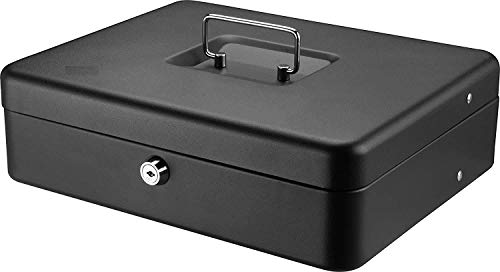

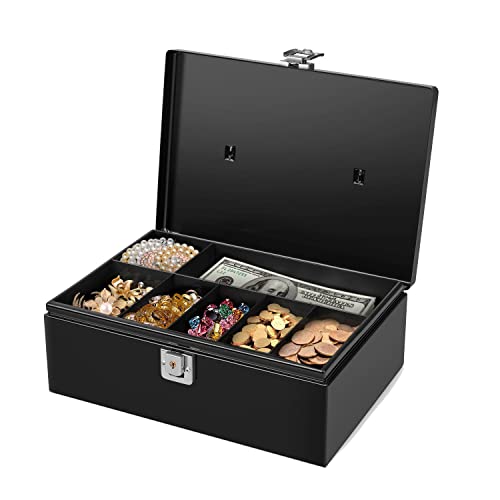
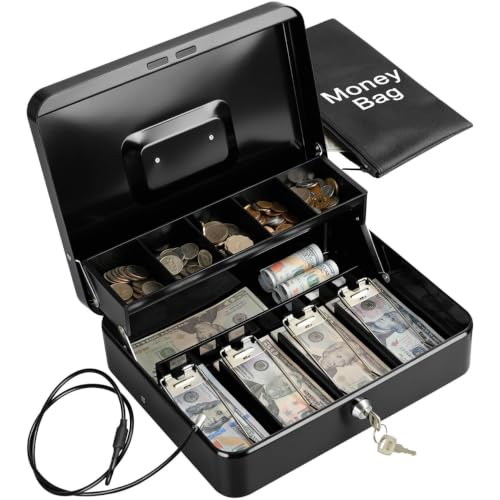
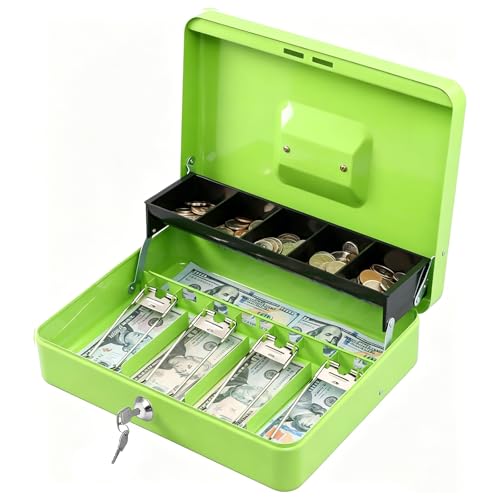


Lock Type: Key, Combination, or Electronic Security
The lock is the first real decision, and it shapes how you'll use the box every single day. None of these options turn a cash box into a true safe, but they differ a lot in convenience and everyday reliability.
Key Locks
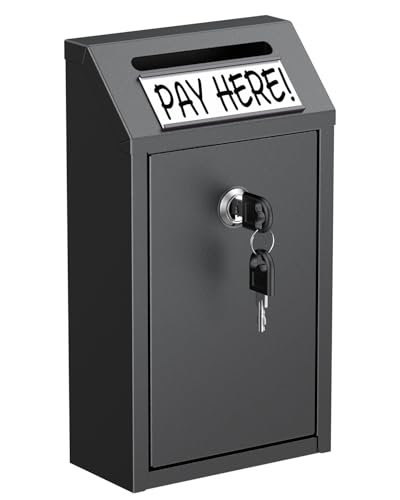
Key locks are simple and cheap to manufacture, which is why so many cash boxes use them. The trade-off is that a key can be lost, and if only one person is supposed to have access, a missing key means drilling the lock or replacing the box. If you go this route, keep a spare key somewhere other than near the box itself.
Combination Locks
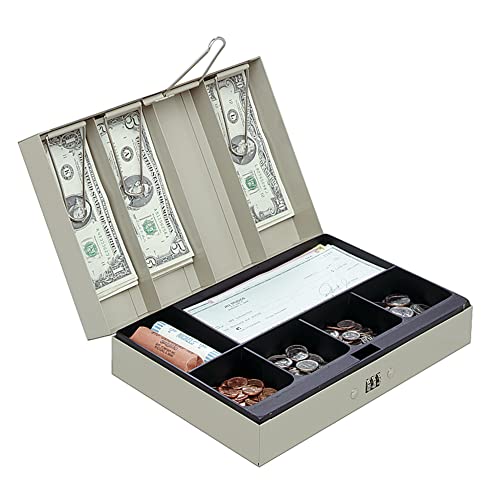
A dial or push-button combination removes the "lost key" problem, since there's nothing physical to misplace. The downside is that combinations can be forgotten just as easily, and resetting a mechanical combination lock without documentation from the manufacturer is often difficult. Combination locks tend to suit boxes that stay in one place, like an office or a home closet.
Electronic Locks
Electronic keypad locks are less common on basic cash boxes but show up on pricier models. They allow multiple staff codes, which is useful if several employees need access without sharing one key. Battery life is worth checking, since a dead battery on a keypad lock can lock you out just as effectively as a broken mechanical one.
Compartment Layout and Capacity
Beyond the lock, the internal layout is what makes a cash box genuinely useful day to day rather than just a metal container. This is where most of the practical differences between models actually show up.
How Many Compartments You Actually Need
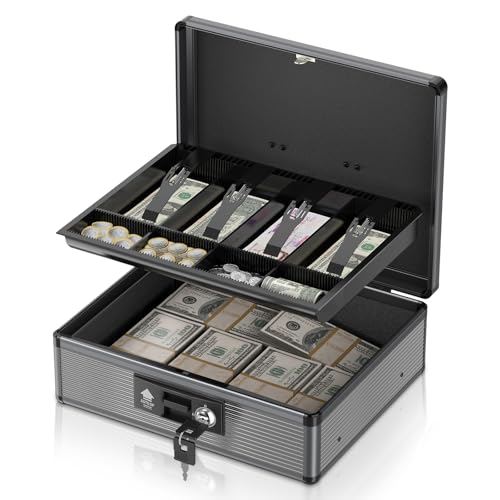
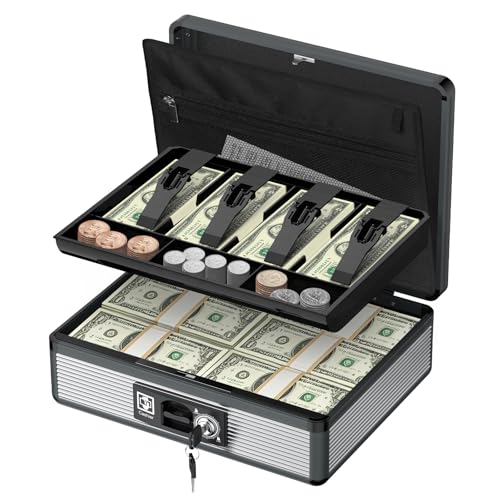
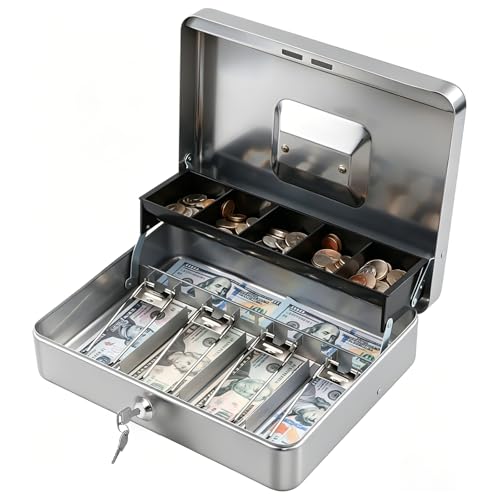
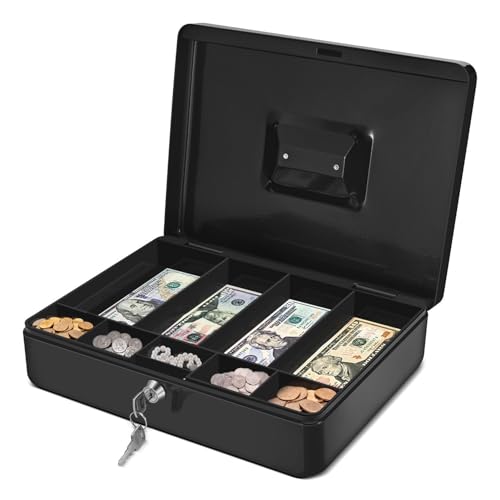
Most boxes split into sections for bills and separate slots for coins by denomination. A small personal or home box might only need a couple of bill slots and a shallow coin tray. A busy retail counter or event table usually benefits from more divisions, since sorting cash quickly during a transaction matters more when a line is forming.
Removable Trays vs. Fixed Trays
A removable coin tray lifts out to reveal a lower storage area, which is handy for keeping receipts, a spare key, or rolled coin wrappers underneath the daily cash. A fixed tray is simpler and slightly sturdier, but it offers less flexibility if your storage needs change. If you deal with both bills and a meaningful amount of coin, a removable tray is usually worth the small extra cost.
Matching the Box to Where You'll Use It
The best cash box for a busy retail counter looks different from the best pick for an office drawer or a weekend market table, since the right size and features depend heavily on where the box will actually live and how often it moves.
Retail Counters and POS Backup
For a store counter, a cash box often works as backup float or a way to hold cash separately from a card-only register. Look for a size that fits your counter space without crowding it, and a lock that's quick to open during busy hours without fumbling.
Office Petty Cash
Petty cash boxes usually stay in a drawer or cabinet and get opened only a few times a day. Here, a combination lock tends to make more sense than juggling a physical key among several staff members, and a mid-size box with clear compartments keeps reimbursements organized.
Events, Markets, and One-Off Sales
Fundraisers, garage sales, and craft fairs put a premium on portability. A smaller, lighter box with a sturdy handle is easier to carry and keep within arm's reach than a large, heavy one, even if it holds slightly less cash.
Cash Box or Safe: Which One Do You Actually Need
This is one of the most common points of confusion, and it's worth settling before you buy. A cash box is built for short-term, active-use storage, holding money you're actively handling during a shift, event, or workday. It is not designed to protect against fire, and most models offer only modest resistance to a determined attempt to force them open. A safe, by contrast, is meant for longer-term storage, is typically heavier and bolted down or harder to move, and often carries an actual fire rating.
A useful rule of thumb: if the cash needs to sit somewhere unattended overnight or for several days, it belongs in a proper safe, not a cash box. Plenty of people use both together, keeping a cash box for daily handling and locking it inside a safe when the business or event closes for the day.
Portability, Material, and Everyday Durability
Steel construction is the standard for a reason: it resists dents and prying far better than lightweight alloys, and it holds up to daily open-and-close use without the hinges loosening. A folding carry handle matters more than it sounds like it would, especially for anyone moving the box between a car, a table, and storage. Scratch-resistant coatings help hide the wear that comes from sliding the box in and out of a drawer or bag repeatedly, which keeps it looking presentable at a counter or event table over time.
Frequently Asked Questions
What's the difference between a cash box and a safe?
A cash box is a portable container meant for short-term, active cash handling, while a safe is built for longer-term, more secure storage and is usually heavier or anchored in place. Cash boxes offer basic security; safes offer real fire and theft resistance.
Are cash boxes fireproof?
Most standard cash boxes are not fireproof, even when marketed as "security" boxes. If fire protection matters to you, check for an independently verified fire rating, and don't assume a locking metal box automatically qualifies.
What size cash box do I need for a small business?
It depends on daily cash volume and how often you'll restock it. A moderate-size box with several bill slots and a removable coin tray covers most retail counters, while high-volume operations may need a larger box or a proper cash drawer instead.
How many compartments should a cash box have?
Basic boxes often have around five compartments, while larger models can offer eight to ten. More compartments help you sort denominations faster, which matters most if you're making change frequently.
Is a key lock or combination lock better for a cash box?
Key locks are simple but rely on not losing the key, while combination locks remove that risk but depend on remembering the code. Shared, fixed-location use often favors a combination lock; single-user or portable use often favors a key.
Can I leave money in a cash box overnight?
It's not recommended unless the box is stored inside a locked, more secure location such as a safe or a locked office. On its own, a cash box doesn't offer the security level needed for unattended overnight storage.
What's a good cash box for events like fundraisers or fairs?
For events, prioritize a lighter, portable box with a sturdy handle and a straightforward lock you can open quickly between transactions, since speed and portability matter more than large capacity in most one-day event settings.
Making Your Decision
Start with how and where you'll actually use the box, since that narrows the lock type, size, and compartment layout faster than comparing features in isolation. Match the compartments to how much cash and coin you realistically handle, choose steel construction for anything that gets daily use, and remember that even the best cash box is meant for active handling, not long-term storage. Pair it with a real safe if money needs to sit unattended.