
Best Cartoon Shoes: How to Pick the Right Pair for 2026
Disclosure: We may earn a commission when you buy through links on this page, at no extra cost to you. As an Amazon Associate I earn from qualifying purchases. Learn more
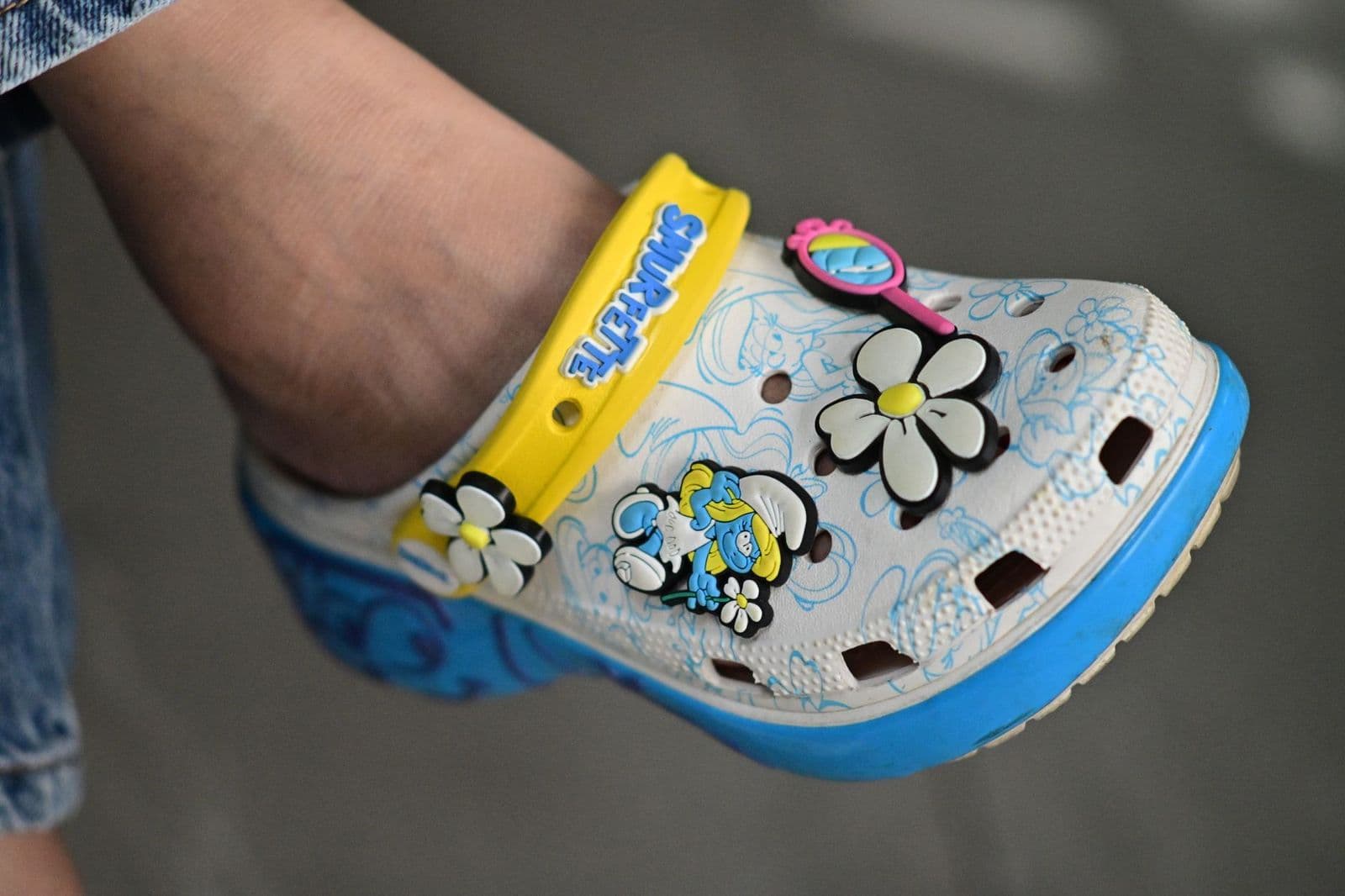
How to choose the best cartoon shoes: put fit and traction first, check how the print is applied, and match cushioning to your day.
Cartoon shoes cover a wide range of styles, from playful printed sneakers for casual days to cushioned pairs worn for long shifts and travel. There is no single design that suits every foot, every surface, and every routine, and choosing by print alone often leads to sore feet.
This guide helps you match the best cartoon shoes to how you actually live, with clear advice on fit, traction, materials, and support.
What Makes Cartoon Shoes Different
Cartoon shoes carry a character, a pattern or a comic style print, and the print is the part that wears out first. Printed canvas and transfer prints can crack or fade with scrubbing, while embroidered patches and molded 3D details usually last longer. Ask how the artwork is applied before you judge the price.
Character shoes come in two groups: licensed designs made with the rights holder, and unbranded look alikes. Licensed pairs tend to have more consistent print quality, but a license does not guarantee a comfortable shoe, so fit and sole still decide the purchase. Kids' sizes also run differently from adult sizes, and children outgrow a pair quickly, which makes a mid priced pair a safer buy than a premium one.
Slippers and house shoes with cartoon faces are a separate category with soft soles and little support. They suit indoor wear, and they are not a substitute for a walking shoe with a firm heel and real traction.
Who Should Buy Which Cartoon Shoes?
Your use case should decide the shoe, not the other way around. The four groups below cover the most common buyers, and each group needs a different balance of cushioning, durability, and price. Find your group first, then use the feature section to check details.
For Frequent or Serious Users
If you wear cartoon shoes most days for work, school runs, or long walks, prioritize durability, stable support, and a sole that still grips when worn. Look for reinforced stitching around the print, a firm heel counter, and a warranty that covers sole separation or upper defects. Cheap pairs often fail first at the toe crease and heel lining.
Frequent users should also plan on rotation. Two pairs worn on alternate days last longer than one pair worn daily, because foam and linings get time to recover and dry fully between wears.
For Bad Weather and Tough Conditions
For wet pavements, muddy schoolyards, or winter errands, choose closed uppers with water resistant treatment, deeper lugs, and materials that wipe clean without fading the print. A membrane such as Gore Tex style protection helps in steady rain, but it adds warmth and cost. Avoid fabric prints that soak through quickly if you walk in rain often.
Check the outsole compound as well. Soft rubber grips wet stone and tile better than hard plastic soles, which can feel slick on polished floors and painted crossings.
For Weekend Beginners
If you want cartoon shoes for occasional outings, photos, and short walks, a simple cushioned sneaker style is usually enough. Focus on easy fit, light weight, and a price that feels fair for part time wear, around $40 to $90 for most casual styles. You do not need maximum support features for low mileage use.
Beginners should still avoid sizing guesswork. A fun print is no comfort if your toes press the front on a downhill walk, so use the fit checks in the next section before you keep a pair.
For Small Spaces and Easy Storage
If storage is tight or you travel often, look for flexible, lightweight shoes that pack flat and weigh little in a bag. Slip on styles save space and time, while soft knit uppers fold more easily than stiff leather. Keep in mind that very flexible shoes usually offer less arch support for long days.
Store pairs with the toes stuffed lightly to hold shape, and keep them away from direct heat. A small shoe bag protects the print from scuffs when shoes travel next to hard items in luggage.
Key Features to Compare
Features only matter when they connect to your feet and your surfaces. Read each point below with your main use in mind, and note which two or three features matter most to you. That short list will make comparing options much faster.
Fit, Sizing, and Toe Box
Measure your feet in the afternoon, when they are at their largest, and compare the length in centimeters to the brand size chart. You want about a thumb width of space in front of your longest toe and enough width that toes can spread without pressure. A roomy toe box helps during long walks as feet swell slightly.
Sizes vary between brands and even between styles from the same brand. If you fall between sizes, choose based on width and intended socks, and check the return policy before you wear the shoes outdoors.
Outsole Traction and Terrain
Outsole pattern decides how safe a shoe feels on your ground. Shallow, flat patterns suit dry indoor floors and smooth pavements, while deeper lugs grip gravel, grass, and light trails better. Rubber outsoles with multidirectional tread handle wet corners more confidently than smooth foam soles that some fashion styles use.
Think about your riskiest surface, such as wet tile at work or loose stones on a park path. Choose traction for that surface first, because a print you love will not help if every step feels uncertain.
Upper Materials and Breathability
Mesh and knit uppers feel light and breathable in warm weather, which suits indoor wear and summer walks. Leather and coated synthetic uppers resist scuffs and light rain better and often hold a printed design more crisply over time. Canvas sits in the middle, breathing fairly well but soaking up water faster than coated options.
Breathability trades against protection. If your feet run hot, accept a mesh upper and carry a spare pair for rain. If you need one pair for all weather, a coated upper with modest vents is the safer compromise.
Arch Support and Foot Type
Flat feet often feel better with gentle arch support and a stable heel, while high arches usually need more cushioning to spread pressure. If your shoes wear heavily on the inner edge, you may overpronate and benefit from a firmer midsole on that side. Neutral feet have the widest choice and can focus on fit and cushioning.
Support should feel present, not painful. A sharp push under the arch during a short indoor trial usually means the shape does not match your foot, and longer wear rarely improves that mismatch.
Cushioning and Support
Cushioning absorbs impact, while support controls how your foot moves after landing, and you need a balance of both. Thick soft foam feels pleasant for standing but can feel unstable on uneven ground, whereas firmer foam suits walking pace and heavier loads. Heel to toe drop, the height difference between heel and forefoot, affects calf and Achilles load.
If you stand all day, look for a stable base with moderate cushioning rather than the softest sole you can find. Stability keeps ankles and knees happier over long shifts than pure softness does.
Common Mistakes to Avoid When Buying Cartoon Shoes
- Choosing by print only and ignoring fit, sizing, and toe box space.
- Buying too small for a neat look, then facing blisters and numb toes.
- Assuming all cartoon styles share the same sole, cushioning, and support.
- Skipping the return and warranty terms before wearing shoes outdoors.
- Paying for heavy duty features you will never use on gentle routines.
Each mistake is easy to avoid with a short indoor trial and an honest look at your weekly routine. Walk on hard floors, climb stairs if you can, and check heel slip before you commit to keeping a pair.
How to Make Your Cartoon Shoe Last Longer
Good care protects both comfort and print. Air dry wet shoes at room temperature away from direct heat, since heat can crack coatings and fade colors. Remove loose dirt after walks, wipe coated uppers with a damp cloth, and let mesh pairs dry fully before the next wear to limit odor.
Rotate two pairs if you wear cartoon shoes daily, and replace heavily worn pairs once the outsole tread smooths out or the midsole feels flat and harsh. For walking heavy use, many shoes feel tired after about 300 to 500 miles, even if the upper still looks fine.
Cartoon Shoes: Your Questions Answered
Are expensive cartoon shoes worth it?
Higher prices are worth it when they buy better fit options, durable outsoles, and support you will use daily. You often gain cleaner print quality and stronger stitching as well. For occasional weekend wear, the gain is smaller, so a mid priced pair usually makes more sense than paying extra for features tied to heavy use.
How should cartoon shoes fit?
They should feel snug at the heel and midfoot with clear space in front of your toes. Your toes should spread naturally, your heel should not lift with each step, and no seam should press on a bone. Try shoes late in the day with your normal socks, because morning fits can mislead you.
Do I need waterproof shoes?
You need water protection only if you regularly walk in rain, wet grass, or slush. For mostly indoor and dry day use, a standard breathable upper is cooler and cheaper. A useful middle step is a water resistant spray on suitable materials, tried first on a hidden area to protect the print.
How often should I replace my cartoon shoes?
Replace them when tread is smooth in the grip zones, cushioning feels dead, or the upper stretches so much that your foot slides. Daily wearers may reach that point in about a year, while occasional users can go far longer. Do not judge by looks alone, since foam often fails before fabric does.
Can I wear them all day?
Yes, if the style has real cushioning, arch support that matches your foot, and a sole suited to your floors. Fashion thin soles are fine for short outings but tiring for full days of standing. If your feet ache by midday during a trial at home, that style will not improve with longer wear at work.
How long is the break in period?
Most modern cartoon sneakers need only a few short wears, often two to four outings, to soften around the toes and heel. Stiff leather styles can take about two weeks of gradual use. Pain, hot spots, or numbness are not normal break in signs, so stop and reassess fit if those appear.
Final Thoughts
Put fit first, traction second, and print third, and you will enjoy your shoes far longer. Match support and cushioning to your foot type and your longest typical day, not to a short walk around a shop. Those two checks prevent most returns and most foot pain.
Compare your shortlist against those checks, and choose the best cartoon shoes for your routine with confidence. A pair that fits your life will be worn often, which is the real test of a good buy.


