
Best Carpet Extractors: A Complete Deep-Clean Buying Guide
Disclosure: We may earn a commission when you buy through links on this page, at no extra cost to you. As an Amazon Associate we earn from qualifying purchases. Learn more
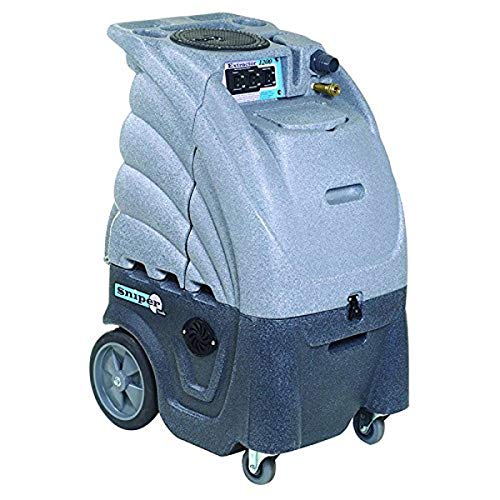
Vacuuming keeps a carpet looking fine on the surface, but it does nothing for the dirt, allergens, and oils that settle deep in the fibers over months of foot traffic. That buildup is what makes a carpet look dull even right after you run the vacuum, and it is the reason so many households eventually look into the best carpet extractors for a proper deep clean rather than another quick pass with a handheld spot cleaner.
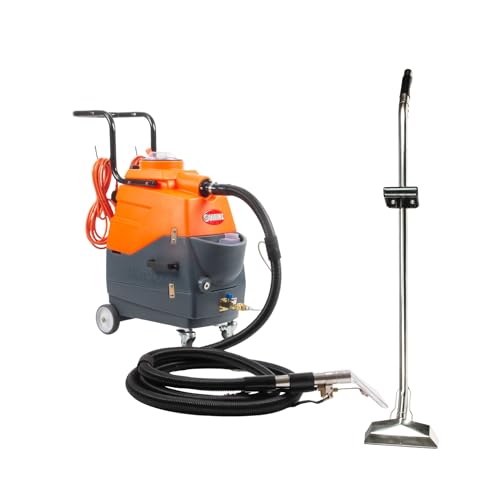
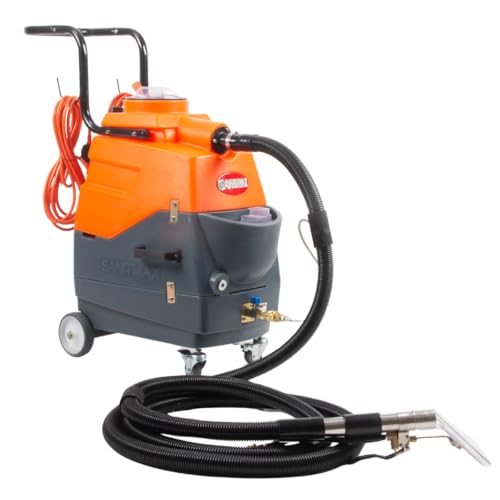
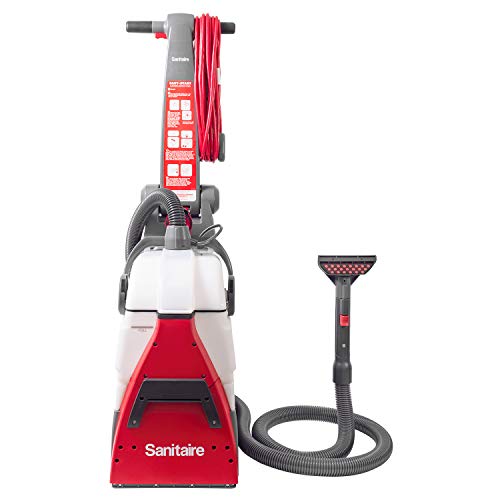
A carpet extractor is built for a different job than the small spot cleaner you might keep under the sink. It uses stronger suction, larger water tanks, and often a heating element to flush out ground-in soil across an entire room, not just a fresh spill. In this guide, you will learn which specs actually determine cleaning results, how to size a machine to your home, and how to get carpets fully dry and odor-free after a deep-cleaning session.
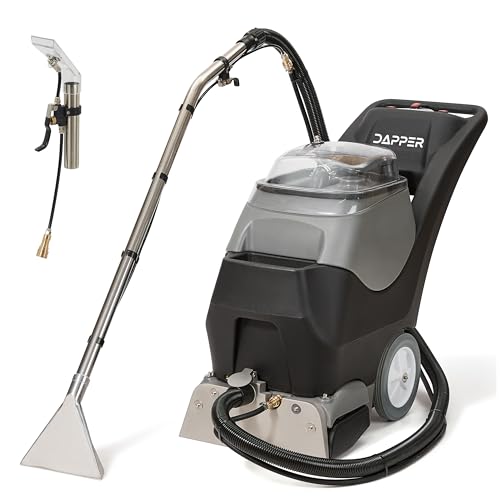

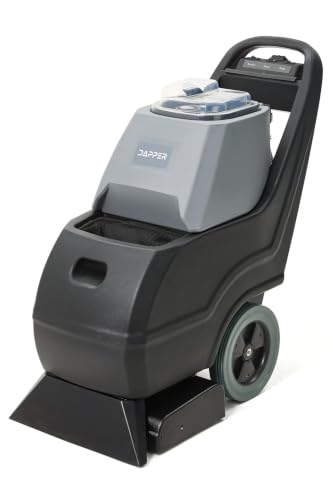
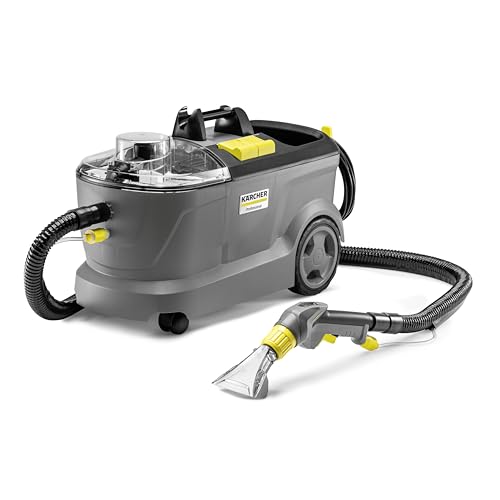


The Suction, Tank, and Heat Specs That Actually Matter
Vacuum Power and Why It Drives Results
Suction is what pulls the water and loosened soil back out of the carpet after the cleaning solution has broken it down. If suction is weak relative to how much water goes down, fibers stay damp for hours and dirt resettles as the carpet dries. Look for machines that publish a clear vacuum or airflow rating rather than vague marketing language, and pay attention to whether that suction holds up as the recovery tank fills, since some units lose power noticeably once the dirty water level rises.
Clean and Dirty Water Tank Capacity
A bigger clean water tank means you can cover more square footage before stopping to refill, which matters if you are running the machine through several rooms in one session. The dirty water tank matters just as much. A small recovery tank forces frequent trips to dump grimy water, and it is also the first thing to overflow if you get distracted mid-clean. For a whole house or a large open living area, prioritize tank size over almost every other spec.
Heated Water and How Fast Carpet Dries Afterward
Hot water breaks down oils, dried spills, and pet accidents far more effectively than cold water alone, and it also speeds up evaporation once the cleaning pass is done. Some extractors heat water internally as you clean, while others simply rely on you filling the tank with hot tap water. An internal heater tends to keep water hotter for longer through a full session, which shows up as a real difference in both cleaning power and how quickly the carpet feels dry underfoot afterward.
Carpet Extractor or Portable Spot Cleaner: Picking the Right Tool
It helps to be clear about what a carpet extractor is actually for before comparing models. These machines are heavier, larger, and built around thorough, whole-room cleaning rather than grabbing something quickly when a glass tips over. If your main need is treating fresh spills, pet accidents, or small stains as they happen, a portable carpet cleaner is the more practical everyday tool since it is lighter and easier to store within reach.
A carpet extractor earns its place for the deeper, periodic clean, typically a few times a year rather than weekly, when you want to lift ground-in soil, allergens, and buildup that a lighter spot cleaner simply cannot reach. Many households end up using both: a compact cleaner for day-to-day accidents and a full extractor for the seasonal deep clean that resets the entire carpet.
Matching Machine Size to Your Home and Household
Square Footage and How Often You Will Realistically Use It
A studio apartment and a five-bedroom house have very different needs. Larger tanks and wider cleaning paths save real time across bigger square footage, but they also mean a heavier, bulkier machine to store and maneuver. If you are only deep cleaning one or two rooms a handful of times a year, a mid-size unit will usually outperform an oversized one on convenience without sacrificing much cleaning power.
Pet Households Need More Than Average Suction
Pet hair, dander, and accidents work their way deep into carpet padding, and a weak extractor barely touches that layer. If pets are a regular source of mess in your home, prioritize strong suction and a heated tank, and consider running a dedicated vacuum cleaner for pet hair over the carpet before you extract, since loose hair clogs hoses and reduces suction fast.
Households dealing with frequent accidents specifically may also want to compare options built around that exact problem, such as a roundup of the best pet carpet cleaner models for stains and odor.
Storage, Weight, and Maneuvering Around Furniture
Carpet extractors are not designed to be tucked into a closet the way a handheld cleaner is. Check the listed weight, wheel design, and whether the machine can pivot easily around furniture legs and doorways, especially if you will be carrying it up or down stairs to storage between uses. A machine that is difficult to move ends up used less often, which defeats the purpose of owning one.
Getting the Most Out of Every Deep-Cleaning Session
Vacuum thoroughly before you extract. Loose dirt and pet hair clog hoses and waste tank capacity on debris a regular vacuum would have picked up for free. Work in slow, overlapping passes rather than rushing, and avoid over-wetting the carpet, since too much water is the single biggest cause of long drying times and lingering musty smells afterward.
Once you finish a room, open windows if the weather allows, run a fan across the carpet, or turn on the HVAC system to circulate air. Most carpets need several hours to dry fully depending on humidity and airflow, and walking on damp fibers or setting furniture back down too soon can re-flatten them and trap moisture underneath. If a carpet still feels damp or smells musty well past that window, it is a sign too much water went down or the room needs better ventilation next time. Rinse the tanks and hose right after each use so leftover grime does not sit and start smelling before the next deep clean.
Frequently Asked Questions
How is a carpet extractor different from a regular carpet cleaner?
A carpet extractor generally uses stronger suction, larger tanks, and more consistent water pressure to reach ground-in soil across a whole room. Smaller carpet cleaners are built for quick, lighter jobs like fresh spills rather than a full deep clean.
How often should you use a carpet extractor at home?
Most homes do well with a deep extraction a few times a year, more often in high-traffic areas or homes with pets. Vacuuming regularly between sessions keeps surface dirt down so the extractor can focus on the deeper buildup.
How long does carpet take to dry after using an extractor?
Drying typically takes several hours and depends heavily on how much water was used, room humidity, and airflow. Running a fan or opening windows after cleaning noticeably shortens that window.
Do carpet extractors work well for pet stains and odor?
Yes, particularly models with heated water and strong suction, since heat helps break down the residue that causes lingering odor and suction pulls it out of the padding rather than leaving it near the surface. Pairing extraction with a pet-specific cleaning solution usually gives the most reliable results.
What size carpet extractor do I need for my home?
Match tank capacity and cleaning path width to your square footage and how many rooms you plan to clean in one session. A larger home benefits from bigger tanks, while a smaller space rarely needs the largest model available.
Can I rent a carpet extractor instead of buying one?
Renting can make sense if you only plan to deep clean once or twice a year and do not want to store a bulky machine between uses. Buying tends to pay off for households that clean more frequently or want the convenience of having it on hand.
Is a heated water carpet extractor worth the extra cost?
For most households, yes. Heated water cleans more effectively and dries faster than cold water alone, which matters most in homes with pets, heavy foot traffic, or carpets that see frequent stains.
Making Your Decision
The right carpet extractor comes down to matching suction, tank size, and heat to how much carpet you actually need to clean and how often you plan to do it. A machine sized for a large home with pets looks very different from one meant for occasional use in a smaller space. Focus on those core specs rather than extra features, and you will end up with a machine that actually gets used each time your carpets need a real reset.