
Best Care for Blundstone Boots: Every Type Explained Side by Side for 2026
Disclosure: We may earn a commission when you buy through links on this page, at no extra cost to you. As an Amazon Associate I earn from qualifying purchases. Learn more

Best care for blundstone boots compared by type, from conditioners to waterproofing sprays, with pros, cons, ideal users and price range.
Blundstone boots earn their keep in mud, rain, workshops, and long days on concrete, and the leather pays for every mile. Owners often feel confused by the shelf of care products in front of them: cleaners, conditioners, waterproofing sprays, waxes, polishes, and brushes all promise protection, yet each one does a different job.
This guide compares each care type side by side so you can build a simple routine that fits your boots and your climate. You will learn what the best care for blundstone boots looks like for smooth leather, suede, and nubuck finishes, how often to use each product, and what the product table below covers at a glance.

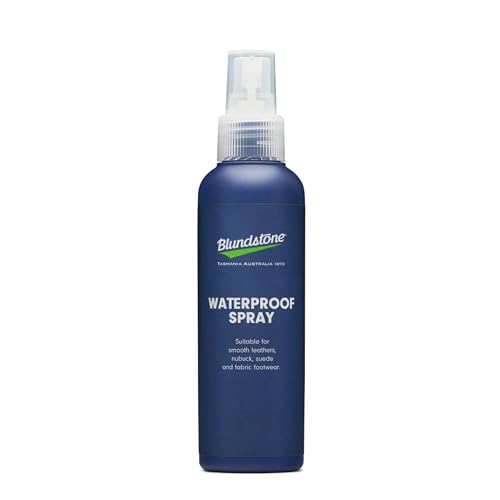
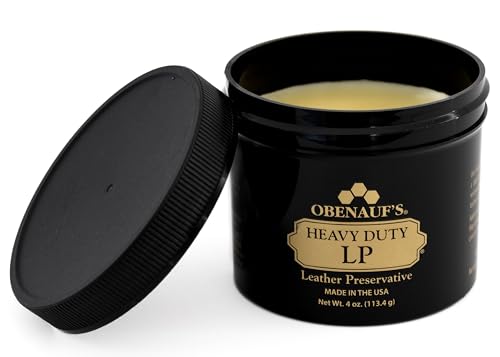
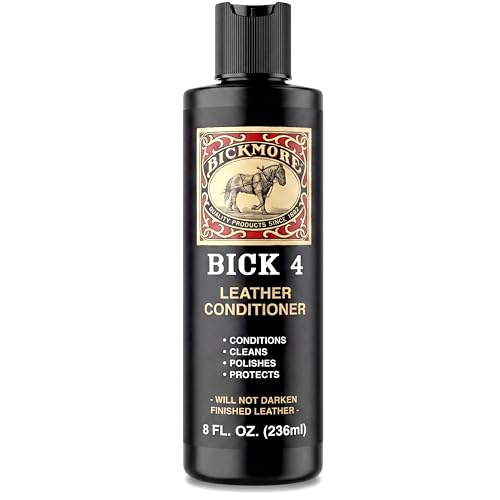

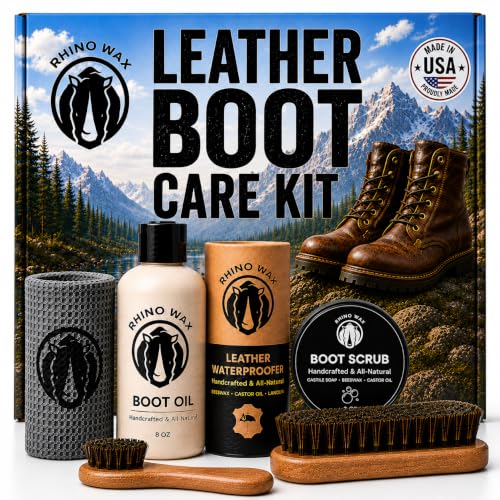
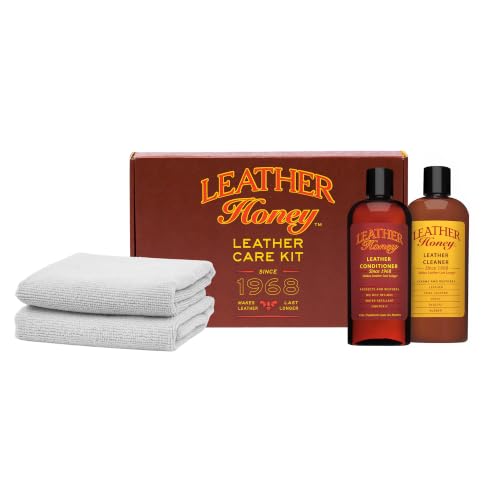

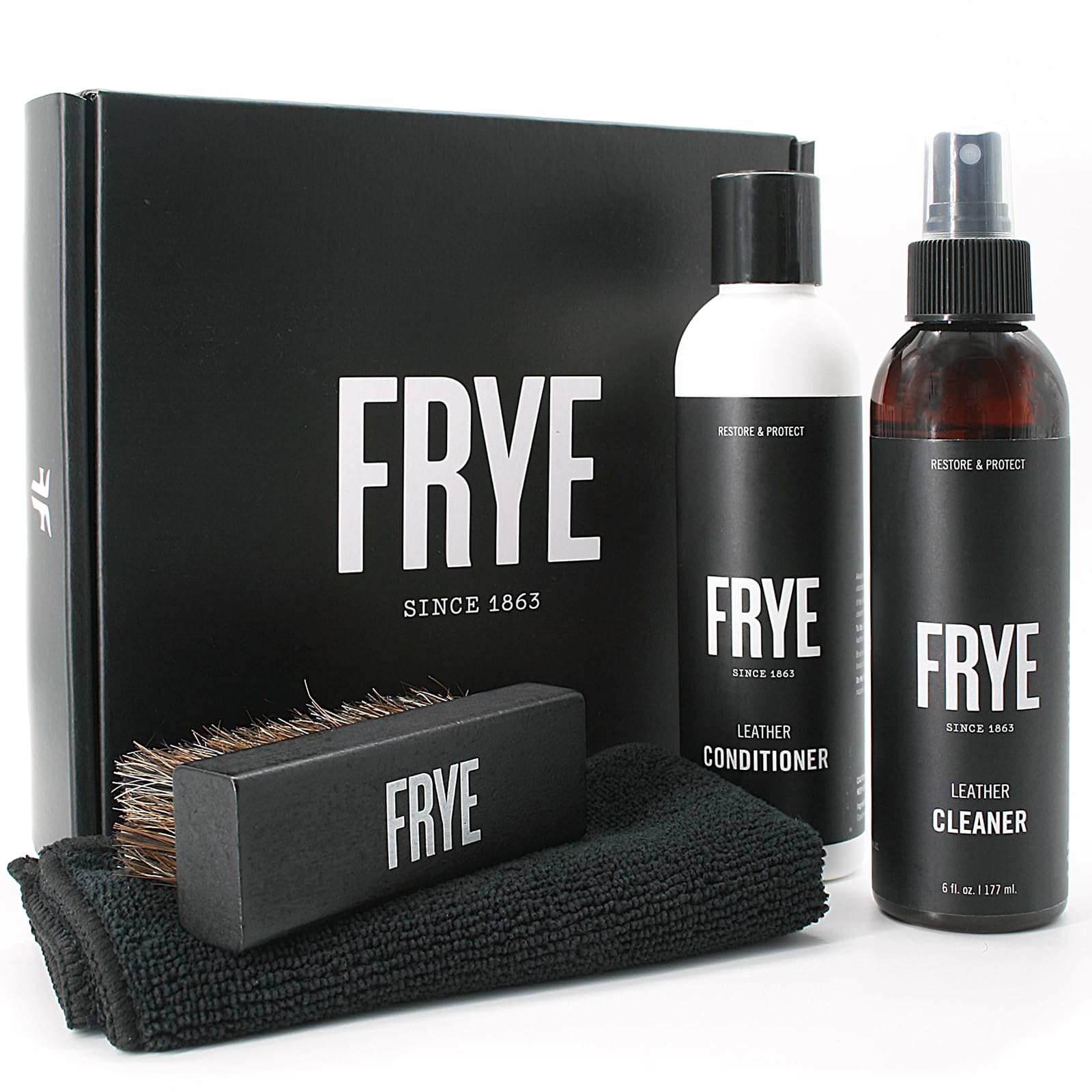
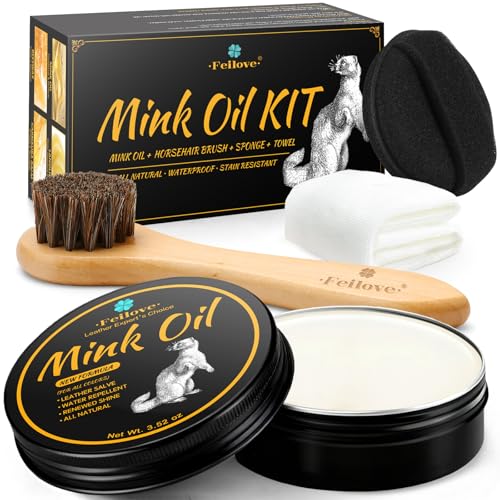
Types of Care Compared
Think of boot care in three families. Cleaning and conditioning products restore the leather itself, waterproofing and protection products shield it from weather, and brushes, trees, and storage habits handle the daily wear between deep treatments. Most owners need something from the first two families, plus one good brush.
Cleaning and Conditioning Products
Cleaners lift dirt and salt from the surface, while conditioners feed the leather oils that keep it flexible. This family works by soaking into the pores of smooth leather, replacing moisture lost to sun, heat, and wet and dry cycles. The upside is big: regular conditioning prevents cracks across the toe bend, the most common way these boots die early. The downside is that heavy conditioners can darken light leather and soften a firm finish. Choose this family if your boots look dry, feel stiff, or show pale creases, and apply it about every 1 to 3 months with regular wear.
Waterproofing and Protection Products
Waterproofing sprays, waxes, and creams add a barrier that makes water bead and roll off instead of soaking in. Sprays suit suede and nubuck because they protect without changing texture much, while wax based products give smooth leather the strongest shield for very wet work. The upside is dry feet and fewer salt stains through winter. The downside is upkeep, since barriers wear away in about 4 to 8 weeks of hard use and need reapplying. Choose this family if you work outdoors, walk dogs in all weather, or face slush and road salt each winter.
Brushes, Boot Trees, and Storage Care
This family costs the least and quietly does the most. A horsehair brush used for a minute after each wear removes grit before it grinds into creases and seams. Boot trees or even crumpled paper inside the shaft hold the shape overnight and help damp linings dry. The upside is that brushing alone can double the time between deep cleans. The downside is that it cannot restore dried out leather by itself. Choose this family as your daily base, whatever else you buy, and keep boots stored upright in a cool, dry spot away from radiators and direct sun.
Conditioners vs Waterproofing Treatments: Which Should You Choose?
These two families solve different problems, so the right pick depends on what your boots face most. Conditioner wins when leather looks pale, feels papery, or creases sharply at the toe, because the fibers themselves need moisture. Waterproofing wins when boots look healthy but come home soaked, with dark water marks that dry slowly. Climate matters as well: dry, sunny regions punish leather with cracking, while wet regions punish it with saturation and salt. Budget points the same way, since one tub of conditioner lasts a year or more, while sprays need replacing each season. Most owners in mixed climates end up with both, conditioning first and sealing second, because waterproofing over dry leather locks in the dryness. If you can only buy one today, buy the one that matches the damage you can already see.
How to Choose the Right Care
Four checks match any product to your pair: the leather type, the finish you want to keep, your climate, and how hard the boots work. Our roundup of the best leather care for boots covers the wider category, while the points below focus on what Blundstone owners specifically need.
Match Care to Leather Type and Finish
Start by identifying your upper, because the wrong product can ruin a finish. Smooth full grain leather takes creams, balms, and waxes well and is the easiest to maintain. Suede and nubuck need sprays and a suede brush only, since creams mat the nap and leave dark patches. Rustic and Crazy Horse style leathers are meant to scuff and darken, so a light conditioner keeps the character without polishing it away. Check the finish in daylight, and test any new product on a small hidden area near the heel first, waiting a full day to judge color change.
Features That Matter for Blundstone Boots
Blundstone boots have elastic side panels, pull tabs, and stitched soles, and good care respects all three. Choose products that are safe around elastic and stitching, and keep heavy oils off the elastic gore, since saturation can weaken its stretch over time. A care product for these boots should also suit a leather that flexes a lot at the ankle and toe, so flexible creams beat hard waxes for daily pairs. If you compare boot models while you shop for care, our guide to the best blundstone boots explains the leather types across the range.
Break In Period and Comfort Out of the Box
New Blundstone boots often feel snug across the instep for the first week or two. A thin coat of conditioner on the outside of the toe and heel areas can help the leather relax a little faster, though time and wear do most of the work. Never soak new boots in oil to speed break in, because oversoftened leather loses support and can stretch unevenly. If pressure points persist after about two weeks of regular wear, the size or insole is the problem, not the leather, and adding cushioned insoles helps more than more conditioner.
Upper Materials and Breathability
Leather breathes through its pores, and heavy wax layers reduce that airflow, which matters if your feet run warm. For mostly dry or indoor wear, a light cream conditioner keeps pores open and feet comfortable. For wet outdoor work, trading a little breathability for a strong water barrier is the right call. Suede and nubuck rely on their nap for texture, and a raising brush restores it after rain. Whichever finish you own, let boots air dry at room temperature for a full day between wears when possible, rotating pairs if you wear them daily.
Tips to Get the Most From Your Care
- Brush boots for about a minute after each wear to lift grit out of creases before it cuts into the leather.
- Air dry wet boots away from direct heat, since radiators and hair dryers dry leather too fast and cause cracks.
- Rotate two pairs for daily wear if you can, giving each pair a full rest day so linings and insoles dry fully.
- Clean salt lines the same day with a damp cloth, because salt pulls moisture from leather every hour it sits.
- Condition a little and often rather than rarely and heavily, since thin coats soak in evenly without dark patches.
Comfort upgrades pair well with leather care. If your arches ache on long shifts, see our guide to the best insoles for blundstone boots for support options that fit the boot shape, and if you are shopping for a dedicated women fit, our guide to the best blundstone boots for women covers sizing differences. Care for the inside matters too: remove insoles weekly to air them, and use cedar trees to manage odor and moisture.
FAQs
What matters most in care products for Blundstone boots?
Matching the product to your leather type matters most. A cream conditioner suits smooth leather, a protector spray suits suede and nubuck, and using the wrong one can darken or flatten the finish. Frequency comes second, because small regular treatments beat one heavy rescue job. Ingredients come third: simple, leather focused formulas without harsh solvents keep elastic panels and stitching healthy while they feed the hide.
Do Blundstone boots need waterproofing?
Most pairs benefit from it, but the need depends on your weather and work. The leather itself resists light rain well, yet seams and the elastic panels can let water in during long wet days. If you work outdoors, walk in snow, or face road salt, a waterproofing treatment each season protects both comfort and leather life. For dry climates and mostly indoor wear, conditioner alone is usually enough.
How often should I replace my care products?
Replace sprays about once a season of active use, since a can typically covers two to four full treatments. Creams and conditioners last far longer, often a year or more per tub, and stay usable until they smell rancid or separate. Brushes last for years and only need replacing when bristles splay badly. Check product dates when buying, and store everything sealed, cool, and away from sun so formulas stay effective.
How often should I condition Blundstone boots?
Condition about every 1 to 3 months with regular wear, and sooner if the leather looks pale or feels stiff. Boots worn daily in dry heat may need a light coat monthly, while pairs worn a few times a week can go a full season between coats. Judge by the creases at the toe: when they look dry and light colored after brushing, it is time. Thin coats soak in better than one thick layer.
Are expensive care products worth it for Blundstone boots?
Usually yes, within reason, because the boots themselves cost around $200 and good care can add years to their life. Premium conditioners around $15 to $30 spread further, soak in more evenly, and darken leather less than bargain oils. The same logic applies to a real horsehair brush over a stiff synthetic one. What is not worth paying for is a large kit of specialty items you will never open; a cleaner, a conditioner, a protector, and a brush cover nearly every owner.
Final Thoughts on Choosing Care for Blundstone Boots
Match the product to your leather, brush after every wear, and condition before the creases turn pale, and your boots will outlast pairs that get no care at all. Add waterproofing if your winters are wet or salty. Check the product table above to compare the care types side by side, and you will land on the best care for blundstone boots for your climate, your finish, and your routine.


