
Best Car Humidifiers: A Buying Guide for Any Vehicle
Disclosure: We may earn a commission when you buy through links on this page, at no extra cost to you. As an Amazon Associate we earn from qualifying purchases. Learn more

Winter heat blasting from the vents can leave your throat scratchy and your eyes stinging by the time you hit the highway. Long commutes and road trips make it worse, since recirculated cabin air dries out fast in a space that small. That's why more drivers are looking at best car humidifiers as a simple fix, but a car cabin is nothing like a bedroom or living room, so the usual humidifier advice doesn't fully apply. In this guide, you'll learn what actually matters when you're shopping for one, including sizing, power source, spill safety, and how to use aromatherapy without wrecking the unit.
![WSKEN Portable Small Humidifier for Bedroom - [Dual Nozzle Large Cool Mist]](https://m.media-amazon.com/images/I/61lL9bAdXFL._AC_SX500_.jpg)
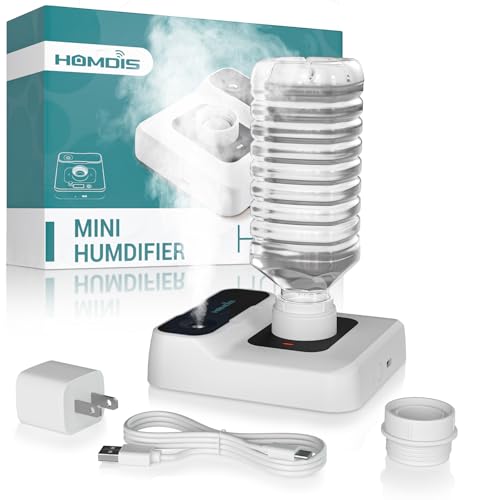
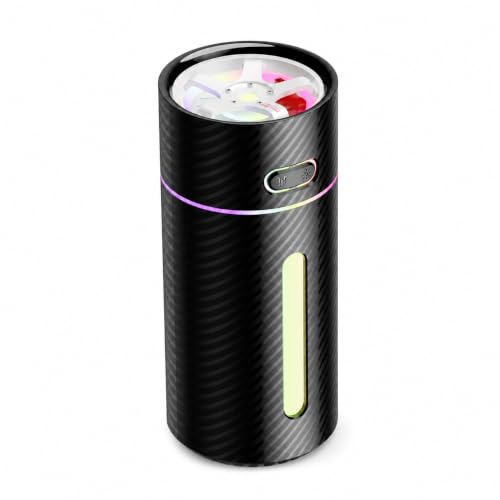
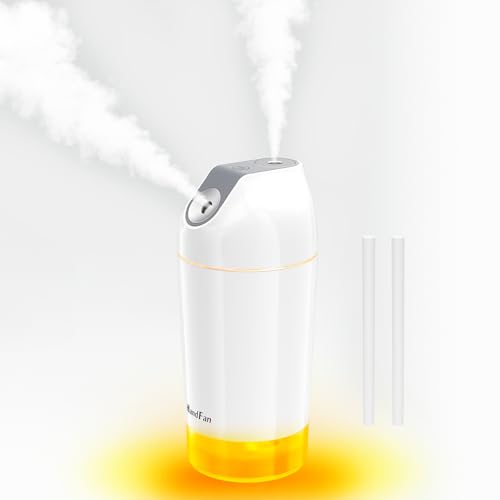

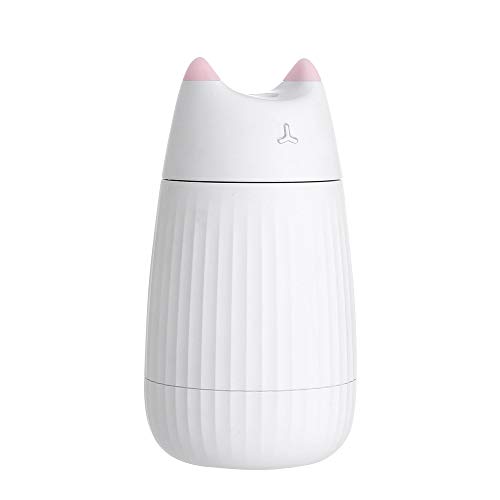
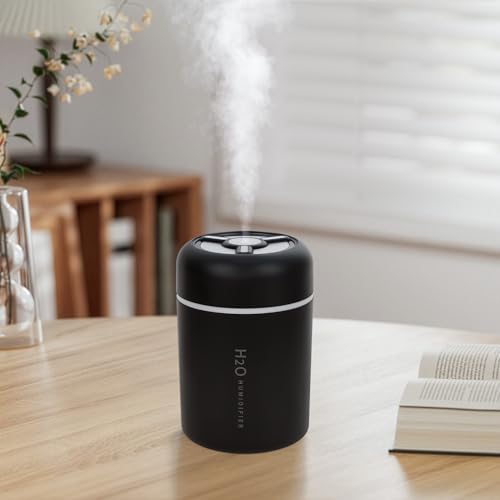
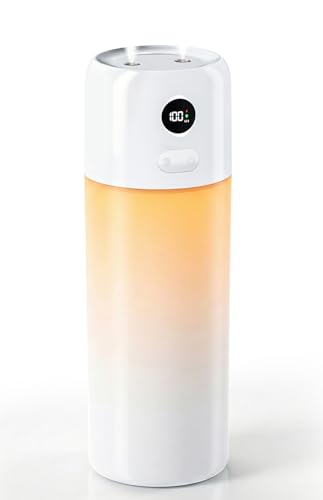
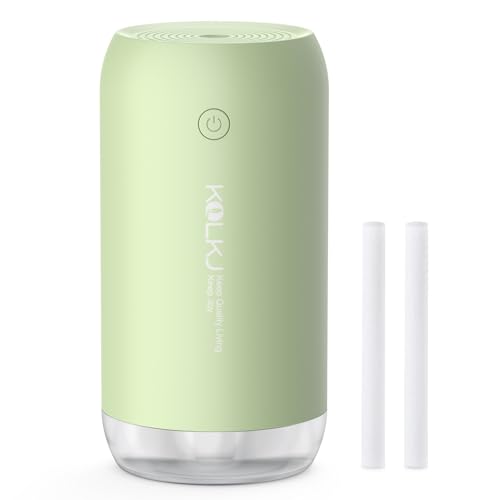


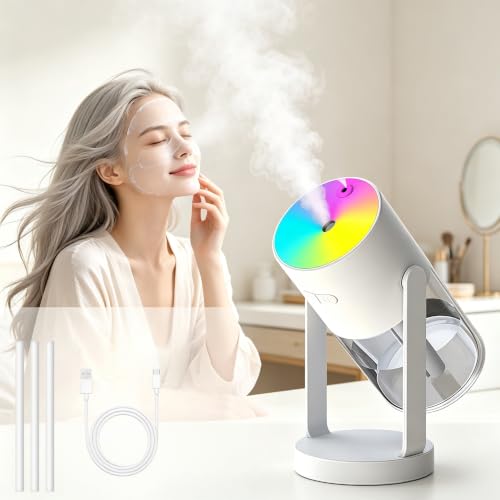
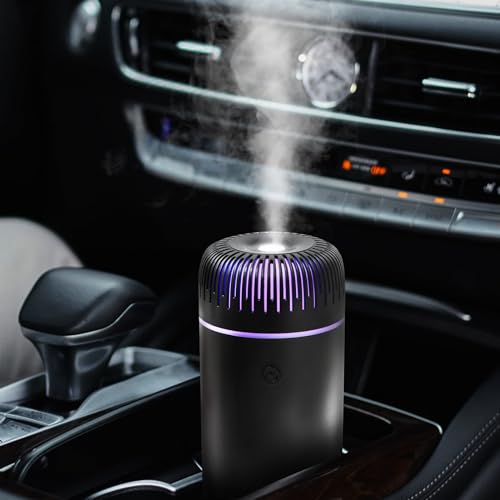

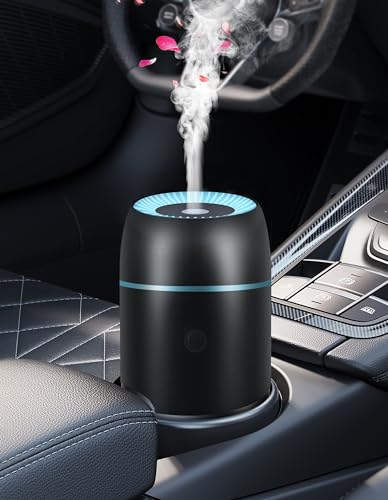
Key Things to Check Before Buying a Car Humidifier
A car cabin holds a fraction of the air volume of even a small bedroom, so the specs that matter most for home humidifiers don't translate directly. The best car humidifiers are built around the constraints of a dashboard or cup holder, not a nightstand.
Tank Size and Mist Output for a Small Cabin
Bigger isn't automatically better here. A tank in the 50 to 100 milliliter range is usually plenty for a few hours of driving, since the mist only has to condition the air in the front seats rather than an entire room. Look at the rated mist output too. A unit that pushes out a heavy, constant fog can fog up the windshield or leave a damp feeling on the dash, while a fine, adjustable mist keeps humidity comfortable without creating condensation on the glass.
USB or 12V: Picking the Right Power Source
Most compact units plug into either a USB port or the car's 12V accessory outlet. USB models are more flexible since they'll also work with a power bank or laptop port, which matters if you want to use the same unit indoors. A 12V plug tends to deliver a bit more consistent power for stronger mist output, but that outlet often has to share duty with other plug-in gear, like a jump starter some drivers keep on hand for emergencies. Check how much current the humidifier draws before assuming it'll run happily alongside whatever else you already have plugged in.
Cup Holder and Vent Fit
Measure your cup holder before you buy. A humidifier that's slightly too wide or too tall will wobble, and a wobbly base near a hot cup of coffee or a phone mount is asking for trouble. Some models come with a clip or strap instead of a flat base, which can be a better fit if your cup holders are shallow or already occupied.
Keeping a Water-Filled Device Safe on the Road
Adding any water-based device to a moving vehicle raises a safety question that home humidifier guides rarely cover. Sudden braking, sharp turns, and everyday road vibration all put stress on a reservoir that a nightstand humidifier never has to deal with.
Sealed Reservoirs and Anti-Tip Bases
Look for a tank with a snug, gasket-sealed lid rather than a loose snap-on cap. A weighted or wide base also helps resist tipping when you brake hard, and a narrow, top-heavy design is far more likely to spill onto your center console or floor mat.
Auto Shutoff and Low-Water Protection
An auto shutoff feature turns the unit off once the reservoir runs dry, which protects the internal components and avoids running a heating element with no water left. This matters more in a car than at home, since you're less likely to notice a beeping alert while your attention is on driving. Also think about how you'll power it: running any accessory continuously while the engine is off can strain the battery, which is worth remembering if you already keep a car battery charger around to manage that kind of drain.
Where to Place It in the Cabin
Keep the unit away from vents, the shifter, and anywhere it could tip toward electronics if you brake suddenly. A cup holder near the passenger seat is usually a safer spot than one near your own knees, since it keeps the reservoir out of the way of your hands and feet while driving.
Using Aromatherapy Without Damaging the Unit
Combining humidity with a light scent is one of the main reasons drivers choose a car-specific humidifier over just cranking the AC on humid mode. Done wrong, though, essential oils can clog the mist mechanism or wear down internal parts faster than plain water would.
Which Oils Work (and Which Don't)
Ultrasonic-style units generally aren't built to handle thick or resinous oils, since the oil can coat the diaphragm that creates the mist and reduce output over time. Thinner oils used sparingly, or models with a dedicated aromatherapy pad separate from the water tank, tend to hold up much better. Always check the manufacturer's guidance before adding anything beyond water, since some units void their warranty if oils go straight into the reservoir. People reach for the same kind of light aromatherapy boost with a humidifier for sinus relief at home, and the same caution about oil compatibility applies there too.
Cleaning Between Scent Changes
Rinse the tank and wipe down the mist outlet whenever you switch scents, since leftover oil residue can mix with the next scent and turn musty. A quick wipe every few days also keeps mineral buildup from tap water off the ultrasonic disc, which helps the unit keep producing a fine, even mist instead of sputtering.
Common Mistakes Drivers Make With Car Humidifiers
- Filling the tank with tap water instead of distilled water, which leaves mineral deposits that clog the mist mechanism over time.
- Overfilling the reservoir past the fill line, which can cause water to seep out around the seal once the car starts moving.
- Leaving the unit running unattended with the engine off, draining the battery faster than expected.
- Skipping regular cleaning, letting dust from the cabin settle into a damp reservoir and turning it into a place for buildup to grow.
- Placing it somewhere it blocks the climate vents, which fights against the very airflow that's supposed to carry the humidity around the cabin.
Frequently Asked Questions
Are car humidifiers safe to use while driving?
Yes, as long as the unit has a sealed reservoir and a stable base. Choose one with auto shutoff and mount it somewhere it won't tip toward the pedals or shifter.
Can I put essential oils in a car humidifier?
Only if the manufacturer says so. Some models have a separate aromatherapy pad for oils, while others require plain water only to avoid damaging the mist mechanism.
How often do I need to refill a car humidifier?
Most small tanks last two to four hours on a continuous setting, so a typical commute needs one fill, while longer road trips may need a refill or two.
Does a car humidifier work with the AC or heater running?
It can, but heavy AC or heater airflow will dilute the mist faster. Placing the unit closer to where you sit and lowering fan speed slightly can help the humidity stick around longer.
Will a car humidifier drain my car battery?
Running it while the engine is on draws minimal power, but leaving it plugged in and running with the engine off for extended periods can drain the battery over time.
What water should I use in a car humidifier?
Distilled or purified water is best. Tap water contains minerals that build up on the ultrasonic disc and shorten the unit's lifespan.
Do car humidifiers actually work in such a small, enclosed space?
Yes, and often more effectively than a home humidifier would in a large room, since the small cabin volume means even a modest mist output can noticeably raise humidity within minutes.
Making Your Decision
The right pick comes down to matching the unit to your cabin, not chasing the biggest tank or the most mist modes. Prioritize a stable, sealed design that won't spill when you brake, confirm the power source fits how you'll actually use it, and double-check oil compatibility if aromatherapy matters to you. Get those basics right and the rest of the features are just a bonus.