
Best Canvas Boots in 2026 Made Simple: A Clear Buying Guide
Disclosure: We may earn a commission when you buy through links on this page, at no extra cost to you. As an Amazon Associate I earn from qualifying purchases. Learn more

Learn how to choose canvas boots as a new buyer, with plain guidance on fit, canvas weight, traction, arch support, care and sensible prices.
Canvas boots look simple, yet the details decide whether you wear them daily or leave them in the closet. The best canvas boots for you will match your foot shape, your usual ground, and the weather you walk in most. This guide starts with the basics and then walks through each choice in plain language, so you can use the comparison table below with confidence.
Keep three questions in mind as you read. How long will you stay on your feet, how rough is the ground, and how often will the boots get wet?


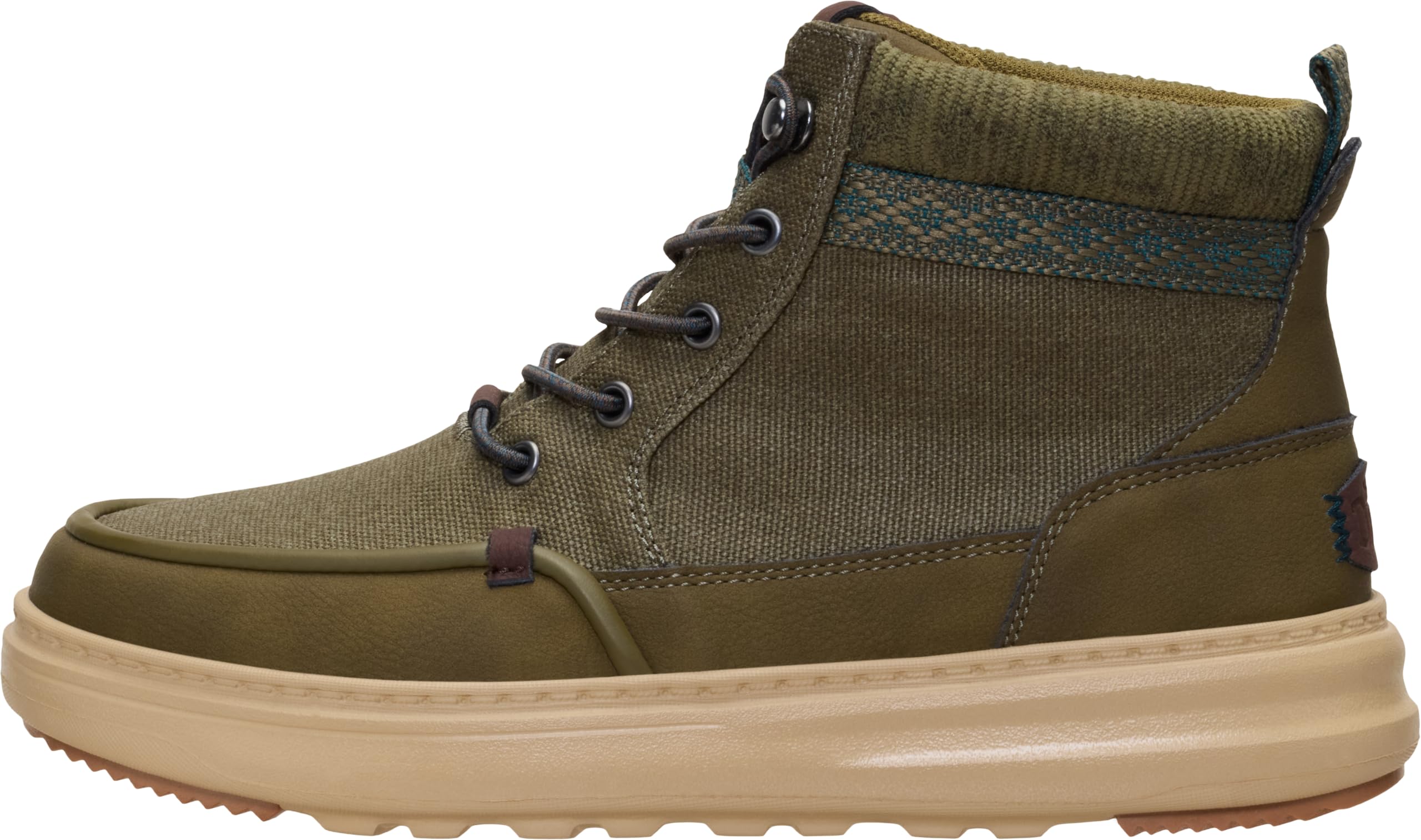

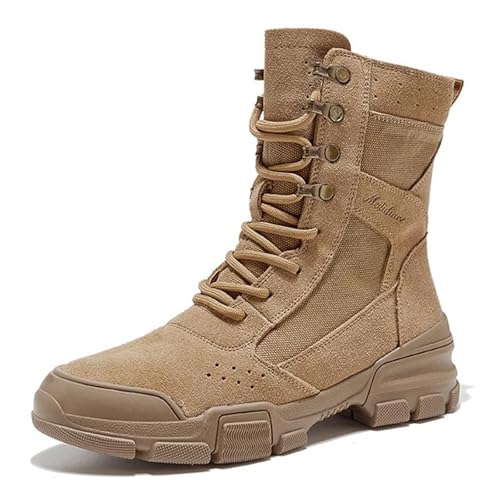
Canvas Boots 101: The Basics for New Buyers
A canvas boot has an upper made mainly from woven cotton canvas, sometimes blended with synthetic yarn for strength. The fabric sits above a rubber outsole, with cushioning and a lining inside. Canvas feels lighter and more flexible than thick leather, and it lets more air move through the upper on warm days.
Canvas weight is described in ounces per square yard. Light canvas at about 8 to 10 ounces feels soft and packs small, while heavy canvas at about 16 to 22 ounces holds shape better and resists scuffs. Waxed canvas sheds light rain, while plain canvas dries faster. Shoppers comparing carry goods can see our guide to the best canvas bag or our guide to the best canvas tote bags for how weights are described there.
Who Should Buy Canvas Boots?
Match the boot to the use you repeat each week, not to a rare trip.
Everyday Walkers on Pavement and Campus Paths
You walk on sidewalks and smooth floors for errands or classes. Choose a light pair with moderate cushioning and a flat rubber outsole that grips wet pavement. A padded collar and roomy fit matter more for you than deep lugs or stiff ankle support.
Warm Weather Travelers Who Pack Light
You need one pair for long sightseeing days that takes little space in a bag. Choose plain or lightly waxed canvas that dries overnight and a sole that bends easily. A mid height upper adds ankle protection without much bulk or heat.
Casual Wearers Who Want a Relaxed Boot Look
You like the boot shape for jeans and casual settings, but you do not need trail or job site protection. Choose heavier canvas for shape and colors that hide dust. Skip steel toes and thick insulation, because both add weight during ordinary town use.
How to Read Canvas Boot Specs in Order
When you compare best canvas boots listings side by side, read the specs in the order below. Fit comes first, because a well made boot in the wrong size still hurts, and the later specs only help once the size is right.
Fit, Sizing, and Toe Box
Measure both feet in the afternoon, when feet are at their largest, and buy for the longer foot. Your toes need about a thumb width of space in front, and the toe box should let toes lie flat without pressing the sides. Walk on a slope or step down firmly in the shop, because toes that hit the front on a step will ache on hills. If you sit between sizes, choose the larger size and adjust with thicker socks or an added insole.
Canvas Upper Weight, Weave, and Breathability
Plain weave canvas feels even and flexible, while duck canvas uses a tighter weave that resists abrasion and holds shape longer. Blends with synthetic yarn dry faster and resist stretching when damp, while pure cotton feels softer at first wear. Linings change the feel a lot, since a thin mesh lining breathes well in heat and a brushed lining adds warmth. Choose light canvas for summer and travel, and heavier duck canvas if you brush against brush, stone, or rough work surfaces.
Outsole Traction and Terrain
The outsole is the rubber layer that meets the ground, and its pattern decides grip. Shallow lugs of about 2 to 3 mm suit pavement and indoor floors, while deeper lugs of about 4 to 5 mm bite better on dirt paths and loose gravel. Softer rubber grips smooth wet stone better, while harder rubber wears slower on concrete. If you walk mostly in town, pick a mostly flat contact area, because widely spaced deep lugs can feel unstable and wear unevenly on hard ground.
Cushioning, Arch Support, and Heel to Toe Drop
Cushioning comes from the insole and the midsole, and it softens each step on hard floors. Flat feet usually need firmer arch support and a stable heel, while high arches often need more padding under the heel and forefoot. Heel to toe drop is the height difference between heel and toes, often about 8 to 12 mm in casual boots, and a lower drop can feel more natural if you already wear flat shoes. Try your usual socks during fitting, because sock thickness changes both support and space.
Break In Period and Comfort Out of the Box
Canvas softens faster than stiff leather, and most pairs feel good after a few short wears. Wear new boots at home first, then for a short walk, and only then for a full day. Tight spots at the ankle fold or the little toe usually ease as the fabric flexes, but sharp rubbing that leaves red marks means the shape is wrong for your foot. Lace snugly over the instep to stop heel slip, because repeated slip causes blisters long before the upper wears out.
Getting Started: First Wear and Fit Checks for Canvas Boots
Start with the socks you plan to wear most often. Lace from the bottom upward, pulling each section even, so pressure spreads across the instep rather than sitting in one tight band. Stand and shift your weight forward, back, and side to side to check stability and heel hold.
Walk for ten minutes indoors where returns stay easy. Your heel should lift only slightly, your toes should not touch the front when you stop suddenly, and no seam should rub the same spot with each step. Keep tags and box until this check is done, because outdoor wear often ends a return option.
Rookie Mistakes to Avoid
Each error below is easy to prevent.
- Buying your sneaker size without measuring leaves toes cramped, because boot lasts often run longer or narrower than trainers.
- Choosing light canvas for wet winter streets leaves feet cold and damp, because plain canvas soaks through quickly in steady rain.
- Picking deep trail lugs for city walking makes the boot feel tippy on pavement and wears the lugs down fast.
- Wearing new boots for a full travel day without a trial walk turns a small rub spot into a painful blister.
- Ignoring the return window and wearing the pair outdoors at once removes your chance to swap sizes.
Care and Maintenance for Canvas Boots
Brush dry dirt from the canvas after each wear and let mud dry before you brush it, because scrubbing wet mud pushes grit into the weave. Wash the uppers by hand with mild soap and cool water, rinse well, and stuff the boots with plain paper to hold shape while they dry. Air dry wet boots away from direct heat, since strong heat can crack rubber and warp glues.
Store boots upright in a dry place and loosen the laces so the collar keeps its shape. Refresh a waxed finish when water stops beading, following the product directions. Boot care differs from home textile care, and readers who want soft canvas for the home can see our guide to the best canvas blankets for that separate use. Replace boots when tread is smooth at the heel or the upper tears at a flex point, because grip and support are gone by then.
FAQs
How long is the break in period for canvas boots?
Most canvas boots break in within about three to five short wears. Canvas flexes sooner than leather, so the ankle fold and toe crease soften first. If a spot still rubs after a week of short walks, try a different lace tension over that area before you assume the size is wrong. Persistent pain at one joint is a fit problem, not a break in problem.
Do canvas boots need to be waterproof?
No, canvas boots do not need to be waterproof unless you walk often in rain or wet grass. Waxed canvas handles drizzle and splashes, while a waterproof membrane such as Gore Tex blocks more water but also traps more heat. For mostly dry town use, plain canvas that dries fast is often the cooler and simpler choice, even after an occasional soaking.
How should canvas boots fit for all day wear?
Canvas boots should feel snug at the heel and midfoot, with clear space and width at the toes. Your foot should not slide forward when you walk downhill or stop quickly. For long days, leave a little extra room for feet to swell by late afternoon. A fit that feels perfect first thing in the morning can feel tight after eight hours on hard floors.
Are expensive canvas boots worth it for new buyers?
Expensive canvas boots can be worth it if the extra cost buys heavier canvas, stitched construction, and a replaceable insole. Many pairs cost about $60 to $120, while stronger builds often cost about $120 to $180. Paying more for fashion details alone adds little comfort. For a first pair, spend on fit and outsole quality first, because those decide daily use more than color or branding.
Can I wear canvas boots all day?
Yes, you can wear canvas boots all day if the cushioning and arch support match your feet and your ground is mostly level. Rotate with another pair on back to back heavy days, because foam needs time to recover its shape between wears. On days that mix standing and walking, a spare pair of socks at midday can reduce friction and keep feet drier.
Wrapping Up
For a first pair, put fit and toe room first, canvas weight second, and outsole grip third. Light plain canvas suits warm and dry routines, while heavier waxed canvas suits cooler streets and light rain.
Use the product table above to compare sizes, weights, and prices against those three points. When you judge best canvas boots by your own routine instead of by looks alone, the right pair is much easier to spot.


