
Best Canadian Slippers: Matching the Right Model to Your Routine (2026)
Disclosure: We may earn a commission when you buy through links on this page, at no extra cost to you. As an Amazon Associate I earn from qualifying purchases. Learn more

Choose the best canadian slippers by support, materials, outsole, and fit for your routine and winter home.
There is no single slipper that suits every home, every foot, and every Canadian winter. A pair that feels perfect for slow mornings at the cottage may feel flimsy for daily trips to the mailbox, and warm shearling can be far too hot for a mild coastal home. This guide matches features to real routines so you can choose the best canadian slippers for your own life.
Start by naming your main use, then check the comparison table below for the styles that fit it. The sections after the table explain which materials, soles, and support features serve each routine best.


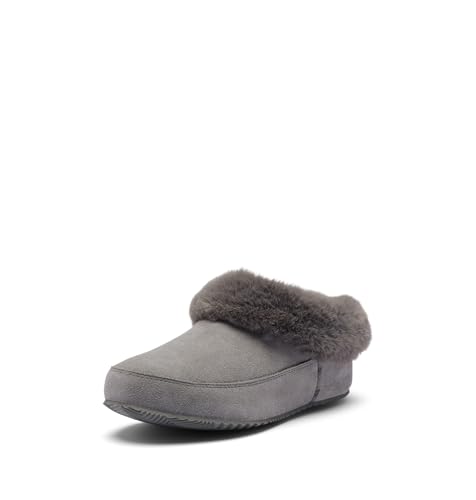
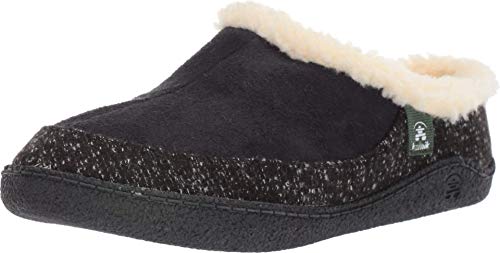
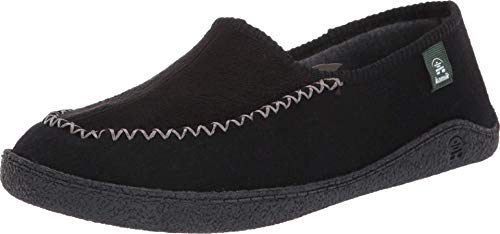

Who Should Buy the Best Canadian Slippers?
For Small Spaces and Easy Storage
If you live in a small apartment, share an entryway, or pack slippers for travel and cottage weekends, favor light and flexible styles. Soft sole moccasins and knit slip ons fold nearly flat, slide into a drawer or a weekender bag, and add almost no weight. Skip bulky bootie styles with thick rigid soles, because they hog closet space and resist packing. A low profile pair in a dark color also hides the scuffs that come from tight hallways and frequent handling.
For Weekend Beginners
If you are buying proper slippers for the first time and mainly wear them on slow weekends, keep it simple. A closed back mule or moccasin in felt or suede gives warmth and easy on and off wear without special care. Mid priced pairs in this group usually balance cushioning and durability well for light use. Shoppers browsing for the men in this category can compare shapes and sizing notes in our guide to the best male slippers, which covers similar relaxed weekend styles.
For Bad Weather and Tough Conditions
If your slippers regularly step outside onto snowy steps, wet decks, or a cold garage floor, treat the outsole and upper as the priority. Look for a rubber outsole with real tread, a closed toe, and a water resistant upper such as treated suede or leather. A raised edge where the upper meets the sole helps keep melt water out. This style costs more and feels stiffer indoors, so buy it only if outdoor trips are truly part of your routine rather than a rare event.
Key Features to Compare
Arch Support and Foot Type
Flat foam insoles feel soft for five minutes and then offer nothing, which matters if you stand on hard kitchen floors for long stretches. Contoured footbeds with a defined arch and a cupped heel spread pressure and suit flat feet and tired arches better. If you have high arches, look for cushioning under the heel and forefoot instead of a tall arch bump. Readers with ongoing foot pain may find focused options in our guide to the best slippers for plantar, and persistent pain deserves a visit with a foot specialist rather than a footwear swap alone.
Upper Materials and Breathability
Shearling and wool regulate temperature surprisingly well, wicking moisture while keeping feet warm, which suits cold houses and winter months. Cotton and knit uppers breathe better in spring and fall and wash more easily, though they stretch out sooner. Leather and suede resist scuffs and last for years but need a brush and occasional conditioner. Mesh panels appear on lighter house shoes meant for warm climates. Think about your home heating first: a well heated condo rarely needs the heaviest winter lining, and sweaty feet in an overly warm slipper are a fast route to odor.
Durability and Expected Lifespan
Stitching tells you more than brand claims. A sole that is stitched to the upper, not only glued, survives flexing far longer, and double stitching at the toe is a good sign. Dense foam or latex cushioning outlasts the thin foam in bargain pairs, which often packs down within months. Expect a decent pair worn daily to serve about one to two years before the cushioning feels flat. Our guide to the best quality slippers digs deeper into the construction details that separate lasting pairs from short lived ones.
Fit, Sizing, and Toe Box
Measure your feet in the evening, when they are at their largest, and compare the length in centimeters with the maker size chart rather than trusting your usual shoe size. Slipper sizing varies widely between brands, and whole size only brands may need you to size up when you sit between sizes. Your toes should wiggle without pressing the front, and the heel should stay put without gripping. A roomy toe box suits wide feet and thick winter socks. Shoppers comparing women sizing charts will find extra notes in our guide to the best slippers for women.
Common Mistakes to Avoid When Buying Canadian Slippers
- Buying on price alone: the cheapest pair often has glued soles and thin foam, so it costs more per month of use than a solid mid priced pair.
- Ignoring your foot type: flat feet in flat slippers is a common cause of end of day ache, so match support to your arch.
- Guessing your size: slipper charts differ by brand, so measure and check the centimeter column before ordering.
- Choosing a fashion sole for icy steps: smooth indoor soles have no grip outside, which is a real fall risk in winter.
- Skipping the return policy: fit is hard to judge from photos, so order from sellers that accept returns on unworn pairs.
A useful habit is to keep a short note of when you bought the pair and how the fit felt during the first week. That note makes the next purchase faster, because you can reorder the size and style that worked instead of starting over. It also helps you spot whether a brand runs small or large across its range, which matters when you later buy a second pair for the cottage, a guest room, or a family member with similar feet.
How to Make Your Canadian Slipper Last Longer
Rotate two pairs if you wear slippers all day, because foam recovers between wears and each pair dries fully. Air dry wet slippers at room temperature away from radiators and direct heat, which crack leather and melt glue lines. Brush suede and shake out shearling weekly to lift dust and restore the pile. Wash only when the care label allows it, and stuff damp pairs lightly with paper to hold their shape. Replace a pair when the tread smooths out or the insole stays compressed, since worn support can quietly change how you walk around the house.
Canadian Slippers: Your Questions Answered
Can I wear canadian slippers all day?
Yes, if the pair has real arch support and a stable sole. Flat, unsupportive slippers worn for a full day of standing often leave feet and lower legs tired. A practical test: if you would not stand in them to cook a long holiday meal, they are lounge wear, not all day wear. People with diabetes or circulation problems should ask their clinician which footwear features are safe for daily use.
Are expensive canadian slippers worth it?
They can be when the price buys stitched construction, shearling or leather uppers, and replaceable insoles. Those features extend the life of the pair well past bargain options. They are harder to justify for a guest pair or a growing teenager. Consider cost per winter: a durable pair used for three seasons often beats three cheap pairs used for one season each.
Do I need waterproof canadian slippers?
Only if you step outside in them often. Most indoor wear never meets more than a damp bathroom floor, where a rubber outsole is enough. Fully waterproof uppers trap heat and feel clammy indoors. A middle path many Canadians like is a water resistant treated upper, which shrugs off light snow and spills without sealing in warmth.
How should canadian slippers fit?
Snug at the heel, relaxed at the toes. Your foot should not slide forward when you walk, and the back of a closed style should not rub. Wool and shearling linings compress within the first week, so a new pair that feels slightly firm usually settles well. If your toes press the front on day one, exchange up a size instead of hoping the upper will stretch that far.
How long is the break in period for canadian slippers?
Most soft styles need only a few days of indoor wear. Leather moccasins take longer, often one to two weeks, as the leather molds to your foot and the insole compresses to your stride. Wear them for short periods first and check for hot spots. Pain that grows rather than fades is a fit problem, not a break in stage, so stop and reassess the size.
How often should I replace my canadian slippers?
Plan on every one to two years for a daily pair, sooner if the cushioning stays flat or the tread wears smooth. A simple press test helps: push your thumb into the insole at the heel. If it feels thin and hard with no spring back, support is gone. Replacing on time matters most for anyone who stands on hard floors for much of the day.
Wrapping Up
Match the slipper to your routine first, then check support, materials, and sizing in that order. A rubber outsole and water resistant upper earn their cost only when your day truly includes wet steps and cold floors. Compare your shortlist in the product table above, and you will land on the best canadian slippers for your home without overpaying for features you will never use.


