
Best Camping Slippers for Men: A Clear Buying Guide for 2026
Disclosure: We may earn a commission when you buy through links on this page, at no extra cost to you. As an Amazon Associate I earn from qualifying purchases. Learn more

Pick the best camping slippers for men with plain advice on fit, outsole grip, insulation, and waterproofing.
After a day in stiff hiking boots, your feet want one thing at camp: relief. That is the whole job of camp slippers, and it is why your first pair deserves a little thought. The best camping slippers for men keep your feet warm, dry, and steady on wet ground while your boots air out beside the tent.
This guide starts with the basics, explains each spec in plain English, and flags the mistakes first time buyers make most. Use the comparison table below to check sizes, sole types, and insulation once the terms make sense.

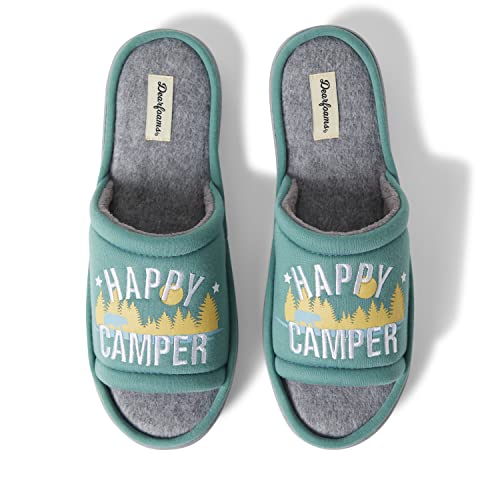

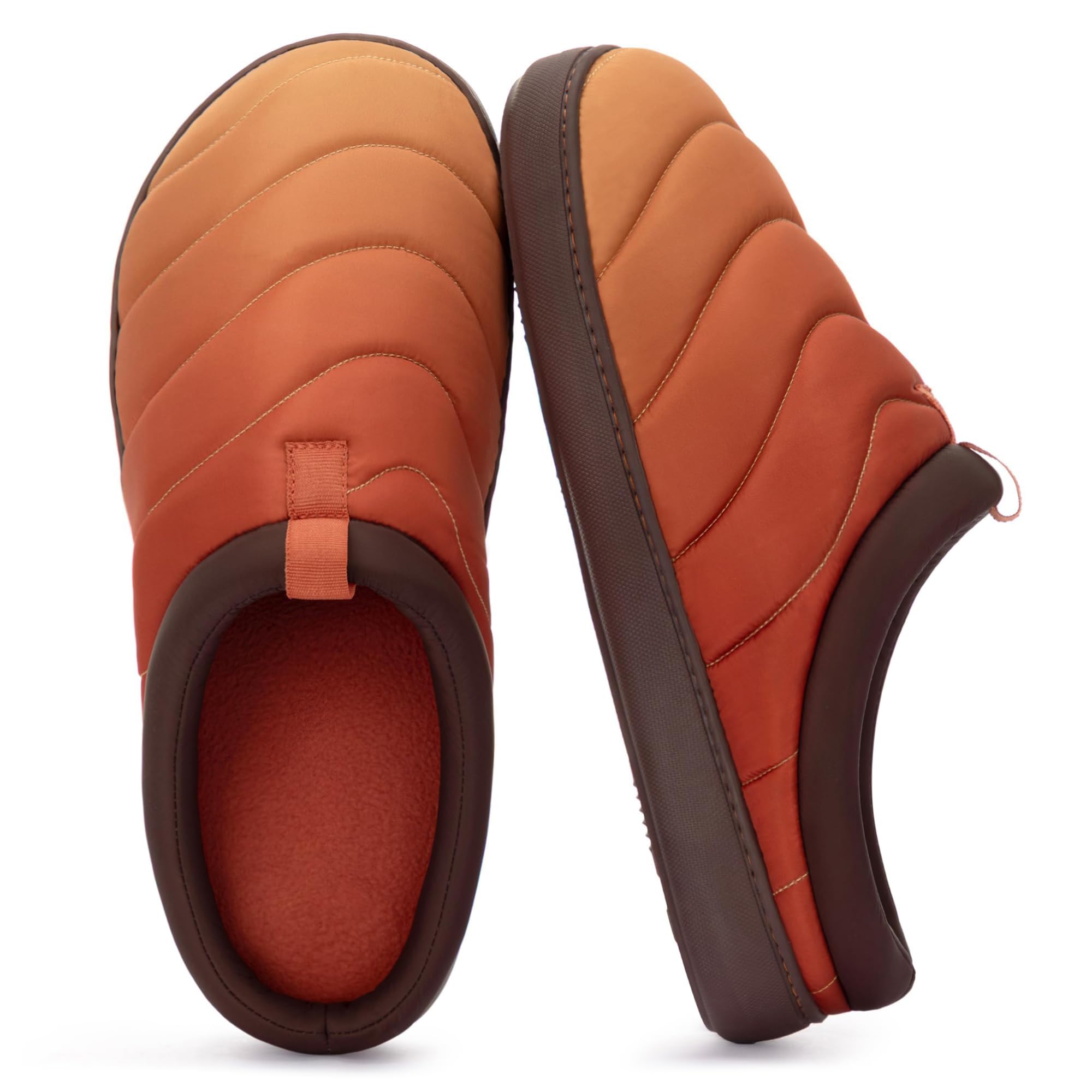
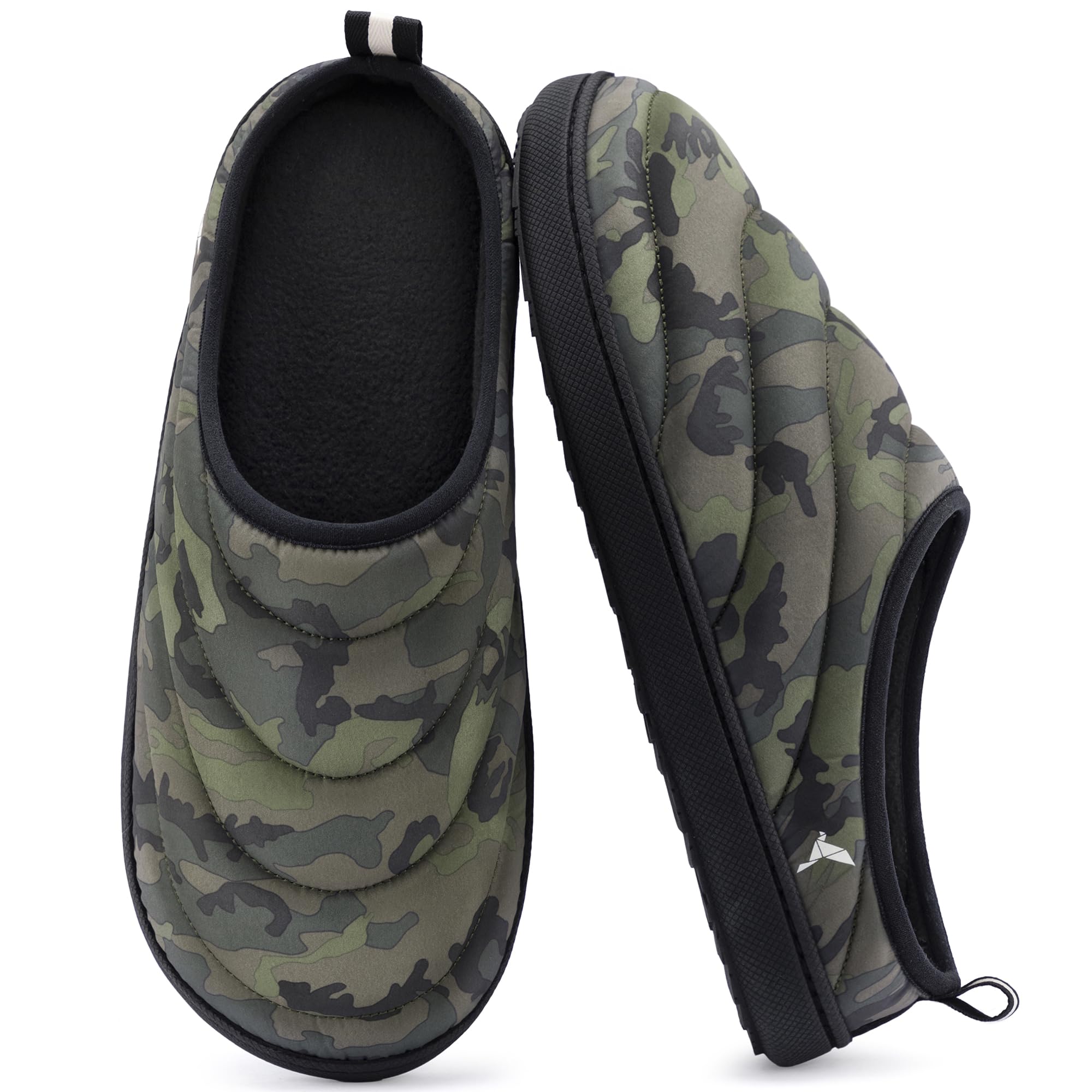
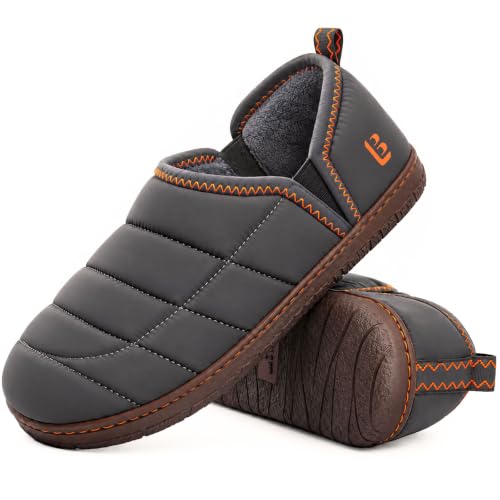

Camping Slippers 101: The Basics
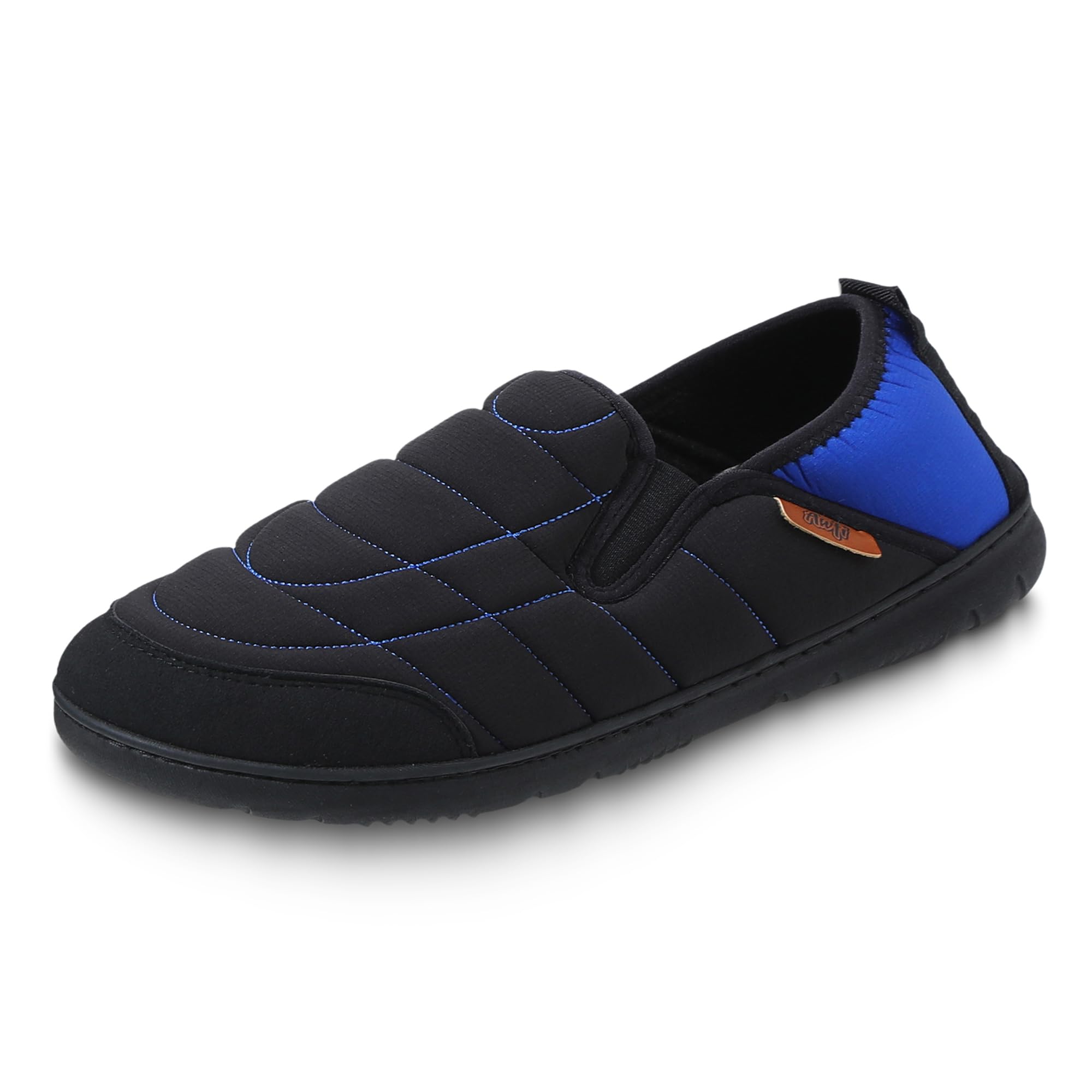
Camping slippers are soft, light shoes built for time around camp rather than time on the trail. Most pair a cushioned or insulated upper with a rubber outsole that has real tread, so you can walk to the water tap or the campfire without slipping on dew covered grass. They are sometimes called camp shoes, hut slippers, or down booties when they are filled with insulation for cold nights.
Three terms cover most product listings. The outsole is the rubber bottom that grips the ground. The midsole is the foam layer that cushions each step. The upper is everything above the sole, and it may be open like a slide, closed like a shoe, or tall like a bootie. Knowing those parts makes every spec below easy to judge, and it helps you compare the general options in our guide to the best camping slippers for all campers.
Best Camping Slippers for Men: Key Specs in Plain English
Listings throw around words like lug depth, drop, and membrane without explaining them. This section translates each spec into what it feels like on your feet, and gives you a sensible target to aim for. Read it once and most product pages will stop looking like a foreign language.
What Men Should Look For
Men should start with honest sizing and enough structure for their weight. A heavier camper compresses thin foam fast, so look for a firm midsole that still feels cushioned when you press it with your thumb. Wider feet need a roomy toe box and an upper with some give, while narrow feet do better in a closed slip on style that will not slide off on a slope. Check that sizes run past the average range if you wear large shoes, because camp slippers are often cut small. A heel strap or a closed heel also helps when you carry water or firewood.
Fit, Sizing, and Toe Box
Measure your feet in the evening, when they are slightly swollen from the day, and compare the length in centimeters with the size chart rather than trusting your usual shoe size. Your toes should not press the front, because you will often wear camp socks inside. A wide toe box lets toes spread after hours in narrow boots, which is half the comfort you are buying. If you fall between sizes, size up for insulated styles and down for stretchy knit uppers. Keep the receipt until you have walked around camp in them once.
Outsole Traction and Terrain
The outsole decides where you can safely walk. Shallow tread suits smooth campground paths and cabin floors, while deeper lugs, around 3 to 5 mm, grip gravel, mud, and wet roots far better. Softer rubber compounds grip slick rock and bathroom tiles but wear faster on pavement, and harder compounds last longer with a little less grip. Look for tread that wraps slightly up the sides if you cross streams or scramble over rocks at the shore. A completely flat fashion sole has no place on wet grass at night.
Arch Support and Foot Type
After a long hike, tired arches need support, not a flat slab of foam. If you have flat feet or your ankles roll inward, choose slippers with a shaped footbed and some firmness under the arch. If you have high arches, extra cushioning matters more than firm control. Removable insoles are a bonus, since you can swap in your own orthotic insole for camp use. If foot pain keeps returning on trips, talk with a podiatrist or your clinician about your personal needs rather than hoping new slippers will fix it.
Waterproofing (Gore Tex and Membranes)
Waterproof membranes such as Gore Tex keep dew and light rain out, but they also slow drying when water gets in over the top. For summer car camping on dry sites, a water resistant coating on the upper is usually enough and dries overnight. For wet climates, shoulder season trips, and snowy cabin visits, a membrane or a rubber lower section earns its keep. Cold weather campers who want maximum warmth should also read our guide to the best winter slippers for men for heavier insulation options.
Rookie Mistakes to Avoid
- Buying your exact shoe size without checking. Camp slippers often run small, and thick socks make a snug pair unwearable.
- Choosing fashion soles. Smooth soles slip on wet grass, gravel, and cabin steps, which is where most camp walking happens.
- Ignoring drying time. A soaked insulated pair that stays wet for two days is worse than a lighter pair that dries overnight.
- Wearing them on the trail. Camp slippers lack the support and protection for hiking, and one rocky mile can tear a soft upper.
- Forgetting the season. Insulated booties in July leave your feet sweating, while thin slides in October leave them freezing.
Getting Started: Setup and First Use
There is no assembly, but a few first steps pay off. Try your slippers on at home with the socks you plan to wear at camp, and walk on a hard floor to check heel slip and toe room. If they feel tight everywhere rather than snug in one spot, exchange them now, because most camp slippers stretch very little.
On the first trip, keep them in a separate stuff sack so dirt from the outsole stays off your sleeping gear. Air dry wet slippers away from direct heat, since campfire heat and hot radiators can warp foam and crack rubber. A good habit is to loosen and air your hiking boots at the same time, so both pairs are dry and ready the next morning.
FAQs
What makes camping slippers for men different?
They are cut for men sizing and typical men foot shapes, with longer sizes, often a wider fit, and soles built to carry more weight without flattening. Compared with indoor slippers, they add a treaded rubber outsole, weather resistant uppers, and insulation options for cold ground. Compared with trail shoes, they trade support for softness and easy on and off wear. That mix is exactly what you want once the hiking part of the day is done.
Can I wear camping slippers all day?
You can wear them around camp all day, but they are not built for long walks. The soft midsoles that feel great for an evening will leave your feet tired after miles of rocky ground, and the uppers offer little protection from roots and stones. Wear them for camp chores, short flat walks, and travel days. For warm weather trips where you want airy feet at camp, our guide to the best summer slippers for men covers lighter open styles.
How often should I replace my camping slippers?
Replace them when the midsole stays compressed, the tread is worn smooth, or the upper tears away from the sole. For most campers that means every two to four seasons, depending on trip frequency. A simple test is to stand on a hard floor: if you feel the floor through the heel, the cushioning is done. Replacing on time matters, because a worn smooth outsole is a slip risk on wet ground.
Do I need waterproof camping slippers?
You need them if your trips involve wet grass, rain, snow, or stream crossings near camp. In dry summer conditions, a breathable upper with a light water resistant coating is more comfortable and dries faster after a spill. Think about your last few trips rather than your dream trip. If your feet got wet at camp more than once, waterproofing is worth it, and if they never did, save the money and the weight.
Are expensive camping slippers worth it?
They can be, because price usually buys a better outsole, denser foam, and stronger stitching. Those upgrades show up as grip on wet ground and comfort that survives several seasons. Very cheap pairs often flatten within a few trips and end up replaced, which erases the savings. If you have specific foot needs, our guide to the best orthopedic slippers for men explains support features in more depth before you spend.
How long is the break in period for camping slippers?
Most pairs need little or no break in time, and they should feel comfortable within the first evening of wear. Foam midsoles mold slightly to your feet over the first few trips, and knit uppers relax a little, but a pair that hurts on day one will rarely improve. Persistent pressure points mean the shape is wrong for your foot. Exchange early while returns are easy, and do not count on heavy stretching to rescue a bad fit.
Final Thoughts
Focus on fit, outsole grip, and the right level of weather protection, and almost everything else falls into place. Measure your feet in the evening, leave room for camp socks, and match insulation to the season you actually camp in. Compare your shortlist in the product table above, and you will see why the best camping slippers for men feel like a reward at the end of every trail day. For build quality cues that apply across styles, see our guide to the best quality slippers for men.


