
Best Budget Couches: A Smart Buyer's Guide
Disclosure: We may earn a commission when you buy through links on this page, at no extra cost to you. As an Amazon Associate we earn from qualifying purchases. Learn more

Furnishing a living room without blowing your budget is possible, but a lot of shoppers end up replacing their couch within a year or two because they focused on price alone. If you're searching for the best budget couches, the goal isn't just spending less. It's understanding which materials and construction choices actually determine whether a low-cost couch holds up or falls apart. In this guide, you'll learn how fabric, frame, and cushion fill affect durability, plus a few practical ways to stretch a tight budget without ending up with something you'll be replacing next year.
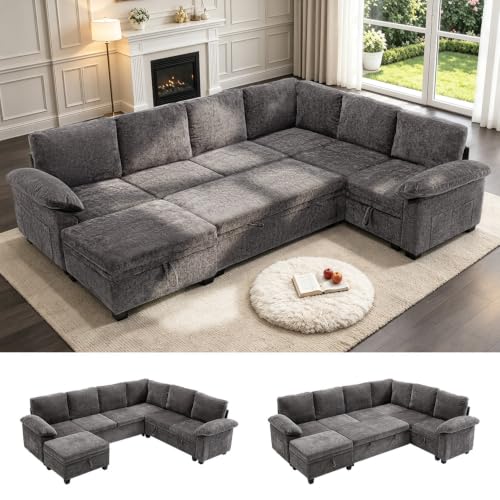
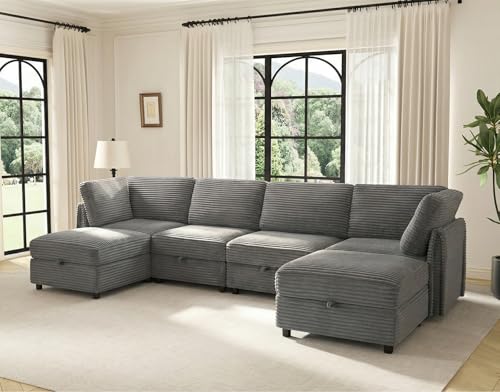
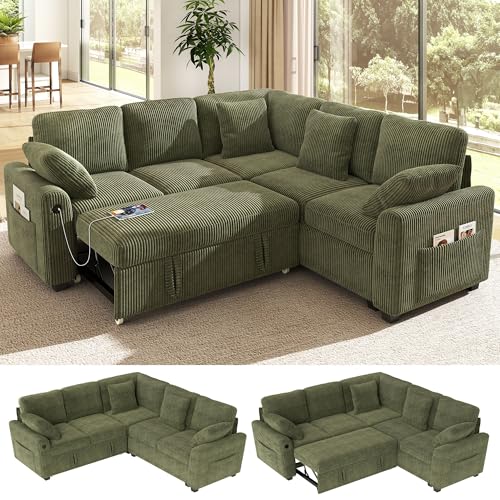
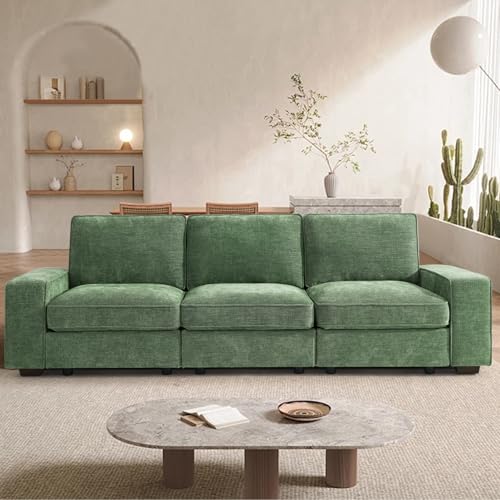

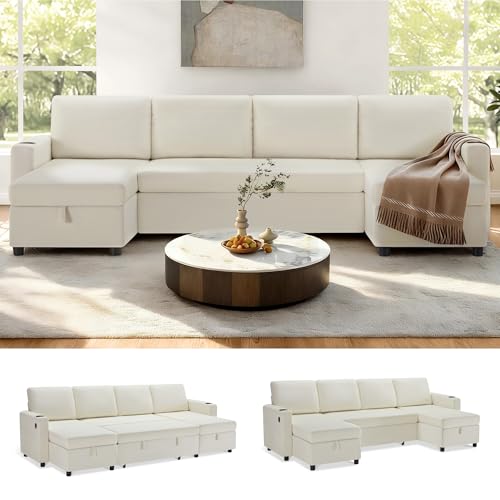
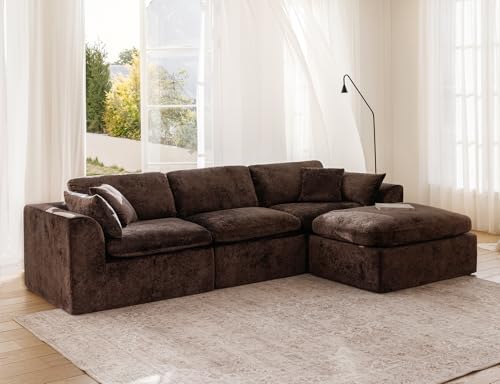
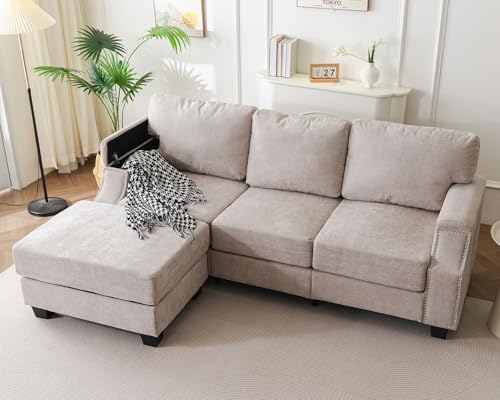
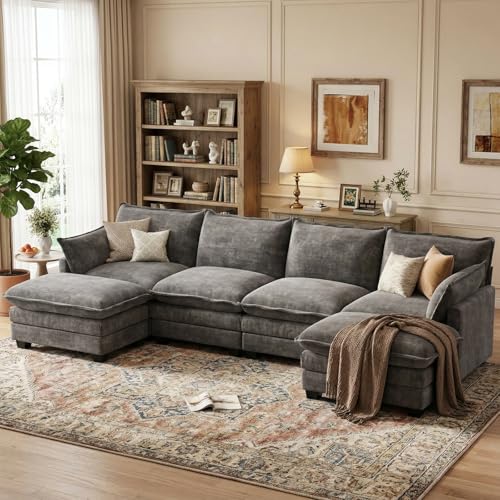
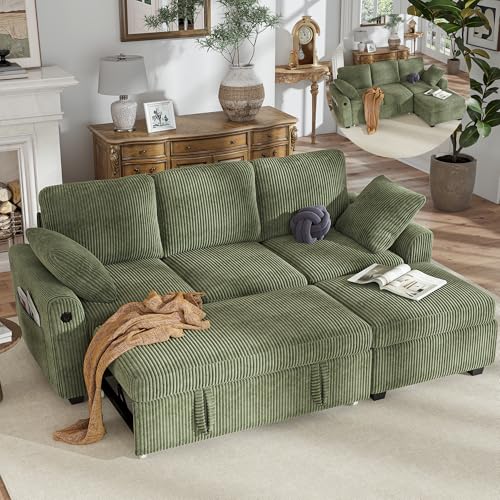
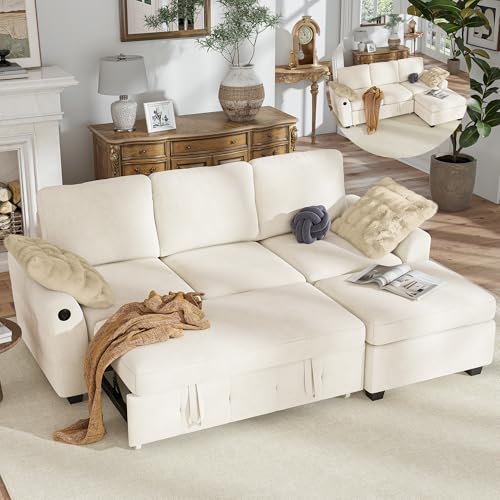
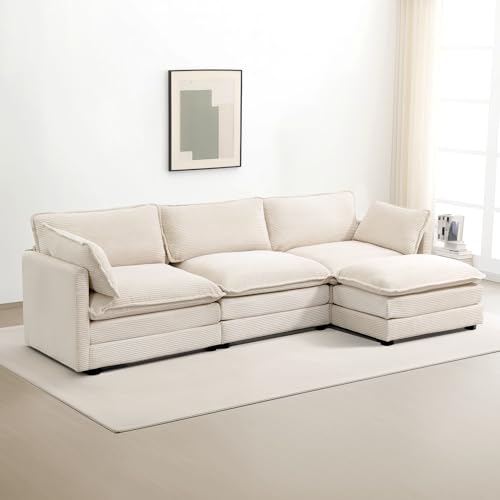
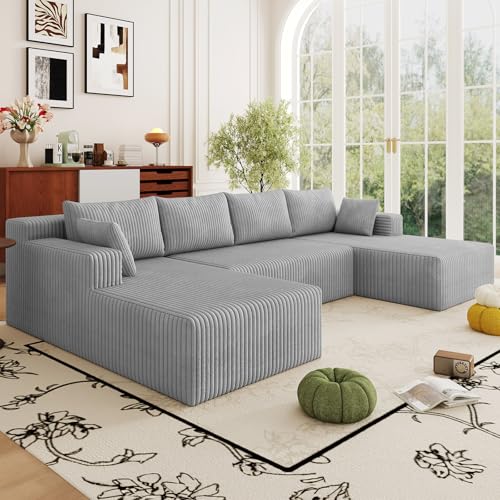
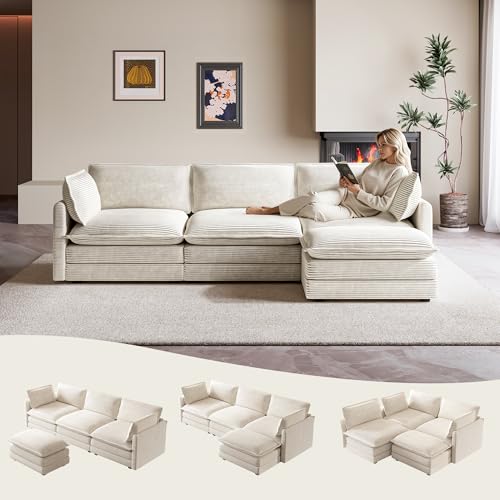
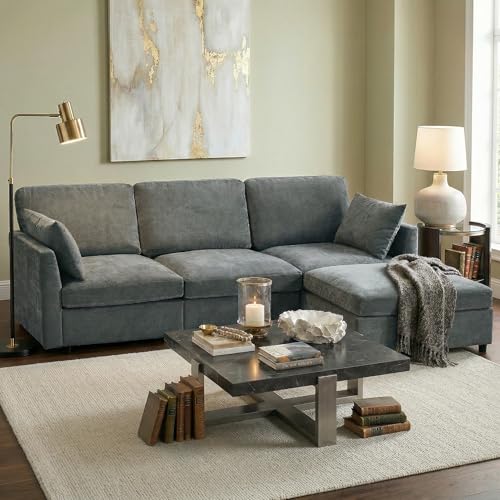
What Upholstery Fabric Actually Holds Up on a Tight Budget
Fabric is usually the first thing you notice about a couch, and it's also one of the biggest factors in how long that couch looks and feels good. On a limited budget, the right fabric choice can matter more than almost anything else you spend money on.
Performance Fabrics Are the Budget Sweet Spot
Performance fabric and microfiber upholstery are usually the best value for money in this price range. They resist stains, shrug off spills, and clean up with minimal effort, which matters a lot if kids, pets, or regular guests are part of the picture. These fabrics also tend to hide the wear that comes from daily sitting far better than delicate materials, so the couch keeps its appearance for longer even under heavy use.
Fabrics Worth Avoiding in a High-Traffic Home
Linen and velvet look elegant in photos, but they show stains, crush marks, and general wear much faster than performance fabric. If you're outfitting a busy household on a budget, these are the materials most likely to leave you disappointed within a few months. Save them for low-traffic spaces or accent pieces rather than the main couch your family uses every day.
Frame Construction: Where Cheap Couches Actually Fail
When you compare the best budget couches side by side, the frame is easy to overlook because it's hidden under the upholstery. It's also the single biggest reason an inexpensive couch either lasts for years or starts wobbling within months. Before choosing between a compact sofa and something more like the pieces covered in our guide to a full living room sofa set, it helps to understand what's actually holding the piece together.
Wood Frames on a Budget
A hardwood or high-quality plywood frame can last for many years even at a lower price point, as long as the joints are properly glued and reinforced rather than just stapled together. Particleboard frames are the real risk zone. They're common in the cheapest couches, and while they can hold up for a few years of light use, they're far more prone to sagging, cracking, or coming apart under regular weight and movement.
Metal Frames and When They're Worth the Extra Cost
Metal frames tend to cost more upfront, but they offer real stability and resist warping in a way wood can't always match. If a metal-frame option fits your budget, it's often a safer bet for a household that puts a couch through heavy daily use. That said, a well-built wood frame with solid joinery can still outperform a poorly constructed metal one, so construction quality matters more than the material alone.
Cushion Fill and Why It Determines How Long a Couch Feels New
Even a couch with a great frame and fabric can start to feel disappointing fast if the cushions lose their shape. Cushion fill is where a lot of budget couches quietly cut corners, and it's usually the first thing people notice going wrong.
Low-density foam flattens quickly and can leave you sitting on a hard, compressed cushion within a year. Look for cushions with a reasonable foam density, ideally wrapped in a layer of fiber, which helps the cushion keep its loft and softness for much longer. A couch with slightly firmer, denser cushions at the start will almost always feel better after a year of daily use than one that felt plush on day one but sagged fast.
How to Spend Less Without Buying Something That Falls Apart
The instinct to grab the absolute cheapest option makes sense when you're working with a tight budget, but it can backfire. A couch that needs replacing in two years often ends up costing more overall than a slightly higher-priced option that lasts significantly longer. The smarter approach is to think about value across the whole ownership period, not just the number on the price tag. If your search also turns up options with reclining features, our breakdown of reclining sofas covers what to expect from that mechanism specifically, since it changes the durability equation in its own way.
Why Warranty Length Beats Price Tag Alone
Warranty length is one of the most useful signals for judging real quality, and it's often overlooked. A budget couch backed by a multi-year frame warranty is telling you something the price alone can't: the maker expects that frame to hold up. A couch with no warranty at all, or one covering just a few months, is a signal to look more closely at construction before buying.
Getting More Value Out of a Small Living Room Budget
Stretching a limited budget isn't only about picking the right materials. It's also about choosing a piece that does more for the money you're spending.
When a Sleeper Sofa Is the Smarter Buy
A sleeper sofa can be one of the smartest ways to get more value from a single purchase, since it effectively combines a couch and a guest bed in one piece of furniture. If you regularly host overnight guests or live in a smaller space where a separate guest bed isn't practical, this kind of multi-purpose piece can save you from a second furniture purchase entirely. Just be sure the sleeper mechanism itself is sturdy, since a flimsy pull-out frame undermines the value of the whole piece.
Frequently Asked Questions
What makes a couch look expensive even if it's cheap?
Clean lines, tailored upholstery with tight seams, and a fabric that resists wrinkling or sagging around the cushions all read as higher-end. Performance fabrics in solid colors tend to look more polished over time than budget velvet or heavily textured materials that flatten unevenly.
Is a wood frame or metal frame couch better?
Neither is automatically better. A well-built hardwood or plywood frame with solid joinery can outlast a mediocre metal frame, while a quality metal frame offers strong stability for heavy daily use. Construction quality matters more than the material itself.
How long should a budget couch last?
With reasonable care, a well-chosen budget couch can last several years, though it typically won't match the decade-plus lifespan of a premium piece. Frame quality, fabric choice, and cushion fill all influence how long it holds up before sagging or wear becomes noticeable.
What fabric is best for a couch with pets or kids?
Performance fabric and microfiber are generally the best choices for households with pets or kids, since they resist stains, spills, and everyday wear far better than linen or velvet. Easy-to-clean upholstery makes a much bigger difference in a busy household than most people expect.
Are cheap couches worth buying?
They can be, as long as "cheap" doesn't mean the absolute lowest price without regard to construction. A well-chosen budget couch with a solid frame, decent cushion fill, and durable fabric can offer excellent value. The risk is buying based on price alone and ignoring what's underneath the upholstery.
Do budget couches come with a warranty?
Many do, though coverage varies widely. Some budget options include a multi-year warranty on the frame, which is a strong sign the manufacturer trusts its own construction. Always check warranty terms before buying, since a couch with no coverage at all is a bigger gamble.
Making Your Decision
Finding the best budget couches comes down to knowing where to look past the price tag. Fabric, frame construction, and cushion fill all quietly determine whether a couch holds up for years or needs replacing within months. Spend a little extra attention on those details, and a modest budget can still get you a couch that feels good and looks great for a long time.