Best Boutique Dive Watches Made Simple: A Clear Buying Guide for 2026
Disclosure: We may earn a commission when you buy through links on this page, at no extra cost to you. As an Amazon Associate I earn from qualifying purchases. Learn more

Shopping for the best boutique dive watches for the first time? Learn the terms, compare options, and avoid rookie mistakes with this easy guide.
Buying your first dive watch from a small independent brand can feel exciting and confusing at the same time. The listings use terms like lume, bezel action, and water resistance ratings, and the prices range from modest to serious. This guide explains best boutique dive watches in plain language, starting with the basics and ending with a simple way to choose.
You do not need to be a diver or a collector to buy well. You need to know what each spec means in daily life, what size suits your wrist, and what level of water protection you actually need. Use the comparison table below to check case sizes and ratings once the terms make sense.
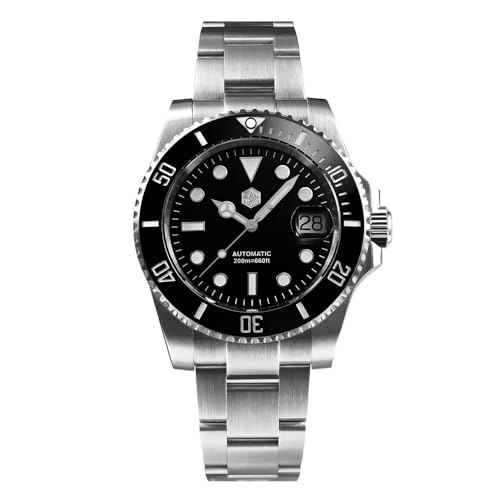


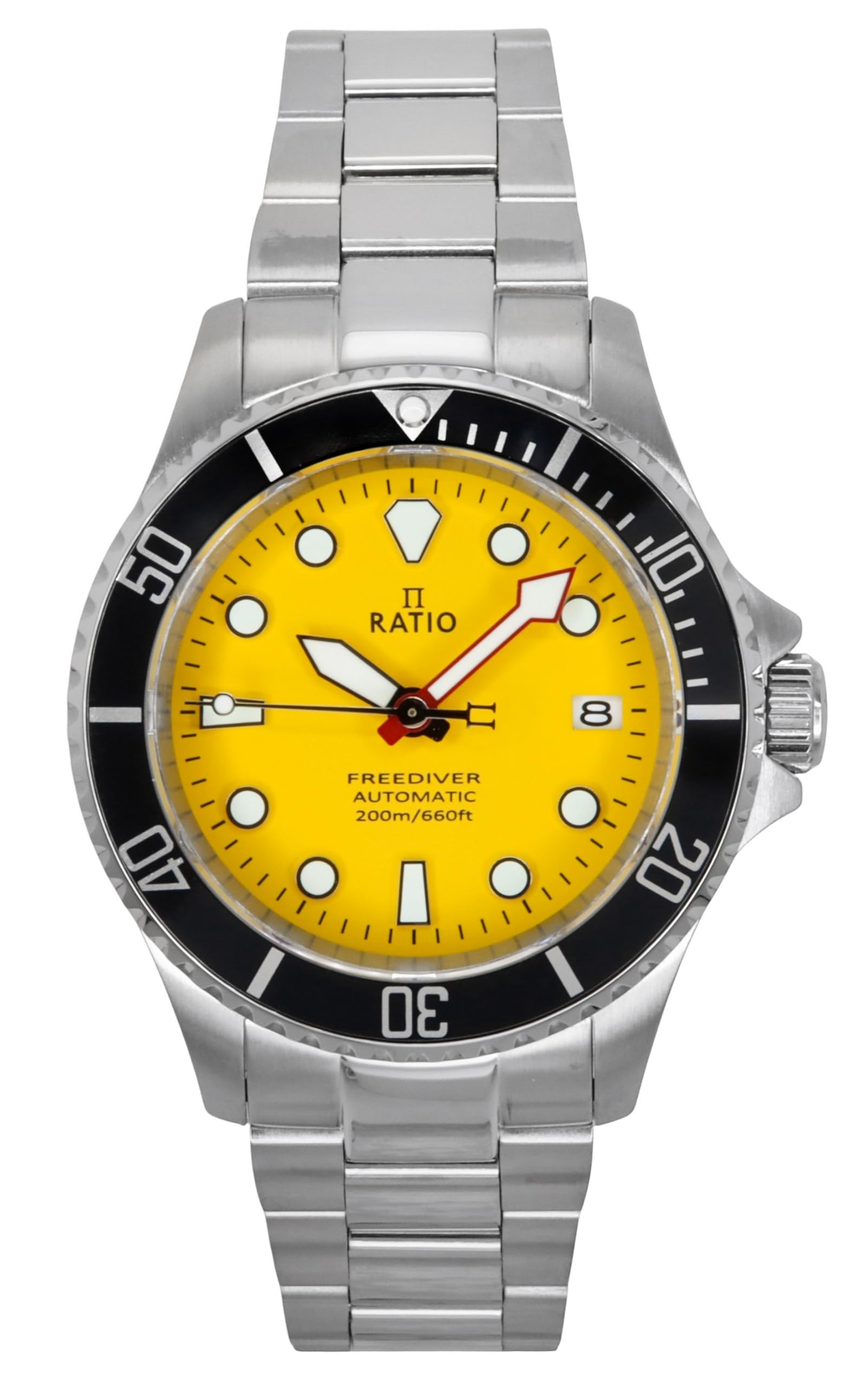
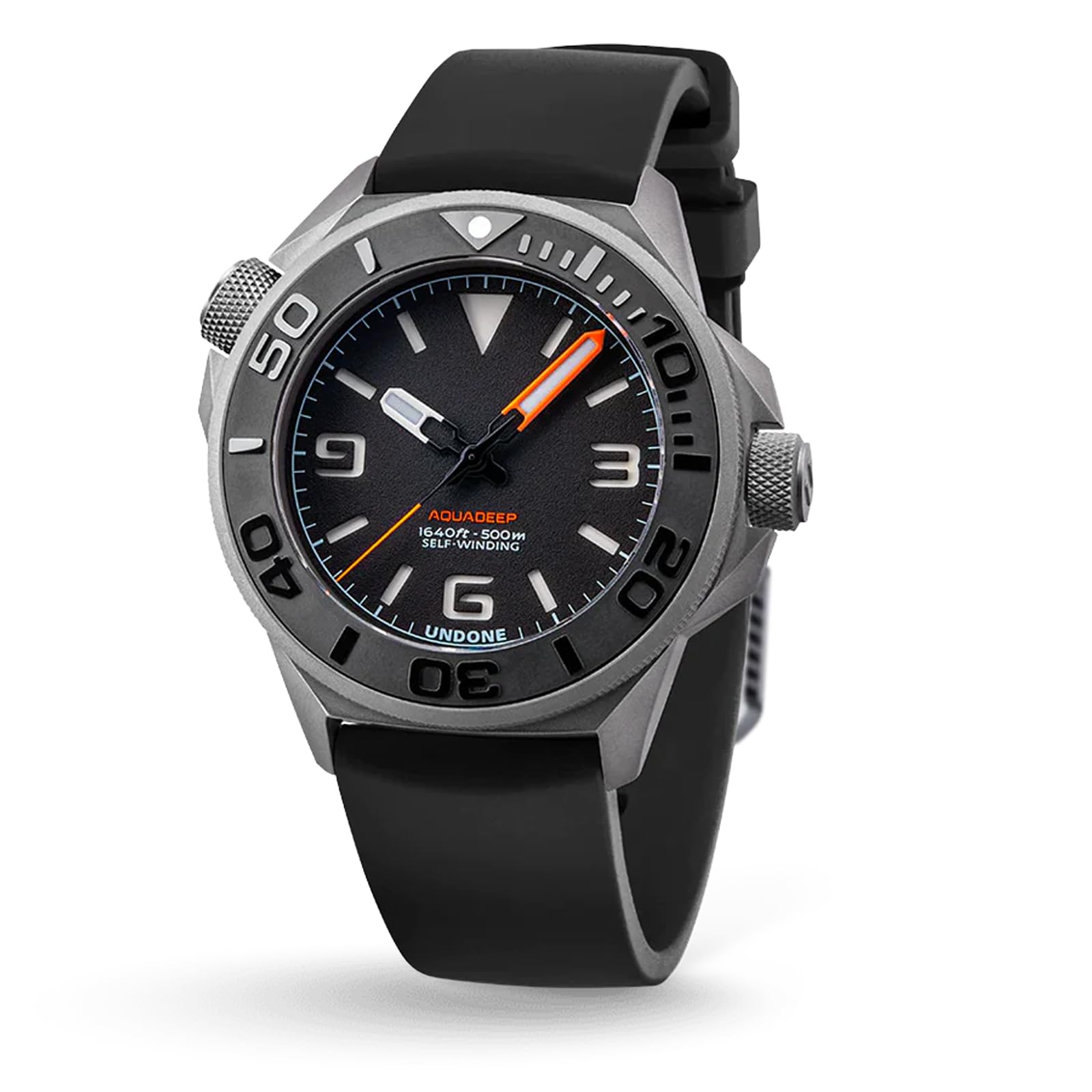


Boutique Dive Watches 101: The Basics
A boutique dive watch comes from a small or independent maker rather than a giant global brand, and it is built for water use with a rotating bezel, strong water resistance, and a legible dial. The bezel times a dive or any short task by turning so its marker aligns with the minute hand. Bright lume lets you read the time in low light. Most owners wear these watches daily for style, swimming, and travel rather than for professional diving.
Because boutique brands sell in smaller runs, designs can feel more personal and specs per dollar can be strong. The trade off is that service networks are smaller, so warranty terms and repair access matter more. If you want to compare styling across price levels, our guide to the best looking dive watches shows how dial and bezel choices change the look on the wrist.
Key Specs Explained in Plain English
Movement Type: Quartz, Automatic, Solar, and Smart
The movement is the engine that powers the watch. Quartz runs on a battery and is accurate, affordable, and low effort. Automatic movements wind from your wrist motion and appeal to people who enjoy mechanical craft, but they need servicing every 5 to 7 years and can drift by seconds per day. Solar watches charge from light and reduce battery changes. Smart models add screens and sensors but need frequent charging and are a different purchase altogether.
Smart and Fitness Features
Most boutique dive watches are traditional watches, not smartwatches, so they do not offer GPS, heart rate tracking, or phone notifications. That is a strength if you want a watch that works for years without charging cables and app updates. If fitness tracking matters to you, wear a dedicated device for workouts and keep the dive watch for time and water use. Never rely on a watch sensor as a medical device, and talk with a clinician about any health questions.
Crystal and Case Materials
The crystal covers the dial. Sapphire is very hard to scratch and is the choice to prefer at mid range prices and above. Mineral crystal costs less and resists shattering but scratches more easily. For the case, 316L stainless steel is the durable standard, while titanium feels lighter on the wrist and suits larger cases. A solid case back, a screw down crown, and well finished edges are good signs of careful building at any price.
Water Resistance Rating
Ratings describe pressure testing, not a guarantee for every activity. A 30 m rating means splash resistance only and is not enough for swimming. At 100 m, showering and surface swimming are generally fine. A true dive watch standard starts at 200 m, which suits recreational diving and gives confidence for daily water use. Keep crowns screwed down, and have seals checked if the watch is older or has been opened for service.
Brand Reputation, Warranty, and Value
With small brands, reputation is your safety net. Look for clear warranty terms of at least two years, a real service address in the United States, and spare straps and parts that stay in stock. Read how the brand handles repairs and how long service takes. Value also includes resale and longevity: a well made watch with standard strap sizes and serviceable movement holds value better. Compare broader options in our guide to best boutique watches if you are still choosing a style.
Strap choice deserves a thought before you buy as well. Rubber straps suit swimming and hot weather, steel bracelets add weight and a dressier feel, and fabric straps are light and casual but dry slowly after a swim. Check whether the watch uses standard spring bars and a common lug width, because that makes swapping straps cheap and easy. A quick release strap system is convenient, but standard bars are simpler to replace anywhere in the world.
Rookie Mistakes to Avoid
- Buying a 30 m watch for swimming because the listing calls it a dive style watch.
- Choosing a huge case that overhangs the wrist and then finding the watch uncomfortable all day.
- Paying extra for smart features you will not use, while skipping sapphire crystal and a solid warranty.
- Ignoring lume quality, then struggling to read the dial at night or underwater.
- Forgetting service costs for automatic movements and seal checks over years of ownership.
Getting Started: Setup and First Use
When your watch arrives, set the time and date following the manual, and learn how the crown positions work before you get the watch wet. Check that the crown screws down fully and that the bezel turns with firm, even clicks. Try the strap adjustments at home and note the lug width so you can add a rubber strap for swimming. Rinse the watch in fresh water after saltwater exposure, dry it with a soft cloth, and store it away from strong magnets.
A useful first week habit is to check the time against your phone each morning. That quickly tells you whether an automatic movement is running within its expected range or needs regulation or service. Also test the lume after a short charge under a lamp, so you know what brightness to expect at night. Small checks like these build confidence and catch problems while returns or warranty help are still simple. Keep the box, papers, and spare links in one safe place, since complete sets are easier to service, gift, or resell later.
Frequently Asked Questions
How water resistant should a boutique dive watch be?
For a true dive watch, choose 200 m water resistance. That rating suits swimming, snorkeling, and recreational diving with proper seal care. A 100 m watch is fine for swimmers who never dive, but it is not a dive watch in the strict sense. Whatever rating you pick, keep the crown screwed down and avoid pressing buttons underwater unless the maker clearly allows it. Aging seals reduce real protection, so service matters.
What case size fits my wrist?
Most wrists suit a case diameter of about 38 to 42 mm. Measure your wrist, then check lug to lug length, since that distance decides whether the case overhangs. Slim wrists usually look and feel best at 38 to 40 mm, while larger wrists can carry 42 to 44 mm. Thickness matters too: a watch under about 13 mm slides under a cuff more easily. When in doubt, choose the smaller size for daily comfort.
Quartz or automatic: which is better?
Neither is better for everyone, because they serve different priorities. Quartz wins on accuracy, low price, and zero fuss, which suits a first watch that must always be ready. Automatic wins on craft and the pleasure of a mechanical movement, at the cost of servicing and daily wear to keep it wound. If you rotate several watches, quartz or solar may suit you better. Choose based on how you will actually wear the watch each week.
How long does a watch battery last?
A typical quartz battery lasts about 2 to 3 years, depending on movement type and extra functions like alarms or lights. Solar models avoid routine changes because light recharges the cell, though the cell can still age after many years. When a quartz watch starts losing time or the second hand jumps in steps, plan a battery change soon and use a service point that can reseal and pressure test a dive watch afterward.
Is a smartwatch worth it over a classic watch?
A smartwatch is worth it only if you will use its notifications, GPS, and health tracking every day and accept charging it often. A classic dive watch offers years of service, better water confidence, and a look that does not age with software updates. Many owners enjoy both for different roles. For buyers exploring lower price tiers first, our guide to best inexpensive dive watches explains what you can expect to give up and what you should never give up.
Final Thoughts
Focus on three things: a true 200 m rating if you dive or swim often, a case size that fits your wrist comfortably, and a crystal and warranty you can trust for years. Readers who later move up in budget can compare our guide to best luxury dive watches and our guide to best microbrand dive watches for context. The best boutique dive watches for a first purchase are the ones you understand, wear daily, and can service easily, so review the product table above before you decide.