
Best Boots for Tall Ladies Made Simple in 2026: A Clear Buying Guide
Disclosure: We may earn a commission when you buy through links on this page, at no extra cost to you. As an Amazon Associate I earn from qualifying purchases. Learn more

New to buying boots? Our simple guide to boots for tall ladies explains shaft height, calf fit, sizing, key specs and smart tips for a confident first purchase.
If you are buying boots for the first time as a tall lady, standard size charts can mislead you. Longer legs, longer feet and a higher knee change where a shaft ends and how a boot balances. The best boots for tall ladies respect those proportions, and the comparison table below helps you check them.
This guide starts with the basics, then moves through fit, support and care in plain language. You will learn how to measure your calf and leg, and which choices matter most.


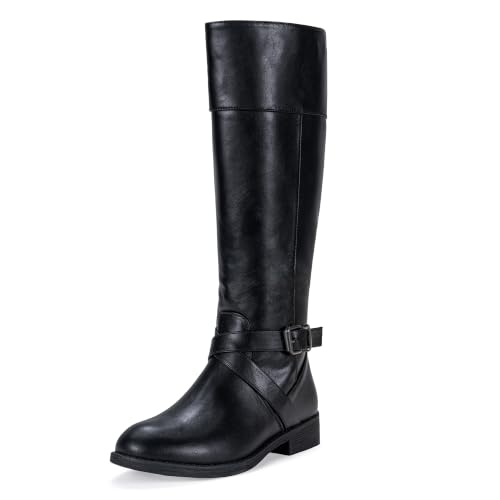
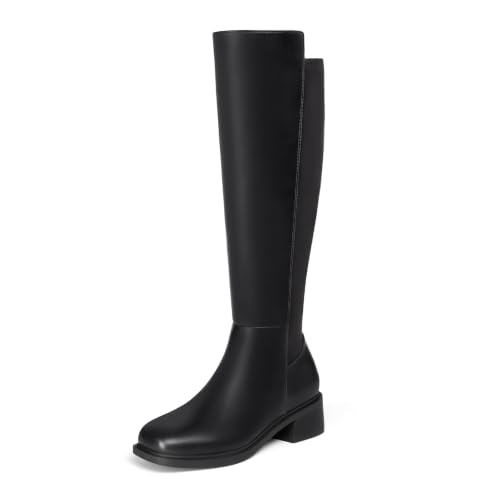


Boots 101: The Basics for Tall Ladies
A boot covers the foot and part of the leg, and that covered part is called the shaft. Ankle boots end near the ankle bone, and knee high boots end just below the knee. On a tall lady, the same listed shaft height sits lower, so a style sold as knee high may land well below your knee.
The opening at the top is the shaft circumference, and the layer under your foot is the outsole. For a general starting point, see our guide to the best ladies boots, then return to the tall specific checks below.
Who Should Buy Which Boots as a Tall Lady?
Your height alone does not pick the boot. Your leg length, foot size and daily routine decide which proportions will feel right.
Tall Ladies Whose Knees Sit Higher Than Average
You need a shaft planned for a longer leg, not a standard shaft worn lower by default. Look for taller options, often about 15 to 17 inches for a knee high fit, and check where that height lands against your floor to knee measurement. A shaft that ends at the widest part of your calf will rub.
Tall Ladies Who Wear Larger Shoe Sizes
You may shop around US 10 to 13, where some brands simply stretch a smaller pattern and leave the toe too short. Choose brands that grade the whole last for longer feet, with room in the toe box and a heel cup that still holds. Support should run under the full arch, not stop short.
Tall Ladies Who Walk and Stand for Long Stretches
You take a longer stride, so each step rolls through more of the outsole and asks more of the cushioning. Choose firm arch support, a stable heel base and grip that holds on wet pavement. For long days, a lower and wider heel keeps your balance steadier.
Specs That Matter Most on a Taller Frame
Read each spec against your own measurements, not against a model photo. A number only helps once you know where it lands on you.
Shaft Height and Leg Proportion for Tall Ladies
Shaft height is measured from the top of the heel to the top of the opening. For tall ladies, this number decides the whole feel, since a short shaft can cut the calf at its widest point and a tall shaft can sit smoothly below the knee. Ankle styles run about 3 to 5 inches, mid calf styles about 8 to 11 inches, and knee high styles about 14 to 17 inches.
Calf Width and the Opening at the Top of the Boot
Shaft circumference tells you how much room the opening gives your calf. Many regular boots offer about 14 to 15 inches, while wide calf options offer about 16 to 18 inches. Tall ladies often carry their calf muscle higher, so measure at your true widest point while standing. Stretch panels can add ease, but the opening should close without pinching or gaping.
Fit, Sizing, and Toe Box for Longer Feet
Measure both feet in the afternoon, when feet are at their largest, and shop to the longer foot. Leave about a thumb width, roughly 0.4 to 0.5 inches, between your longest toe and the end of the boot, and check that toes can lie flat. Width matters as much as length, since a long but narrow toe box squeezes the forefoot. Try boots with your planned socks, and walk on a hard floor.
Arch Support, Cushioning, and Heel to Toe Drop
Arch support holds the middle of your foot so weight spreads instead of collapsing inward, and cushioning softens each landing. Heel to toe drop is the height difference between heel and forefoot, and many everyday boots sit around 8 to 12 mm. When you compare the best boots for tall ladies, treat drop and support as a pair, since a longer stride can magnify a wobbly or flat footbed over a full day. Choose a removable footbed if you use inserts.
Outsole Grip, Stability, and Breathable Materials
The outsole meets the ground, and deeper lugs grip trails and snow while flatter rubber suits smooth city floors. Stability comes from a firm heel counter and a base that does not twist easily. A waterproof membrane such as Gore Tex can keep rain out while letting sweat vapor escape, and breathable linings help in mild weather. For cold seasons, see our guide to the best ladies winter boots, and for deep snow see our guide to the best ladies snow boots.
Durability and Expected Lifespan of Boots for Tall Ladies
A good everyday boot should serve through several seasons when the upper, stitching and outsole start sound. Full grain leather and strong synthetic uppers resist scuffs, and stitched soles can often be repaired, while glued soles cost less but give fewer repair options. Check the flex area over the toes, the heel seam and the zipper path before you buy.
How to Measure Your Legs and Feet for Boots
Sit with your feet flat, then measure the back of your leg from the floor to the crease behind your knee. That number is your ceiling for shaft height, and a knee high boot should end about an inch below it so the edge does not dig in when you sit. Wrap a soft tape around the widest part of each calf while standing, and record the larger result.
For styles built with extra shaft height, see our guide to the best tall boots and compare their listed heights with your ceiling number. Then trace each foot on paper in socks, measure from heel to longest toe, and compare both results with the brand size chart.
On your first wear at home, walk on clean floors for twenty minutes and sit with your knees bent. The shaft should stay smooth, the heel should lift only slightly, and no toe should press the front when you stop quickly.
Rookie Mistakes to Avoid
- Buying by shoe size alone and ignoring shaft height leaves a knee high style stranded at mid calf.
- Measuring your calf while seated in the morning gives a small result that feels tight by afternoon.
- Choosing a narrow toe box in a larger size squeezes longer toes and causes numbness on long walks.
- Picking a tall thin heel for daily wear makes a longer stride feel unsteady on wet ground.
- Forcing a tight shaft closed over thick jeans strains the zipper and can damage it in the first season.
Care and Maintenance for Boots Worn by Tall Ladies
Air dry wet boots at room temperature away from direct heat, and open the zipper or loosen the laces so air reaches the inside. Stuff tall shafts lightly with clean paper or use shaft shapers in storage, since a long shaft folds at the ankle if it slumps. That fold can become a crease that rubs your calf.
Brush dirt from the outsole and upper after wear, wipe leather with a damp cloth, and condition leather once it looks dry. Check heels, zippers and sole edges each month, and repair a worn heel tip early. Rotate pairs when you can, giving each pair a full day to dry.
Boots for Tall Ladies: Your Questions Answered
What makes boots for women different from boots for men?
Boots for women are usually built on a last with a narrower heel, a higher arch shape and a different calf placement than boots for men. Tall ladies should still check total length, since a womens boot in a large size is not always graded with enough toe room. Compare footbed length in inches rather than relying on a converted size label.
What features matter most in boots for tall ladies on long legs?
Shaft height matched to your floor to knee measure matters most in boots for tall ladies on long legs. Next comes calf room at your true widest point, followed by support under a longer arch. Also check the back seam, since a seam that ends mid calf can chafe during a long stride.
How often should tall ladies replace everyday boots?
Tall ladies should replace everyday boots when the tread is smooth, the footbed stays flat after rest, or the heel wears to one side. Those signs can appear sooner if you walk the same pair daily on pavement. Keep the purchase date, since that record makes the wear pattern easier to judge than memory alone.
How long is the break in period for new boots for tall ladies?
The break in period for new boots for tall ladies is often about one to two weeks of short wears for leather styles. Start with an hour indoors, then add time as the ankle and shaft soften to your leg shape. Watch the top edge, since a taller shaft may soften more slowly than the foot area.
How should boots fit tall ladies with longer feet?
Boots should fit tall ladies with longer feet snugly at the heel and midfoot, with clear space ahead of the toes. Your arch should meet the rise of the footbed near its center, not behind it, which can signal a size scaled without enough length. Test both feet while standing, since seated fitting hides forward slide.
Wrapping Up
Start with three checks. Measure from the floor to the crease behind your knee, measure your calf at its widest, and measure both feet in the afternoon. Then match shaft height, support and grip to your routine, and use the product table above to compare options that pass those checks.
When you judge best boots for tall ladies by your own proportions instead of a standard chart, the right pair feels clear to choose. Buy the simplest boot that fits well, and your first pair can serve through many seasons.


