
Best Boots for Small Calves Made Simple: A Clear Buying Guide for 2026
Disclosure: We may earn a commission when you buy through links on this page, at no extra cost to you. As an Amazon Associate I earn from qualifying purchases. Learn more

Learn how to choose the best boots for small calves with simple sizing tips, calf width guidance, and comfort features for your first confident purchase.
Shopping for boots is frustrating when standard shafts swallow your legs and leave a wide gap at the top. The best boots for small calves solve that problem with narrower shaft openings, closer ankle shaping, and closures that let you fine tune the fit. This guide starts with the basics, explains each key spec in plain English, and walks you through measuring so your first purchase feels right from day one.
Use the comparison table below to see calf circumference and shaft height side by side as you read. Those two numbers matter more for you than almost anything else, and learning to read them now will save you returns later.




Boots 101: The Basics for Slim Legs
A boot is more than a tall shoe. The foot portion holds your foot like a regular shoe, while the shaft rises up your ankle and calf. On standard boots that shaft is cut for an average calf, often around 14 to 16 inches around. If your calf measures closer to 12 to 13 inches, that extra room lets the shaft gape, slouch, and rub as you walk.
Boots made for slimmer calves reduce that extra room. Designers may narrow the shaft, taper it toward the ankle, add stretch panels or adjustable straps, or shape the top line so it sits closer to your leg. The goal is simple. The shaft should follow your leg without squeezing it, and the boot should stay upright instead of folding down around your ankle.
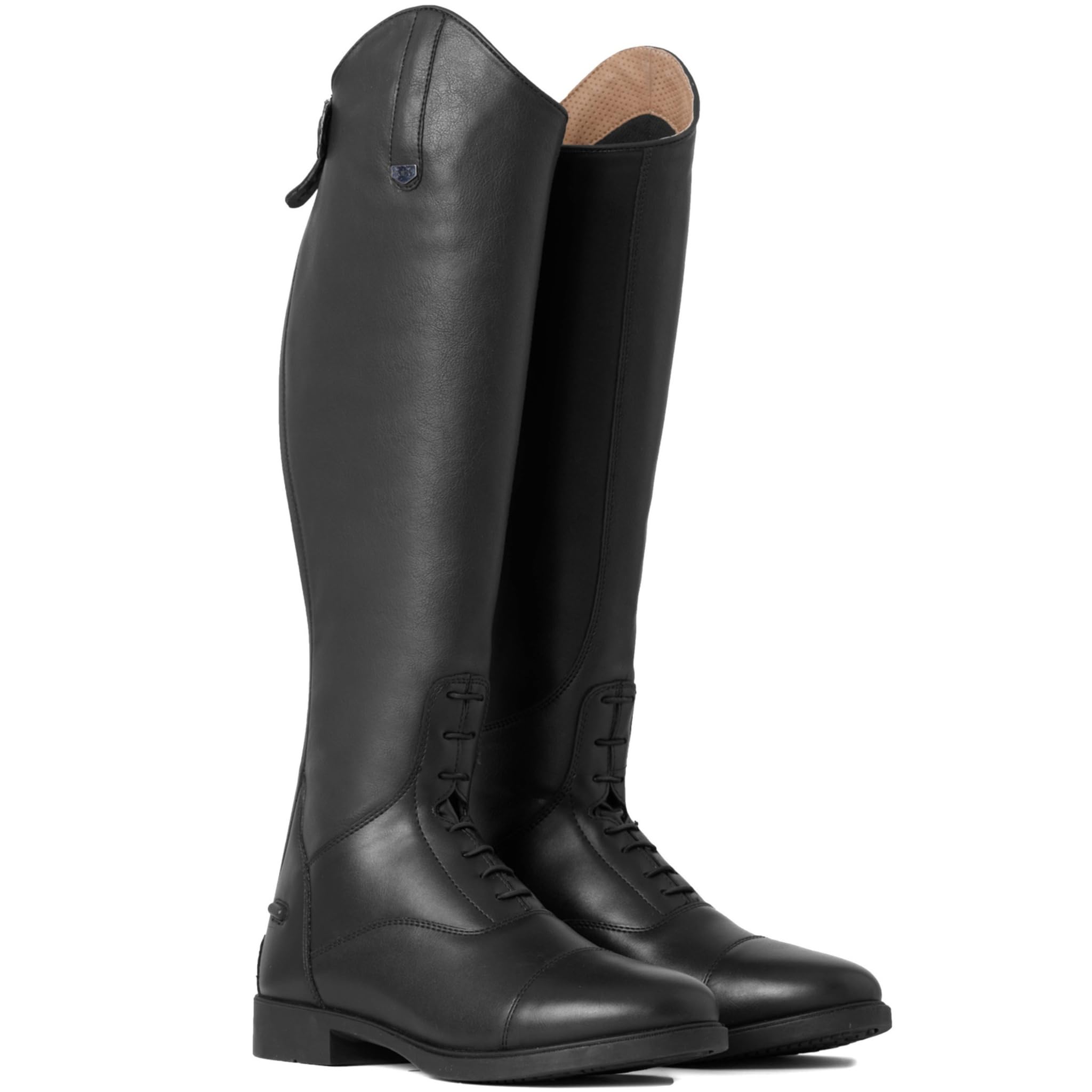
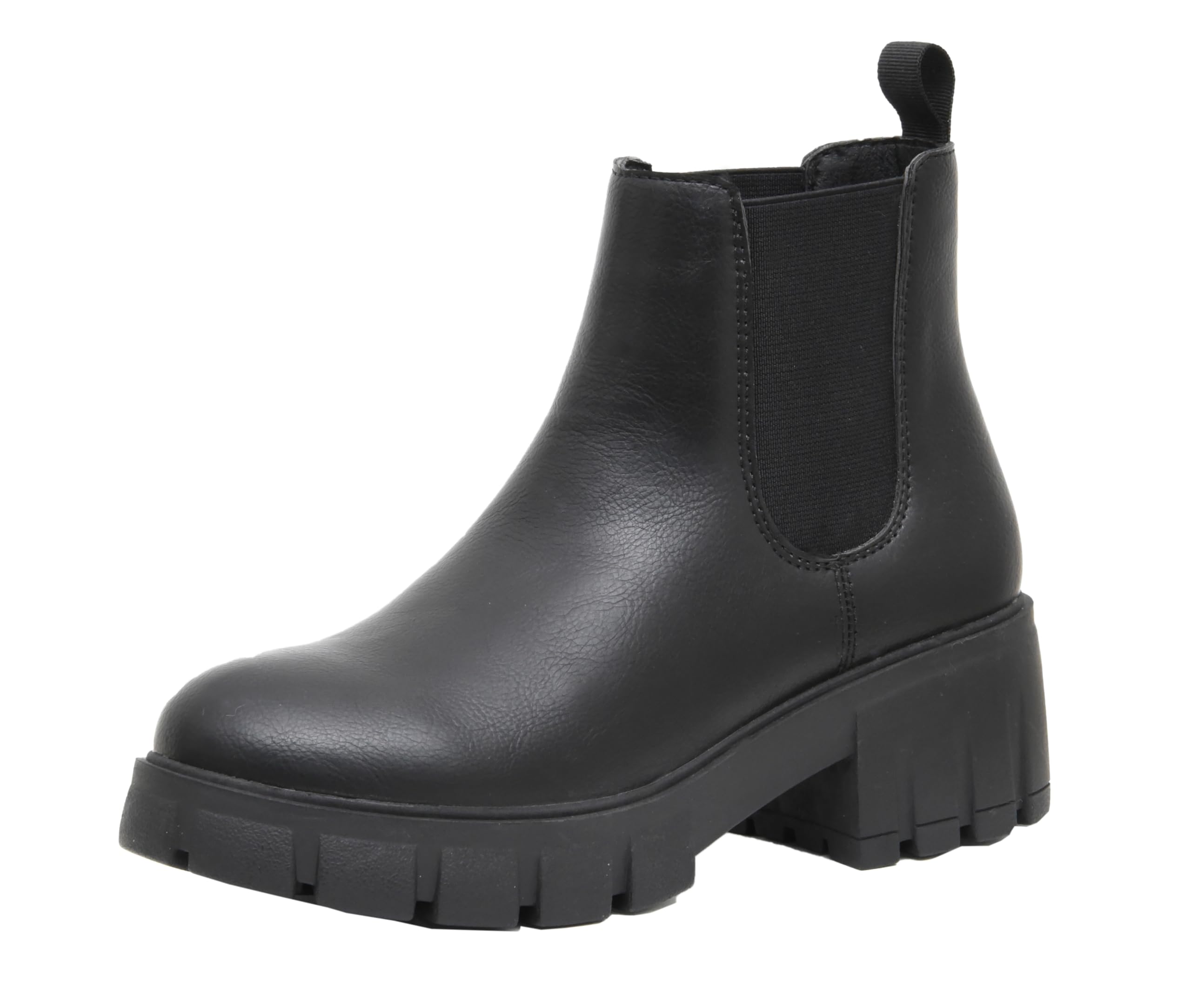
Shaft height changes the fit as much as circumference does. Ankle boots end below the calf and rarely cause gaping. Mid calf styles end right at the widest part of your calf, so their circumference matters most. Tall styles rise to just below the knee and can look elegant when the top hugs your leg. If tall shafts are your style, see our guide to the best tall boots for small calves for height specific advice.
A few terms appear on every product page. Calf circumference is the measurement around the shaft opening, and shaft height is measured up the back of the boot. The insole adds cushioning inside, and the outsole is the bottom layer that grips the ground.
Key Specs Explained in Plain English
The product table above lists the numbers that decide fit, so this section explains what each one means for a slim leg. Read it once before you shop and you will be able to scan listings in seconds. Focus first on circumference and closure style, then check comfort features like the toe box and cushioning.
Features That Matter for Small Calves
When you shop for the best boots for small calves, look first for a stated calf circumference of about 13.5 inches or less in your shoe size, because circumference often grows as foot size rises. Adjustable features help a lot. Laces, buckles with several holes, and elastic gore panels let you pull the shaft closer without altering the boot. A slightly tapered shaft also helps, since a straight tube of leather will stand away from a slim leg even when the top measurement looks right on paper. If you love heritage leather styles, see our guide to the best frye boots for small calves for brand specific fit notes.
Measuring for Size and Portability
Sit down with your foot flat on the floor and wrap a soft tape around the fullest part of your calf, keeping the tape level and snug but not tight. Measure both legs and shop for the larger number, since most people have one calf slightly bigger than the other. Also measure from the floor up to where you want the shaft to end, and compare that with the listed shaft height.
Weight matters if you will walk far or travel with your boots. Tall leather pairs can feel heavy in a suitcase, while shorter styles pack flat and weigh less. Tall pairs also need upright closet space, so measure your shelf area before ordering two pairs at once.
Fit, Sizing, and Toe Box
Measure your feet late in the afternoon, when they are at their largest after a day of standing and walking. Wear the socks you plan to use with the boots, because thick winter socks can change your shoe size by half a size. Your heel should stay seated when you walk, with only a small amount of lift, and your toes should never press against the front when you step downhill or bend your foot.
The toe box is the space around your toes, and it deserves attention even though calf fit brought you here. A roomy toe box lets your toes spread naturally, which improves balance and reduces rubbing on long days. A narrow, pointed toe box can look sleek but may crowd wider feet. If you are between sizes, choose based on foot length first, because you can add an insole for volume but you cannot add length.
Weight and Flexibility
Light boots feel easy all day, while heavy boots usually offer thicker leather, sturdier soles, and more protection in rough weather. Neither choice is wrong. Match the weight to your plans. Commuting and office wear reward lighter pairs you can forget about, while outdoor work and winter streets justify a sturdier build. Flexibility matters too. A shaft with some give at the ankle lets the boot move with your leg as you climb stairs, drive, or crouch, instead of digging into your shin.
New leather boots often feel stiff at first, and that is normal. A sole that bends at the ball of the foot, where your own foot bends, will feel natural sooner than one that stays board stiff across the whole length.
Cushioning and Support
Cushioning softens each step, and support keeps your foot in a stable position inside the boot. If your feet tire quickly or you stand on hard floors, look for a padded insole and decent arch support that matches the shape of your arch. Flat feet often feel better with firmer support, while high arches often prefer more cushioning under the heel and forefoot.
Stability comes from a firm heel counter, a sole that does not twist easily, and a heel height you can balance on comfortably. Heel to toe drop is the difference in height between the heel and the front of the sole. A lower drop feels flatter and suits all day walking, while a higher drop shifts weight toward your toes and changes how the shaft sits against your calf. Start low if you are unsure, since most first time buyers adapt to it easily.
Rookie Mistakes to Avoid
First time buyers tend to make the same handful of errors, and almost all of them are easy to dodge once you know they exist. Read this list before you order, not after the box arrives.
- Buying by shoe size alone and never checking calf circumference, so the foot fits while the shaft gaps and slouches all day.
- Measuring your calf over bare skin in the morning, then finding the boots too tight over jeans or with afternoon swelling.
- Choosing the tallest shaft for looks without checking shaft height, so the top edge hits the back of your knee when you sit.
- Assuming a stretch panel will fix a shaft that is two inches too wide, when elastic only takes up a small amount of room.
- Wearing brand new boots on a long trip right away, so stiff leather and an untested fit turn into blisters by midday.
- Ordering pointed toes in your usual size without checking the toe box, so your feet ache even though the calf fit is perfect.
Getting Started: Setup and First Use
When your boots arrive, try them indoors on clean floors first so the soles stay returnable if the size is wrong. Wear your usual socks, stand up fully, and walk around your home for at least fifteen minutes. Sit down, cross your legs, and climb a few stairs. The shaft should not dig in when you sit, and your heel should not clunk up and down as you walk.
Check the calf fit in a mirror from the side and the back. A small finger width of room at the top is normal and lets you tuck in leggings or skinny jeans. A gap you can fit several fingers into means the shaft will move as you walk, which causes rubbing and a sloppy look. Decide honestly, because fit rarely improves enough to rescue a shaft that starts out far too wide.
Break new boots in gradually. Wear them for an hour or two around the house, then for short errands, before trusting them for a full day. Leather softens and shapes itself to your ankle during these early wears. If a spot rubs, thicker socks or a small adhesive pad on your heel usually solves it while the leather relaxes.
After wet weather, let boots air dry away from direct heat, since radiators can crack leather and warp soles. Stuff the shafts with newspaper while they dry so slim shafts keep their shape.
FAQs
What features matter most in boots for small calves?
Calf circumference and closure style matter most in boots for small calves. Start with a stated circumference near your own measurement, then favor laces, buckles, or stretch panels that let you adjust the top. One extra tip is to search buyer reviews for the word calf, because buyers who share their own calf measurement reveal gaping that spec sheets hide.
Can I wear boots for small calves all day?
Yes, you can wear boots for small calves all day once they are broken in and the cushioning suits your feet. Build up wear time over the first week instead of starting with a ten hour day. Rotating between two pairs on workdays also helps, because foam insoles recover their bounce when given a day of rest between wears.
How often should I replace boots for small calves?
Replace boots for small calves when the outsole tread wears smooth, the heel wears unevenly, or the shaft stretches out and no longer stays up. There is no fixed calendar date, because a pair worn twice a week lasts far longer than a daily pair. A crushed heel counter that lets your foot roll sideways is another clear sign the structure is done, even if the leather still looks fine.
How long is the break in period for boots for small calves?
The break in period for boots for small calves usually lasts about one to two weeks of regular short wears. Soft suede and fabric styles may feel good within a day or two, while thick leather takes longer to shape to your ankle. Wearing your boots during light chores speeds the process, because gentle movement flexes the leather without the friction of long walks. Never soak leather boots in water to rush this stage, as that can stain the material.
Do I need waterproof boots for small calves?
You need waterproof boots for small calves only if you regularly walk in rain, slush, or wet grass. A waterproof membrane such as Gore Tex keeps water out, and sealed seams matter as much as the membrane itself. If your winters are mostly dry, regular leather with a protective spray is often enough. Note that waterproof linings can make a slim shaft feel slightly snugger, so allow a little extra room if you choose them.
Are expensive boots for small calves worth it?
Expensive boots for small calves are worth it when the higher price buys real leather, a resoleable sole, and a truly narrow shaft rather than just a brand name. Many good first pairs sit around $90 to $200, while premium leather pairs cost more but can be resoled and worn for years. Budget pairs make sense for testing a style you are unsure about. Spend first on fit, because an expensive boot with a gaping shaft is still the wrong boot for your legs.
The Bottom Line
Start with your calf measurement, then match circumference and shaft height before you fall for a color or a heel shape. Add adjustable closures, a toe box that suits your feet, and cushioning matched to your day, and you have the formula that makes the best boots for small calves feel made for you. Compare your shortlist in the product table above, order the pair that matches your numbers, and give it a fair indoor trial before deciding.


