
Best Boots for Pregnant Women in 2026: Which One Fits the Way You Use It?
Disclosure: We may earn a commission when you buy through links on this page, at no extra cost to you. As an Amazon Associate I earn from qualifying purchases. Learn more

Compare the best boots for pregnant women by fit for swelling, traction, support and easy entry, with sizing and care tips for comfort all day.
Your feet do a different job during pregnancy. Ligaments soften and many feet swell by late afternoon, so a boot that felt fine in the morning can pinch by evening. The best boots for pregnant women give swelling room, steady grip and support without making you bend or tug to get them on. Use the comparison table below to match each style to the way you walk, work and travel.
There is no single style that suits every pregnancy. A short waterproof ankle boot may serve a commuter best, while a taller insulated boot suits someone who walks a dog on icy paths. Read the sections below by your trimester, your daily steps and your weather.

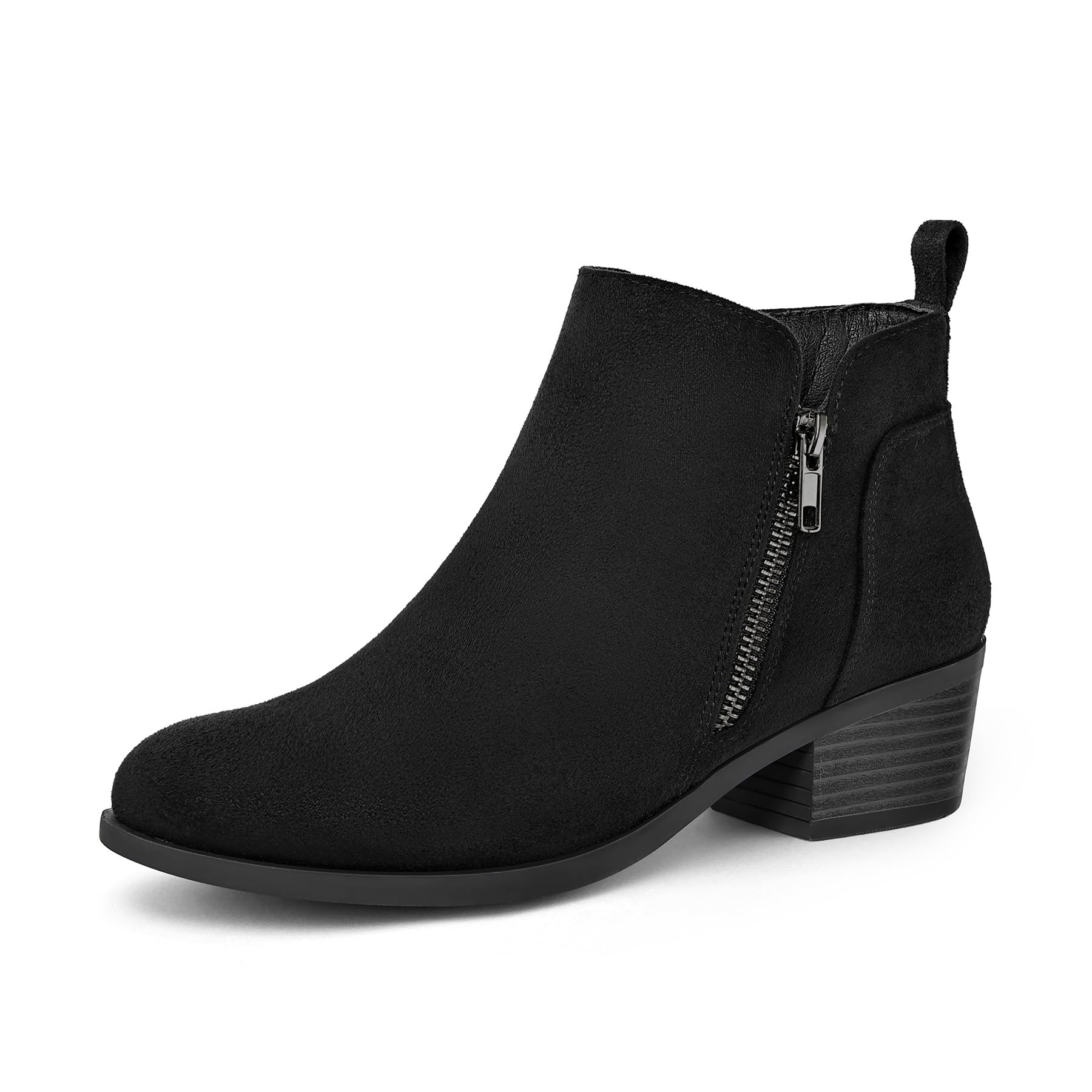
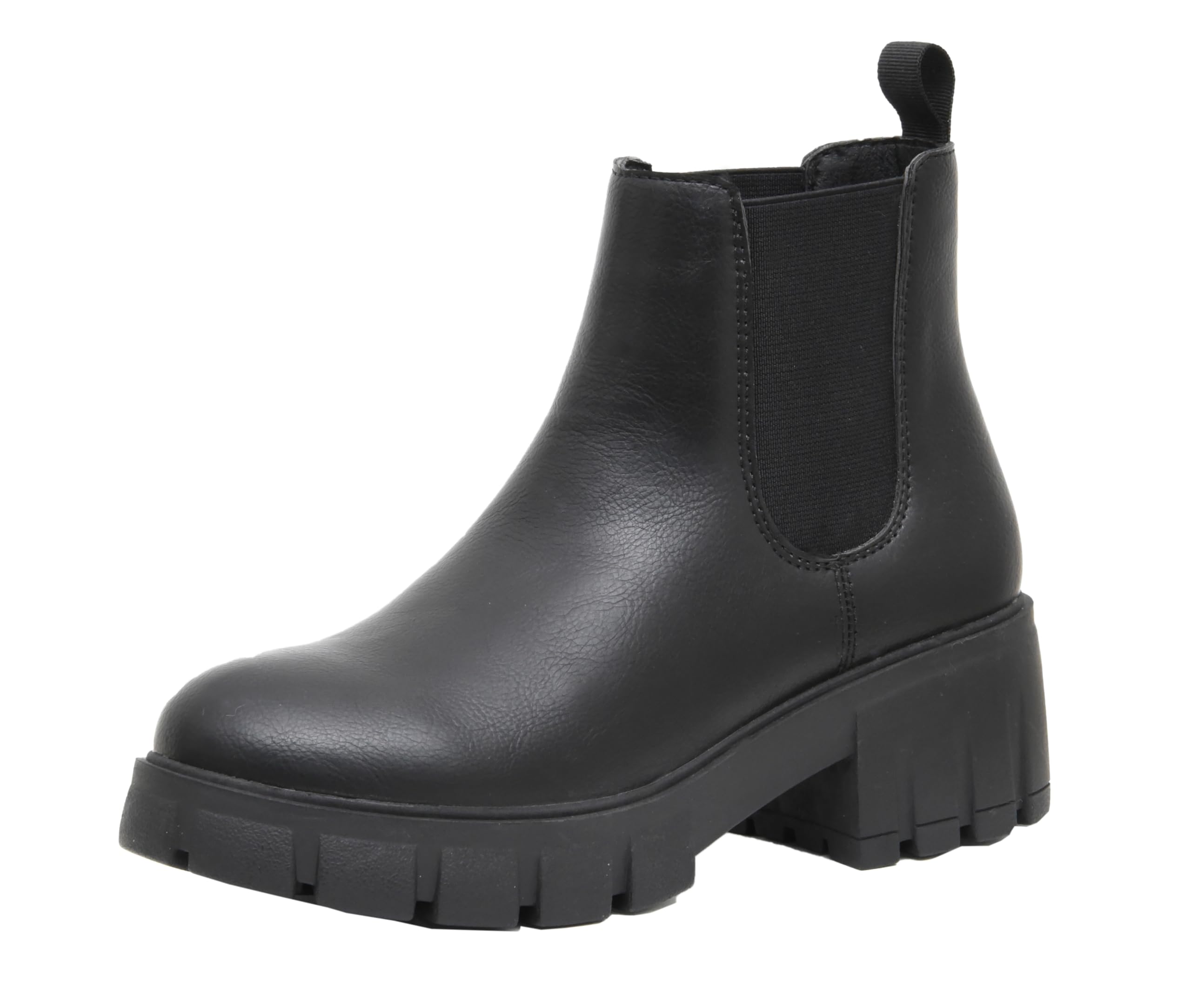
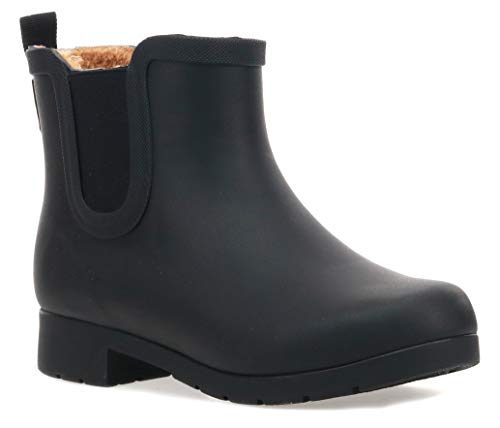


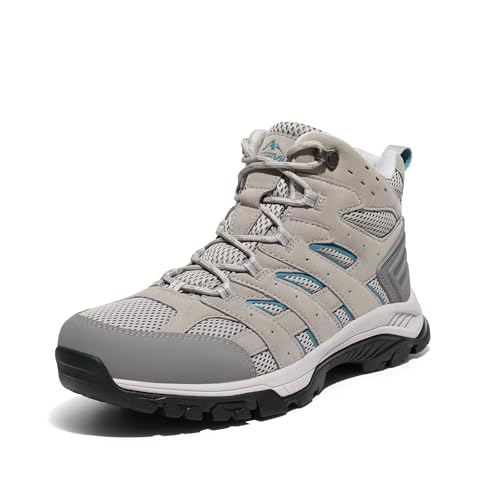
Who Should Buy Which Boots During Pregnancy?
Start with the change that affects you most right now. Swelling, balance and tired arches do not arrive on the same schedule for everyone, and your boot should answer the need you feel daily.
Women With Swollen Feet in Later Pregnancy
Choose a boot with a wide opening, adjustable laces or a side zip, and room to loosen the fit as the day goes on. A rounded toe shape helps when feet spread under load. Many women go up about half a size during pregnancy, and some keep that larger size after birth, so leave space rather than counting on the upper to stretch.
Women Who Walk or Stand Through the Workday
Prioritize cushioning under the heel and forefoot, plus firm support through the arch, because long hours on hard floors tire softened ligaments quickly. A lighter boot reduces leg fatigue by the final hours of a shift. When you sit to rest, a supportive seat helps your back recover, so see our guide to the best chairs for pregnant women for options that suit longer rests.
Women Who Worry About Balance and Slipping
Look for a low broad heel, a firm heel counter and an outsole that grips on wet pavement and loose gravel. Ankle height that covers the ankle bone adds steadiness on uneven ground, though it cannot prevent a fall. Try a new pair indoors first, and return any boot that lets your heel lift and rub with each step.
Key Features to Compare
Compare these factors in order, because fit for swelling and safe footing matter more during pregnancy than color or trim. When you compare best boots for pregnant women side by side, check adjustability first.
Adjustable Fit for Feet That Change Size
Feet often swell as the day warms and as pregnancy advances, so look for long lacing, elastic side panels or a side zip that lets you change tension in small steps. Try boots late in the day and walk for several minutes in the store. Sudden swelling of the feet, hands or face, or swelling in only one leg, needs prompt medical care rather than a larger boot. Talk with your clinician about personal needs and about any pain, numbness or redness that does not ease.
How Cushioning and a Low Drop Ease Aching Arches
Softened ligaments let the arch flatten more under load, so a cushioned insole with real arch support can reduce end of day ache. A low heel to toe drop of about 4 to 8 mm keeps your weight more evenly spread and asks less of your calves than a tall heel does. If you usually wear neutral shoes, choose neutral cushioning with a firm base rather than soft foam that collapses inward. Removable insoles help if your clinician suggests a different insert.
Toe Box and Sizing for Spreading Feet
A wide toe box lets toes lie flat and spread for balance instead of pressing against each other or the upper. Allow about a thumb width of space in front of your longest toe while standing, because feet lengthen slightly under your full weight. Measure both feet and fit the larger one, since one foot often swells more than the other. If you sit between sizes, choose the larger one and adjust volume with thicker socks.
Outsole Traction and Stability
The outsole is your contact with wet leaves, icy patches and smooth store floors, so look for rubber with lugs about 3 to 5 mm deep for outdoor paths and a wide flat contact area for pavement. Deep lugs grip mud but can feel clumsy indoors, while shallow tread slips sooner on trails. A firm heel counter and a sole that resists twisting side to side add stability as your center of gravity shifts forward.
Easy Entry Without Bending or Pulling
Late in pregnancy, reaching your feet takes effort, so a side zip, large pull tab or elastic panel can decide whether a boot gets worn at all. Test entry while seated with one foot raised on a low step, the way you will dress at home. The opening should admit a swollen ankle without force, and the closure should hold the heel down once closed. Check that hands free styles still stay snug enough for longer walks.
Weight, Breathability and Weather Protection
Lightweight shoes feel easier on tired legs, and boots for pregnancy generally feel best under about 1.5 pounds per boot. Breathable mesh panels suit warm climates and indoor work, while a waterproof membrane such as Gore Tex suits rain and snow but holds more heat. Add insulation only if your walks are long in cold air, because warm feet swell more indoors.
Boot Styles Compared for Pregnancy Use
Ankle boots are the most versatile choice for most pregnancies. They weigh less and pair with the elastic closures that help swollen ankles. Chelsea style boots slip on quickly, though they offer less adjustment than lace up styles. Rain boots protect in wet weather, but tall stiff shafts can press on calves that swell.
Tall boots give more coverage for snow and cold wind, yet they need a wide calf opening and a zip that runs low enough for easy entry. Hiking style boots add deeper tread for trails, at the cost of extra weight. For warm days when full boots feel too hot, see our guide to the best sandals for pregnant women, which covers open footwear with support for the same stage of pregnancy.
Indoor hours matter too, so see our guide to the best slippers for pregnant women if your feet ache most at home on hard floors. A cushioned slipper with a closed heel can feel steadier than bare feet on tile for cooking and laundry tasks.
Common Mistakes to Avoid
Each mistake below costs comfort or safety, and most are easy to avoid before you buy.
- Buying boots in the morning in your usual size from before pregnancy leaves toes cramped when feet swell by evening.
- Choosing a tall narrow heel shifts weight forward and makes balance harder as your center of gravity changes.
- Picking smooth soles for winter paths raises your slip risk on wet or icy ground.
- Forcing a tight boot and waiting for it to stretch can cause blisters, numb toes and sore toenails.
- Ignoring entry design means a boot you cannot put on without help will sit unused late in pregnancy.
- Spending more for heavy insulation you rarely need adds heat and swelling on ordinary mild days.
Simple Care Habits That Keep Your Boots Going Longer
Air dry wet boots at room temperature away from direct heat, because heat can crack leather and weaken glue. Remove the insoles and open zips fully so air reaches the inside. Stuff damp boots loosely with plain paper to draw out moisture, and replace the paper once if the boots are soaked.
Brush dried mud from the outsole and upper after walks, and wipe salt marks with a damp cloth so the material does not dry out and split. Store boots upright in a dry place, and rotate two pairs if you walk daily. Retire a pair whose tread has worn smooth.
Frequently Asked Questions
What features matter most in boots for pregnant women?
Traction, adjustable fit and a low stable heel matter most in boots for pregnant women. One point many buyers miss is sole flexibility at the forefoot, since a sole that bends where your toes bend makes each step feel less tiring. Put easy entry next, then cushioning, then weather protection for your climate.
How should boots for pregnant women fit at the heel?
Boots for pregnant women should hold the heel firmly while the toes stay free. A small amount of heel movement, about a few millimeters, is normal in a stiff new boot, but repeated lifting that raises a blister is not. Wear the boot on stairs during your trial, because heel slip shows up fastest when you climb.
Can I wear boots for pregnant women all day?
Yes, you can wear boots for pregnant women all day if the fit stays comfortable and you sit and elevate your feet during breaks. Change into a fresh pair of socks at midday if your feet feel hot, because dry socks reduce friction and odor. If one spot throbs and does not settle after you loosen the laces, take the boots off and rest.
Are expensive boots for pregnant women worth the extra cost?
Expensive boots for pregnant women are worth it only when the price buys better rubber, stronger stitching or a sole you can resole and use beyond one season. Cost alone does not improve fit, and a costly boot in the wrong width still hurts. Many buyers do better with a solid mid priced pair now and a second purchase later, once they know their lasting size.
How long is the break in period for new pregnancy boots?
The break in period for new pregnancy boots is usually about one to two weeks of short walks. Start with indoor wear and brief errands, then add distance once no hot spots appear. Leather uppers soften more than synthetic ones, so they may need the full period. Never plan a long trip as the first full day in a new pair.
Wrapping Up
Match the boot to your biggest daily need first, whether that is room for swelling, grip on wet ground or entry you can manage without bending. Then check toe space in the afternoon before you commit. Use the product table above to compare weight, closure and tread side by side.
Chosen with those checks, the best boots for pregnant women will support your routine instead of fighting it. Buy for the feet and balance you have now, keep the fit adjustable, and your boots can stay comfortable through the months ahead.


