
Best Boots for Older Ladies for 2026: Which Pair Fits the Way You Use It?
Disclosure: We may earn a commission when you buy through links on this page, at no extra cost to you. As an Amazon Associate I earn from qualifying purchases. Learn more

Find boots for older ladies with easy entry, a roomy toe box, steady grip and gentle support, plus fit checks and care tips for daily walks and errands.
There is no single boot that suits every woman, every foot and every season. The best boots for older ladies are the pair that match how you actually spend your day, whether that means morning walks, garden time or errands on wet pavement. Use the comparison table below to match each style to your routine before you look at price.
Feet often change with age. Arches can lower, toes can spread, joints can stiffen and skin can grow thinner and more sensitive to rubbing. This guide puts easy entry, room for your toes, steady grip and gentle support ahead of looks alone.
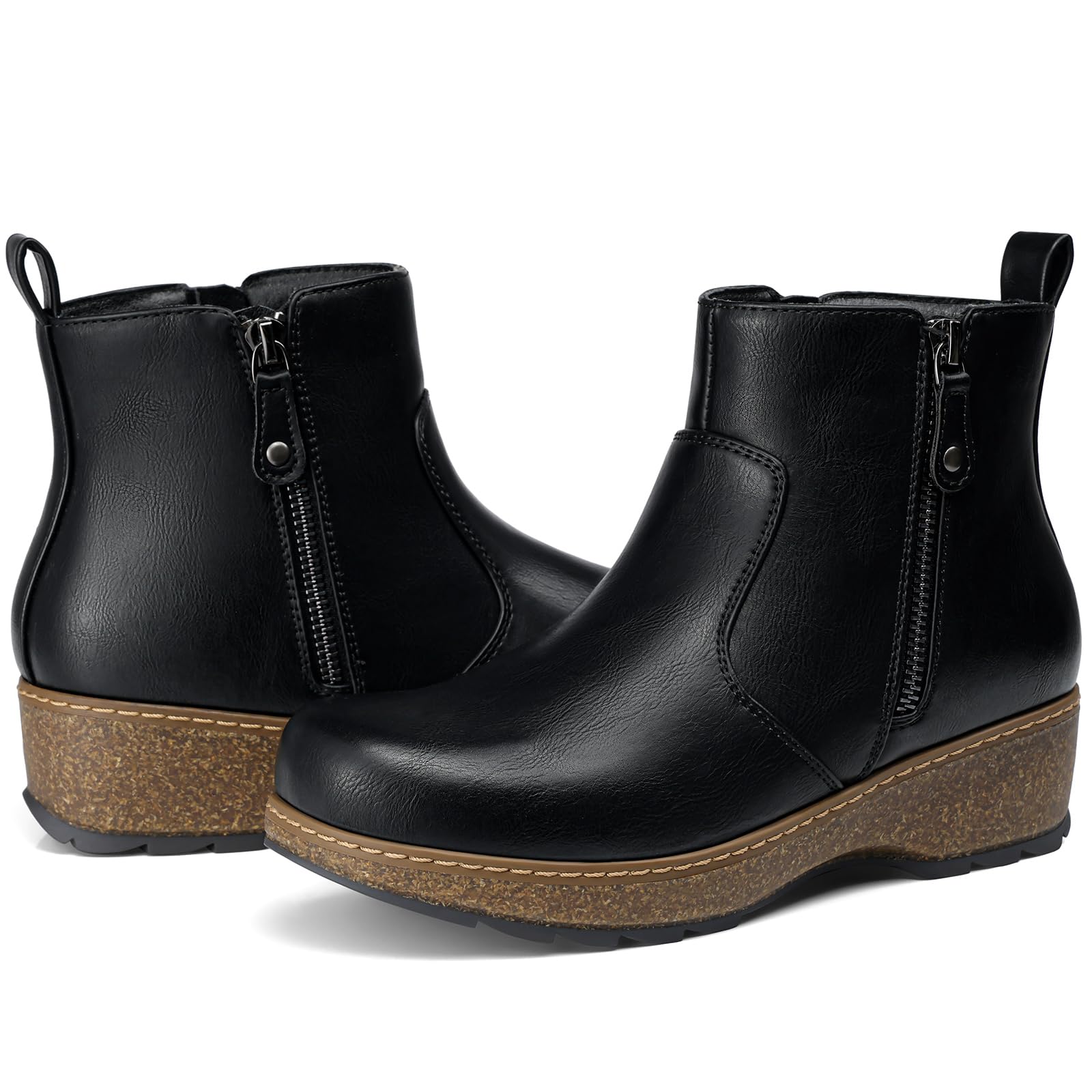

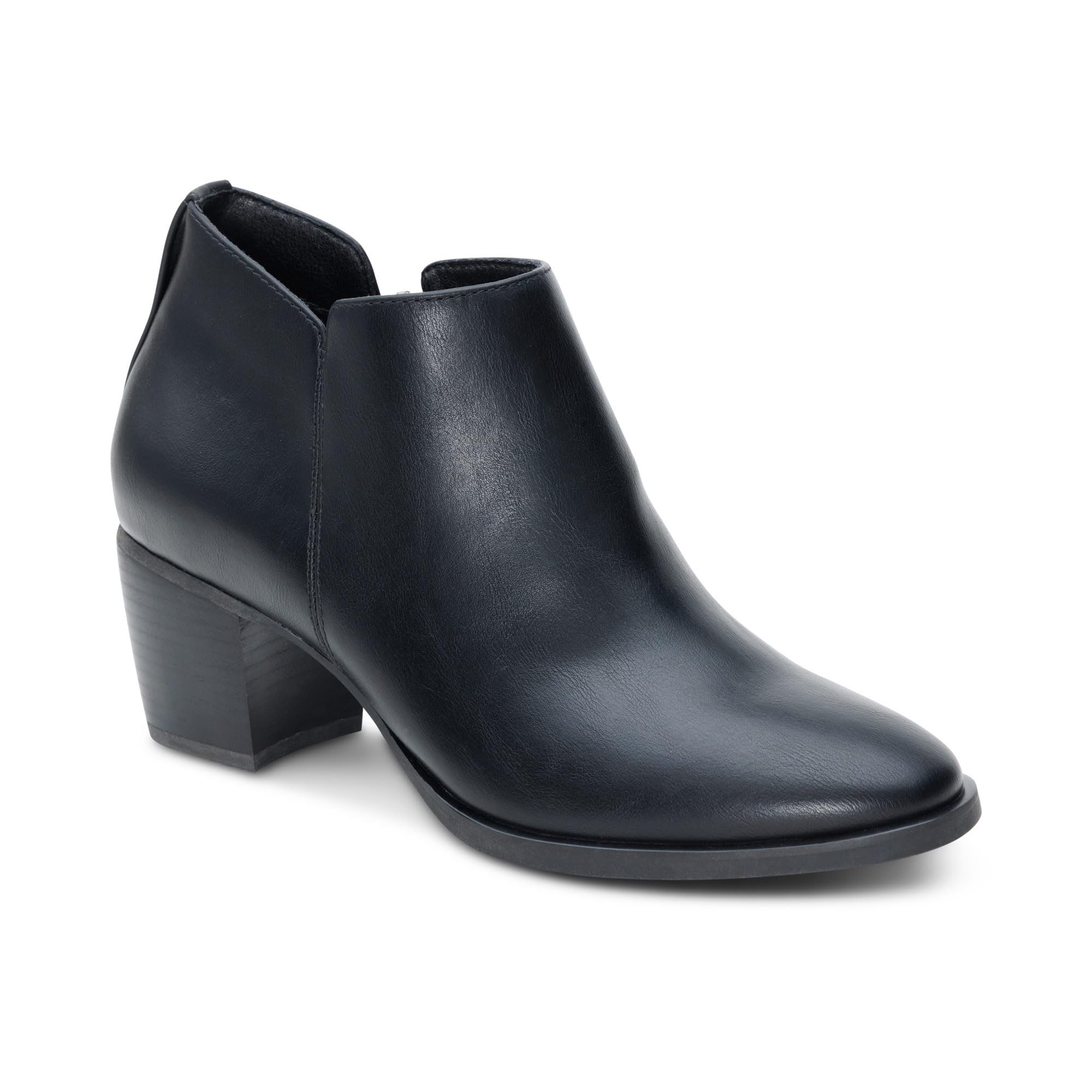
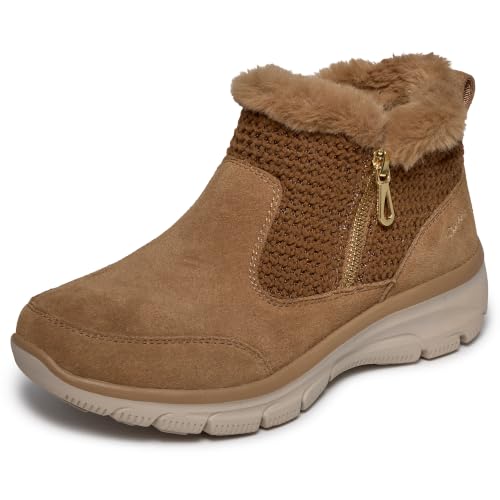

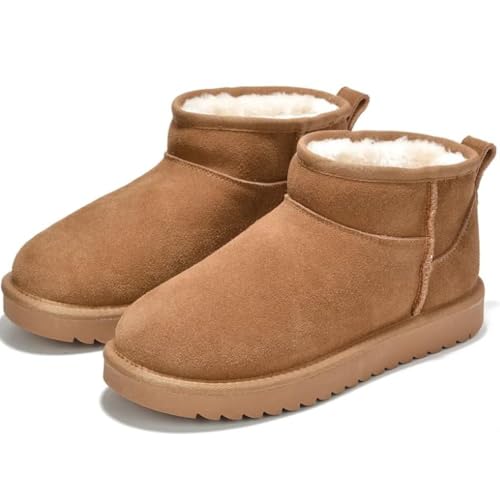
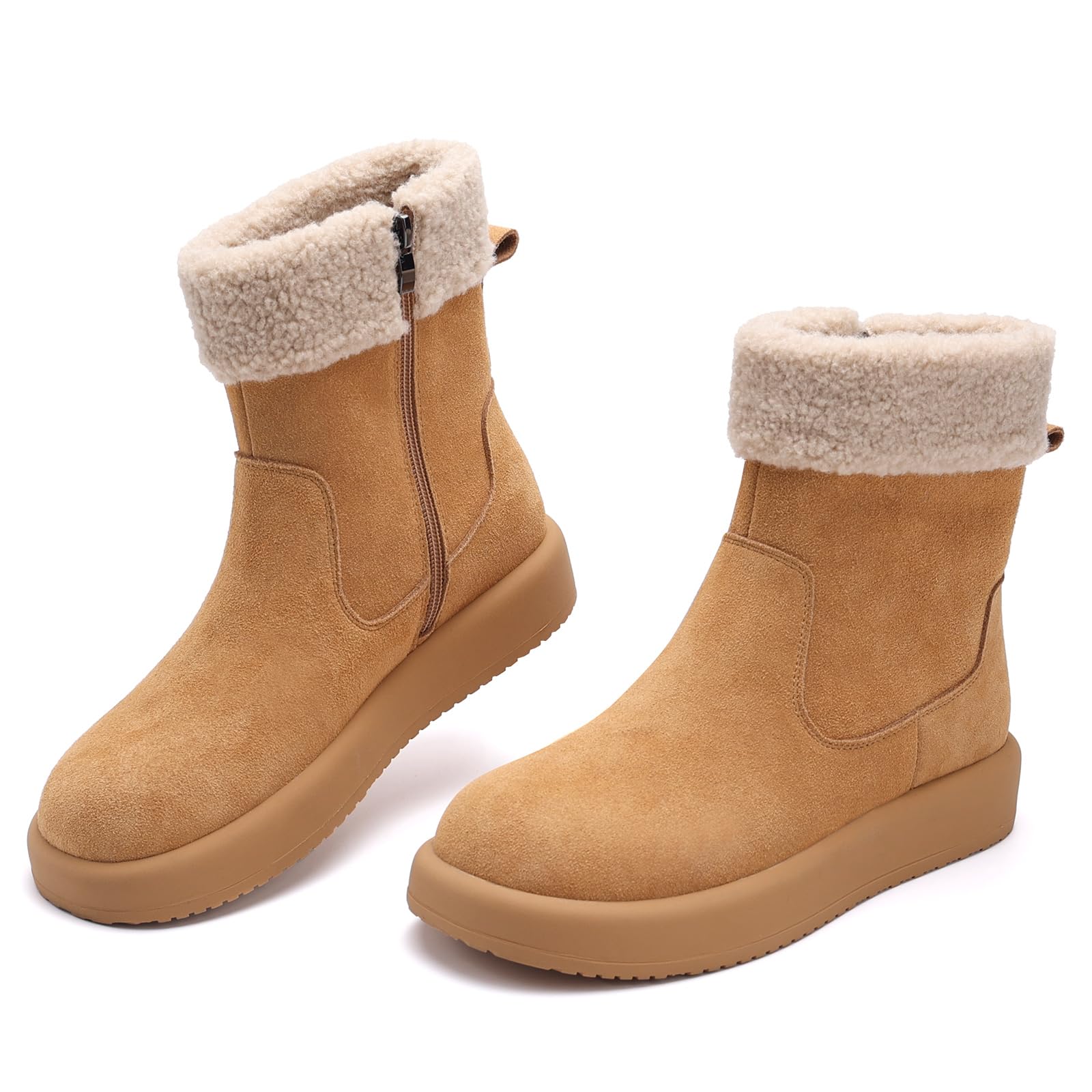
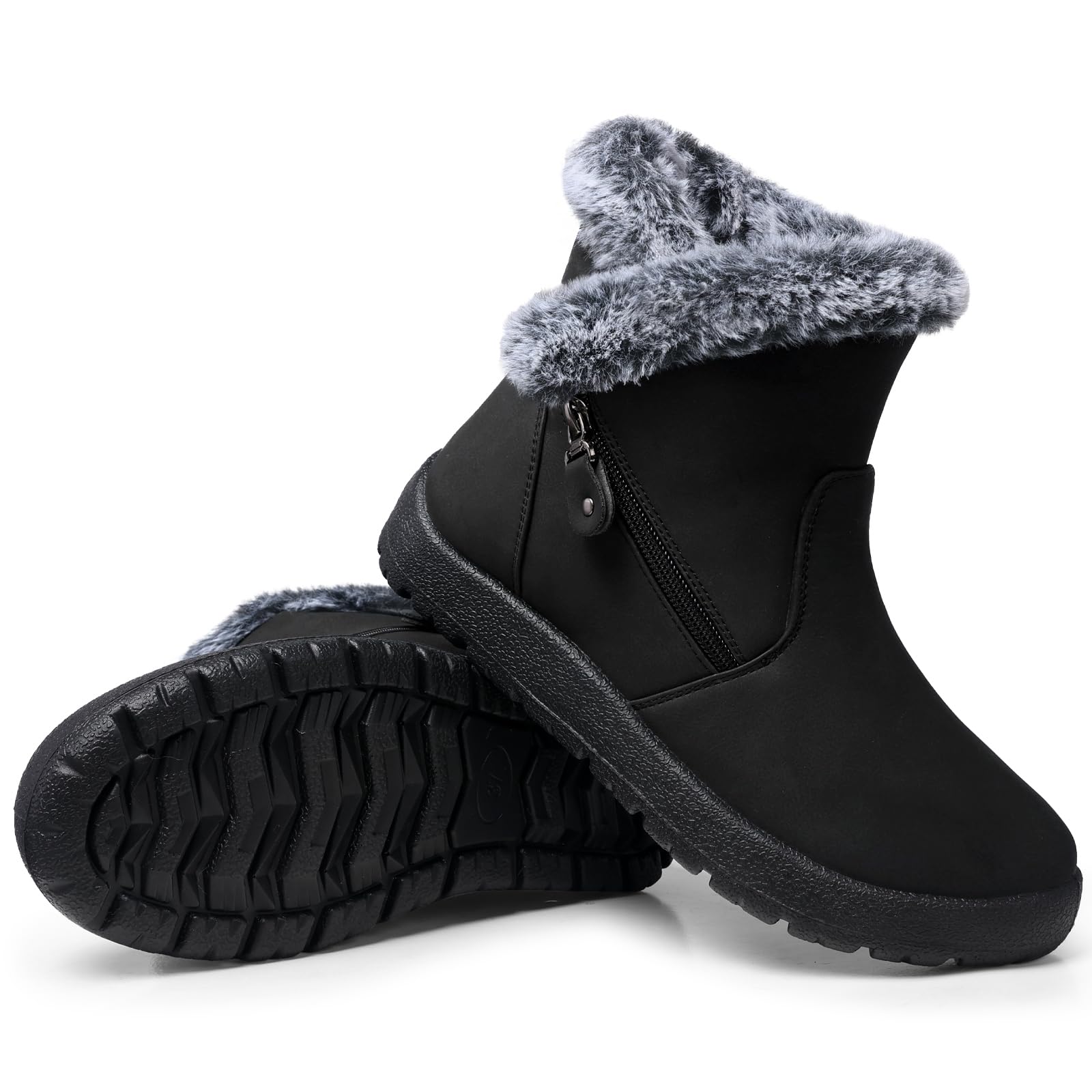
Who Should Buy Which Boots for Older Ladies?
Start with the group below that sounds most like you, because each group points to a different boot shape.
Daily Walkers Who Want Steady Steps on Pavement
You walk most days, mostly on sidewalks and park paths. Choose a light ankle boot with a cushioned sole, a firm heel counter and a low, broad heel that feels planted at each step. On mild, dry days when boots feel like too much, see our guide to the best walking shoes for older ladies for a lighter option.
Women With Sore Joints, Bunions or Feet That Swell
Your feet may ache by afternoon, widen across the toes or swell as the day goes on. Look for a wide toe box, soft lining with few seams over sore spots, and padding that spreads pressure instead of squeezing. Adjustable laces over a zip let you loosen the fit by evening. See a doctor promptly for new numbness, a sore that does not heal, sudden swelling in one foot or pain that changes how you walk, and talk with your clinician about your personal needs before you rely on any boot for support.
Cold Weather Walkers Who Face Wet and Slippery Ground
You still go out when rain, slush or early frost makes paths slick. You need deeper tread, a waterproof upper and insulation that keeps feet warm without heavy bulk. For the coldest months and regular snow, see our guide to the best winter boots for older ladies, which covers heavier insulation and taller shafts.
Key Features to Compare
As you compare the best boots for older ladies side by side, work through the five checks below. Fit and entry come first, because comfort features cannot fix a boot you struggle to put on or a shape that crowds your toes.
Easy Entry With Zips, Loops and a Wide Opening
Entry matters more with age, because stiff hips, sore knees or a tender back can make long lacing a daily chore. A side zip lets you set the laces once for your ideal snugness, then open and close the boot in seconds. Pull loops at the heel help when finger grip is weak, and elastic side panels stretch as you slide your foot in. Check that the zip runs smoothly and the opening fits thicker socks, because a narrow throat can scrape your ankle bone.
Toe Box Room and Fit for Changing Feet
Your toes should lie flat and wiggle freely, with about a thumb width of space past your longest toe when you stand. A rounded, taller toe box gives bunions and hammer toes room without pressing the tops of your toes. Measure both feet late in the day, when swelling is at its peak, and fit the larger foot. Sizes vary between brands, so trust your measurements in inches over an old size number.
Soft Cushioning and Gentle Support for Aging Feet
Cushioning softens each landing, while arch support spreads your weight so the ball of your foot and heel do not take every step alone. A modest heel to toe drop, the height gap between heel and forefoot, of about 8 to 12 mm suits many walkers. A neutral platform works for steady feet, while a stability design with a firmer inner edge helps if your ankles roll inward as you tire.
Stability, Heel Counter and Ankle Support
Stability starts at the heel. A firm heel counter cups the back of your foot and limits side to side wobble on uneven ground, and a sole that resists twisting keeps your stride steady on gravel. A mid cut shaft braces the ankle on rough paths, while a low cut ankle boot feels lighter and bends more easily for driving and stairs. Choose the height that matches your roughest regular route, not a mountain trip.
Outsole Grip, Weight and Water Protection
The outsole is your contact with the ground, so look for rubber with lugs about 3 to 5 mm deep and space between them for wet leaves and light mud. Boots around 1 to 1.5 pounds each tire your legs less on long outings. Waterproof membranes such as Gore Tex keep rain out, while breathable linings let heat escape in milder weather. On hot days when even breathable boots feel heavy, see our guide to the best sandals for older ladies for open air options with support.
How to Check Boot Fit for Older Ladies at Home
Try new boots at home in the afternoon, on carpet, with the socks you plan to wear outdoors. Stand, walk the hallway and climb a few stairs. Your heel should lift only slightly, your toes should never press the front when you step down from a stair, and no seam should rub the same spot twice. Keep the tags on until you have worn the pair indoors for an hour or two.
Press your thumb across the widest part of the boot while you wear it. The upper should give a little over your toes without a sharp fold digging in. Sit and flex each ankle, then stand from a low chair to feel whether the shaft digs into your calf. For indoor hours after your walk, see our guide to the best slippers for older ladies, because supportive indoor footwear keeps feet from aching on hard floors between outings.
Common Mistakes to Avoid
Most returns trace back to a short list of avoidable errors.
- Buying your old shoe size without measuring again leaves no room for toes that have spread or arches that have lowered.
- Choosing fashion heels or narrow pointed toes crowds sore joints and makes each step less steady on wet ground.
- Testing boots in the morning with thin socks gives a false fit that turns tight once your feet swell by evening.
- Ignoring the outsole and buying smooth soles raises your chance of a slide on wet leaves, tile or painted crosswalks.
- Keeping boots that rub and hoping time will fix them often leads to blisters and outings cut short.
Simple Care That Keeps Your Boots Going
Loosen laces and open zips fully after each outing so damp air can escape, and let wet boots air dry at room temperature away from radiators and direct heat, which can crack leather and weaken glue. Brush off dried mud before it grinds into seams, and wipe salt marks from winter walks with a damp cloth. Store boots upright with soft cloth inside the shaft so the ankle keeps its shape.
Rotate two pairs if you walk daily, because foam cushioning needs about a day to recover its spring. Replace worn insoles when the padding feels thin under your heel, and check the outsole tread each season. When the lugs wear smooth at the heel or ball of the foot, grip falls even if the upper still looks fine.
Questions About Boots for Older Ladies
How long is the break in period for boots for older ladies?
Most soft leather or fabric boots for older ladies feel comfortable within about three to five short outings. Start with walks of 20 to 30 minutes near home, then add distance once no hot spots appear. Stiffer waterproof styles can take a week or two longer. A boot that still pinches after this period is the wrong shape for your foot.
Can boots for older ladies work with custom orthotics?
Yes, many boots for older ladies work with custom orthotics if the insole removes to make room. Take your orthotics when you shop and place them inside before you judge the fit, because they lift your foot higher and can make a shallow toe box feel tight. Boots with a deeper heel cup hold an orthotic steady, and a wide fitting gives the extra volume many inserts need.
Are taller boots for older ladies always safer for weak ankles?
No, taller boots for older ladies are not always safer for weak ankles. A tall, stiff shaft can brace the ankle on rough ground, but it can also feel clumsy on stairs and while driving. Many women do better with a mid cut boot, a firm heel counter and strength work for the ankle itself. If falls are a worry, ask a physical therapist which height suits your balance.
How much should boots for older ladies cost for daily walking?
Boots for older ladies for daily walking often cost about $80 to $160. Lower prices can suit light use on dry pavement, while higher prices usually buy stronger rubber outsoles, better waterproof membranes and replaceable insoles. Fit should decide before price does, because a costly boot in the wrong width is still the wrong boot.
Are waterproof boots for older ladies too warm for spring rain?
Waterproof boots for older ladies can feel warm in spring if the membrane has little airflow and you wear thick socks. For mild rainy days, choose a shorter shaft, a breathable lining and medium socks, and save insulated waterproof pairs for cold months. If your feet run hot, a water resistant treated upper that sheds light showers may feel better than a fully sealed boot on all but the wettest days.
The Bottom Line
Put entry, toe room and grip ahead of style extras. Match the boot to your main routine, test the fit late in the day with real walking socks, and use the product table above to compare weight, shaft height and price across your shortlist.
Chosen with those checks, the best boots for older ladies should feel easy to put on, steady underfoot and kind to your toes from the first outing. Start with your closest match above, and let comfort on your own regular route make the final call.


