
Best Boots for Knee Problems for 2026: What Actually Matters Before You Buy
Disclosure: We may earn a commission when you buy through links on this page, at no extra cost to you. As an Amazon Associate I earn from qualifying purchases. Learn more

Compare boots for knee problems with a clear checklist on cushioning, arch support, heel to toe drop, fit and traction before you choose a pair.
When your knees ache, a boot can soften each step or pass every impact straight up your leg. The best boots for knee problems balance cushioning, support and fit so your foot lands steady and rolls forward without a jolt. Use this checklist as you scan the comparison table below.
Start with how and where you walk. Long shifts on concrete, weekend trails and wet work yards each load your knees in a different way. The sections below match patterns to features.

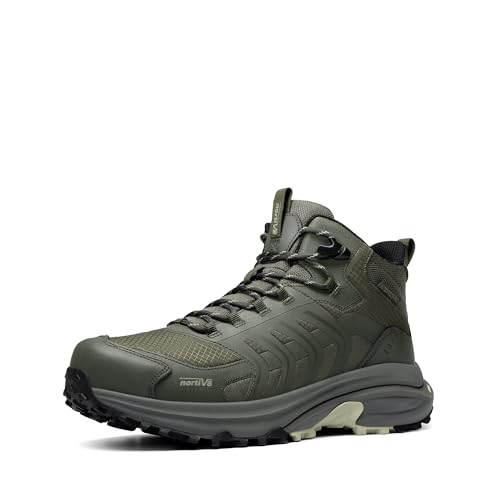

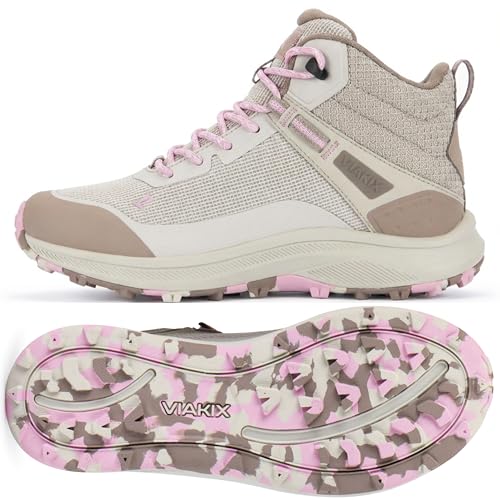

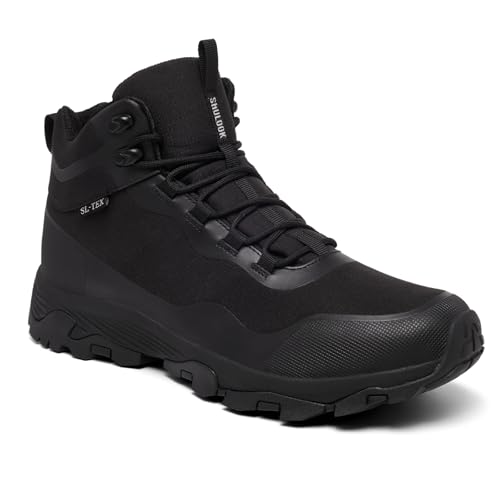


Who Should Buy Boots That Ease Knee Strain?
Your job, your ground and your knee history matter more than price.
Workers Who Stand and Walk on Hard Floors
You spend hours on concrete, tile or asphalt, and your knees feel the tally. Prioritize thick cushioning under the heel and forefoot, plus a sole that flexes at the toes rather than bending in the middle. A secure heel hold matters too, because sliding forces your leg to steady every step. Lighter boots help, since weight adds up over thousands of steps.
Hikers and Walkers on Uneven Ground
You walk trails, gravel paths or broken sidewalks where a turned ankle can twist a sore knee. Look for a higher shaft that supports the ankle, a lugged outsole that grips without sudden slips, and a sole that resists twisting. Waterproof membranes suit wet routes, and breathable uppers suit dry summer miles. Choose grip and stability first.
Adults Managing Ongoing Knee Sensitivity
You may have flat feet, mild arthritis discomfort or knees that complain after stairs. A stable base, real arch support and a roomy toe box can keep your stride even. Seek medical care promptly if a knee swells suddenly, locks, gives way repeatedly, or grows more painful each week despite rest. Boots change comfort and alignment only, so talk with your clinician about your personal needs.
Key Features to Compare
Work through these six factors in order. Together they explain most of the gap between calm knees and sore ones.
Cushioning That Softens Each Step
Cushioning is the foam in the midsole that compresses as your foot lands and spreads the force over a wider area. A thicker, resilient midsole helps most on hard floors and pavement. Very soft foam can feel plush yet bottom out on long days, so choose cushioning that still feels springy when you press it hard with your thumb. On soft trails, moderate cushioning is often enough for most walkers.
Arch Support and Stability for Alignment
Arch support holds the middle of your foot up so your ankle and knee track in a straighter line. Think of the choice as you would with neutral shoes versus stability shoes: neutral designs let your foot move freely and suit feet that track well, while stability designs add firmer material on the inner side to limit inward roll. If your shoes wear heavily on the inner edge, choose a stability design or a supportive insole.
Heel to Toe Drop and Sole Shape
Heel to toe drop is the height difference between the heel and the toes, often about 8 to 12 mm. A higher drop shifts some load away from the front of the foot and can feel kinder if your calves are tight, while a lower drop demands more from the ankle and calf. A curved rocker sole helps the foot roll forward with less sharp knee bend at push off. Change drop gradually.
Fit, Sizing and Space for Your Toes to Spread
Fit decides whether the support features above can do their job. Measure your feet late in the day, when they are at their largest, and try boots on with the socks you will wear. You want about a thumb width of space before your longest toe, a heel that stays put as you walk, and a toe box wide enough for flat, spread toes. Toes that press change how you land, and that change travels upward.
Boot Height, Weight and Flex
Shaft height changes how much help your ankle gets. Low boots feel light on smooth floors, mid height boots support the ankle on mixed terrain, and tall boots suit mud, brush and heavy work. Weight matters for knees, since a heavy boot asks your leg to lift more with every stride and adds fatigue. The boot should bend at the ball of the foot and resist twisting through the middle.
Traction, Waterproofing and Breathability
Lugs that point in several directions grip wet pavement and loose dirt, and a confident grip stops the jerky corrections that jar sore knees. Waterproof membranes such as Gore Tex keep feet dry in rain and slush, yet they also hold in warmth, so they suit cold, wet seasons best. For hot or dry work, breathable mesh or unlined leather lets heat escape. Match the upper to your climate, then check the tread.
Which Boot Type Suits Your Knees and Your Day
Boot types solve problems, and the best boots for knee problems for you are the pair that fits your ground, your hours and your support needs.
Light hiking boots are the versatile middle ground. They pair a cushioned midsole with ankle support and trail tread for daily walks, travel and moderate trails. For short, smooth road walks, compare the best running shoes for knee problems, since a lighter shoe can load knees less on pavement.
Work boots trade weight for protection and durability. A firm shank and thick sole help on ladders, gravel and concrete, with a safety toe where your job requires it. Pick the lightest work boot that meets your job rules, because tired legs walk with poorer form late in a shift.
Soft, flexible slip on styles feel easy at first, but many offer thin midsoles and little arch support, so they rarely serve knees that ache on long days. At home, give your feet a break from boots; see our guide to the best slippers for knee problems for indoor support that still cushions each step.
Quick Buyer Checklist for Knee Friendly Boots
Answer these questions before you order. A good candidate earns a yes on nearly every line.
- Does the midsole feel springy under hard thumb pressure?
- Does the boot bend at the toes and resist twisting midway?
- Can your toes lie flat inside the toe box?
- Does your heel stay in place on a slope?
- Does the arch support feel firm without aching?
- Is the drop close to your comfortable shoes?
- Can you lift the boot without it feeling heavy?
- Does the tread match your main surface?
Common Mistakes to Avoid
- Choosing the softest boot in the store leads to foam that bottoms out, leaving your knees to absorb impact by midday.
- Buying your usual size without a late day fitting leads to pinched toes and extra load on your knees.
- Switching to a much lower drop overnight leads to calf and ankle strain.
- Ignoring a heel that slips inside the boot leads to blisters and tiring stabilizing steps.
- Picking a tall, heavy boot for smooth indoor floors adds lifting to every stride and speeds fatigue.
- Keeping boots with worn flat tread leads to sudden slips that can twist a sore knee.
Care and Maintenance for Boots Worn With Knee Problems
Break new boots in gradually, starting with an hour or two at home before a long day. This lets stiff material soften at the flex points and lets you spot rubbing early. If a hot spot appears, adjust the lacing or socks instead of pushing on.
Air dry wet boots at room temperature, away from direct heat. Brush off dried mud, condition leather when it looks dry, and replace insoles that have packed flat, since flat insoles remove cushioning. In warm weather, see our guide to the best sandals for knee problems so your support does not vanish with the season.
FAQ
What features matter most in boots for knee problems?
Cushioning, stability and fit matter most in boots for knee problems. A resilient midsole softens impact, firm arch support keeps your ankle and knee aligned, and a secure heel keeps your stride even. Check tread and midsole often, because support fades slowly and your knees notice before your eyes do.
Are expensive boots worth it for sore knees?
Expensive boots are worth it for sore knees only when the extra cost buys better cushioning, a replaceable insole or stronger construction. Price alone proves nothing, and a mid priced boot with the right drop and fit can beat a costly pair. Spend first on fit and support. Brand and finish come last.
How often should boots for knee problems be replaced?
Boots for knee problems should be replaced when the midsole feels flat, the tread is smooth where your heel lands, or the upper leans to one side. Daily wear often reaches that point in about 12 to 18 months. Press the midsole with your thumb: if it barely gives, its cushioning work is done.
How long is the break in period for supportive boots?
The break in period for supportive boots usually runs from a few days to about two weeks of short, growing walks. Stiff leather work boots sit at the long end of that range, while light hiking boots with mesh uppers often feel right within days. Keep your longest walks for the second week.
Do I need waterproof boots for knee problems?
You need waterproof boots for knee problems only if rain, slush or wet work sites are regular for you. Dry feet keep a steady stride, and steady footing protects your knees when the ground turns slick. If your routes are dry, choose a breathable upper instead, since cooler feet swell less and keep your fit.
Can I wear supportive boots all day with knee problems?
Yes, you can wear supportive boots all day with knee problems once the break in period ends and the fit feels right. Build your hours up over the first week, and sit to rest rather than standing still. Rotating two supportive pairs also helps, because each midsole gets a day to regain its shape.
Our Verdict
Put fit first, then cushioning and stability, then the extras that match your climate and ground. Use the product table above to compare drop, weight and toe box room. The best boots for knee problems should make long days feel shorter and help each step land the way your knees prefer.


