
Best Boots Ever 2026: Timeless Styles That Last Guide
Disclosure: We may earn a commission when you buy through links on this page, at no extra cost to you. As an Amazon Associate I earn from qualifying purchases. Learn more

Learn what makes boots timeless, from leather quality and welted construction to fit and care, so you buy boots worth keeping for years. Read this guide.
Searching for best boots ever is less about one famous pair and more about the qualities that let boots earn a place in your life for a decade. Timeless boots share solid materials, repairable construction, and a shape that works with many outfits and seasons. The comparison table below can help you compare materials, construction, and fit before you invest.
Start by naming the job: daily walking, work, hiking, or dress wear, since each job stresses boots differently. A boot that excels at one job may fail at another, so the timeless pair is the one that matches your real routine, not an imagined one. Think about weather, distance, and dress code before you fall for a look.


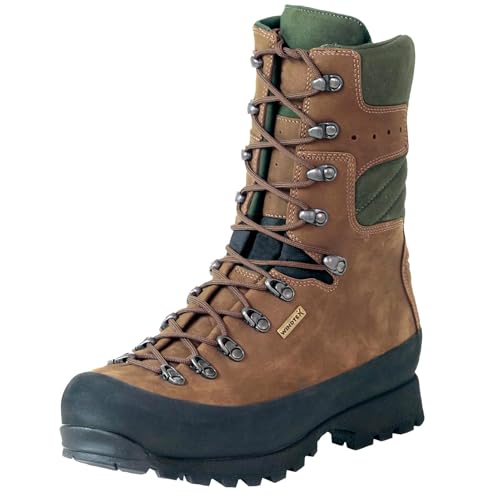


What Makes a Boot Timeless
Timeless boots use full grain leather or another durable material that ages with character rather than falling apart. Stitching should be even and tight, with no loose threads at stress points, and the sole should be stitched or welted rather than only glued. Welted construction lets a cobbler resole the boot, which is the single biggest factor in long life.
Shape matters too: a classic toe shape and a moderate heel height stay wearable across fashion cycles, while extreme shapes date quickly. Neutral colors like black, brown, and tan pair with more outfits than bold colors. A boot that looks good with jeans, work clothes, and a smart jacket earns its keep far more often.
Leather, Suede, and Alternatives
Full grain leather is the strongest and most water resistant option, and it develops a rich patina with wear and care. Top grain leather looks smooth and uniform but may be less durable over decades. Suede feels soft and casual but stains easily and needs protection from rain, so it suits dry climates and light use better than daily wet weather.
Synthetic boots can be lighter, cheaper, and easier to clean, and modern synthetics handle rain well. They rarely age as gracefully as leather and are harder to resole, so they suit a specific job like hiking rather than a lifetime pair. Choose the material that matches your climate, your care habits, and how long you expect the boots to last.
Fit That Lasts All Day
Fit decides whether boots become favorites or closet clutter, so try them with the socks you will actually wear. Toes need room to spread, the heel should lift only slightly, and the widest part of your foot should match the widest part of the boot. Break in should feel like mild stiffness, not pain, and pain that does not ease after a few wears signals a wrong size or shape.
Consider insoles and arch support, since a removable insole lets you adjust fit and replace worn cushioning. If you have foot concerns such as heel pain, bunions, or diabetes related sensitivity, choose a wide toe box and a smooth interior, and talk with your clinician or podiatrist about the best fit for your feet. Comfort is not a luxury in boots you wear daily.
Soles, Grip, and Weather
Sole material shapes grip, weight, and durability. Rubber soles grip wet pavement well and absorb shock, while leather soles look refined but slip on wet floors and wear faster outdoors. A lugged tread helps on mud and snow, while a smooth sole suits office floors and dry pavements.
Water resistance comes from material, construction, and care together, not from a label alone. Treat leather regularly with conditioner and a water repellent, keep seams clean, and dry boots slowly at room temperature after wet use. Never dry boots by direct heat, since heat cracks leather and weakens glue.
Care That Doubles Boot Life
Clean boots after use with a brush or damp cloth, condition leather every few months, and store boots with trees or stuffing to hold their shape. Rotate between two pairs when possible, since rest days let moisture escape and leather recover. That single habit can add years to a good pair.
Resole when the tread wears thin rather than waiting for the midsole to fail, and repair loose stitching early before it spreads. A cobbler can also stretch tight spots and replace laces, eyelets, and heel caps. Boots that can be repaired are a better investment than boots that must be replaced, both for your wallet and for waste.
Living With Boots You Keep
Boots you keep for years become part of your daily rhythm, shaped by your walks, your weather, and the care you give them. Notice how they feel after a long day rather than after a short try on, since true comfort shows in the last hour, not the first. A pair that still feels good at day end has earned its place, while a pair that pinches by afternoon will slowly migrate to the back of the closet.
Rotation is one of the simplest ways to extend boot life, because leather needs rest days to dry and recover from moisture and pressure. If you wear the same boots daily, moisture builds up inside and the leather never fully dries, which shortens life and invites odor. A second pair, even a simple one, gives each pair time to breathe and keeps both pairs lasting longer.
Seasonal care keeps timeless boots looking their best, with cleaning after muddy or wet use and conditioning before the harshest months. Brush off dirt promptly, since dried mud abrades leather and stitching over time. Conditioner keeps leather supple and water resistant, but use it sparingly, since over conditioning can darken leather and soften structure too much.
Repairs are part of a long relationship with good boots, and timely repairs cost far less than replacement. Resole before tread wears through to the midsole, restitch loose seams before they spread, and replace laces and heel caps as they wear. A cobbler who knows your boots can advise on timing and keep a favorite pair going for many extra years.
Over a decade, well kept boots gather scuffs and patina that tell the story of where you have walked, and that character is part of their charm. A timeless boot is not one that stays pristine, but one that ages gracefully and still serves reliably. Buy for your real life, care for the leather, and repair promptly, and your boots will repay the attention many times over.
A Final Check Before You Buy
Check the welt, the stitching, and the sole bond in person when possible, since those three details predict durability better than any label. Flex the boot gently and look for even stitching at stress points, a sole that meets the upper cleanly, and leather that feels dense rather than papery. A boot that passes those checks is likely to serve for years with basic care.
Try boots at the end of the day with the socks you will wear most, and walk on a hard floor for several minutes before deciding. Note heel lift, toe room, and any pressure point that does not ease, since fit problems rarely disappear with break in. A careful final check saves returns and keeps a good pair in daily use.
Frequently Asked Questions
What is the most durable boot construction?
Welted construction is usually the most durable, because the sole is stitched to the upper through a welt, which a cobbler can replace. Glued soles are lighter and cheaper but harder to repair once the bond fails. Stitchdown construction also offers good durability and water resistance. For a lifetime pair, choose welted or stitchdown construction from a maker with repair support.
Is full grain leather worth the extra cost?
Yes, when you plan to keep boots for years, since full grain leather resists wear, develops character, and responds well to conditioning. Cheaper corrected grain leather looks uniform at first but may crack or peel sooner. The value depends on use: daily wear justifies full grain, while occasional wear may not. Care habits matter as much as the leather grade.
How do I break in new boots without pain?
Wear new boots for short periods at first, with the socks you will normally use, and increase wear time gradually over a week or two. Mild stiffness is normal, but sharp pain, numbness, or blisters signal a fit problem rather than break in. Use conditioner on leather to soften it, and consider a cobbler stretch for tight spots. Never force through serious pain.
Can one pair of boots work for all seasons?
One pair can cover three seasons when the material and sole suit varied weather, but extremes of heat and snow usually need different boots. A medium weight leather boot with a grippy rubber sole handles spring, autumn, and mild winter well. For deep snow or very hot summers, a dedicated pair is safer and more comfortable. Match boots to your climate honestly.
When should boots be resoled or replaced?
Resole when tread wears thin, heels wear unevenly, or the sole starts to separate, since early repair protects the upper and midsole. Replace boots when the leather cracks through, the lining tears badly, or the structure collapses, since repair then costs more than value. Regular cleaning and conditioning delay both decisions and keep boots looking good longer.
Final Thoughts
The product table above gives you a framework for comparing materials and construction, but the timeless test is personal: does the boot fit your life, survive your weather, and still please you after years of wear. Buy for your real routine, care for the leather, and resole before damage spreads. A best boots ever pair chosen that way becomes a trusted companion rather than a passing purchase.


