Best Books for Non Native English Speakers: What to Check Before You Buy in 2026
Disclosure: We may earn a commission when you buy through links on this page, at no extra cost to you. As an Amazon Associate I earn from qualifying purchases. Learn more

Use this checklist to choose the best books for non native english speakers by reading level, vocabulary support, format, and value for daily practice.
Reading in a second language is one of the fastest ways to grow vocabulary and confidence, but only when the book matches your level. A novel written for native readers can bury you in idioms and rare words, while a well chosen graded reader keeps you turning pages. This checklist explains how to judge the best books for non native english speakers by level, language support, and format before you spend money.
Use the comparison table below to scan reading levels, formats, and price ranges. Then apply the criteria in this guide to any title you are considering, whether it is a graded reader, a classic in simplified form, or your first full novel in English.
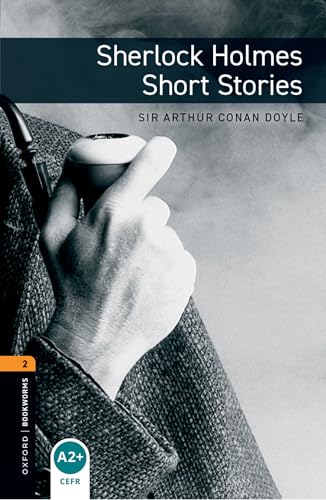

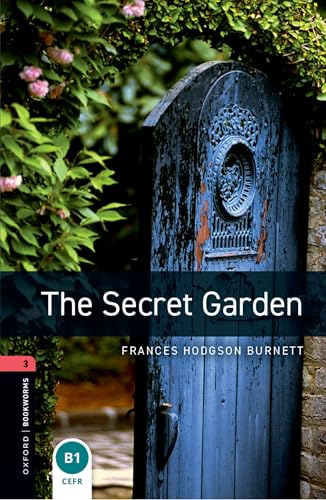
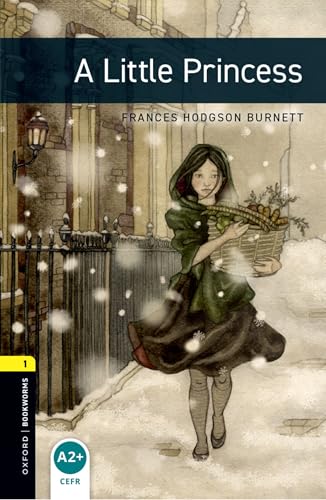

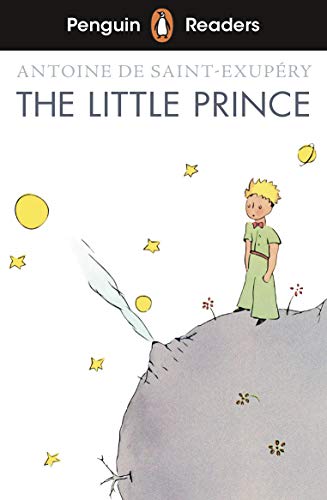


How to Judge Books for Language Learners
Features That Matter for Non Native English Speakers
Level labeling matters most. Good learner books state a clear level, such as elementary, intermediate, or a CEFR band like A2, B1, or B2, and they control vocabulary to a known word list. That control keeps unknown words near five percent of the text or less, which research on reading fluency treats as the comfort zone for learning from context.
Support features come next. Glossaries, short definitions in the margins, comprehension questions, and free audio all turn reading into active learning.
Vocabulary and Sentence Length
Judge a book by its sentences, not its cover. Learner friendly prose uses shorter sentences, common verbs, and limited slang, so you can follow the story without stopping at every line. Open a sample page and count how many words you must look up. More than a few per page usually means the level is too high for relaxed reading right now.
Dialogue heavy books often feel easier than description heavy ones, because spoken language repeats common patterns. Nonfiction with clear headings and short paragraphs can also work well, since the structure tells you what each section will do before you decode the details.
Audio Support and Pronunciation Help
Paired audio is the closest thing books have to sound quality, and it matters a great deal. Listening while you read links spelling to pronunciation, trains your ear for natural rhythm, and makes rereading painless. Look for audio read at a natural pace by a clear narrator, with chapter files that match the printed text exactly.
Check how the audio is delivered before buying. A download code or app access is convenient, while a streaming only option can vanish if a service changes.
Format and Reading Setting
Format shapes where and how often you read. Paperbacks suit home reading and easy page flipping for a dictionary check. Ebooks shine for learners because a tap can reveal a definition or translation instantly, and font size adjusts for comfort. Audiobooks fit commutes and walks, turning travel time into study time.
Think about your real routine, not your ideal one. If you read on a train, a light paperback or phone friendly ebook wins. If you study at a desk with notes, print plus audio gives you the most tools at once. The best format is the one that removes friction from your most common reading moment.
Digital Tools and Word Lookup
Connectivity for a learner book means how it links to your other tools. Ebooks that work with built in dictionaries, flashcard apps, or translation features save minutes on every page. Some graded reader apps track the words you have learned and quiz you later, which turns one book into a small course.
Keep the setup simple. One dictionary app and one reading app are enough for most learners. Too many tools split your attention and your notes. Whatever you choose, confirm the book works offline, because a long flight or a weak signal should never pause your reading streak.
Print Quality and Durability
A study book gets hard use. You will open it daily, carry it in bags, and maybe write in it, so binding and paper quality matter more than for a casual novel. Lay flat binding helps when you read with a notebook beside you. Larger print and generous line spacing reduce eye strain during long sessions and leave room for your own notes.
For ebooks, durability means file quality instead. Check that the table of contents works, images and glossaries display correctly, and the text can be searched. A sloppy digital file that breaks searches or loses formatting will frustrate you long before the story does.
Comfort and Readability
Comfort decides whether reading becomes a habit. Font size, line length, and page color all affect how long you can read without fatigue. Many learners do best with slightly larger text and shorter chapters, because each finished chapter delivers a small win that pulls you back tomorrow.
Weight matters for print. A slim graded reader you carry everywhere beats a heavy hardcover that stays home. If your eyes tire quickly, try an ebook reader with adjustable warm light, and keep sessions near twenty to thirty minutes at first, then grow them as your stamina builds.
Quick Buyer Checklist
- Does the book state a level that matches your current English honestly?
- Can you read a sample page with only a few unknown words?
- Does it include a glossary, questions, or other learning support?
- Is audio available, and can you download it for offline use?
- Does the format fit where you actually read each day?
- Can you look up words quickly in this format?
- Is the price fair for a book you will reread or study closely?
- Does the topic genuinely interest you enough to finish it?
Red Flags to Watch For
- No level information. A learner book that hides its level or vocabulary range is guessing with your time.
- Simplified but lifeless text. Some adaptations strip a classic of all style, leaving flat prose that teaches words but kills motivation.
- Broken digital files. Missing contents pages, unsearchable scans, and audio that skips chapters signal careless production.
- Unreal promises. Claims that one book will make you fluent fast ignore how language learning actually works, which is steady input over months.
- No sample available. Sellers who hide the opening pages make the single best level test impossible.
Care and Maintenance Tips
Treat study books as tools. Keep a pencil nearby for light notes, use sticky markers instead of folding pages, and store print copies away from damp and direct sun. Keep your reading app and ebook reader updated so dictionaries and audio keep working. Back up your word lists and notes in a second app or a simple document, since those records are the real long term value of your reading.
FAQs
What features matter most in books for non native english speakers?
A clear level label matters most, followed by controlled vocabulary and a glossary. Those three features keep unknown words low enough for fluent reading and real learning. Audio that matches the text adds listening gains at no extra study time. Topic interest is the quiet fourth feature, because a book you love gets finished and a book you respect may not.
Should I choose graded readers or real novels?
Choose graded readers until you can read a sample page of a simple novel with only a few lookups per page. Graded readers build speed, confidence, and core vocabulary efficiently. After that, alternate one real novel with one graded reader for a level or two. That mix stretches your skills while keeping most reading sessions relaxed and enjoyable.
How many pages should I read each day?
Start with ten to twenty pages a day, or about twenty minutes, whichever comes first. Consistency beats length, because daily contact keeps new words active in memory. Raise the target only when sessions feel easy for a full week. Many learners find that a finished book every two to three weeks builds vocabulary faster than rare marathon sessions.
Is reading with audio really better than reading alone?
For most learners, yes, at least for part of the book. Hearing the text while you read fixes pronunciation habits that silent reading can get wrong, and it trains listening at the same time. A practical pattern is to listen and read together for the first pass, then reread key chapters silently to check what you can now handle alone.
When should I move up a reading level?
Move up when your current level feels easy, meaning you rarely stop for a dictionary and you can summarize each chapter in your own words. Jumping two levels at once usually backfires into slow, frustrating reading.
The Bottom Line
Match the level honestly, demand learning support, and pick the format that fits your day. Those three checks will guide you to the best books for non native english speakers for your stage far better than any famous title list. Compare levels, formats, and prices in the product table above, then start with one book you are genuinely curious about.