Best Books According to Bill Gates by Budget: Smart Picks for 2026
Disclosure: We may earn a commission when you buy through links on this page, at no extra cost to you. As an Amazon Associate I earn from qualifying purchases. Learn more

Compare the best books according to bill gates by theme, format and budget, see what each price level changes, and build a small set that fits your goals.
Prices for a single recommended title can range from a few dollars for a used paperback to a premium gift edition, so a smart budget starts with the book itself. The best books according to bill gates are not a single genre or format, and the comparison table below helps you sort them by theme, length and cost before you buy.
This guide uses budget as its main lens. You will learn which goals each theme serves, what price actually changes in a book, and how to build a small set that stays useful. Start with one title that matches a question you care about, because interest carries you through harder chapters far better than fame alone.


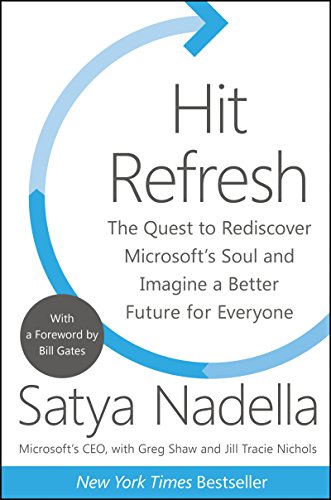


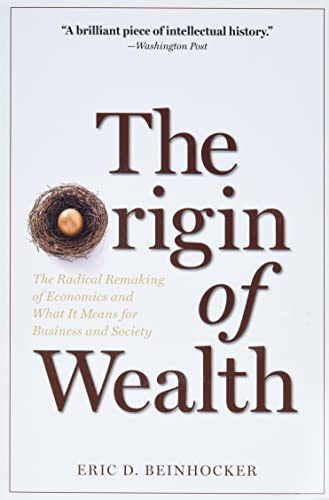
Who Should Buy Books From a Bill Gates Reading List?
Choose by the question you want to explore, not by list order. For the fuller list, see our guide to the best books to read according to bill gates and then return here to choose format and price.
Curious General Readers Who Want Big Ideas in Plain Language
You enjoy big ideas but want them explained clearly, with strong stories and no specialist background assumed. Look for history, science and memoir titles that build context chapter by chapter. A paperback or ebook keeps cost low while you test a subject. If a sample chapter feels clear rather than heavy, that title is a good first step.
Business and Technology Readers Who Want Better Judgment
You read to make better choices at work, from strategy to how new tools change markets. Focus on books where the author shows evidence, tradeoffs and real decisions, not slogans alone. For a narrower work focused shortlist, see our guide to the best business book bill gates and compare it with broader science and history picks.
Learners and Gift Buyers Who Need a Focused Start
You want a credible path into a topic, or a gift that feels thoughtful without guesswork. Choose a standalone title with a clear promise and moderate length, in a format the reader already uses. Avoid sets and sequels until you know the reader likes the author. A gift receipt matters more than a fancy cover, because a book that fits gets finished.
What Your Money Gets You at Each Price Level
For books, price mostly buys format, condition and presentation, not a different argument. The words in a paperback and a hardcover are usually the same, so spend more only when the edition will change how comfortably you read it.
Low Cost Editions for Building a Starter Shelf
Used paperbacks, mass market editions and ebook deals often cost about $5 to $15 per title. Expect a smaller page, thinner paper and a cover that shows wear sooner. This level suits sampling several themes before you commit. Check used copies for a tight spine and clean, complete pages, because a bargain loses value when reading becomes a struggle.
Standard Editions for Everyday Reading and Keeping
Trade paperbacks and standard hardcovers often cost about $16 to $30 per title and are the practical middle for most readers. Pages are larger, type is easier on the eyes, and bindings hold up through repeat reading. Choose this level for a book you plan to reread or keep for reference. One well made copy beats two cheap copies you avoid opening.
Gift and Collectible Editions for Display and Giving
Illustrated, large print and collectible editions often cost about $35 to $70 or more. You pay for art, photographs, heavier paper and a cover made to be seen. Choose this level for a confirmed favorite, a milestone gift or a reader who needs larger type. For an unread title, the extra cost adds risk, because beauty cannot rescue a dull subject.
Key Features to Compare
Compare these factors before format or price, because they decide whether a recommended book earns its place on your shelf.
Theme and the Question Behind the Recommendation
Every Gates list groups around questions, such as how disease falls, how energy systems shift, or how good ideas spread. Read his short note, then check whether that question matches one you hold. That context separates the best books according to bill gates from a random famous name list, because each pick signals a problem he wanted to understand. If the question leaves you cold, choose a closer theme.
Difficulty, Length and Time Commitment
Some recommendations are short narrative reads, while others run past 500 pages with charts and technical terms. Check page count, read the first pages in a preview, and note how many new terms appear early. A dense book is not better by default. Choose a shorter, clearer title if you read in brief daily sessions, and save long books for a season with more time.
Format, Binding and Everyday Readability
Paperback suits travel and notes in margins, hardcover suits a desk, ebook suits search and adjustable type, and audiobook suits walks and drives. Look at type size, line spacing and paper contrast, and check whether charts stay readable in your format. A title with many figures often reads better in print. Pick the format you will actually finish.
Evidence, Author Background and Staying Power
Check who wrote the book and what the work rests on. Strong titles show sources, name limits in the data and use examples that still hold up after the news cycle moves on. Most recommendations are by other authors, which differs from titles Gates wrote himself. For his own writing, see our guide to the best bill gates books.
Standalone Value and What to Read Next
A good first pick stands alone, answers its main question and leaves a clear next step if you want more. Be careful with titles that depend on an earlier volume, because extra purchases can follow. Readers who want the person behind the lists can see our guide to the best books about bill gates, which covers biography rather than reading choices.
Long Term Costs to Think About
The purchase price is only the first cost. A five title set at about $20 each reaches about $100 before tax and shipping, and audiobook credits can add a monthly charge. Set a set size first, such as three books per theme, and finish them before you expand.
Print books also need shelf space, while digital books need a device and steady access through one app. Borrow a costly or uncertain title from a library first, because a free trial read protects your budget better than a discounted copy you never open.
Common Mistakes to Avoid
These errors waste money even when the title itself is strong.
- Buying a full list at once leaves you with unread books and no chance to adjust later.
- Choosing a premium edition first raises the cost of a subject you may not enjoy.
- Ignoring page count and difficulty turns an exciting pick into a task you keep postponing.
- Picking an ebook for a figure heavy title makes charts hard to read and weakens the argument.
- Chasing only new titles overlooks older recommendations that may answer your question better.
Care and Maintenance for Print Books
Store print books upright on a dry shelf away from direct sun, heaters and damp walls. Sun fades covers and weakens paper, while damp air invites mold and warped pages. Keep food and drinks away from open pages, use a plain bookmark, and never lay a book face down on its spine.
Dust shelves with a soft dry cloth, and pull a book out by the middle of its spine rather than by the top edge. For a loose page, use tape made for paper repair or ask a library for guidance. Note which app holds each digital title, so a device change does not lose your place.
FAQs
Are premium editions of books recommended by Bill Gates worth the extra cost?
Premium editions are worth the extra cost only when you already value the book or need what the edition adds, such as larger type, art or a stronger binding. They do not improve the argument by themselves. If you would reread a standard copy, the premium copy earns its price. If you are still testing the subject, stay standard.
How much should you spend to start a Bill Gates reading list?
Start with about $15 to $30 for one standard copy, or less if you borrow or buy used. One finished book teaches you more about your taste than three unread bargains. Add a second title only after you can name what the first changed in your thinking. A themed set of three costs about $50 to $90 over time.
How long do print books from a Bill Gates reading list last?
Print books from a Bill Gates reading list can last for decades when they stay dry, cool and out of strong sun. A hardcover on a shelf usually outlasts a paperback carried daily in a bag. The first signs of age are a loose hinge, a faded spine and brittle pages. Move a weakening favorite to a protected shelf.
What should you check first when you choose a book recommended by Bill Gates?
Check the sample pages first, before price, praise or page count. In about ten minutes you can judge voice, clarity and whether new terms are explained as they appear. Note one question you hope the book will answer. If you cannot restate the opening idea in your own words, choose a clearer title on the same theme.
Can you listen to books recommended by Bill Gates instead of reading them in print?
Yes, you can listen to books recommended by Bill Gates instead of reading them in print, and many readers finish more that way. Audio suits narrative history, memoir and biography, where a clear voice carries the story. It suits figure heavy science less well, unless the app lets you view charts. Try a sample first, because narrator pace shapes how clear a dense chapter feels.
Wrapping Up
Match theme to a real question, choose a format you will finish, and let price buy comfort rather than prestige. Use the product table above to compare editions and costs before you order.
Chosen one at a time, the best books according to bill gates become a record of questions you pursued, not a pile of famous names. Start with the title whose question stays with you.