
Best Bogs Boots for Winter 2026: Fit, Warmth and Height Guide
Disclosure: We may earn a commission when you buy through links on this page, at no extra cost to you. As an Amazon Associate I earn from qualifying purchases. Learn more

Choose the best bogs boots for winter by height, insulation and sizing with thick socks.
The best bogs boots for winter are the ones sized for thick socks and matched to the depth of snow you actually walk through. Bogs is known for a sealed rubber foot with a flexible neoprene upper and pull-on handles, so the boots go on quickly and stay waterproof until water gets over the top. That simple design suits slush, mud and wet snow better than a laced boot, but fit and insulation still decide whether your feet stay warm.
This guide explains how to choose a height, how much insulation you need, and how to size a pair so there is room for winter socks. The product table below shows the available styles and price ranges.
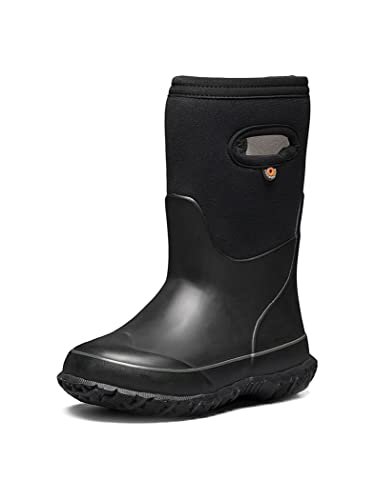


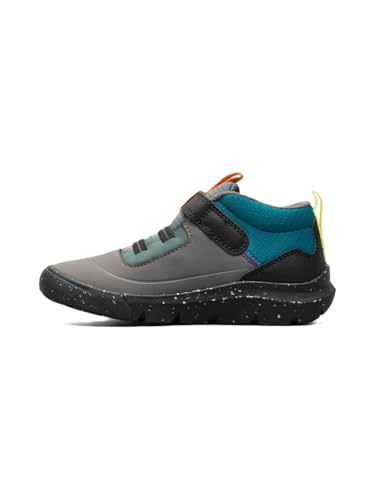
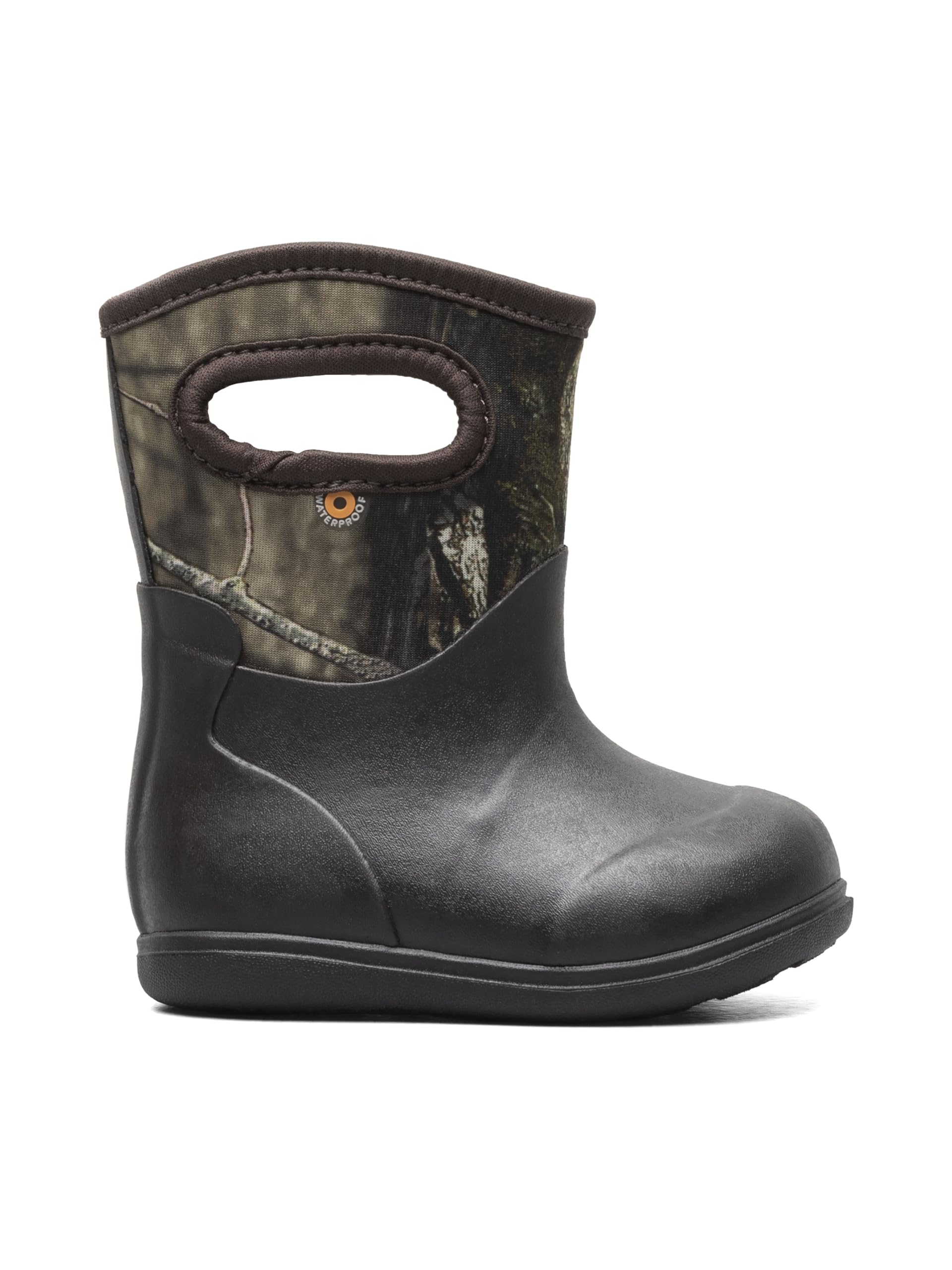
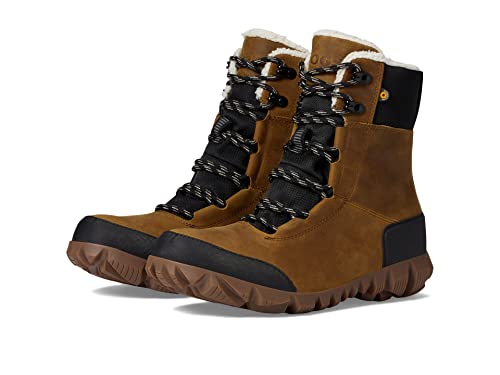
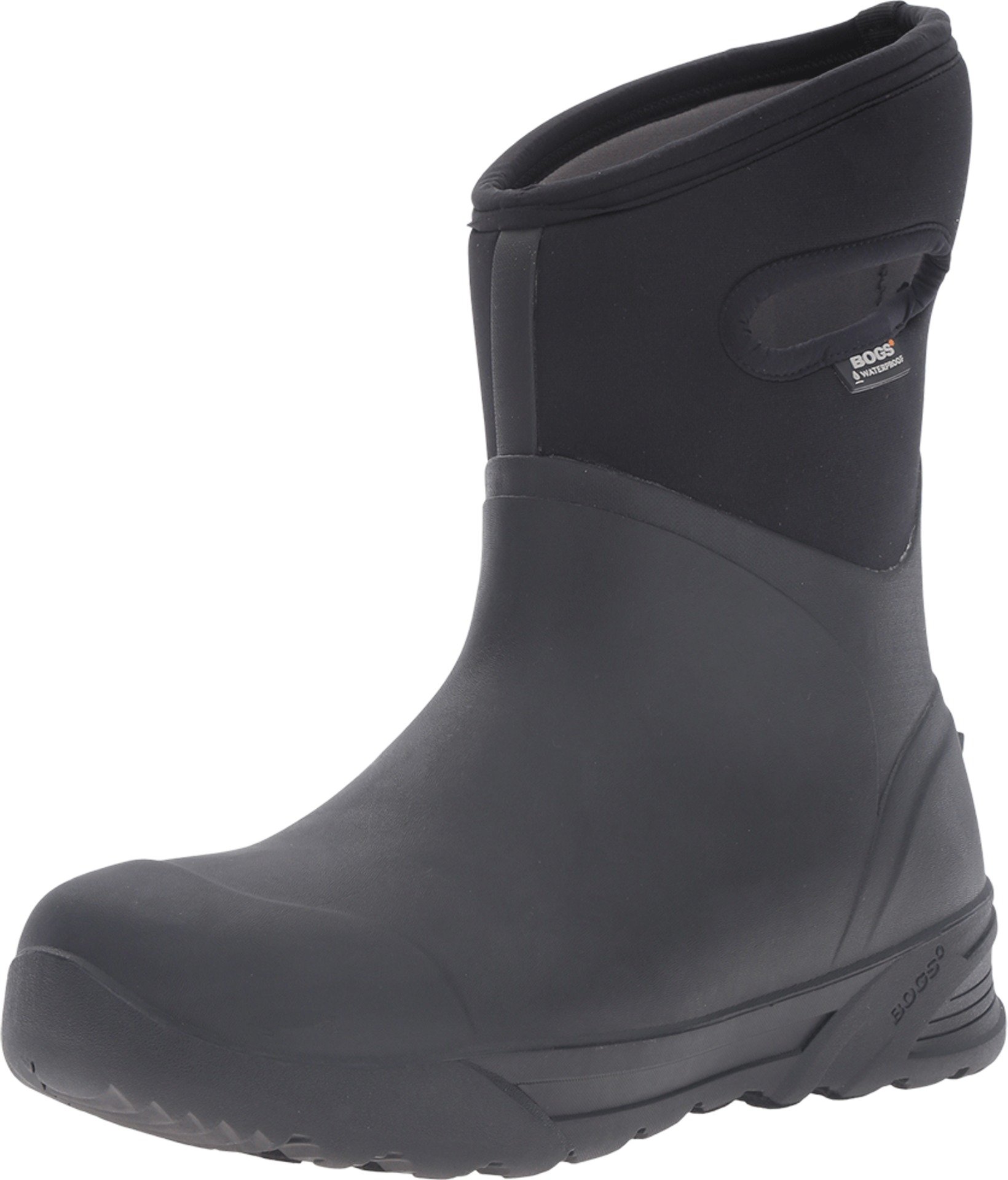

Why Choose Bogs Boots for Winter
A rubber foot does not soak through, which keeps socks dry in melting snow and puddles. The neoprene upper adds insulation and flexes with your calf, while handles at the top make the boots easy to pull on with gloves. Most people reach for them for yard chores, dog walks, school drop off, barn work and snow clearing.
They are less suited to long hikes on rough trails, because the flat footbed and pull-on shape give less ankle support than a laced hiking boot. If your winter involves more walking than standing in wet conditions, compare a laced option in our guide to the best winter boots.
Choosing Height and Style
Tall Styles
Tall boots keep snow out when you kneel or wade through drifts, and they are the usual choice for farm work and shoveling. The trade off is weight and a stiffer feel when you walk long distances.
Mid Height Styles
Mid height boots are lighter and easier to walk in. They suit commuting, errands and daily dog walks where snow is moderate. In deep snow the top opening can let snow in.
Snow Boot Styles
Snow styles add a lace or cinch closure, a thicker outsole and extra insulation for sitting or standing still in the cold. They suit cold climates and longer time outside.
Insulation and Warmth
Look at the stated temperature rating and the lining. Some insulated models list ratings well below zero, but ratings assume you are moving. If you stand still, such as watching a game or ice fishing, choose the warmest insulation and size up for a heavy sock. A moisture wicking lining helps because damp feet get cold faster than dry ones.
Wool or wool blend socks keep warmth even when slightly damp, while cotton holds sweat. Carry a spare pair if you are out all day.
Sizing Bogs Boots for Winter
Many people size by trying the boots with the socks they plan to wear. Your toes should move freely and your heel should lift only a little when you walk. If you are between sizes, choose the larger size and add a cushioned insole. Because the shaft is fairly stretchy, calf fit is rarely a problem, but check that the opening fits over winter pants.
Women and men sizing differ, and kids grow quickly, so check the size chart for the exact style. For related fit guidance, see our guides to best boots men winter and best ladies winter boots.
Kids, Women and Men: Picking the Right Fit
Bogs makes boots for men, women and children, and the lasts differ. Women often prefer a narrower heel, men a roomier toe, and kids need space for growth and a pair of thick socks. When you compare the best bogs boots for winter for a family, check each size chart separately instead of copying one size across styles.
For children, handles at the top matter even more, because kids can pull the boots on alone. A tall shaft also keeps snow out when they play. Replace outgrown boots instead of handing down a pair with a flattened footbed, since worn insoles cool and tire little feet.
Wearing Bogs Boots Day to Day
Keep a boot tray near the door so wet boots dry between uses. If you wear them daily, rotate two pairs or use a boot dryer on a low, cool setting. Add a wool insole in extreme cold, and wiggle your toes often if you stand outside for long periods, because moving feet stay warmer than still ones.
Traction and Footing
Deep lugs bite into packed snow and mud, and rubber that stays flexible in the cold grips better. No rubber sole grips glare ice well, so add removable traction cleats for icy paths. Check the sole before each winter and replace boots with worn tread.
Care and Storage
Rinse off mud and road salt, wipe the shaft with a damp cloth and let the boots dry upright in a ventilated room. Keep them away from direct heat such as a stove, because heat can crack rubber. Pull out removable insoles overnight so they dry faster. Store the pair upright with the shafts open.
Common Mistakes
- Buying your summer size and leaving no room for thick socks.
- Choosing a short boot for deep snow.
- Trusting a temperature rating while standing still.
- Drying wet boots on a heater.
- Wearing cotton socks in the cold.
Frequently Asked Questions
Are Bogs boots warm enough for winter?
Insulated styles are warm for active days. For standing still in the cold, choose a thicker insulated model, wool socks and room for air around your toes.
How should Bogs boots fit?
Snug at the heel and ankle, with space in front of your toes when you wear your winter socks. If your toes touch the front on a downhill step, go up a size.
Can I wear them all day?
Yes, if the fit is good and the insole supports your arch. Change socks midday if your feet sweat, and use a cushioned insole for long hours on hard ground.
Are they waterproof?
The rubber foot and neoprene shaft are waterproof, but water can still enter over the top. Choose a height above the deepest puddle or snow you cross.
How do I clean them?
Rinse the rubber with water, wipe the neoprene with a damp cloth and air dry. Avoid harsh cleaners and heat.
The Bottom Line
Pick the height for your snow depth, choose insulation for your coldest days, and size with winter socks on. Compare the options in the product table above and you will find the best bogs boots for winter for your yard, your commute and your budget.


