
Best Bog Boots for Winter in 2026
Disclosure: We may earn a commission when you buy through links on this page, at no extra cost to you. As an Amazon Associate I earn from qualifying purchases. Learn more

Use our checklist to choose bog boots for winter, with guidance on insulation, fit with thick socks, traction, shaft height, sole design and care.
Cold slush finds every weak point in a boot. It soaks socks at the cuff, packs into shallow tread, and leaves feet chilled. The best bog boots for winter solve those problems with a sealed rubber foot, an insulated shaft, and a sole that grips slick ground. Use the comparison table below to match insulation, height, and fit to your coldest days.
This guide uses a simple checklist instead of product reviews. You will see who each style suits, which features change warmth and grip, and what to check before you order.
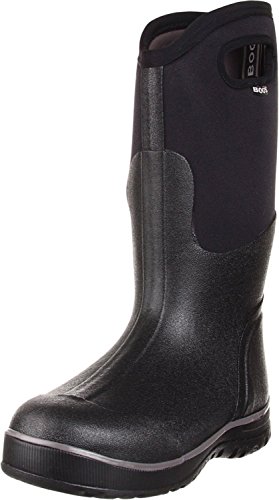


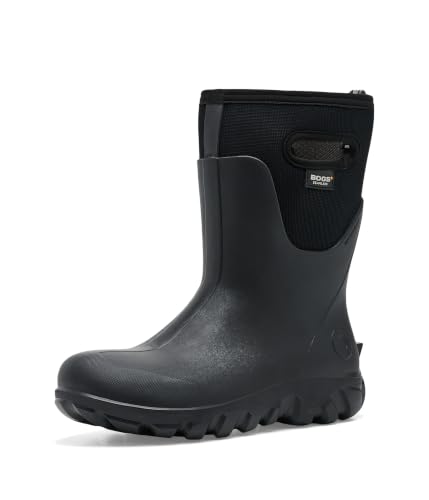
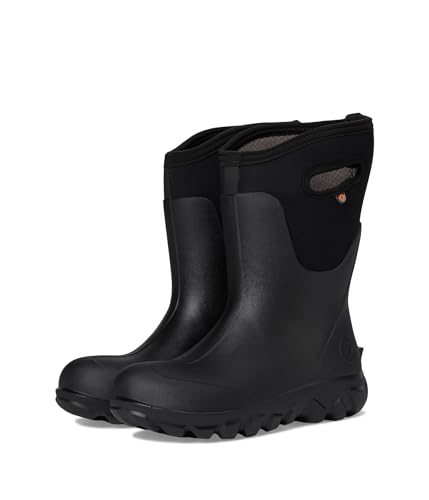


Who Should Buy Which Bog Boots for Cold Weather?
Your winter routine decides the right height, insulation, and sole. A pair that suits trips to a wood pile can feel clumsy on a long walk, and a light pair can leave you cold for hours.
Farm and Yard Workers Who Stand in Wet Snow
You step through slush, mud, and shallow puddles daily, often while carrying feed or tools. Choose a tall shaft that keeps snow out when you kneel, thick insulation in the foot, and deep lugs you can rinse clean. Side handles help you pull the boots on while wearing gloves.
Commuters and Dog Walkers on Slushy Streets
You need warmth for short waits and grip on plowed sidewalks, icy curbs, and wet pavement. A shaft of mid height is easier to walk in than a tall one and still blocks most slush. Look for a cushioned insole and a sole that bends at the toes.
Ice Fishers and Hunters Who Sit Still Outdoors
You lose heat fast when you sit or stand in one place, because your feet generate little warmth on their own. Choose the warmest insulation you can find, a thick sole that lifts your foot away from ice, and room for a heavy sock. A wide toe box matters, since tight boots restrict blood flow.
Key Features to Compare
Judge every pair with the same six checks below. Warmth comes first, but fit and traction decide whether a warm boot stays safe all season.
Insulation and Temperature Ratings for Winter Warmth
Most insulated bog boots pair a rubber foot with a neoprene shaft, often about 5 to 7 mm thick, plus a fleece lining that traps warm air. Ratings near minus 30 to minus 40 degrees Fahrenheit suit long outdoor work, while milder ratings suit errands and short chores. A walking foot stays warmer than a still foot, so plan room for a heavy sock if you run cold instead of trusting the rating alone.
Bog Boot Fit With Your Thickest Winter Socks
Measure both feet in the afternoon while wearing your thickest winter socks, because feet swell during the day and socks add real volume. Your toes should wiggle without touching the front, and your heel should lift only slightly as you walk. Most bog boots come in whole sizes only, so a foot between sizes often does better with the larger size plus a thicker insole. Try boots at home on carpet first.
Footbed Cushioning and Arch Support on Frozen Ground
A cushioned footbed softens long hours on frozen ground and concrete. Look for a contoured insole with clear arch support if your feet tire by evening. Most bog boots have a low heel to toe drop and a fairly flat feel, which gives steady footing on uneven snow. That flat shape can strain tight calves at first, so build up wear time over the first week.
Outsole Traction and Lug Design for Snow and Ice
The outsole is your contact point with winter, so study its pattern. Deep lugs, often about 5 to 6 mm, bite into packed snow and mud, while wider gaps shed slush instead of packing flat. A rubber compound that stays flexible in cold keeps more of the sole on the ground. No rubber sole grips glare ice like a metal cleat, so add removable traction aids for icy paths.
Waterproof Build, Shaft Height and Upper Materials
A true bog boot seals the foot in vulcanized rubber and extends that seal up a flexible neoprene shaft, so water stays out until it tops the shaft. Tall shafts near 14 to 16 inches suit deep snow, while shorter shafts near 9 to 11 inches walk more easily and weigh less. Unlike breathable lace up waterproof boots that rely on a membrane such as Gore Tex, this style depends on sealed seams, so inspect stitching closely.
Weight, Flexibility and Calf Fit in Cold Weather
A tall insulated pair often weighs about 4 to 6 pounds, and that weight climbs with thick insulation and deep lugs. Check calf fit before you order, because a tight shaft fights your leg at every step and a loose shaft lets snow fall inside. Pull the boot on over winter pants and squat once to confirm the shaft flexes without pinching.
Bog Boot Styles Compared: Tall, Mid Height and Ankle
Bog boots come in three broad styles, and the right one depends on snow depth. Tall insulated styles give the most protection for farm work, snow clearing, and deep drifts, but they can feel heavy on mild days. Your short list of best bog boots for winter should include at least one tall style and one shorter style to try side by side.
Styles of mid height suit commuters and drivers, since the shorter shaft bends more easily at the ankle. Ankle styles work for quick trips across a wet yard, but they let deep snow in at the top. For mixed use, a tall pair for storms plus a shorter pair for daily errands beats one compromise pair.
Check the size chart for your fit instead of converting sizes by habit. Men who prefer a lace up fit can compare options in our guide to the best boots men winter, and women who need a narrower heel can see our guide to the best ladies winter boots. For insulated lace up styles beyond rubber boots, see our guide to the best winter boots.
Quick Buyer Checklist Before You Order Bog Boots
Answer each question before you order. A no answer points to a feature or size to change.
- Does the rating match your coldest day outside, with room to spare?
- Can you wiggle your toes while wearing your thickest winter socks?
- Does the shaft sit above the deepest snow or water you cross?
- Do the lugs look deep enough for packed snow and mud?
- Can you pull the boots on and off while wearing gloves?
- Does the calf opening fit over your winter pants without squeezing?
- Do you have a ventilated spot where the boots can air out daily?
Common Mistakes to Avoid With Bog Boots
These errors cause most returns.
- Buying your summer shoe size leaves no room for thick socks, so your toes press the cold rubber and ache within minutes.
- Choosing a short shaft for deep snow lets snow spill over the top, so your socks soak and your feet chill fast.
- Trusting a temperature rating while sitting still leads to cold toes, because such ratings assume an active foot.
- Drying wet boots beside a hot stove cracks the rubber and shortens the life of the pair.
- Wearing thin cotton socks traps sweat, so your feet feel damp and cold even in warm boots.
How to Make Your Bog Boots Last Longer
Rinse mud and road salt from the rubber after messy outings, then wipe the shaft with a damp cloth. Stand the boots upright in a ventilated room and let them air dry away from direct heat. Removable insoles dry faster when you lift them out overnight.
Store the pair upright with shafts open so air can move. Check soles and seams each month for cuts and loose joins, and stop wearing a leaking pair in deep water. Rotate two pairs if you wear bog boots daily, so each pair dries fully between wears.
FAQ
What features matter most in bog boots for winter?
Insulation, a sealed waterproof foot, and outsole grip matter most. Start with the temperature rating and shaft height for your deepest snow, then check toe room with thick socks. One point buyers miss is the insole, because a worn flat insole can make a warm boot feel harsh on concrete. Replace the insole before you blame the boot for sore feet.
Can I wear bog boots for winter all day?
Yes, you can wear bog boots for winter all day if the fit leaves toe room and the insole supports your arch. Plan a sock change at midday, because even a warm boot collects moisture from your feet over hours. A dry spare pair of socks restores warmth faster than indoor heat does.
Do I need waterproof bog boots for winter wear?
Yes, waterproof protection is the core reason to choose this style for winter. A sealed rubber foot keeps socks dry in slush and melting snow that would soak treated leather within an hour. The limit is the top of the shaft, since water over the cuff still gets inside. Choose height for the deepest puddle on your route.
Are expensive bog boots for winter worth the extra cost?
Expensive bog boots for winter are worth it when you work outside daily or face severe cold, because higher prices usually buy thicker insulation, stronger rubber, and a better shaped insole. For a few outings each month, a simpler pair often serves just as well. A durable boot worn for four winters costs less per year than a cheap pair replaced twice.
How should bog boots for winter fit with thick socks?
Bog boots for winter should fit snug at the heel and ankle, with clear space in front of your toes while you wear thick socks. Press your foot forward and check that you can fit one finger behind your heel. If your toes touch the front when you walk downhill, go up a size.
Our Verdict
Warmth, traction, and honest fit decide success with winter bog boots. Match insulation to your coldest day, leave room for thick socks, and pick a shaft height that beats your deepest snow. Use the product table above to compare those points.
When those checks line up, the best bog boots for winter become simple daily gear you pull on without a second thought, with warm, dry feet.


