
Best Bluetooth Speaker Under $400: What This Budget Actually Gets You
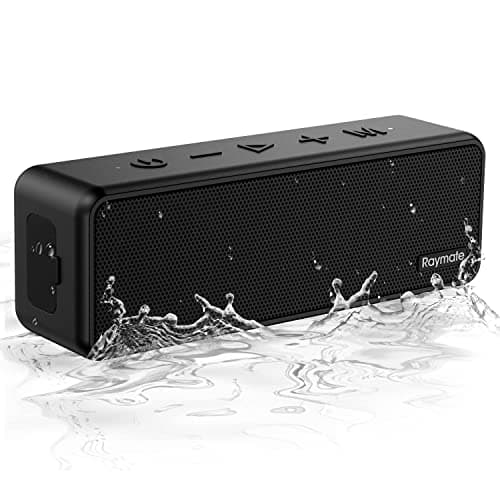
You've probably already looked at $300 speakers and wondered if spending another hundred dollars is a real upgrade or just a bigger number on the price tag. It's a fair question, because marketing at this level leans hard on watts and vague words like "premium" without explaining what actually changes. Finding the best bluetooth speaker under 400 dollars comes down to a handful of concrete differences in hardware, not brand prestige. In this guide, you'll learn what changes at this price, where this tier fits between everyday value and full premium sound, which everyday situations actually justify the spend, and the mistakes that quietly cancel out the upgrade you paid for.
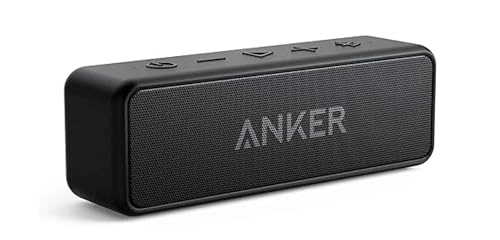
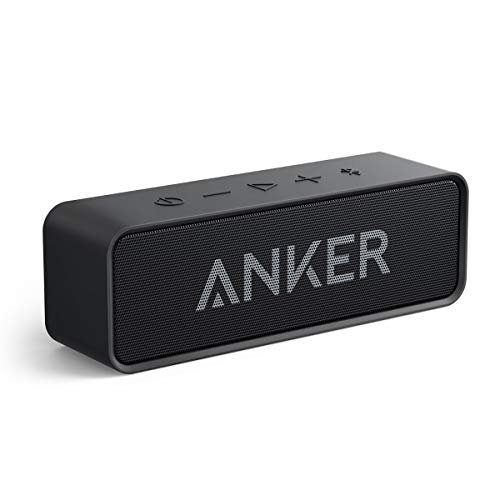
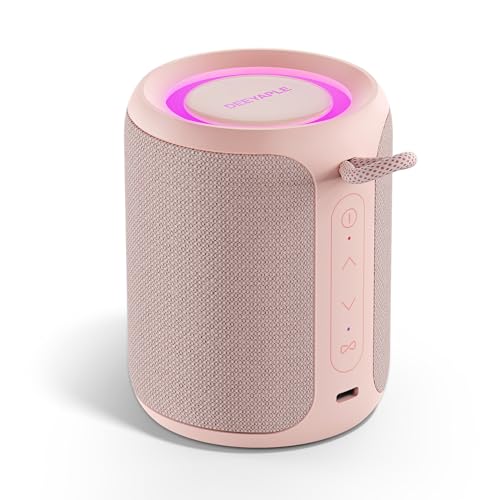
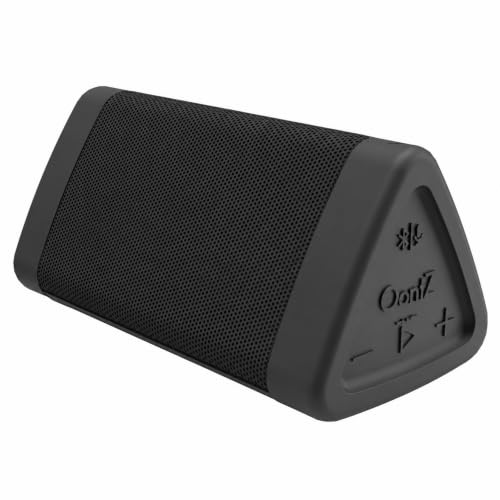
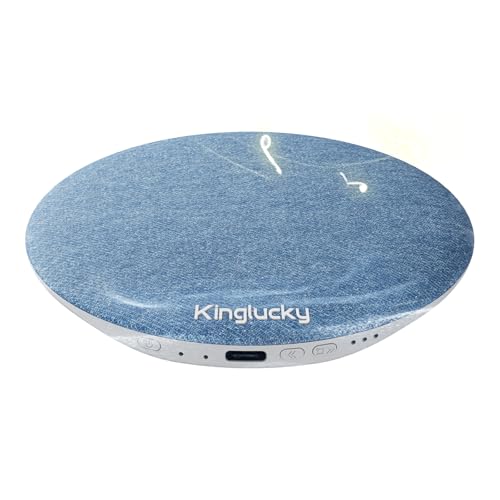
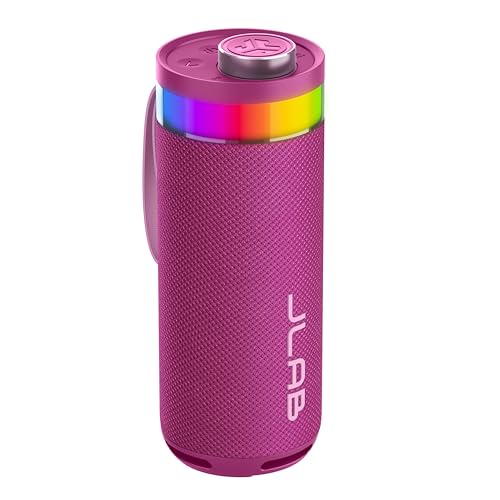
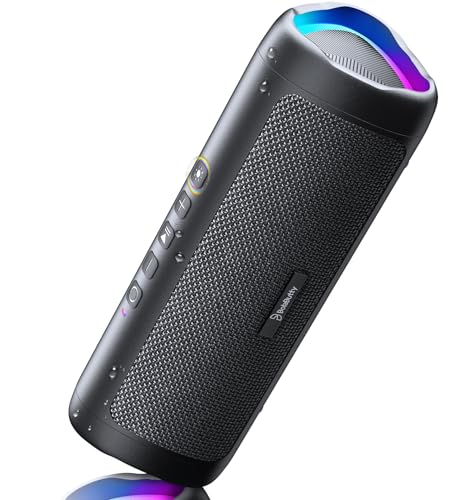

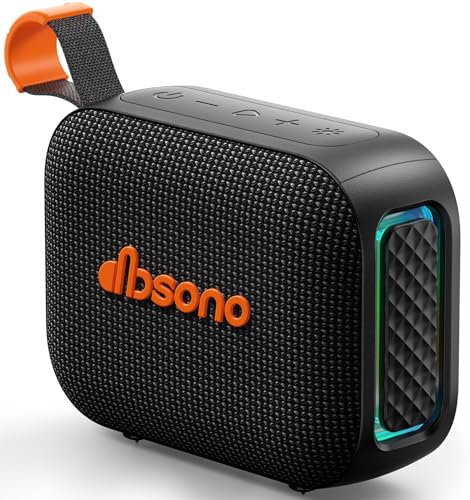
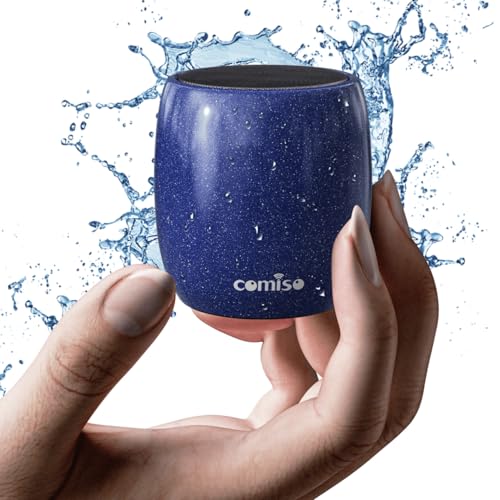
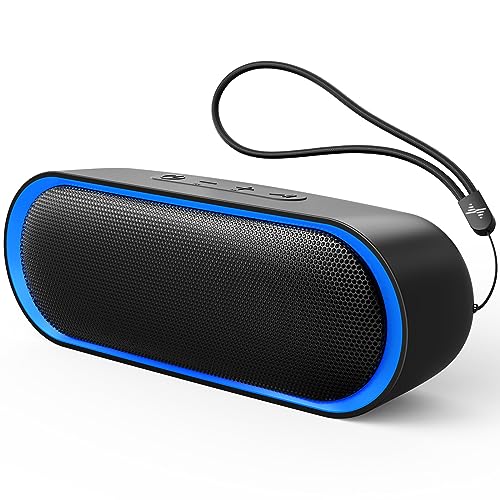
The Driver and Amplifier Differences That Actually Show Up at $400
Multi-Driver Arrays and Passive Radiators Become Standard
Below $300, a lot of speakers still rely on a single full-range driver doing all the work, which limits how clean the bass sounds at higher volumes. Once you cross into this tier, dedicated woofers paired with tweeters, and often a passive radiator or small subwoofer driver, become common rather than a rare upgrade. That extra hardware is what lets a speaker deliver deeper, more controlled low end without the distortion you'd hear from a single driver pushed past its comfortable range.
You'll also start seeing more thoughtful cabinet design at this level. Internal bracing, isolated chambers for the bass driver, and better port tuning all reduce the buzzing or rattling that cheaper speakers develop once you push the volume up. None of this shows up on a spec sheet, but it's a large part of why a speaker in this range sounds noticeably tighter than a budget model even at similar volume levels.
Why Sensitivity Ratings Predict Loudness Better Than Wattage Claims
Wattage numbers get thrown around as if they're a straightforward way to compare speakers, but they're one of the least reliable specs to shop by. Two speakers rated at similar wattage can sound completely different because the number doesn't account for driver efficiency, cabinet design, or how the amplifier is tuned. A speaker with a higher sensitivity rating, measured in decibels, will often sound louder and clearer than a higher-wattage model with a lower sensitivity figure.
If a listing only advertises peak wattage and skips sensitivity or real-world loudness figures entirely, treat that as a gap in the information rather than proof the speaker is weak. When you can find sensitivity data, use it alongside independent listening impressions instead of leaning on wattage alone.
Finding the Sweet Spot Between the $300 and $500 Tiers
Speakers in the $300 range already sound solid for everyday listening, but our guide to bluetooth speakers under $300 notes that moving past that budget mainly buys diminishing, more specialized returns, things like finer driver tuning and the beginning of app-based ecosystems. This $400 tier is where a lot of those returns actually land: meaningfully better bass extension, tighter amplifier tuning, and sturdier build quality than a $300 speaker offers, without asking you to commit to anything more.
What you're not paying for yet is the full multi-speaker ecosystem commitment. Party-linking modes and synced multi-room setups that pair several units together are genuinely useful features, but our guide to bluetooth speakers under $500 covers why that commitment tends to make more sense once you're spending $500 or more, since those ecosystems are almost always brand-specific and work best when you plan around them from the start. If you just want noticeably better sound than a $300 speaker without buying into a system you may never expand, the best bluetooth speaker under 400 dollars is usually the practical stopping point.
Which Everyday Situations Actually Justify This Budget
Frequent Backyard Entertaining and Small Gatherings
If you regularly host people outdoors, whether that's a weekly barbecue or casual get-togethers on a patio, the extra driver hardware and cleaner high-volume performance at this price genuinely earn their keep. A speaker in this range holds its clarity at volumes that would push a cheaper model into distortion, and it does so consistently across a few hours rather than losing composure after the first thirty minutes.
Everyday Home Listening Where Clarity Matters Most
For daily use on a kitchen counter, desk, or living room shelf, the improved midrange and treble clarity at this level make a real difference for podcasts, vocals, and detailed music. If most of your listening is speech-focused content rather than bass-heavy playlists, you may honestly get more benefit from the clarity gains here than from the extra low-end punch a $500 speaker would add.
Travel and Portability Ahead of Peak Output
If the speaker needs to fit in a bag or a car trunk regularly, this tier still generally keeps a manageable size while improving the durability and water resistance ratings you'd expect from a travel companion. You're trading some of the room-filling volume that larger, pricier models offer in exchange for something that's still genuinely easy to carry.
Mistakes That Cancel Out the Upgrade You're Paying For
The most common way people waste money at this level is trusting an inflated wattage number over independent reviews or sensitivity data, then ending up with a speaker that sounds no better than a cheaper option despite the higher price. A close second is buying into a brand's app ecosystem or party-linking feature purely because it's advertised, without any real plan to add a second unit later, which means you paid for a capability you'll never use.
It's also easy to overlook real-world battery testing. Manufacturers typically rate battery life at a moderate volume, and running a speaker near maximum output can cut that runtime significantly. Skipping past listed water resistance ratings is another common slip. IP67-level protection is close to standard at this tier, and settling for less without checking is an easy way to end up disappointed the first time the speaker gets caught in light rain.
Frequently Asked Questions
Is a $400 bluetooth speaker worth it?
For most people who want a noticeable step up from a $300 speaker in bass extension, build quality, and clarity, yes. It's less worth it if you mainly stream podcasts or talk radio at moderate volume, where a cheaper speaker's clarity is already sufficient.
What's the difference between a $300 and a $400 bluetooth speaker?
The main differences are driver hardware, such as added passive radiators or dedicated bass drivers, tighter amplifier tuning, and generally sturdier cabinet construction. These show up as cleaner bass and better composure at higher volumes rather than dramatically different features.
Do bluetooth speakers in this price range support stereo pairing?
Many do, and stereo pairing at this level is generally more reliable than on budget models. Full multi-speaker party modes that link three or more units together are more commonly a feature of speakers priced at $500 and above.
Is higher wattage always better when comparing bluetooth speakers?
No. Sensitivity, measured in decibels, is a more reliable predictor of loudness and clarity than a peak wattage figure. Two speakers with similar wattage ratings can sound very different depending on driver efficiency and amplifier tuning.
How long should battery life realistically last at this price?
Expect the printed battery figure to reflect moderate volume listening. Running the speaker near maximum output can shorten that runtime meaningfully, so budget for less than the advertised number if you plan to listen loud for extended periods.
Should I spend more to reach the $500 tier instead?
Only if you specifically want a full multi-speaker ecosystem or need the extra room-filling output that larger, pricier models provide. If you just want better sound than a $300 speaker without those extras, this tier is usually the more efficient spend.
Is this budget better for outdoor parties or everyday home listening?
It works well for both. The added driver hardware helps it stay clear at party volume outdoors, while the improved midrange and treble clarity make it just as suitable for daily listening indoors.
Settling on the Right Budget for Your Listening Habits
The best bluetooth speaker under 400 dollars earns its price through real hardware differences, not marketing language, and those differences matter most if you actually use a speaker for backyard gatherings or daily listening where clarity counts. If your use case doesn't call for those specific gains, a $300 speaker may already cover your needs. If you know you want a full multi-speaker setup down the line, it's worth reading further before settling here.