
Best Bluetooth Deck Speakers: A Buying Guide for Your Outdoor Space for 2026
Disclosure: We may earn a commission when you buy through links on this page, at no extra cost to you. As an Amazon Associate I earn from qualifying purchases. Learn more

Use this guide to choose the best bluetooth deck speakers for your space, with sound, weatherproofing, battery, and placement checks before you spend.
A deck is a hard place for a speaker. Sound escapes into open air, weather tests every seal, and the nearest outlet may be far from where people actually sit. Choosing the best bluetooth deck speakers means matching power, protection, and battery life to your specific deck rather than buying the loudest box you can find.
This guide walks through the profiles that suit most decks, the specs that matter outdoors, and the placement habits that make any speaker sound better. Start with the comparison table below, then check your shortlist against each section.
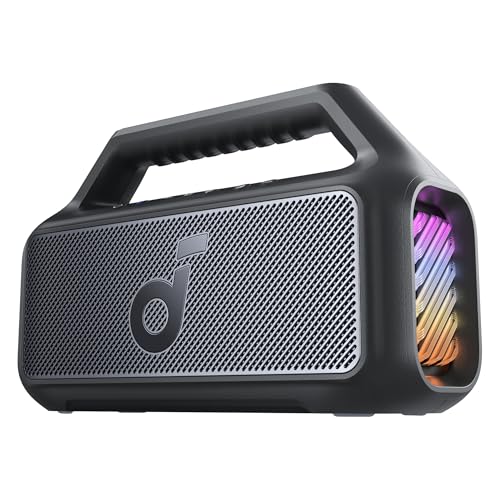
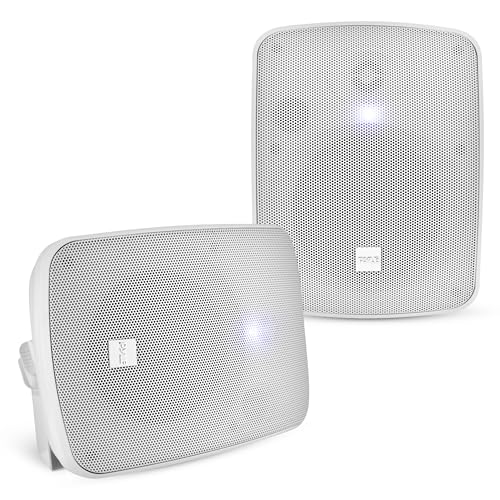


Three Deck Speaker Profiles to Match Your Space
For Most Decks: The Balanced Profile
The balanced profile suits a medium deck where people gather within about 15 to 20 feet of the speaker. Look for a midsize cabinet with two drivers or a driver plus a passive radiator, battery life around 12 to 20 hours, and an IP65 or IP67 rating. Sound should stay clear at conversation friendly volumes without strain.
This profile costs around $100 to $200 in most cases and covers music, podcasts, and game day audio with ease. Its limit is reach: a single unit will not cover a long deck or a big yard evenly. If your seating spreads out, plan on a pair or a second unit later rather than one oversized speaker now.
For Tight Budgets: The Value Profile
The value profile keeps the essentials and trims the extras. Expect a smaller cabinet, battery life around 8 to 12 hours, and an IPX5 or better rating for splash protection. Prices often land around $50 to $100, which leaves room in the budget for a mounting bracket or a protective cover.
Choose this profile for a small deck, a balcony, or occasional weekend use. You give up deep bass and the ability to fill a large gathering, but for two to six people seated nearby the sound is plenty. Readers focused on overall build and sound value may also want our guide to the best quality bluetooth speakers for indoor and outdoor crossover options.
For Small Decks: The Simple, Compact Profile
A compact speaker suits a bistro set, a narrow balcony, or a deck where storage space is scarce. Small models are easy to carry inside after each use, which also protects them from weather and cold that shorten battery life. Look for a sturdy handle or strap, simple controls you can use with wet hands, and a rating of at least IPX5.
The trade off is volume and bass, so set expectations for background music and conversation rather than a party. Our guide to the best tiny bluetooth speakers covers the smallest options and what they can realistically do. A compact unit placed on a table near listeners often sounds better than a big unit stranded in a far corner.
How to Choose the Best Bluetooth Deck Speakers: Buying Guide
Sound Quality and Tuning
Outdoors, sound has no walls to reflect it back, so a speaker works harder than it would in a living room. Larger drivers and higher real output help, but tuning matters just as much: clear midrange keeps voices and lyrics intelligible over distance and breeze. Heavy bass tuning wastes energy outdoors because low notes dissipate quickly in open air. A frequency response that extends lower helps near the speaker, yet placement close to a wall or railing can add back some warmth for free.
Connectivity (Bluetooth Version, Codecs, Wired)
Bluetooth 5.3 offers a steadier link and better range than older versions, which matters when your phone is inside the house and the speaker sits on the deck. Multipoint pairing lets two people share control without repeated pairing steps. Codecs such as AAC and aptX can add detail with matching phones, though outdoor listening rarely reveals small codec differences. A wired input is a useful backup for a TV or an older device, and it removes delay for outdoor movie nights.
Battery Life and Charging
Match battery claims to your habits. A rating around 10 to 12 hours covers a full day of gatherings, while 20 hours or more suits weekends away from an outlet. Remember that ratings assume moderate volume, and loud outdoor playback can cut real life runtime nearly in half. USB C charging is the most convenient standard now, and a speaker that plays while charging avoids a dead battery ending the evening.
Size, Weight, and Handling
Deck speakers live a mobile life even at home, moving between storage, railing, and table. A model you can carry in one hand with a secure grip will actually get used, while a heavy unit tends to stay parked in one spot. Check button size and layout too, since you will often adjust volume with wet or gloved hands. Weight also hints at battery size and cabinet strength, so very light models at high claimed output deserve a skeptical look.
Noise and Listening Comfort Outdoors
Speakers do not offer active noise cancelling the way headphones do, so ignore ANC claims in this category. What matters is clean output at the volume you need, because distortion is what makes outdoor listening tiring. If your deck sits near a road or a pool pump, a speaker with strong midrange clarity beats one with boomy bass. Placing the speaker closer to listeners lets you lower the volume, which keeps sound pleasant and respects your neighbors.
Durability and Water Resistance (IP Rating)
Weather protection is the defining spec for deck use. IPX4 resists splashes only, IP65 handles rain and dust, and IP67 survives brief immersion, which covers most storms and pool deck accidents. Sealed ports and covered charging sockets matter as much as the headline rating. For a wider look at weather ready designs, see our guide to the best exterior bluetooth speakers. Even with a strong rating, bring the speaker under cover for winter storage.
Placement and Room Size (for Speakers)
Placement decides how far your budget goes. A speaker on a table near seating height, a few feet from a wall or railing, gains fullness from that nearby surface. Corners add bass but can muddy voices. For long decks, two smaller speakers spaced apart cover the area more evenly than one loud unit, and many models pair in stereo for that purpose. Our guide to the best speakers for deck layouts walks through spacing for common deck shapes.
Types of Bluetooth Deck Speakers
Wireless and Bluetooth Models
Standard portable Bluetooth models are the most flexible choice, moving between deck, yard, and indoor rooms as needed. They rely on battery power and pair with any phone or tablet. This type suits most households because nothing gets installed and nothing stays outside in winter. The limit is that one portable unit serves one area at a time.
Outdoor and Rugged Models
Rugged models add reinforced corners, sealed controls, and higher IP ratings for decks that see hard weather and heavy use. They are built to be knocked over, rained on, and carried by a handle without complaint. The trade off is extra weight and a plainer finish. Choose this type if the speaker will live outside for long stretches, and compare candidates with our guide to the best bluetooth speakers for outside.
Noise Cancelling Models
True noise cancelling belongs to headphones, so treat this label carefully on speakers. Some models use processing that aims to keep sound clear in wind or crowd noise, which can help at busy gatherings. It will not quiet your surroundings the way earbuds do. Judge these models on clarity at moderate volume rather than on the label, and do not pay a premium for the term alone.
Care and Maintenance Tips
- Keep firmware updated through the companion app, since updates often improve pairing stability and battery reporting.
- Rinse off dust, pollen, and pool water with a damp cloth, and let the speaker dry fully before charging.
- Store the speaker indoors during freezing weather, because deep cold shortens battery life over time.
- Charge the battery partway before long storage, and top it up every few months to keep the cells healthy.
- Avoid leaving the speaker at maximum volume for long sessions, which strains drivers and drains the battery faster.
- Check port covers before outdoor use, since an open cover defeats the water resistance you paid for.
Bluetooth Deck Speakers: Your Questions Answered
What IP rating do I need for outdoor use?
For deck use, IP65 is a practical target because it resists rain, dust, and splashes from drinks or a hose. IPX4 handles light splashes only and suits a covered porch. IP67 adds protection against brief immersion, which is worth it near a pool. Whatever the rating, dry the charging port before you plug in, since trapped moisture causes most outdoor speaker failures.
Do I need a special codec for deck speakers?
No, a special codec is not a priority outdoors. Wind, distance, and background noise hide the small detail gains that codecs such as aptX can offer indoors. Standard Bluetooth audio from any modern phone sounds clean at deck distances. Spend instead on driver size, battery capacity, and weather sealing, which change your experience every single session.
How long does the battery last on a deck speaker?
Most deck speakers play about 10 to 20 hours per charge at moderate volume. Loud playback, heavy bass, and cold weather can cut that by a third or more. If you host long gatherings, choose a model that plays while charging or keep a power bank nearby. Checking the rating at a stated volume level gives a fairer comparison than headline hours alone.
Wired or wireless: which sounds better?
A wired connection sounds marginally cleaner and has no delay, but on a deck the difference is small compared with placement and volume. Wireless wins on convenience and safety, since cables across a deck are a trip hazard during gatherings. Use Bluetooth day to day, and keep a cable handy for an outdoor projector or an older device that lacks Bluetooth.
Is ANC worth the extra cost on deck speakers?
No, active noise cancelling does not apply to open air speakers, so it is not worth extra cost here. That feature exists in headphones, where drivers sit at your ears. For a deck, spend on clarity and weatherproofing instead. If traffic noise bothers you, moving the speaker closer and aiming it at the seating area helps far more than any processing claim.
Our Verdict
Choose by weather rating first, battery life second, and placement third, and the sound will usually take care of itself. Match the profile to your deck size, compare your finalists in the product table above, and you will land on the best bluetooth deck speakers for the way your household actually gathers outside.


