
Best Blankets with Sleeves Made Simple: A Clear Buying Guide for 2026
Disclosure: We may earn a commission when you buy through links on this page, at no extra cost to you. As an Amazon Associate I earn from qualifying purchases. Learn more

Fabric, length, sleeve shape and cuffs explained for choosing the best blankets with sleeves.
A regular blanket falls off the moment you reach for a mug, a book, or the remote. A sleeved blanket solves that small daily annoyance by covering your arms while your hands stay free. If this is your first purchase in the category, the best blankets with sleeves are simply the ones that fit your body, warm your arms without overheating your core, and survive weekly washing. This guide starts with the basics, explains every common term in plain English, and ends with the mistakes new buyers make most often.
You do not need to learn a new technical language to shop well here. You need to check fabric, length, sleeve shape, and closure style, in that order. Keep those four checks in mind as you look at the comparison table below, and the right choice usually becomes obvious.


Blankets 101: The Basics
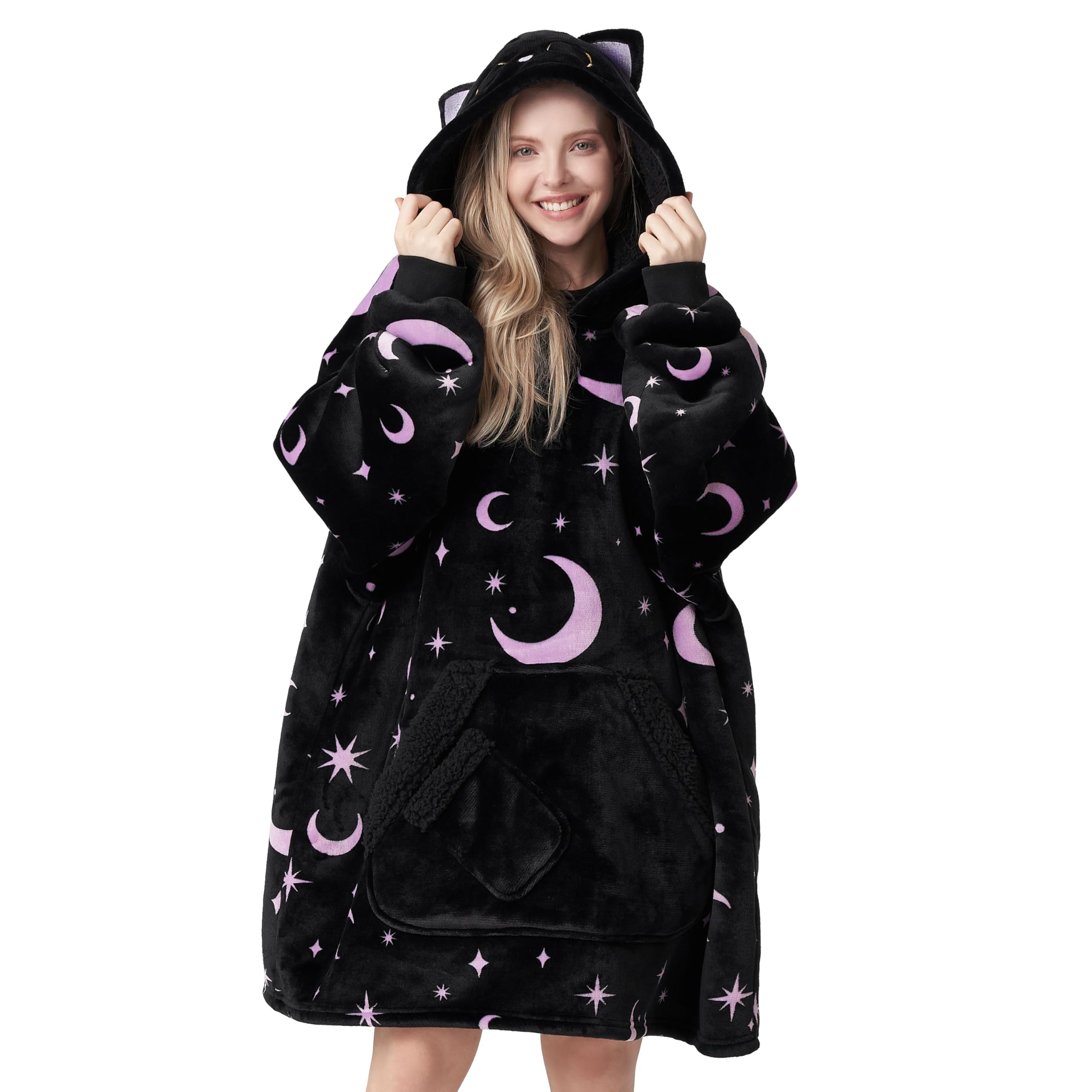
A blanket with sleeves is a large, soft cover with two long sleeves sewn into the upper half, plus an opening for your head or a wrap style front. You wear it backwards compared with a robe, so the solid fabric covers your front while your arms slide into the sleeves. Most designs add a front pocket for a phone or remote and a generous length that pools over your legs and feet while you sit.
The category overlaps with throws and wearable blankets, but the sleeves are the defining feature. If compact couch throws are more your style, our overview of the best throws and blankets covers those simpler options. A sleeved design trades a neat folded look for true hands free warmth, which is why readers, gamers, and people who work from the couch love them.
Key Specs Explained in Plain English
Product pages use plenty of bedding words. This section translates the ones that matter for a sleeved blanket.
Why Choose a Blanket With Sleeves
Choose sleeves when your arms are always the cold part. Typing, reading, knitting, gaming, and holding a warm drink all expose your forearms, and a normal blanket slips every time you move. Sleeves keep coverage in place through all of that, and a front pocket keeps small items within reach. The trade off is bulk: a sleeved blanket is awkward to fold, too warm for mild evenings, and not ideal for walking around the house, because the long hem can drag and become a trip hazard on stairs.
Material and Fill
Most sleeved blankets are a single layer of fleece or microfiber rather than a filled blanket, so material choice is mostly about fabric. Polyester fleece feels plush, dries fast, and costs less, but it can build static and pill over time. Cotton and cotton blend versions breathe better and feel cooler against the skin, though they weigh more and wrinkle more easily. Bamboo derived viscose feels smooth and cool, a plus for warm rooms.
Movement, Noise and Sharing the Couch
Freedom to move is the whole point of this product, so check how the fabric behaves when you do. Soft fleece and knit fabrics move quietly, while crisp synthetic shells can rustle and crinkle every time you shift, which annoys partners and pets nearby. Wide sleeves with elastic or ribbed cuffs stay put without squeezing, and a roomy body lets two people share the lower half on a couch. If you sleep or nap under it, lighter fabric reduces the trapped feeling that heavy fleece can cause around your shoulders.
Comfort, Weight, and Freedom to Move
Comfort here comes down to weight distribution. A good design spreads fabric evenly so your shoulders do not carry the whole blanket, and the sleeves hang without pulling at the neck opening. Heavier fleece suits cold rooms and drafty houses, while a medium weight knit works for most living rooms. If your shoulders or neck ache easily, choose a lighter fabric and a wide, soft neckline that does not press.
Picking the Right Blankets for Different Uses
Most buyers use a sleeved blanket for one main activity, and naming yours narrows the field fast. Readers want sleeves long enough to hold a book at a comfortable distance. Remote workers want cuffs that stay clean and out of the way of a keyboard.
Movie watchers want length and a big pocket. Think about your main use, then check the adult sizing notes below, because fit is where first time buyers go wrong most often.
Best Blankets with Sleeves for Adults: Tips for First Time Buyers
For adult shoppers, three checks matter more than color or pattern. First, length: an adult design should reach about 70 inches or more so it covers your feet while you sit tall on a couch. Second, sleeve placement: adult shoulders are wider, so sleeves set too close together will pull across your back.
Third, cuff style: ribbed or slightly fitted cuffs keep sleeves off your hands while you type or eat. Child sizes are shorter in every dimension, so never assume a bargain youth size will fit an adult frame.
Common Mistakes to Avoid
- Buying by photo softness alone. Photos cannot show fabric weight, so read the fabric content and weight description, or you may get a thin blanket that looks plush online.
- Ignoring your height. A blanket that is too short leaves your feet cold, which defeats the purpose, so compare the stated length with your seated height before ordering.
- Choosing sleeves that are too tight. Snug sleeves restrict blood flow to your hands over a long evening, so look for roomy sleeves with gentle cuffs instead of tight elastic.
- Forgetting the heat question. A thick fleece in a warm apartment will live in a closet, so match fabric weight to your room temperature honestly.
- Skipping the care label. Some plush fabrics demand gentle washing and low heat drying, and ignoring that ruins softness within a few laundry cycles.
Getting Started: First Use
Wash the blanket once before your first evening with it, following the label, to remove loose lint and factory finishes. Dry it fully, because fleece stored even slightly damp can develop a stale smell. When you first wear it, sit down before putting your arms in, let the neckline sit flat across your chest and keep the hem clear of your feet when you stand up.
Frequently Asked Questions
How often should I replace my blanket?
Replace a sleeved blanket when the fabric thins, pills heavily, or no longer feels warm, which for fleece used several nights a week is often after about two to three years. A practical check is holding the fabric up to light: patchy thin spots mean the insulation value is mostly gone. Seams that split at the sleeve joint are another clear sign, because that joint carries the most stress and repairs there rarely hold for long.
Are cooling blankets worth it for hot sleepers?
For hot sleepers, a cooling style sleeved blanket can be worth it, but only in a light, breathable fabric such as cotton or bamboo derived viscose. The sleeves themselves trap warmth around your arms, so a heavy fleece version will feel hot no matter what the label promises. Many hot sleepers do better with a sleeveless light throw for bed and a thin sleeved blanket only for air conditioned rooms. If you regularly wake up sweating heavily, mention that pattern to your clinician.
How do I wash blankets safely?
Wash a sleeved blanket on a gentle cycle in cold water with a mild detergent, and tumble dry on low heat or line dry it. Close any snaps or ties first so sleeves do not twist around other laundry, and wash it with similar soft items rather than jeans or towels with hooks and zippers. Avoid bleach and heavy fabric softener, which coat fleece fibers and reduce softness. Dry it fully before folding, since thick folded layers can hold hidden moisture.
Our Verdict
Fit, fabric, and cuffs decide almost everything in this category. Measure the length against your height, choose a fabric weight that matches your room, and make sure the sleeves let your hands work freely. Then glance back at the product table above to confirm your finalist offers a fair return window in case the fit feels wrong at home. Get those basics right and the best blankets with sleeves become the simplest comfort upgrade your couch has ever had.


