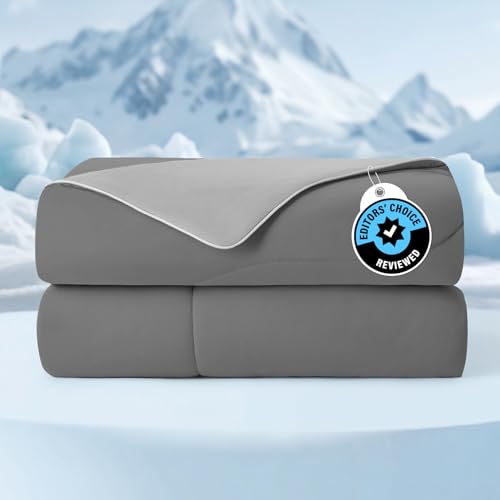
Best Blankets to Keep You Warm: What Actually Matters Before You Buy in 2026
Disclosure: We may earn a commission when you buy through links on this page, at no extra cost to you. As an Amazon Associate I earn from qualifying purchases. Learn more

Use this checklist for the best blankets to keep you warm to compare fill, fabric, weight, and care so you can choose steady warmth without overheating.
Warmth is easy to promise and hard to compare, because one seller calls a thin fleece warm while another reserves the word for a thick wool blanket. This guide uses a clear checklist to judge the best blankets to keep you warm, looking at fill, fabric, weight, and how the blanket behaves after washing. Run any option through the same checks and the marketing language falls away.
Use the comparison table below as your starting list, then score each blanket against the criteria in the next section. By the end you will know which warmth features deserve your money and which ones only sound impressive.

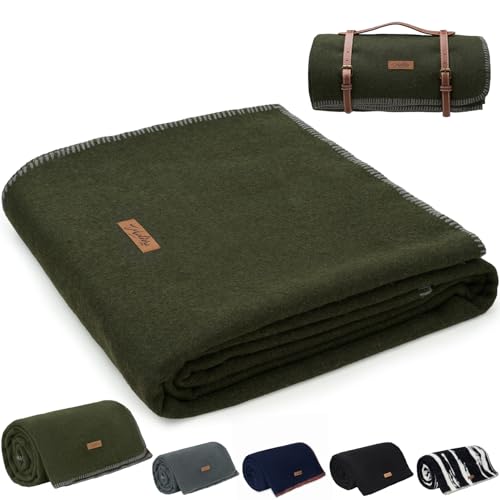

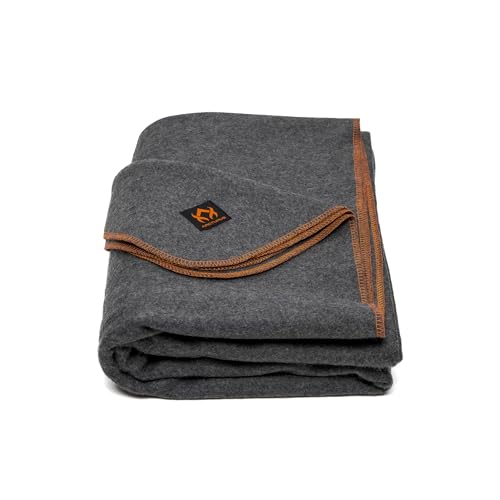


How to Evaluate Blankets That Keep You Warm
Each criterion below includes a practical threshold, so you can mark a blanket as strong, adequate, or weak without guessing. Warmth is a system: insulation, fit to the bed or couch, and how you layer all work together.
Material and Fill
Strong options state their fill and fabric plainly and give a weight or warmth rating you can compare. Wool traps air, handles moisture, and warms even when slightly damp, while down gives the most warmth per ounce but needs dry conditions to loft. Synthetic fills such as polyester cost less, wash easily, and keep much of their warmth when damp, though they feel heavier for the same insulation.
Cotton alone is a weak winter insulator, better as a layer above a warm fill. A blanket with vague fiber content and no stated weight fails this check.
Size and Fit
A warm blanket that is too small cannot seal drafts, no matter how good the fill is. For a bed, choose dimensions that give you at least about 12 to 15 inches of drape on each side and enough length to tuck at the foot or cover your feet fully. For a couch or chair, a throw around 50 by 60 inches warms one person, while 60 by 80 inches covers two.
Check the stated size against your furniture before ordering, because listings sometimes describe the size class rather than the true measurements. For close comparisons within this warmth class, see our guide to best blankets to keep warm for more layering notes.
Three Price Tiers That Pass the Checklist
Each price tier below shows what a blanket must deliver to pass the checklist, so you can judge the options in the product table by what they cost.
Mid-Range Tier
The overall tier, usually about $50 to $100, pairs a proven fill such as wool or quality synthetic with even quilting and bound edges. It should state its weight, wash without losing loft, and drape far enough to seal drafts on a standard bed. This is the tier to buy if you want one blanket to handle most of the cold season. Its limit is deep cold: in an unheated room on the coldest nights, you will still want a second layer above or below it.
Budget Tier
Value tier blankets, often about $25 to $50, pass the checklist when they use honest synthetic fill, full stitching, and accurate sizing. They warm reliably for everyday use and forgive rough laundry routines. What you give up is refinement: the fabric may pill sooner, colors may fade, and loft can flatten after a few seasons. For guest rooms, kids, and couches that see snacks and pets, that balance often makes more sense than protecting a costly blanket from daily life.
Premium Tier
The premium tier, usually above $100, earns its price through materials such as long staple wool or high loft down, careful finishing, and sizing generous enough for tall sleepers. These blankets regulate temperature across a wider range, so you stay warm without the sweaty spells cheaper fills can cause. Care is the trade: expect gentler washing and loose, dry storage. Buy premium when the blanket will be your main winter layer for years, and compare candidates with our guide to best warm blankets to see how the tier is described elsewhere.
Quick Buyer Checklist
- Does the listing state the exact fill, fabric, and blanket weight?
- Is the blanket at least 12 inches wider than the surface it must cover on each side you use?
- Does quilting or channel stitching keep the fill spread evenly?
- Can you wash it in your own machine, or at a cost you accept?
- Do the edges have binding or stitching that will survive weekly use?
- Is there a return window long enough to test the blanket on a cold night?
- Does the warmth level match your room, rather than the coldest night of the year?
Red Flags to Watch For
- Warmth claims with no fill type, no weight, and no dimensions anywhere in the listing.
- Photos that show thick loft while the stated weight is very light for the size.
- No care instructions, or care demands so strict that normal home washing would ruin the blanket.
- A very short warranty or no return option on a blanket sold mainly on comfort claims.
- Review patterns that repeat the same phrases, which tells you little about real long term warmth.
For deep winter use at home, our guide to best warm blankets for winter explains how warmth ratings differ across blanket classes.
Best Blankets for Specific Needs
Best Blankets to Keep You Warm at Work: What to Check
Office warmth has different rules: the blanket must look tidy, fit a chair, and avoid tripping hazards around desk legs and wheels. A compact throw around 50 by 60 inches in a smooth, low lint fabric works best, because it drapes over your lap and shoulders without dragging on the floor. Choose a medium weight that warms under air conditioning or near a drafty window without making you drowsy. Washability matters more at work, since the blanket lives in a shared space, and a neutral color keeps it professional.
Tips to Get the Most From a Warm Blanket
Layer a warm blanket over a flat sheet rather than bare skin if you tend to overheat, since the sheet buffers temperature swings and keeps the blanket cleaner longer. Warm the bed, not the room, by adding the blanket about 15 minutes before sleep so the fabric itself is not icy at first touch. Keep heavy warm blankets off infants and anyone who cannot move them away easily, and never sleep with an electric layer under a heavy blanket unless both makers allow that pairing. Air the blanket outdoors on dry days to refresh loft and release moisture.
FAQs
How do I wash warm blankets safely?
Wash in cool or warm water on a gentle cycle with mild detergent, and make sure the machine is large enough for the blanket to move and rinse fully. Skip fabric softener on filled blankets, because it coats fibers and reduces loft. Dry on low heat until completely dry, since damp fill stored in a closet will smell musty within days.
What if I run hot overall but still get cold feet?
For most people, a warm blanket you can fold back in stages beats owning both a cooling and a heating layer. If you run hot overall but want the option of full airy coverage in summer, see our guide to best blankets to keep you cool and compare the fabrics, or check best blankets to keep you cool at night for night specific options.
How often should I replace my warm blanket?
Replace it when the fill no longer lofts after airing and drying, or when cold spots appear that layering cannot fix. Synthetic blankets often give about 3 to 5 years of strong warmth, while good wool can last far longer with gentle care. Frayed binding and fill escaping through the shell are final signs.
Wrapping Up
Judge warmth by fill, loft, and coverage, then confirm the blanket fits your laundry routine and your return window. The comparison table above gathers those specs so your shortlist takes minutes, not evenings. Scored honestly, the best blankets to keep you warm choice is the one that keeps its loft, seals its edges, and feels right on your coldest normal night.