Best Blankets to Keep Cool: Matching the Right Blanket to Your Routine for 2026
Disclosure: We may earn a commission when you buy through links on this page, at no extra cost to you. As an Amazon Associate I earn from qualifying purchases. Learn more

Linen, percale cotton and viscose compared: how to pick the best blankets to keep cool for your room.
Plenty of people love the weight of a blanket but hate waking up hot and tangled at 3 a.m. If that is you, the fix is rarely to sleep with nothing at all. It is to swap heavy, heat trapping fabric for a breathable layer that still feels like a blanket. The best blankets to keep cool do exactly that, and the right one depends on your room, your climate, and how hot you personally sleep.
There is no single winner for everyone. A linen blanket that feels perfect in a humid coastal summer may feel too airy in an air conditioned mountain home. This guide sorts cooling blankets by sleeper type and routine, then explains the fabrics and features behind the claims. Start with the comparison table below, then match the profiles to your own nights.



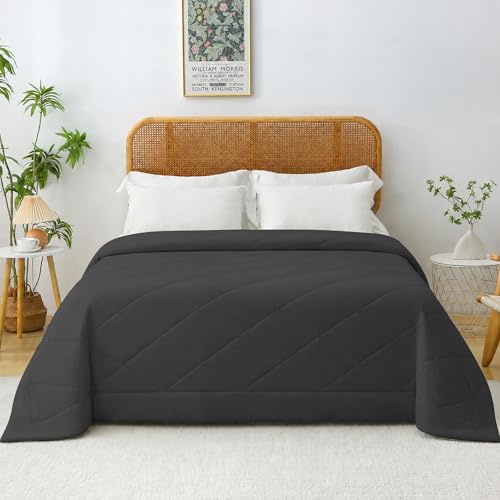
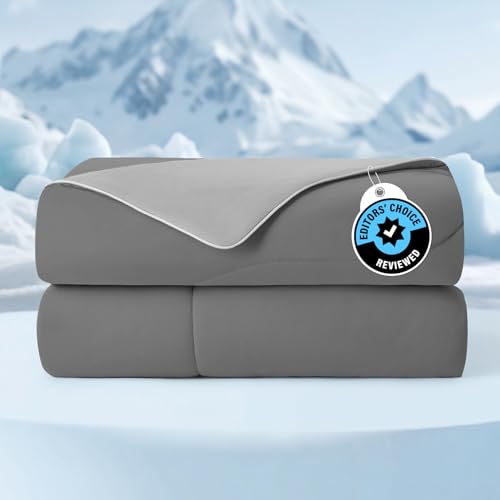
Who Should Buy Which Cooling Blanket?
For Value Seekers
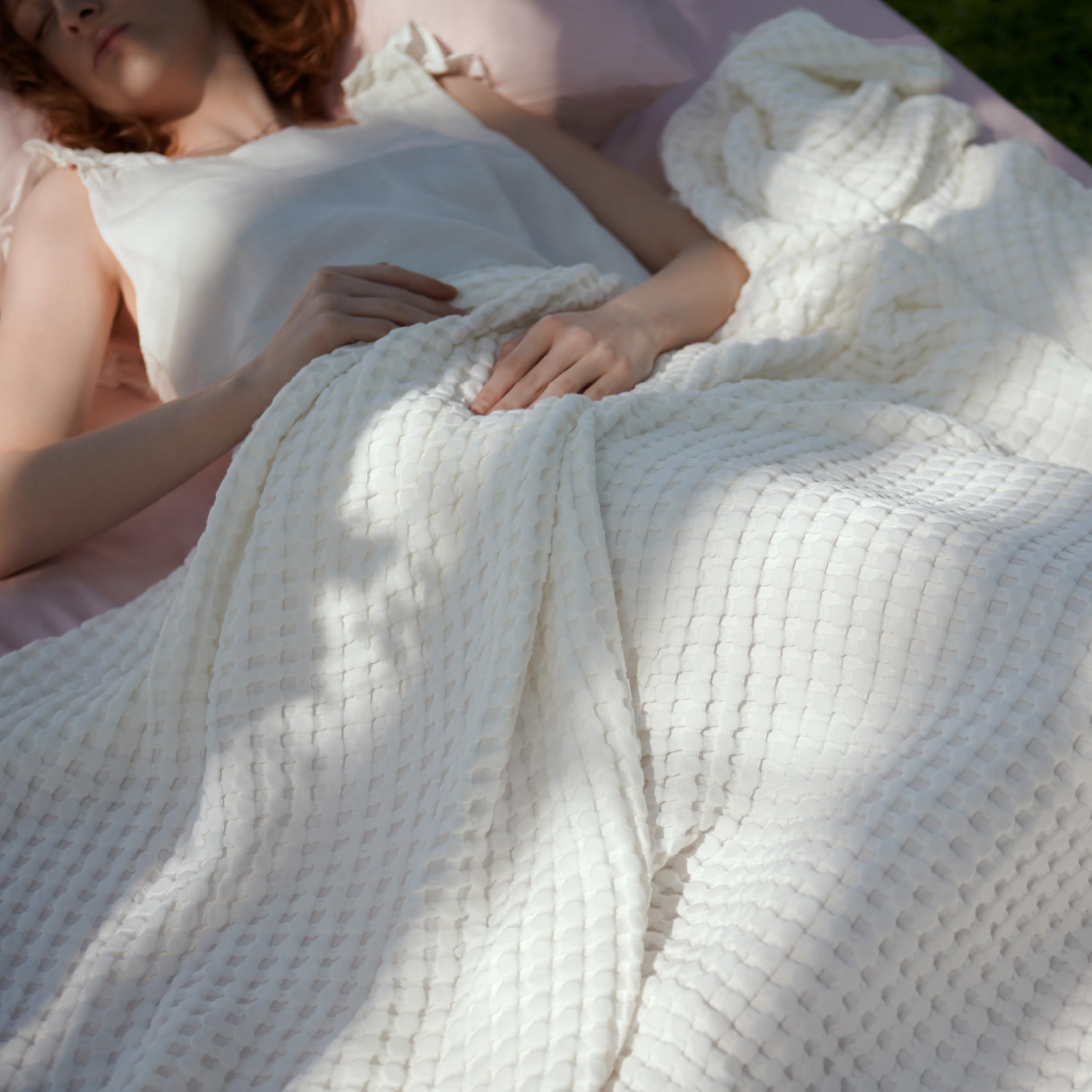
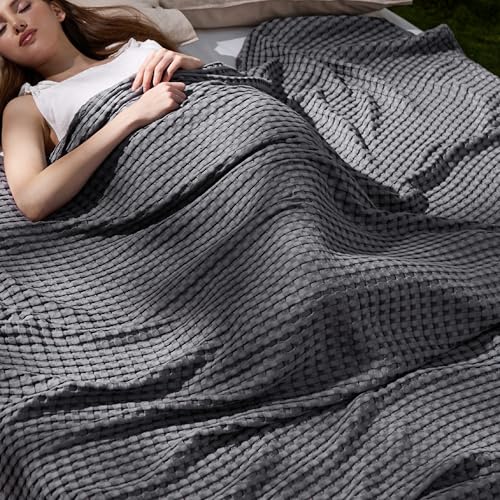
You do not need to spend much to sleep cooler. Cotton percale and simple open weave cotton blankets, often about $30 to $60, move air well and wash easily, and they have kept people cool long before modern cooling fabrics existed. Value seekers should skip blankets whose coolness depends on a surface treatment, because treatments fade in the wash and the bargain fades with them. Spend on honest fabric and a weave you can see light through, and you get cooling that lasts as long as the blanket does. These points matter most when you compare the best blankets to keep cool for your own home.
For People Who Want the Best Performance
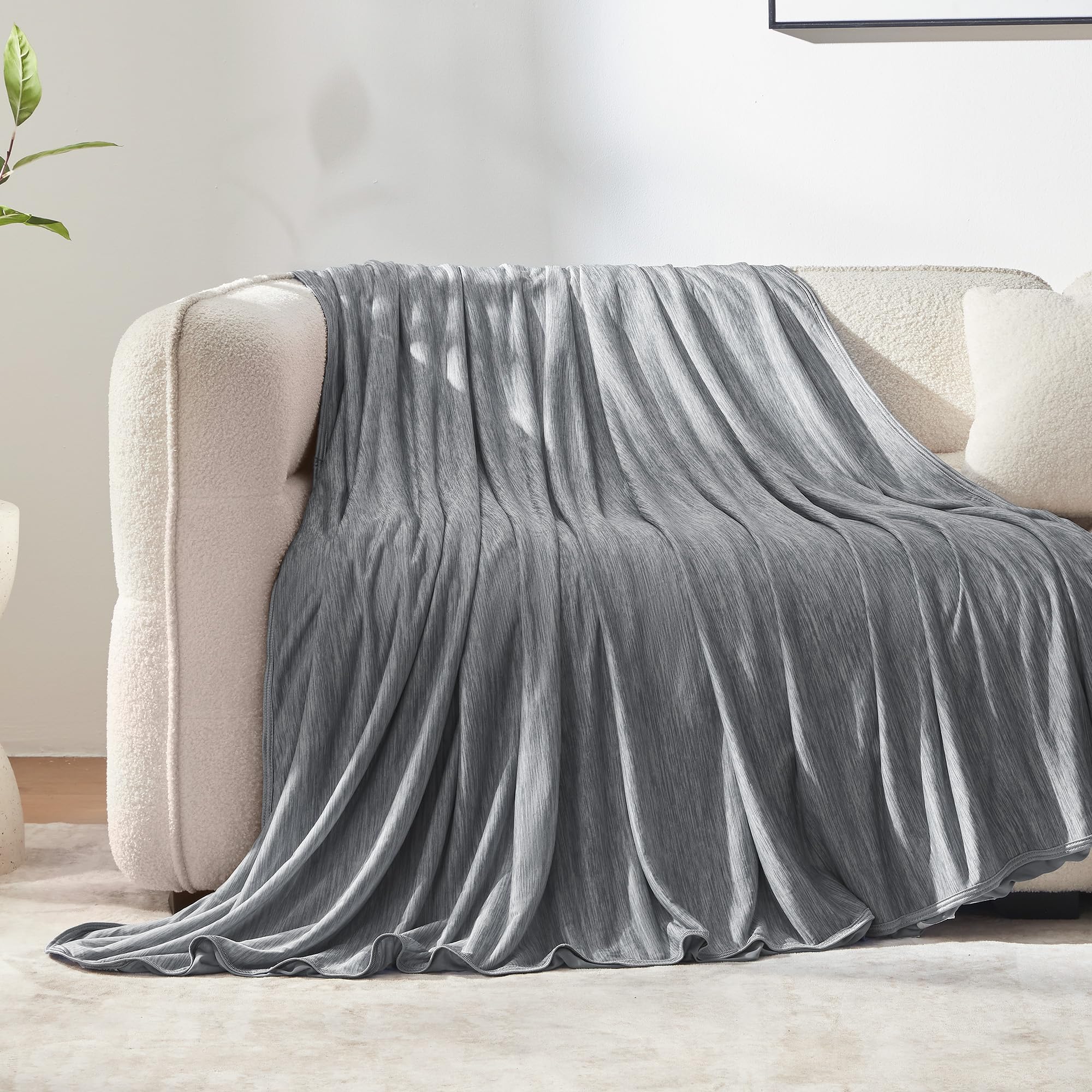
Performance buyers sleep very hot, live in warm climates, or share a bed with a partner who runs warm. For them, linen and high quality bamboo derived viscose earn their higher price, often about $80 to $180. Linen absorbs moisture, feels dry against skin, and gets softer with every wash, while smooth viscose drapes close and feels cool on first touch. Some premium blankets add phase change or gel based fibers, but the fabric itself should still breathe, because a coating on a stuffy base blanket will not save your night.
For First Time Buyers
If you have never bought a cooling blanket, start with a medium weight cotton or bamboo viscose option in your normal bed size. It will feel familiar, work with your existing sheets, and tell you within a week whether fabric alone solves your problem. Avoid extremes on the first try: the thinnest gauze style blankets feel insubstantial to people used to real weight, and jumping straight to a specialty cooling fabric costs more than you need to spend to learn your preferences.
For Gift Shoppers
A cooling blanket makes a thoughtful gift for anyone who complains about summer sleep, moves to a warmer climate, or keeps a guest room that runs hot. Choose a neutral color, a standard size, and a fabric with simple care instructions, and include the gift receipt. Cotton and viscose are safer gifts than linen, whose naturally textured feel some people love and others find rough at first. If the recipient shares your bed, of course, the gift doubles as an investment in your own sleep.
Key Features to Compare
Material and Fill
Material does most of the cooling work. Linen breathes superbly and handles humidity well. Cotton percale feels crisp and airy, while cotton sateen feels smoother but slightly warmer.
Bamboo derived viscose and lyocell feel silky and cool at first touch and drape closely. Filled cooling blankets use thin layers of synthetic fill or down alternative inside a breathable shell, which adds a little loft without much insulation. Avoid heavy fleece, flannel, and dense microfiber in warm months, since all three trap the still air that makes you overheat.
Breathability, Weave, and Moisture Handling
Weave decides how much air passes through whatever fiber you chose. Open weaves, gauze textures, and percale constructions let body heat escape, while tight sateen and brushed surfaces hold it in. Moisture handling matters just as much: a blanket that absorbs sweat and then feels clammy will wake you as surely as heat will.
Linen and cotton absorb moisture and release it as they dry, and viscose absorbs a great deal while feeling cool. Judge the pair together, fiber plus weave, rather than by a cooling label alone.
Durability and Care
Summer blankets get washed often, because sweat and sunscreen shorten the interval between laundry days. Check that your choice tolerates regular machine washing and does not demand special detergents or flat drying you will not keep up. Linen and cotton improve with washing, while some viscose fabrics need a gentle cycle to protect their smooth surface. A sleep trial or a clear return window is valuable here, since five nights in your own warm bedroom reveal more than any fabric description can.
Loft and Sleep Position
Loft is thickness, and for cooling, less is usually more. Side sleepers often want a blanket that drapes into the curve between shoulder and hip without bunching, so a flexible, medium thin fabric suits them best. Back and stomach sleepers overheat fastest across the torso, so the thinnest breathable layer often works best for them. If you love the secure feeling of weight, look for a light weighted blanket designed with glass beads and a breathable cotton shell rather than reaching for a heavy winter quilt.
Size and Fit
Buy a cooling blanket at least as large as your mattress size, and consider going one size up if you share the bed. A blanket that barely reaches both edges forces a nightly tug of war, and every uncovered hour is an hour of uneven temperature. Twin, full, queen, and king sizes follow standard mattress dimensions, but check the actual inches on the listing, because throws are much smaller than bed blankets despite looking similar in photos. A cooling throw suits the sofa, not a queen bed.
Common Mistakes to Avoid When Buying a Cooling Blanket
- Trusting a cooling label with no fabric details. If the listing cannot say what the blanket is made of, the cooling claim is marketing, not information.
- Buying fleece because it feels soft in the store. Fleece warmth comes from trapped air, which is exactly what a hot sleeper needs to avoid.
- Ignoring your sheets and room. A cooling blanket over flannel sheets in a hot room still sleeps warm, so fix the whole sleep setup, not one layer.
- Choosing a throw size for a bed. Photos hide scale, so check dimensions in inches before you order.
- Skipping the return window. Cooling is personal, and a blanket you cannot return after a hot week is a gamble rather than a purchase.
How to Make Your Cooling Blanket Last Longer
Wash your cooling blanket regularly through the warm months, since body oils and sunscreen clog the fibers and weave that let air through, and a clogged blanket slowly stops cooling. Use a gentle or normal cycle with warm water unless the label says otherwise, and dry on low to medium heat to protect smooth viscose surfaces. Store it clean and fully dry in the off season, in a breathable cotton bag rather than a sealed plastic bin, so trapped moisture cannot cause mildew or odors. Rotating between two lighter blankets also halves the wash wear on each one.
Your wider setup matters too. Pair the blanket with breathable sheets, and if your mattress itself sleeps hot, our guide to the best mattresses to keep you cool looks at the layer beneath. Weighted blanket fans can stay cool as well, as the best cool weighted blankets guide explains.
Frequently Asked Questions
What blanket weight is best if you sleep hot?
The lightest blanket that still feels like a blanket is usually right. For most hot sleepers that means a single layer fabric blanket rather than a filled quilt, somewhere in the range of a light cotton or viscose layer you can roll small. If you wake cold before dawn, keep a second light layer folded at the foot of the bed instead of choosing one heavy blanket. Layering two light blankets gives you adjustment that a single thick one never can.
Are cooling blankets worth it for hot sleepers?
Yes, when the cooling comes from the fabric itself. Linen, percale cotton, and viscose genuinely change how a bed feels, and hot sleepers usually notice the difference on the first warm night. Be skeptical of blankets that promise dramatic temperature drops from a washable coating, because the effect fades. A practical check: if the blanket still feels cool and breathable after ten washes, it was a fabric effect, and it was worth the money.
How do I wash a cooling blanket safely?
Follow the fiber, not a generic rule. Cotton and linen tolerate a normal cycle and warm water and soften over time. Viscose prefers a gentle cycle and low heat drying to protect its surface.
Wash the blanket separately or with similar light fabrics, avoid heavy softeners that coat breathable fibers, and make sure it is fully dry before folding it away. Clean fabric breathes better, so regular washing is part of how the blanket keeps working.
How often should I replace my cooling blanket?
Replace it when the fabric thins, tears at the edges, or no longer feels breathable after a proper wash, which for a quality cotton or linen blanket is typically after several years of seasonal use. Viscose blankets may show surface wear sooner with rough laundering. A simple check each spring, holding the blanket up to the light to spot thin patches, tells you whether it has another summer in it or should be retired to the guest room.
Wrapping Up
Choose the fiber first, linen or cotton for proven breathability, viscose for a cool, silky touch, then check the weave, the true size in inches, and the wash instructions. Keep the rest of the bed breathable too, because no blanket cools alone. Compare your shortlist against the product table above, favor options with a fair return window, and the best blankets to keep cool for your routine will be the ones still on your bed, keeping you comfortable, when the hottest nights of the year arrive.